Restrictive Covenants For Independent Contractor In Franklin
Description

Get your form ready online
Our built-in tools help you complete, sign, share, and store your documents in one place.
Make edits, fill in missing information, and update formatting in US Legal Forms—just like you would in MS Word.
Download a copy, print it, send it by email, or mail it via USPS—whatever works best for your next step.
Sign and collect signatures with our SignNow integration. Send to multiple recipients, set reminders, and more. Go Premium to unlock E-Sign.
If this form requires notarization, complete it online through a secure video call—no need to meet a notary in person or wait for an appointment.
We protect your documents and personal data by following strict security and privacy standards.

Make edits, fill in missing information, and update formatting in US Legal Forms—just like you would in MS Word.

Download a copy, print it, send it by email, or mail it via USPS—whatever works best for your next step.

Sign and collect signatures with our SignNow integration. Send to multiple recipients, set reminders, and more. Go Premium to unlock E-Sign.

If this form requires notarization, complete it online through a secure video call—no need to meet a notary in person or wait for an appointment.

We protect your documents and personal data by following strict security and privacy standards.
Looking for another form?








Form popularity
FAQ
The primary remedy for breach of a Restrictive Covenant is a permanent injunction to restrain the breach. However, the courts have jurisdiction to award damages instead of an injunction.
An employee can challenge a restrictive covenant if they believe it is unreasonable or prevents them from finding suitable employment. If the covenant is too broad or not essential to protecting the employer's business, it may be deemed unenforceable by the courts.
Over time, Brazilian Courts have come to the understanding that non-compete clauses are enforceable provided that they meet four specific criteria: (i) a reasonable time limit; (ii) a geographical limit only to the market in which the employee has worked at or was involved in projects related to; (iii) specific post- ...
If a deed restriction is not enforceable, you can choose to ignore it and take on the risk of a neighbor filing suit, or you can seek out a judge's ruling to have the covenant removed from the deed. Obtaining that ruling is easier when no one is actively enforcing the covenant.
If a deed restriction is not enforceable, you can choose to ignore it and take on the risk of a neighbor filing suit, or you can seek out a judge's ruling to have the covenant removed from the deed. Obtaining that ruling is easier when no one is actively enforcing the covenant.
Non-Competitive Activity at New Employer: One of the most straightforward ways to overcome a noncompete is by ensuring that your new role with a different employer is in a non-competitive capacity. If you're not engaging in activities that directly compete with your former employer's business, you may be in the clear.
To officially end the restrictive covenants, it may be necessary to file a lawsuit seeking a declaration from a court that the covenants are no longer enforceable. This can be a complex legal process that may require the assistance of an attorney.
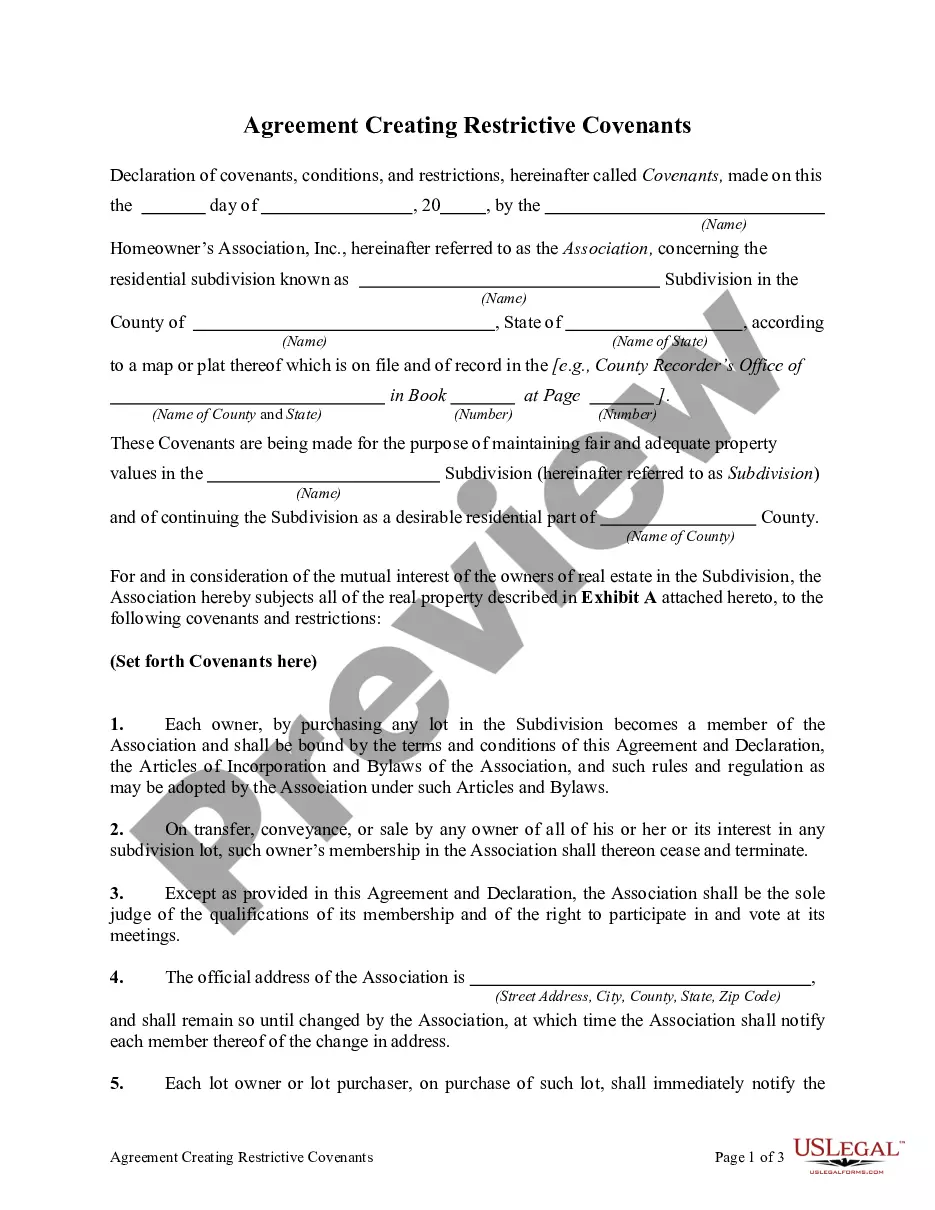
In the case of an HOA, restrictive covenants are general rules that members of your HOA vote on that all property owners living in the area must follow. The covenant may include actions you can't take with your property, like raising livestock or running a business from your home.
This is called a 'non-solicitation clause'. Or your contract might say you can't do any business with former customers at all - even if they approach you. This is called a 'non-dealing covenant'. Ask your old employer if they'll let you ignore the limit on who you can work for.
In Canada, the enforceability of non-compete agreements is quite strict. Courts are cautious and will only enforce such agreements if they protect a legitimate business interest.
