Restrictive Covenants For Consultants In Dallas
Description

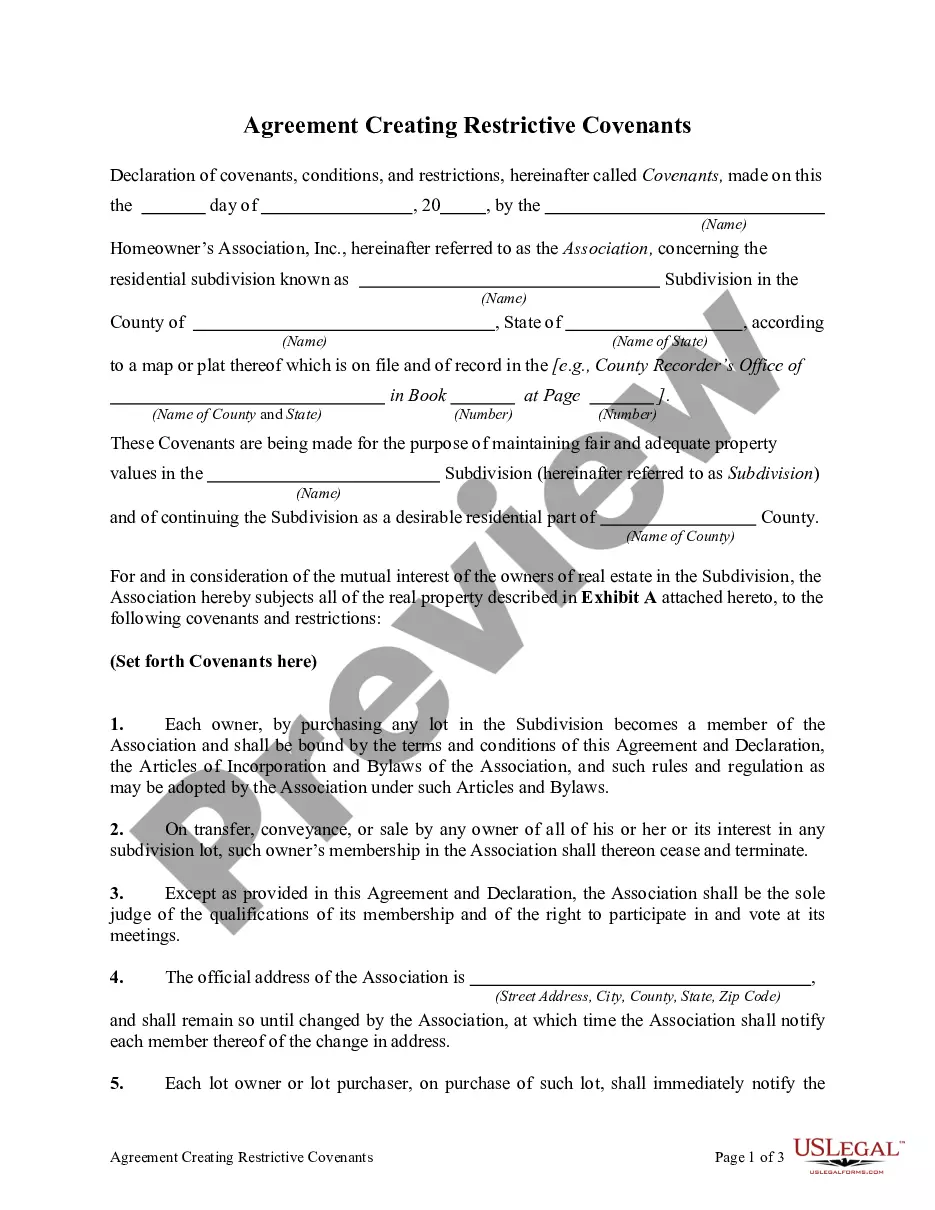
Get your form ready online
Our built-in tools help you complete, sign, share, and store your documents in one place.
Make edits, fill in missing information, and update formatting in US Legal Forms—just like you would in MS Word.
Download a copy, print it, send it by email, or mail it via USPS—whatever works best for your next step.
Sign and collect signatures with our SignNow integration. Send to multiple recipients, set reminders, and more. Go Premium to unlock E-Sign.
If this form requires notarization, complete it online through a secure video call—no need to meet a notary in person or wait for an appointment.
We protect your documents and personal data by following strict security and privacy standards.

Make edits, fill in missing information, and update formatting in US Legal Forms—just like you would in MS Word.

Download a copy, print it, send it by email, or mail it via USPS—whatever works best for your next step.

Sign and collect signatures with our SignNow integration. Send to multiple recipients, set reminders, and more. Go Premium to unlock E-Sign.

If this form requires notarization, complete it online through a secure video call—no need to meet a notary in person or wait for an appointment.

We protect your documents and personal data by following strict security and privacy standards.
Looking for another form?




Form popularity
FAQ
The primary remedy for breach of a Restrictive Covenant is a permanent injunction to restrain the breach. However, the courts have jurisdiction to award damages instead of an injunction.
If it looks like a restrictive covenant is enforceable and is going to be breached by development, seek to obtain a restrictive covenant title indemnity insurance policy to cover any loss from a claim from a beneficiary. You should insure the full gross development value of the property affected.
If a deed restriction is not enforceable, you can choose to ignore it and take on the risk of a neighbor filing suit, or you can seek out a judge's ruling to have the covenant removed from the deed. Obtaining that ruling is easier when no one is actively enforcing the covenant.
Restrictive covenants) are enforceable in Texas. To be valid under Texas law, a covenant not to compete must be “ancillary to an otherwise enforceable agreement.” Then, the restrictions must be reasonable in scope.
Restrictive Covenants, Explained This restricts how homeowners can manage and modify their land. Examples include restrictions on fence options, the type of animals allowed and the use of outbuildings, such as sheds.
Over time, Brazilian Courts have come to the understanding that non-compete clauses are enforceable provided that they meet four specific criteria: (i) a reasonable time limit; (ii) a geographical limit only to the market in which the employee has worked at or was involved in projects related to; (iii) specific post- ...
An employee can challenge a restrictive covenant if they believe it is unreasonable or prevents them from finding suitable employment. If the covenant is too broad or not essential to protecting the employer's business, it may be deemed unenforceable by the courts.
To officially end the restrictive covenants, it may be necessary to file a lawsuit seeking a declaration from a court that the covenants are no longer enforceable. This can be a complex legal process that may require the assistance of an attorney.
Whether a worker is an employee or an independent contractor, the same elements must exist for a non-compete agreement to be enforceable under the Texas Covenants Not to Compete Act: Reasonable restrictions in terms of scope and duration; and. Consideration for the worker.
