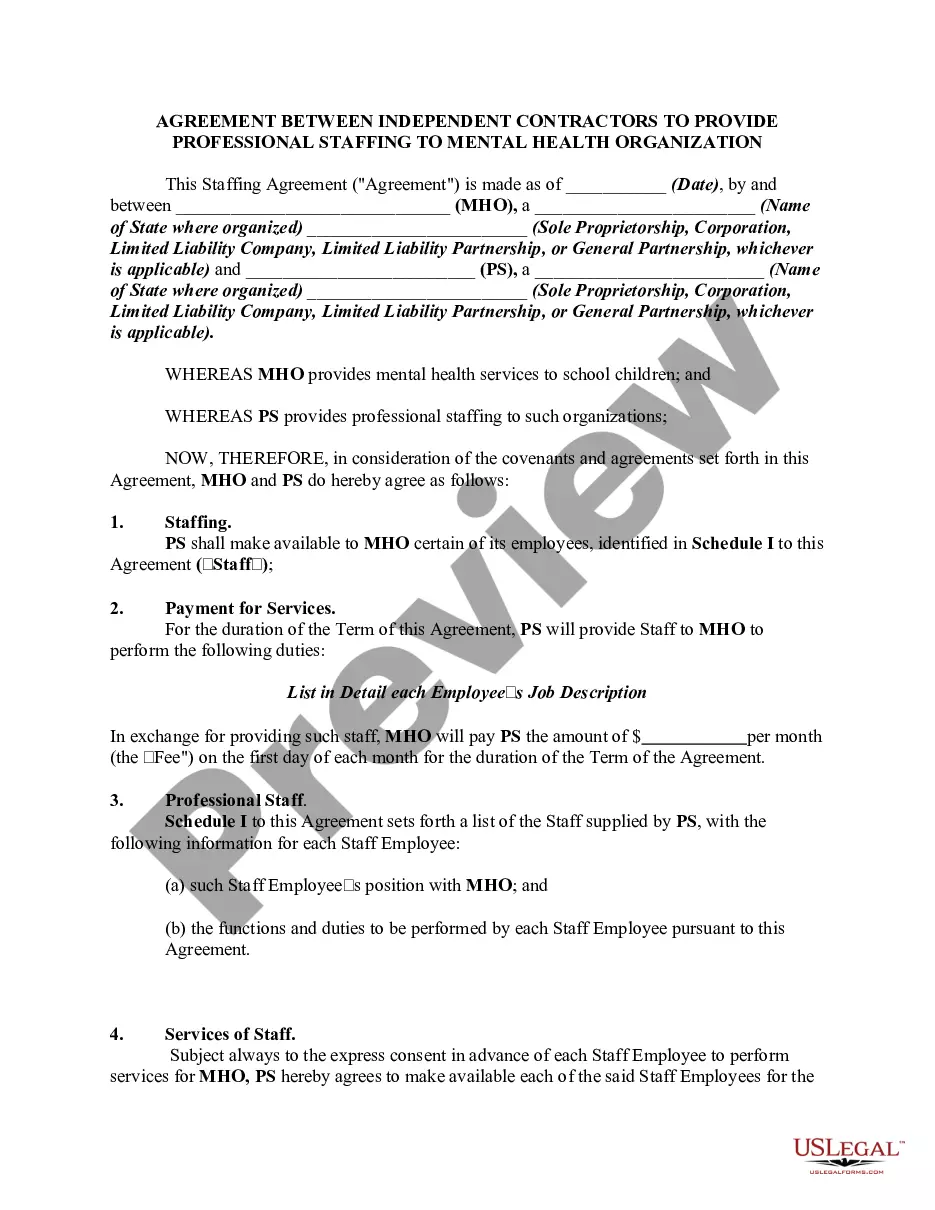
Agreement To Arbitrate Claims In Miami-Dade
Description





Get your form ready online
Our built-in tools help you complete, sign, share, and store your documents in one place.
Make edits, fill in missing information, and update formatting in US Legal Forms—just like you would in MS Word.
Download a copy, print it, send it by email, or mail it via USPS—whatever works best for your next step.
Sign and collect signatures with our SignNow integration. Send to multiple recipients, set reminders, and more. Go Premium to unlock E-Sign.
If this form requires notarization, complete it online through a secure video call—no need to meet a notary in person or wait for an appointment.
We protect your documents and personal data by following strict security and privacy standards.

Make edits, fill in missing information, and update formatting in US Legal Forms—just like you would in MS Word.

Download a copy, print it, send it by email, or mail it via USPS—whatever works best for your next step.

Sign and collect signatures with our SignNow integration. Send to multiple recipients, set reminders, and more. Go Premium to unlock E-Sign.

If this form requires notarization, complete it online through a secure video call—no need to meet a notary in person or wait for an appointment.

We protect your documents and personal data by following strict security and privacy standards.
Looking for another form?



Form popularity
FAQ
Once executed, an employment contract in Florida is legally binding, including one with an arbitration clause.
Pursuant to chapter 44, Florida Statutes, arbitration is a process whereby a neutral third person or panel considers the facts and arguments presented by the parties and renders a decision which may be binding or nonbinding. (a) Integrity, Impartiality, and Competence.
Most employers in the U.S. now require employees to accept a mandatory arbitration clause—waiving their right to sue in court as a condition of work. Arbitration clauses are often buried in the fine print of one-sided employment contracts that businesses impose, and that workers have no power to contest.
Arbitration agreements require that persons who signed them resolve any disputes by binding arbitration, rather than in court before a judge and/or jury. What is binding arbitration? Binding arbitration involves the submission of a dispute to a neutral party who hears the case and makes a decision.
How long you have to file a claim in court, notably Small Claims Court, varies depending on the topic and circumstances of the respective litigation. Chapter 95.11, Florida Statutes, explains that a person has between one and five years.
If you have any attachments to prove your claim, you must provide the Court with one copy for the file and one copy to be served on each defendant. You can have your summons served by the Sheriff, a process server, or by certified mail. Certified mail can only be served within the State of Florida.
You may file your claim: In person at any County Civil Court location. By mail. Electronically, using the State of Florida E-filing Portal at .myflcourtaccess.
The claim can be filled and submitted online at the Miami-Dade County Clerk's Office. You may print out the application and file the claim in person at a local courthouse if you choose.
A small claims action begins by filing a Statement of Claim. Small claim cases should be filed with the clerk in the appropriate county. Filing fees for small claims actions are established in the Florida Statutes and local county ordinances. The clerk of court may be able to provide information on filing fees.