Covenant And Agreement
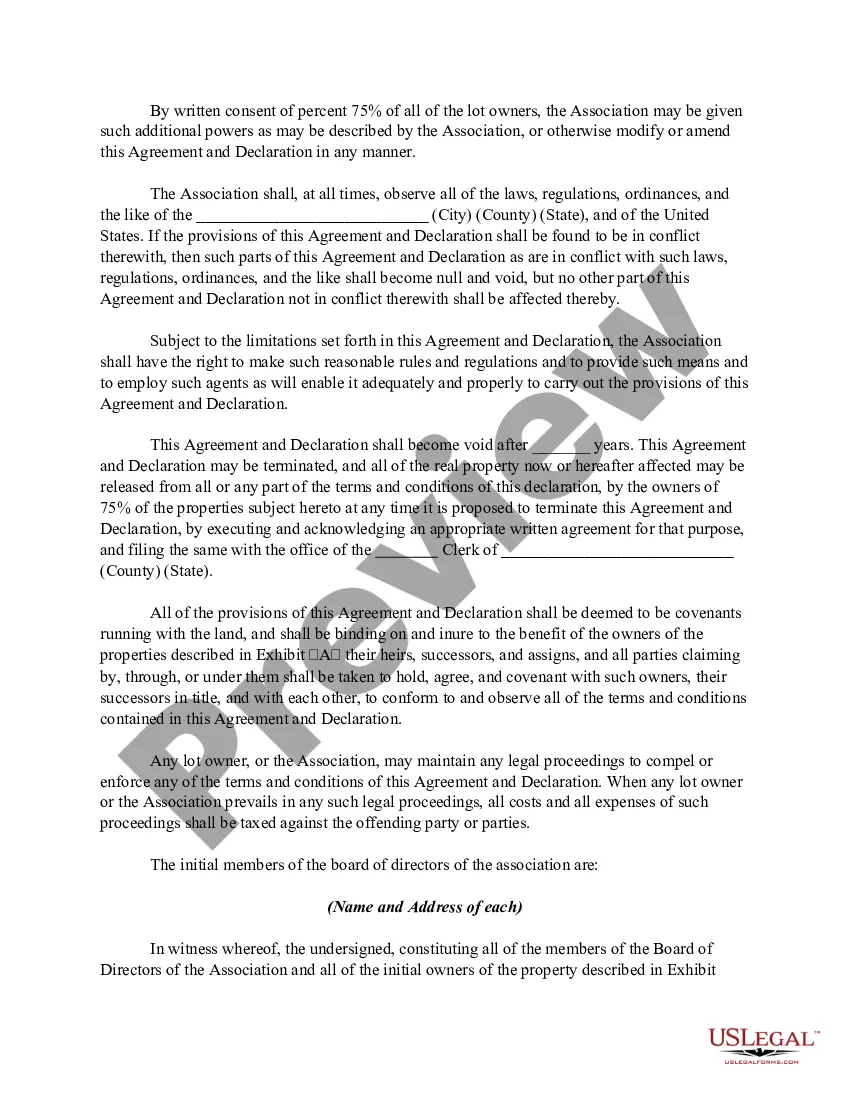
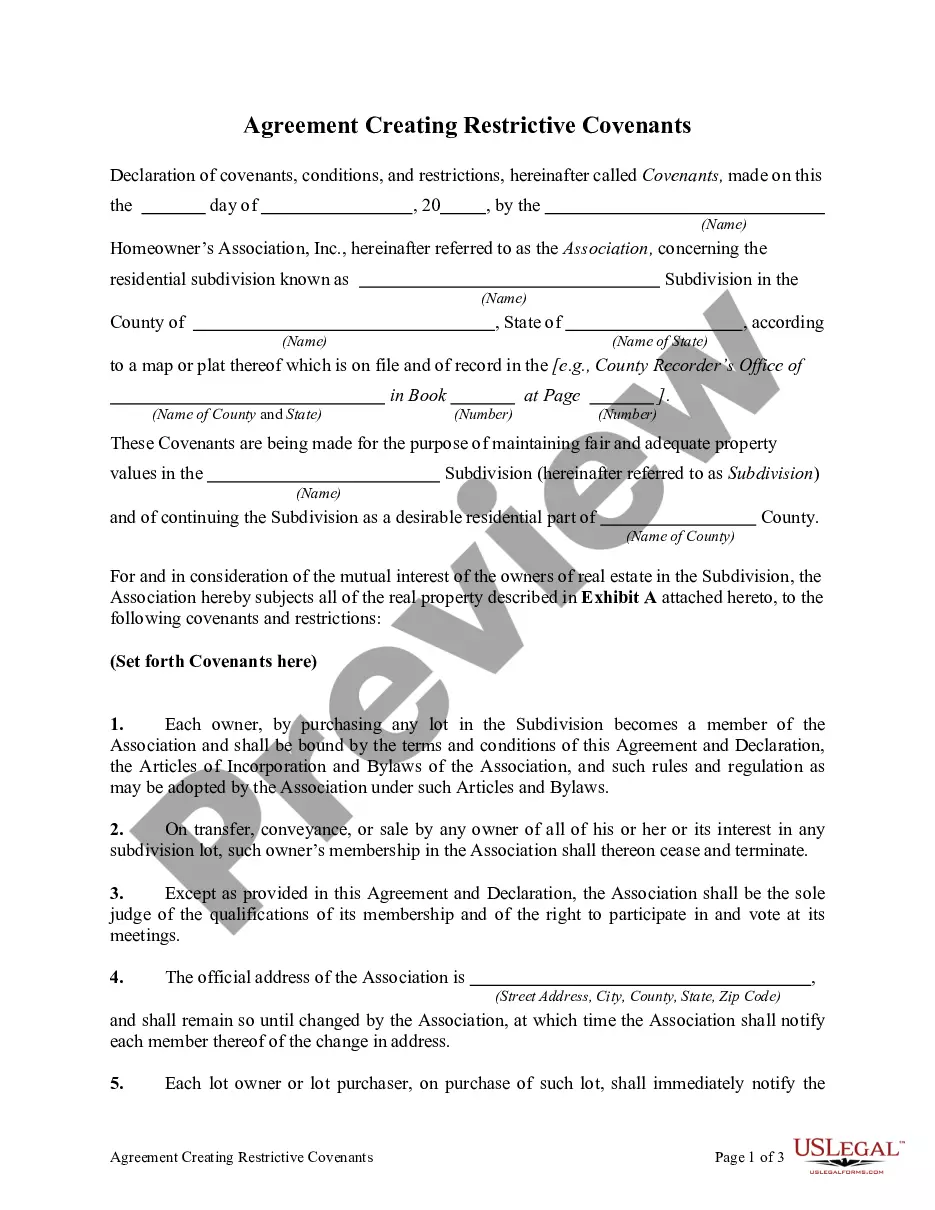
Description

Get your form ready online
Our built-in tools help you complete, sign, share, and store your documents in one place.
Make edits, fill in missing information, and update formatting in US Legal Forms—just like you would in MS Word.
Download a copy, print it, send it by email, or mail it via USPS—whatever works best for your next step.
Sign and collect signatures with our SignNow integration. Send to multiple recipients, set reminders, and more. Go Premium to unlock E-Sign.
If this form requires notarization, complete it online through a secure video call—no need to meet a notary in person or wait for an appointment.
We protect your documents and personal data by following strict security and privacy standards.

Make edits, fill in missing information, and update formatting in US Legal Forms—just like you would in MS Word.

Download a copy, print it, send it by email, or mail it via USPS—whatever works best for your next step.

Sign and collect signatures with our SignNow integration. Send to multiple recipients, set reminders, and more. Go Premium to unlock E-Sign.

If this form requires notarization, complete it online through a secure video call—no need to meet a notary in person or wait for an appointment.

We protect your documents and personal data by following strict security and privacy standards.
Looking for another form?




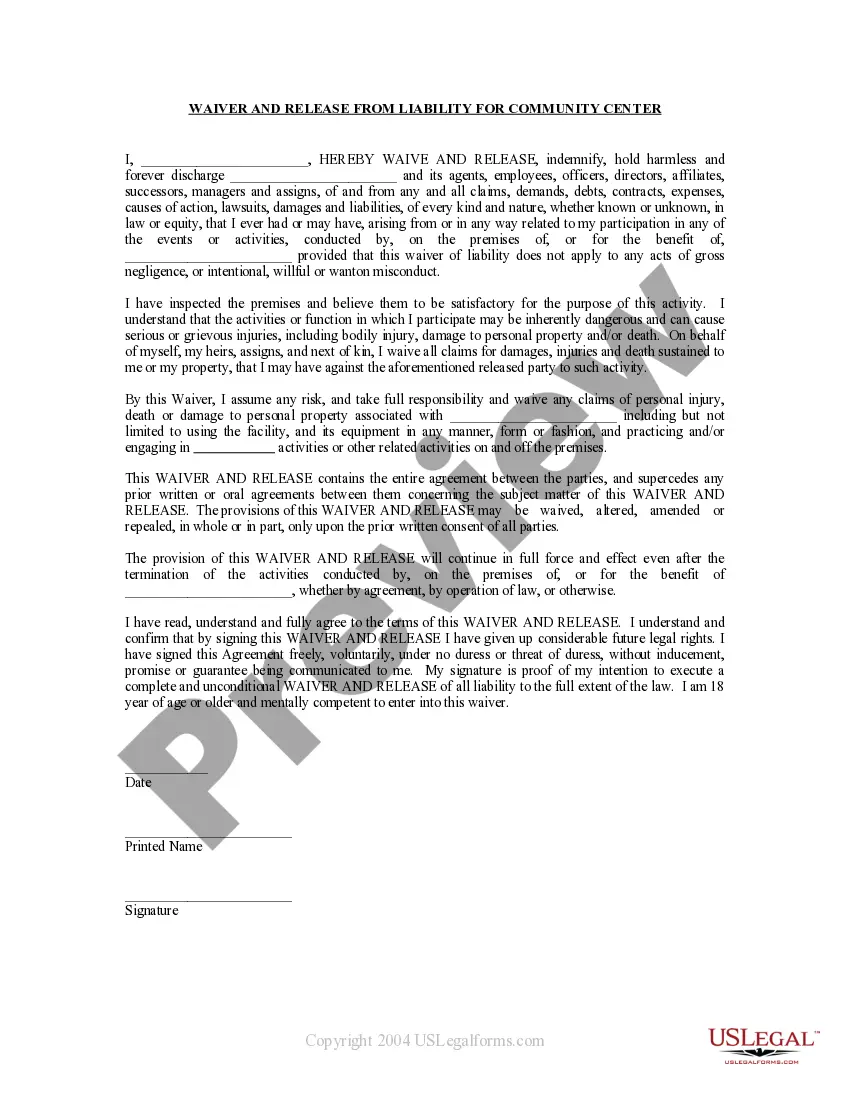
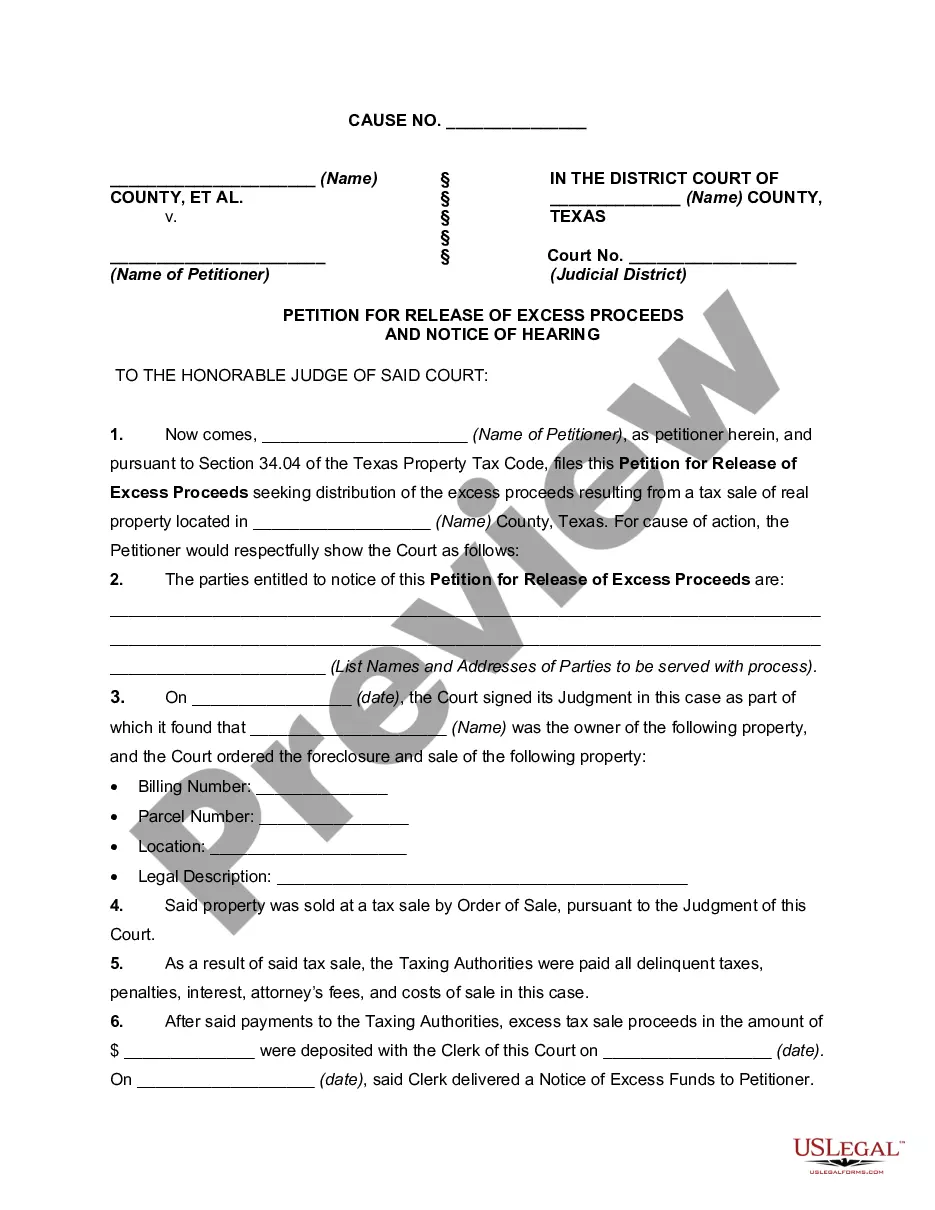



How to fill out Agreement Creating Restrictive Covenants?
It’s clear that you cannot transform into a legal expert instantly, nor can you understand how to swiftly prepare Covenant And Agreement without having a designated skill set.
Assembling legal documents is a lengthy task that necessitates specific education and expertise. So why not entrust the formation of the Covenant And Agreement to the specialists.
With US Legal Forms, one of the most extensive libraries of legal templates, you can find everything from court documents to templates for workplace correspondence.
You can revisit your forms from the My documents section at any time. If you’re an existing client, you can effortlessly Log In, and find and download the template from that same section.
Regardless of the purpose of your documents—whether financial, legal, or personal—our website can assist you. Give US Legal Forms a try today!
- Retrieve the form you are looking for by utilizing the search bar located at the top of the webpage.
- View it (if this feature is available) and examine the supplementary description to determine if Covenant And Agreement is suitable for your needs.
- Start your search again if you require any additional forms.
- Create a free account and select a subscription plan to purchase the template.
- Click Buy now. Once the payment process is finished, you can download the Covenant And Agreement, complete it, print it, and mail it to the necessary individuals or entities.
Form popularity
FAQ
A covenant and agreement refer to a mutual understanding between parties that establishes commitments and responsibilities. This can often involve legal obligations that both parties are expected to honor. Essentially, while a covenant emphasizes a deeper promise, an agreement outlines the terms of that promise. Understanding these concepts can help clarify expectations in personal and business transactions.
An example of a contractual covenant is a non-compete agreement. Examples of common covenants in property law include agreements not to build a fence or agreements to maintain a shared driveway.
Note that a covenant is a contractual phenomenon, not a condition to the use and ownership of the land. Therefore, if a real covenant is breached, the aggrieved party can sue for damages arising from the breach of the covenant.
The primary remedy for breach of a restrictive covenant is a permanent injunction to restrain the breach. However, the courts have jurisdiction to award damages instead of an injunction.
A property covenant is an agreement between two or more parties regarding certain use of a piece of real property. The covenant will either benefit or burden the landowner. A covenant that burdens the landowner is also called a restrictive covenant.