Covenants Deal With In Chicago
Description

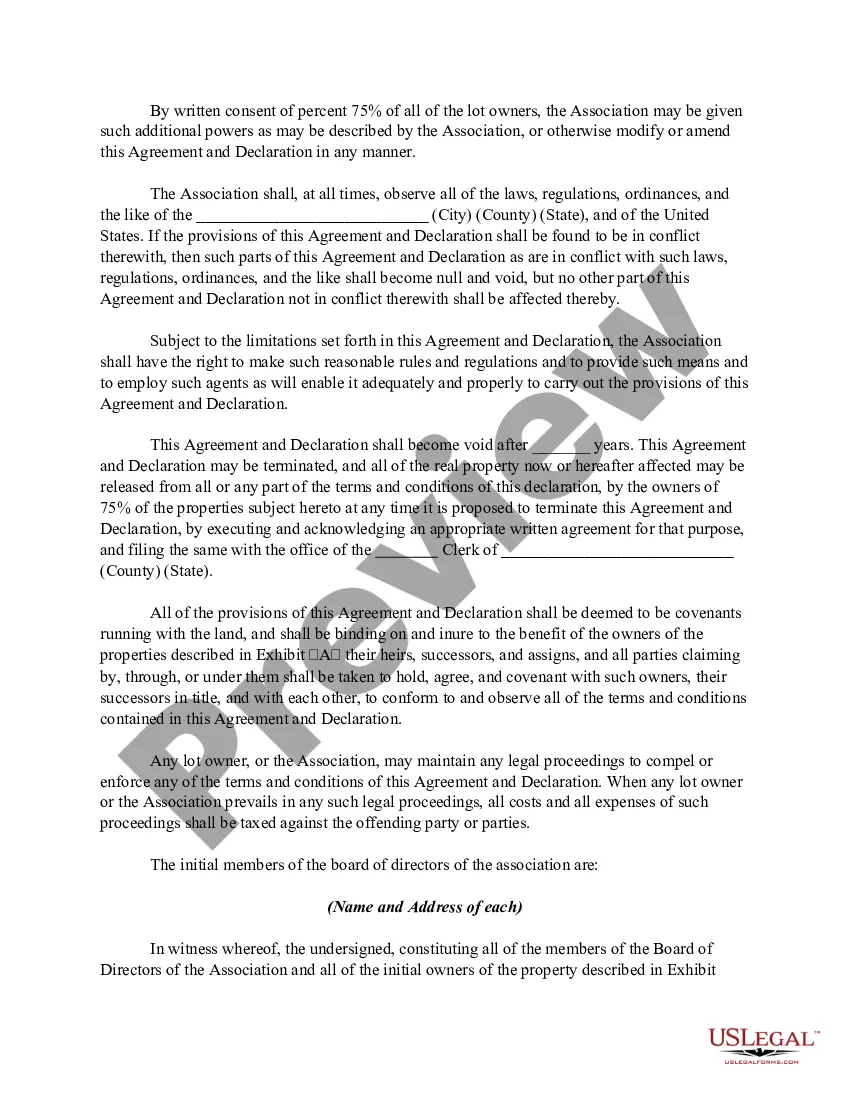
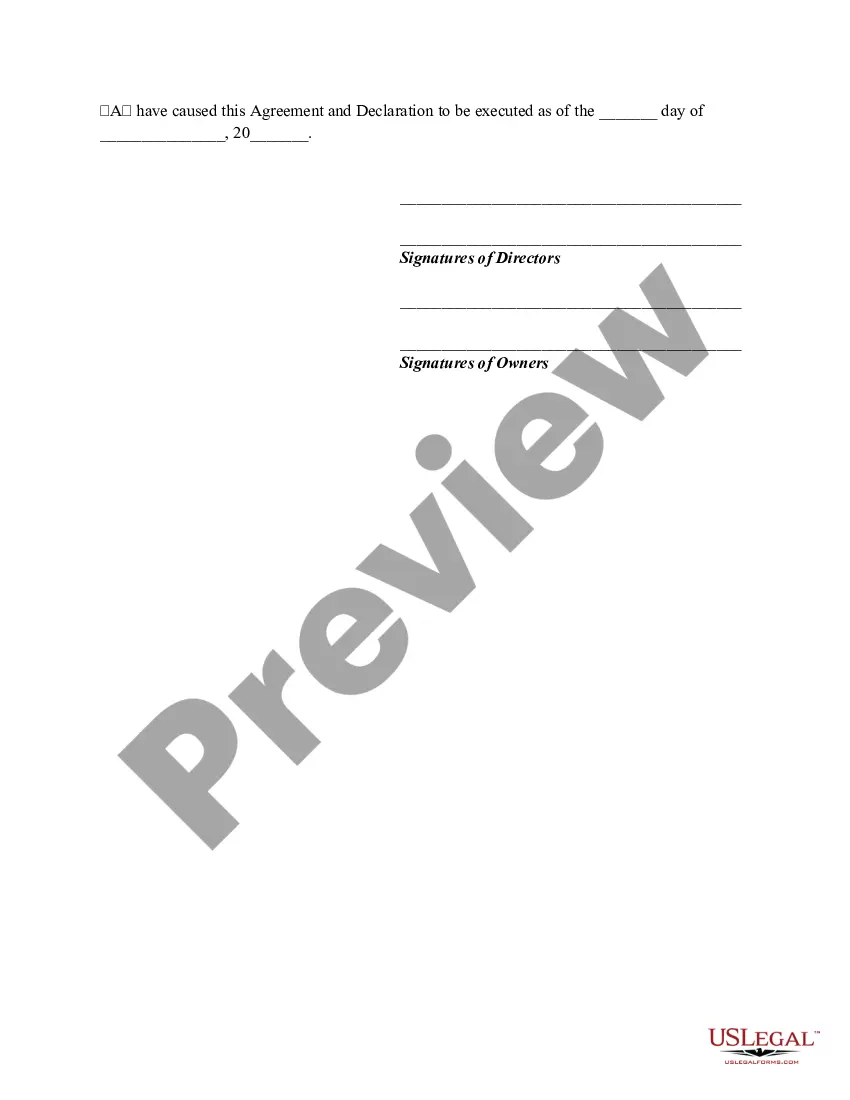
Get your form ready online
Our built-in tools help you complete, sign, share, and store your documents in one place.
Make edits, fill in missing information, and update formatting in US Legal Forms—just like you would in MS Word.
Download a copy, print it, send it by email, or mail it via USPS—whatever works best for your next step.
Sign and collect signatures with our SignNow integration. Send to multiple recipients, set reminders, and more. Go Premium to unlock E-Sign.
If this form requires notarization, complete it online through a secure video call—no need to meet a notary in person or wait for an appointment.
We protect your documents and personal data by following strict security and privacy standards.

Make edits, fill in missing information, and update formatting in US Legal Forms—just like you would in MS Word.

Download a copy, print it, send it by email, or mail it via USPS—whatever works best for your next step.

Sign and collect signatures with our SignNow integration. Send to multiple recipients, set reminders, and more. Go Premium to unlock E-Sign.

If this form requires notarization, complete it online through a secure video call—no need to meet a notary in person or wait for an appointment.

We protect your documents and personal data by following strict security and privacy standards.
Looking for another form?





Form popularity
FAQ
Employers often include in employment contracts what are referred to as “restrictive covenants.” This term is generally used to describe two main types of contractual clause: the non-solicitation clause and the non-compete clause.
Thus, to be enforceable under Illinois law, an employee restrictive covenant must be (1) necessary to protect a legitimate business interest, (2) limited in terms of duration, geographic scope, and prohibited activity, (3) supported by sufficient consideration, and (4) ancillary to a valid employment agreement or sale ...
Today, we're focusing on Chicago — the country's third largest (and one of the most diverse) cities, and a city that has been a blueprint for housing segregation. While the discriminatory practice of racial redlining was officially outlawed in 1968, the practice still reverberates throughout the city today.
Some of the most common restrictive covenants include: Alterations and extensions to the building. Changes to the use of a property, for example, converting a building into flats or turning a house into business premises. Rent and lease restrictions. Limitations on pets. Limitations on home colour.
Final answer: Restrictive covenants covered approximately 80% of Chicago in 1938, greatly impacting African-American residents who faced segregation and limited housing options.
Despite the city's first settler, Jean-Baptiste Point DuSable, being of Haitian descent, Chicago's infamous segregation is still intact, and it joins a list of large cities with similar rates of racial polarization, such as Cleveland, Newark, Philadelphia, and Houston.
Racially restrictive covenants and deed restrictions were legal instruments used to promote racial segregation in the first half of the twentieth century. They were first created and deployed by individuals, but then were embraced by real estate leaders and economists, who led national organizations based in Chicago.
A restrictive covenant is a contract between 2 landowners. One landowner promises the other landowner not to carry out certain acts on their own land. Restrictive covenants usually happen when somebody selling land wishes to restrict what the buyer can do with it.
Thus, to be enforceable under Illinois law, an employee restrictive covenant must be (1) necessary to protect a legitimate business interest, (2) limited in terms of duration, geographic scope, and prohibited activity, (3) supported by sufficient consideration, and (4) ancillary to a valid employment agreement or sale ...
A covenant is a formal agreement or promise , usually included in a contract or deed , to do or not do a particular act.
