Restrictive Covenants For Independent Contractor In California
Description

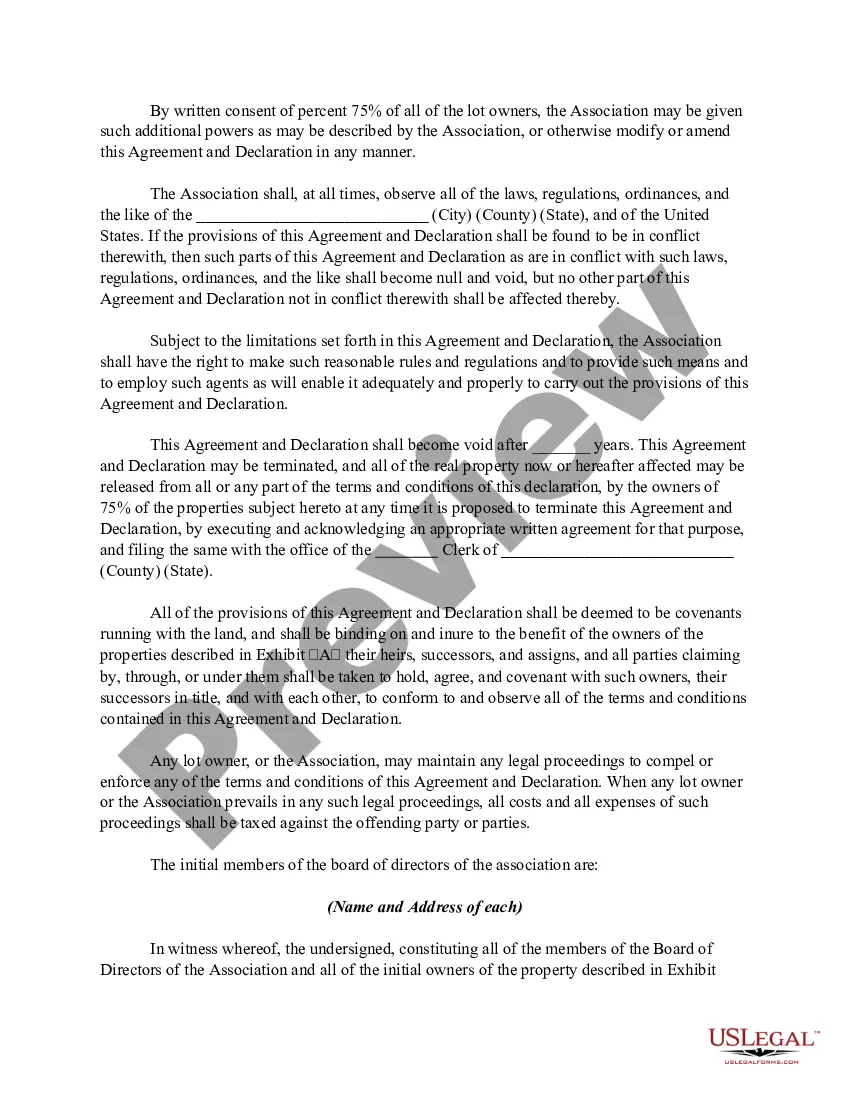
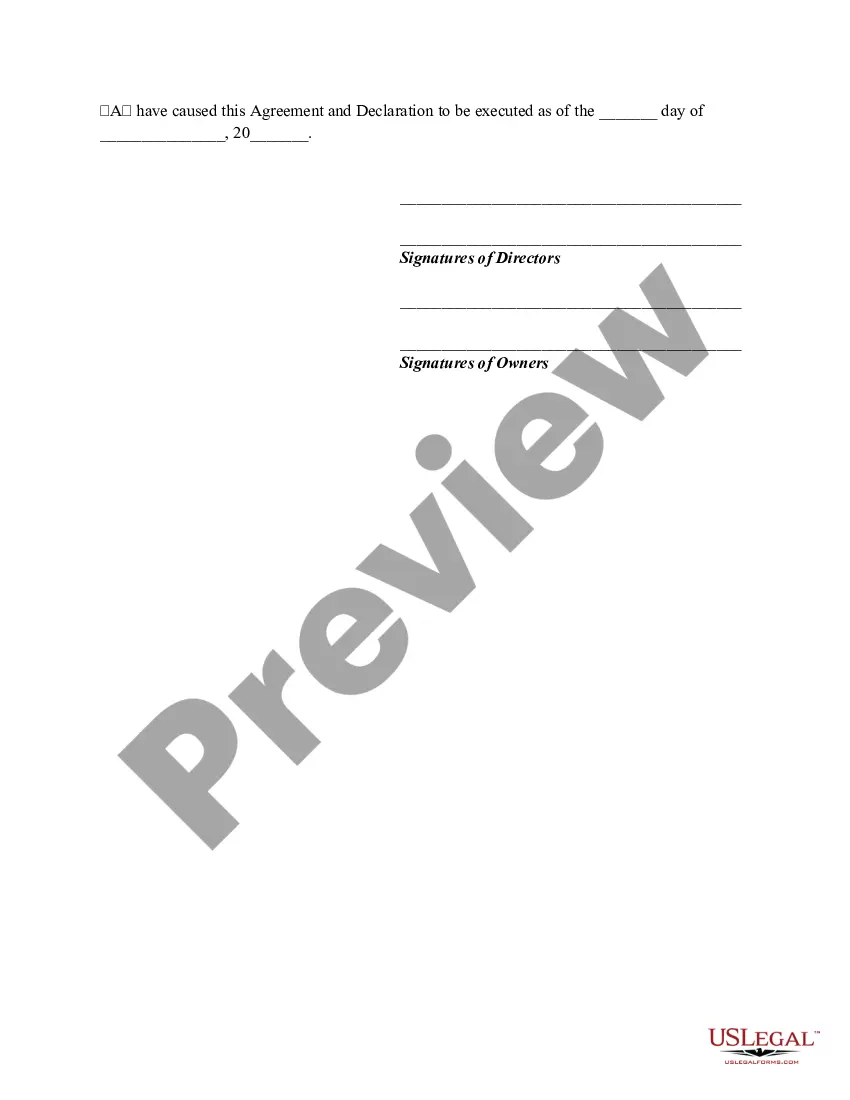
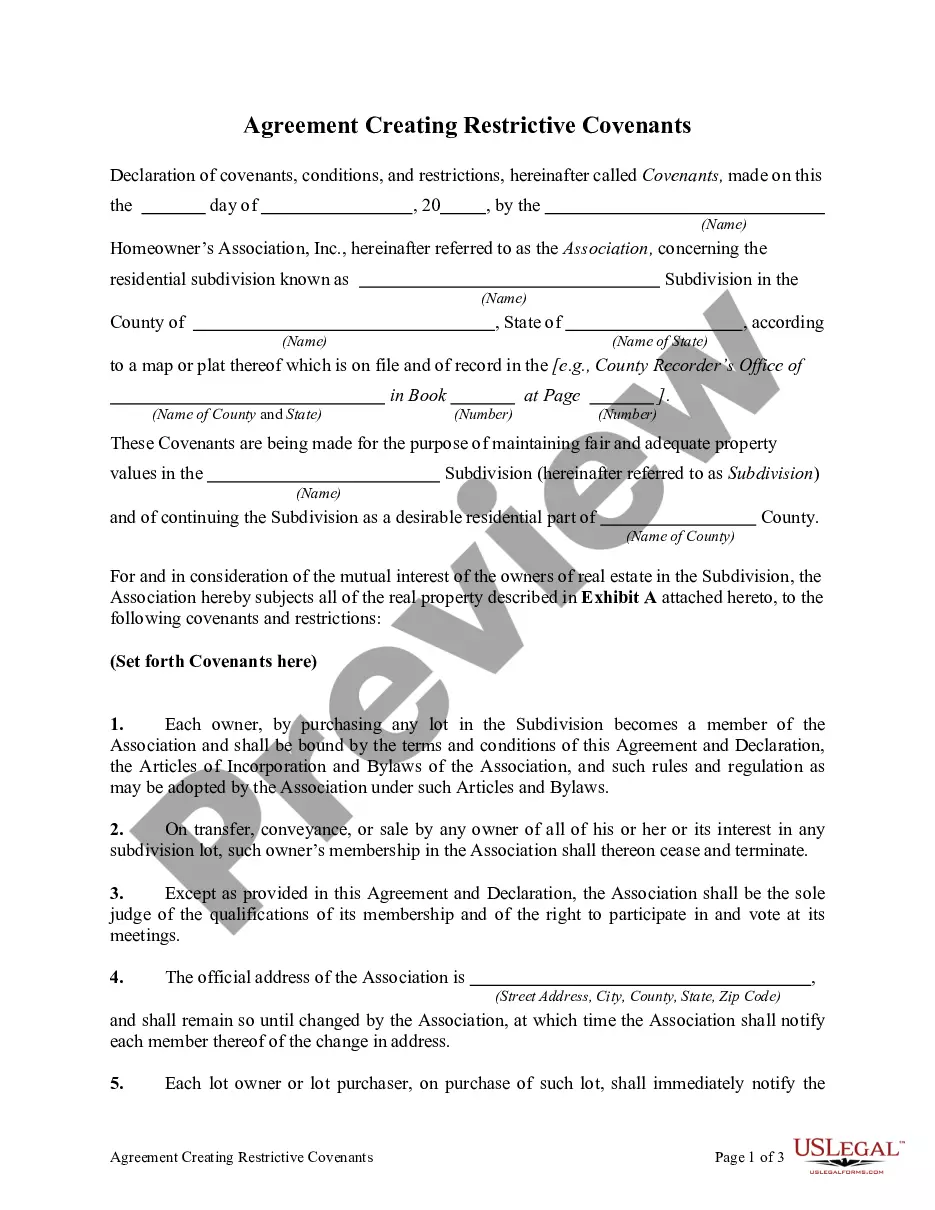
Get your form ready online
Our built-in tools help you complete, sign, share, and store your documents in one place.
Make edits, fill in missing information, and update formatting in US Legal Forms—just like you would in MS Word.
Download a copy, print it, send it by email, or mail it via USPS—whatever works best for your next step.
Sign and collect signatures with our SignNow integration. Send to multiple recipients, set reminders, and more. Go Premium to unlock E-Sign.
If this form requires notarization, complete it online through a secure video call—no need to meet a notary in person or wait for an appointment.
We protect your documents and personal data by following strict security and privacy standards.

Make edits, fill in missing information, and update formatting in US Legal Forms—just like you would in MS Word.

Download a copy, print it, send it by email, or mail it via USPS—whatever works best for your next step.

Sign and collect signatures with our SignNow integration. Send to multiple recipients, set reminders, and more. Go Premium to unlock E-Sign.

If this form requires notarization, complete it online through a secure video call—no need to meet a notary in person or wait for an appointment.

We protect your documents and personal data by following strict security and privacy standards.
Looking for another form?









Form popularity
FAQ
California Business and Professions Code § 16600.5 states that a void non-compete under California law is “unenforceable regardless of where and when the contract was signed.” It also prohibits employers from enforcing a void provision “regardless of whether the contract was signed and the employment was maintained ...
11 - What difference does it make if a worker is an employee rather than an independent contractor? California's wage and hour laws (e.g., minimum wage, overtime, meal periods and rest breaks, etc.), workplace safety laws, unemployment insurance, and retaliation laws protect employees, but not independent contractors.
Recently, Governor Gavin Newsom signed two bills into law that amend the California Business and Professions Code to further strengthen California's laws against restrictive covenants. Effective January 1, 2024, the ban on virtually all non-compete clauses is now codified.
As with many things, however, California is different. California law explicitly voids all non-compete agreements for employees and independent contractors. These agreements are simply not enforceable, no matter how reasonable they may seem.
The broad language of BPC §16600 encompasses a wide range of individuals and entities. Employees, freelancers, independent contractors, and even business owners fall under its protection.
Under California law, many non-compete agreements are automatically void. Evaluate whether your non-compete agreement falls under the general prohibition of California Business and Professions Code Section 16600. If the agreement was executed after January 1, 2024, it is likely void under AB 1076.
The broad language of BPC §16600 encompasses a wide range of individuals and entities. Employees, freelancers, independent contractors, and even business owners fall under its protection.
Three Exceptions To a California Non-Compete to Consider Non-competes can be permitted under three exceptions. Exception #1: If the employee sells business goodwill. #2: If the business owner sells their business interest. #3: If the business owner sells all operating and goodwill assets.
Traditionally, independent contractors in California have the rights to decide when and where they work, set their own fees, have multiple clients, have their own tools/materials, provide skills or expertise that is not part of a company's usual repertoire, etc.
