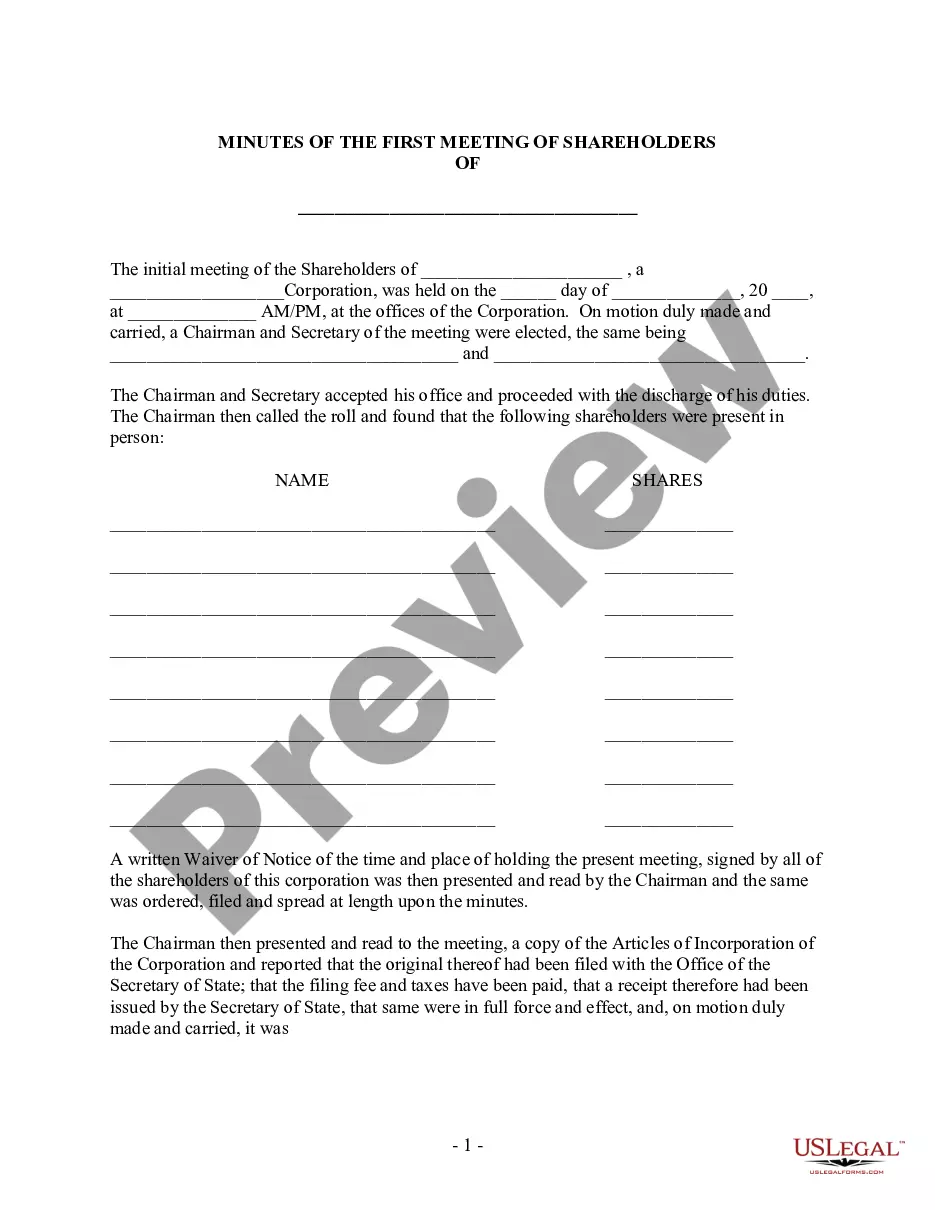
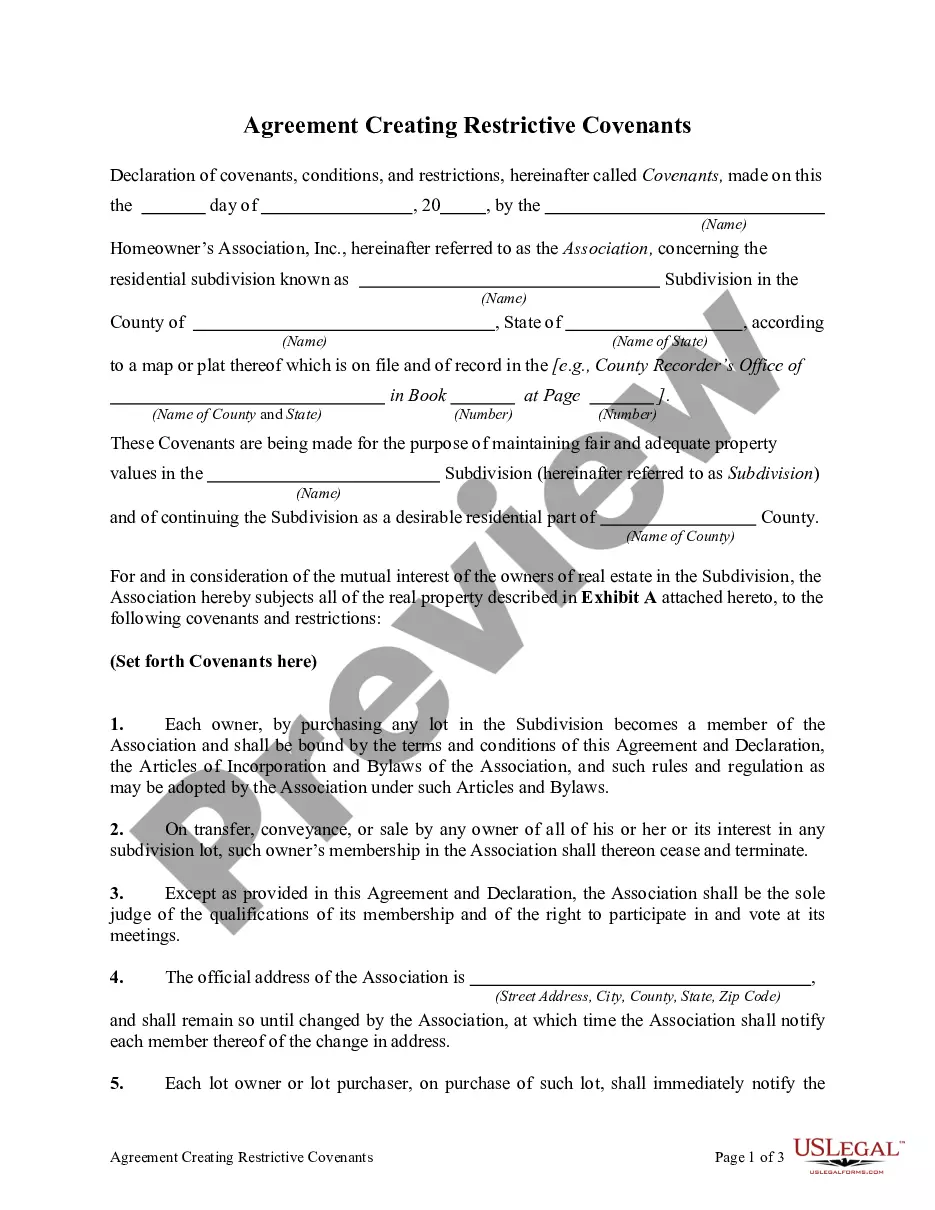
Covenant And Agreement Difference In Bronx
Description

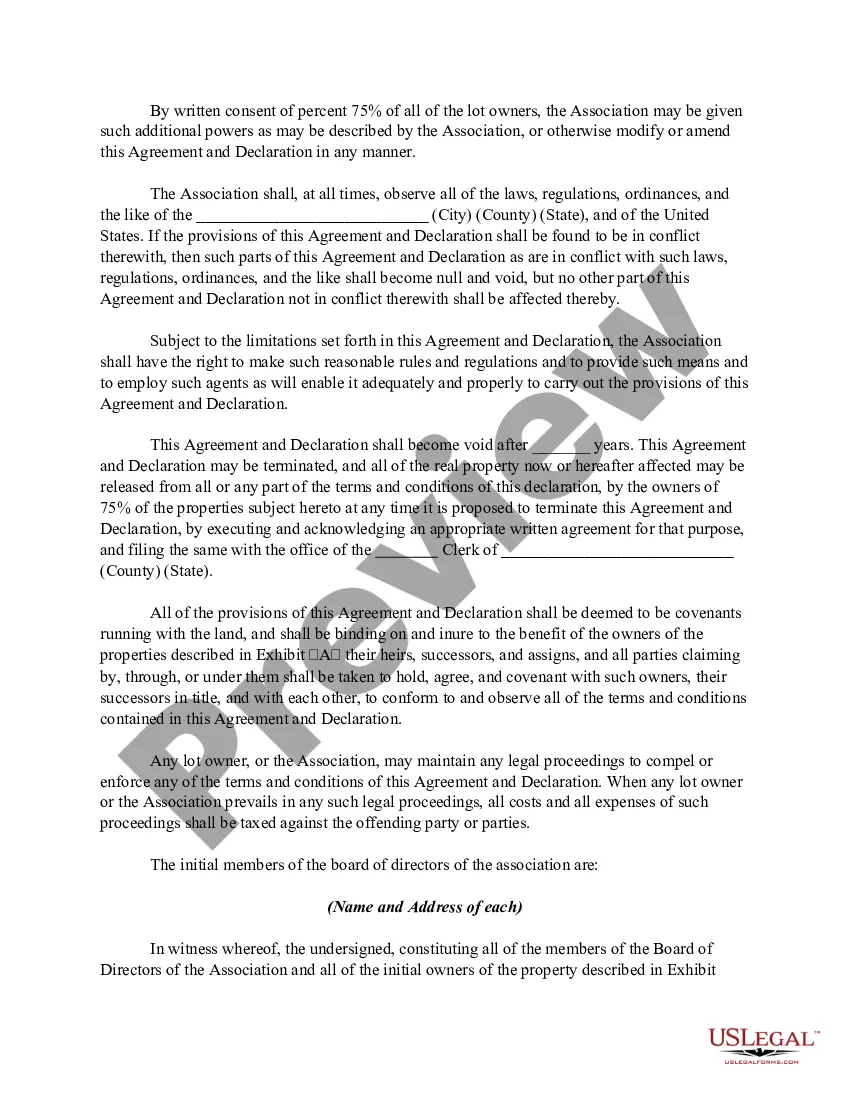
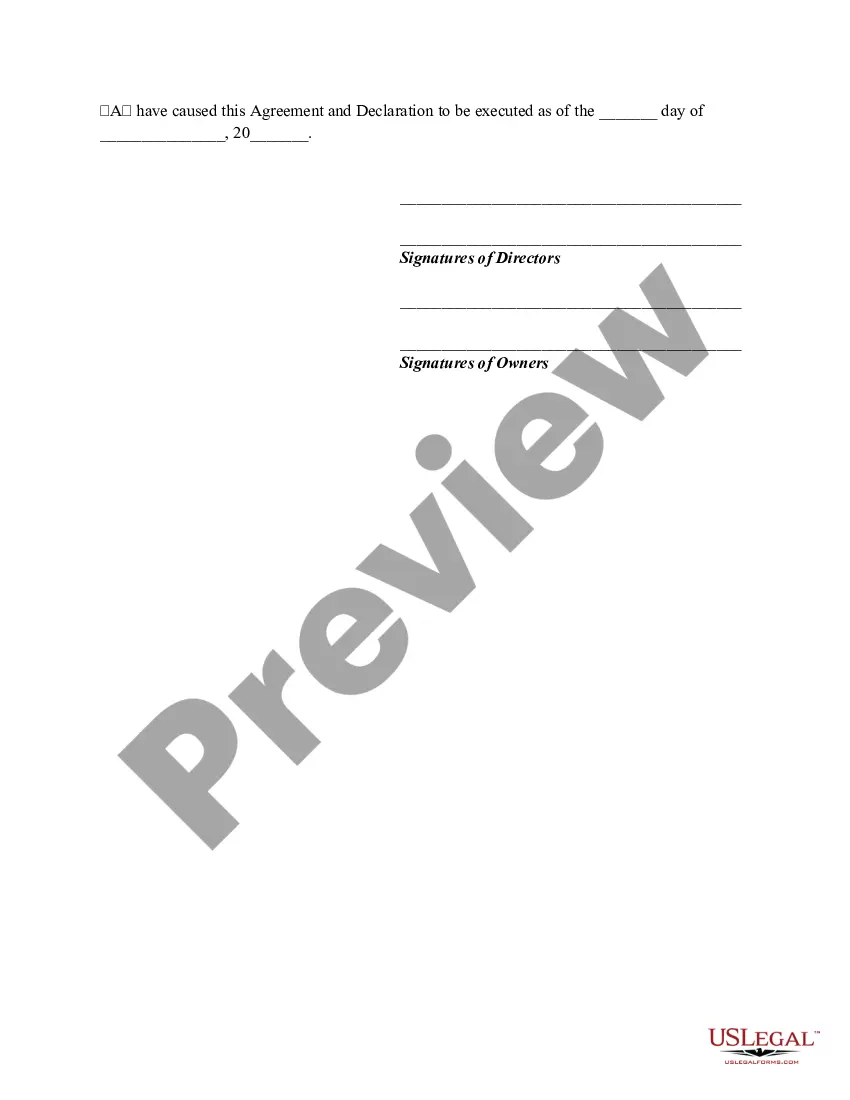
Get your form ready online
Our built-in tools help you complete, sign, share, and store your documents in one place.
Make edits, fill in missing information, and update formatting in US Legal Forms—just like you would in MS Word.
Download a copy, print it, send it by email, or mail it via USPS—whatever works best for your next step.
Sign and collect signatures with our SignNow integration. Send to multiple recipients, set reminders, and more. Go Premium to unlock E-Sign.
If this form requires notarization, complete it online through a secure video call—no need to meet a notary in person or wait for an appointment.
We protect your documents and personal data by following strict security and privacy standards.

Make edits, fill in missing information, and update formatting in US Legal Forms—just like you would in MS Word.

Download a copy, print it, send it by email, or mail it via USPS—whatever works best for your next step.

Sign and collect signatures with our SignNow integration. Send to multiple recipients, set reminders, and more. Go Premium to unlock E-Sign.

If this form requires notarization, complete it online through a secure video call—no need to meet a notary in person or wait for an appointment.

We protect your documents and personal data by following strict security and privacy standards.
Looking for another form?








Form popularity
FAQ
Legally, there is no difference between a treaty, a convention or a covenant. All are international legal instruments which, in international law, legally bind those States that choose to accept the obligations contained in them by becoming a party in ance with the final clauses of these instruments.
In order for a promise to be binding, there must be an acceptance of that promise/offer, and consideration exchanged. When these elements are combined, a contract is created, and a contract is a binding agreement which compels parties to fulfill their promises or face legal repercussions.
A covenant is different than a contract, it's the mutual binding of lives together. Rather than something that protects its own interest from the other, it builds a new thing alongside one another.
Whereas two parties sign a contract, with covenants, two parties exchange promises. The big difference is even though a commitment is asked of the other party, their fulfillment of this commitment does not affect the covenant.
A contract is an agreement between parties while a covenant is a pledge. A contract is an agreement you can break while a covenant is a perpetual promise. You seal a covenant while you sign a contract. A contract is a mutually beneficial relationship while a covenant is something you fulfill.
A contract is an agreement between parties while a covenant is a pledge. A contract is an agreement you can break while a covenant is a perpetual promise. You seal a covenant while you sign a contract. A contract is a mutually beneficial relationship while a covenant is something you fulfill.
A contract usually specifies a part of a person's property or services. A covenant involves a person's total being, which in marriage means a commitment that extends beyond performance, health issues, and financial prosperity to a promise of lifelong fidelity.
Contracts involve mutual surrenders of rights. Covenants are the most important case of contracts because they involve promises of future action. It is the covenant itself that is supposed to make the difference between the performance of the action and its non-performance.
A covenant is fundamentally not a self-centered agreement. Sixth, a covenant entails holiness while a contract does not. Because marriage is a covenant, marriage is holy. That's why we refer to marriage as “holy matrimony.” To say your mate is “holy” doesn't mean that he or she is perfect.
A covenant not to sue is a legal agreement in which the party seeking damages agrees not to sue the party that it has a cause against. Covenants not to sue are used to settle specific legal issues outside of the court system.