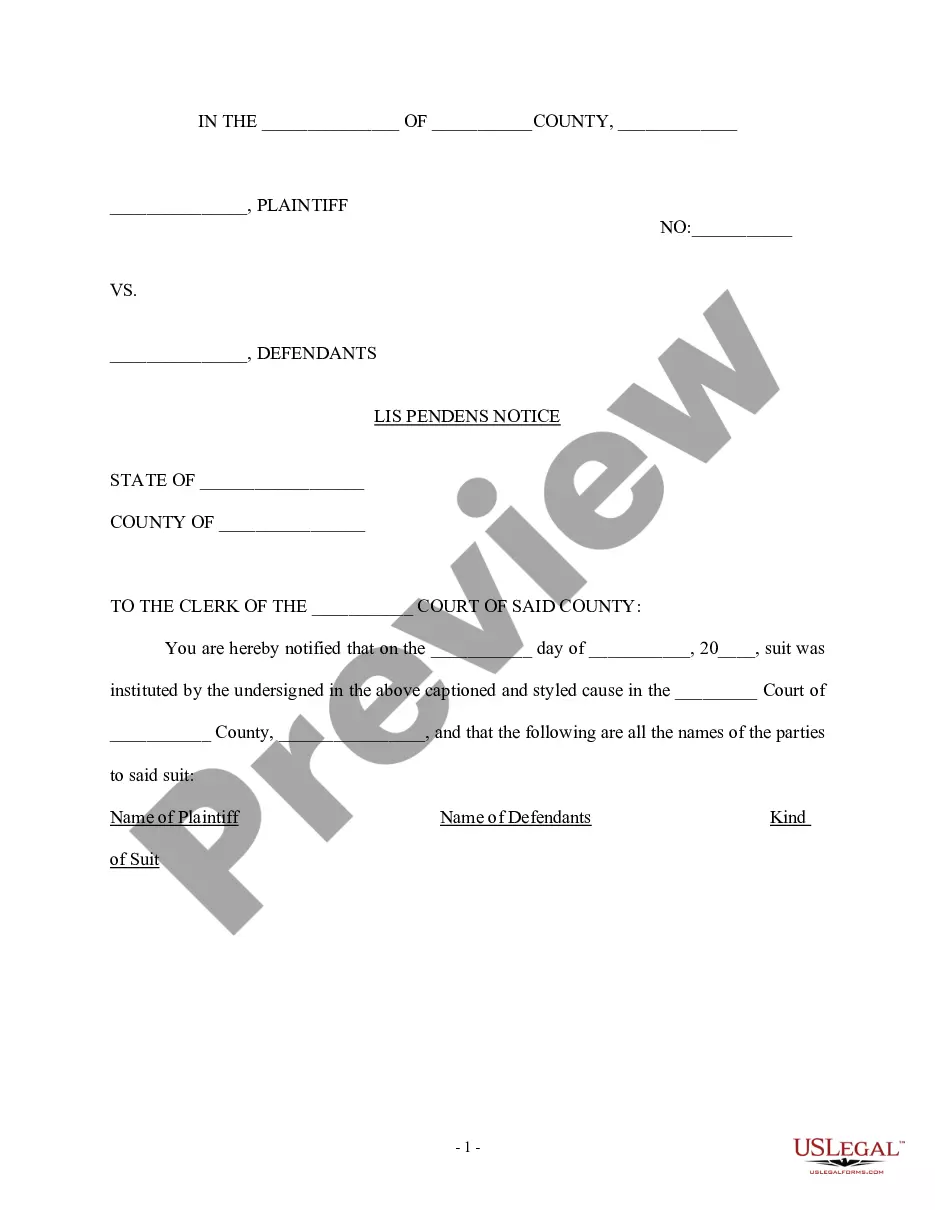
Registering A Lis Pendens In The Registry Of Deeds In Oakland
Description

Get your form ready online
Our built-in tools help you complete, sign, share, and store your documents in one place.
Make edits, fill in missing information, and update formatting in US Legal Forms—just like you would in MS Word.
Download a copy, print it, send it by email, or mail it via USPS—whatever works best for your next step.
Sign and collect signatures with our SignNow integration. Send to multiple recipients, set reminders, and more. Go Premium to unlock E-Sign.
If this form requires notarization, complete it online through a secure video call—no need to meet a notary in person or wait for an appointment.
We protect your documents and personal data by following strict security and privacy standards.

Make edits, fill in missing information, and update formatting in US Legal Forms—just like you would in MS Word.

Download a copy, print it, send it by email, or mail it via USPS—whatever works best for your next step.

Sign and collect signatures with our SignNow integration. Send to multiple recipients, set reminders, and more. Go Premium to unlock E-Sign.

If this form requires notarization, complete it online through a secure video call—no need to meet a notary in person or wait for an appointment.

We protect your documents and personal data by following strict security and privacy standards.
Looking for another form?









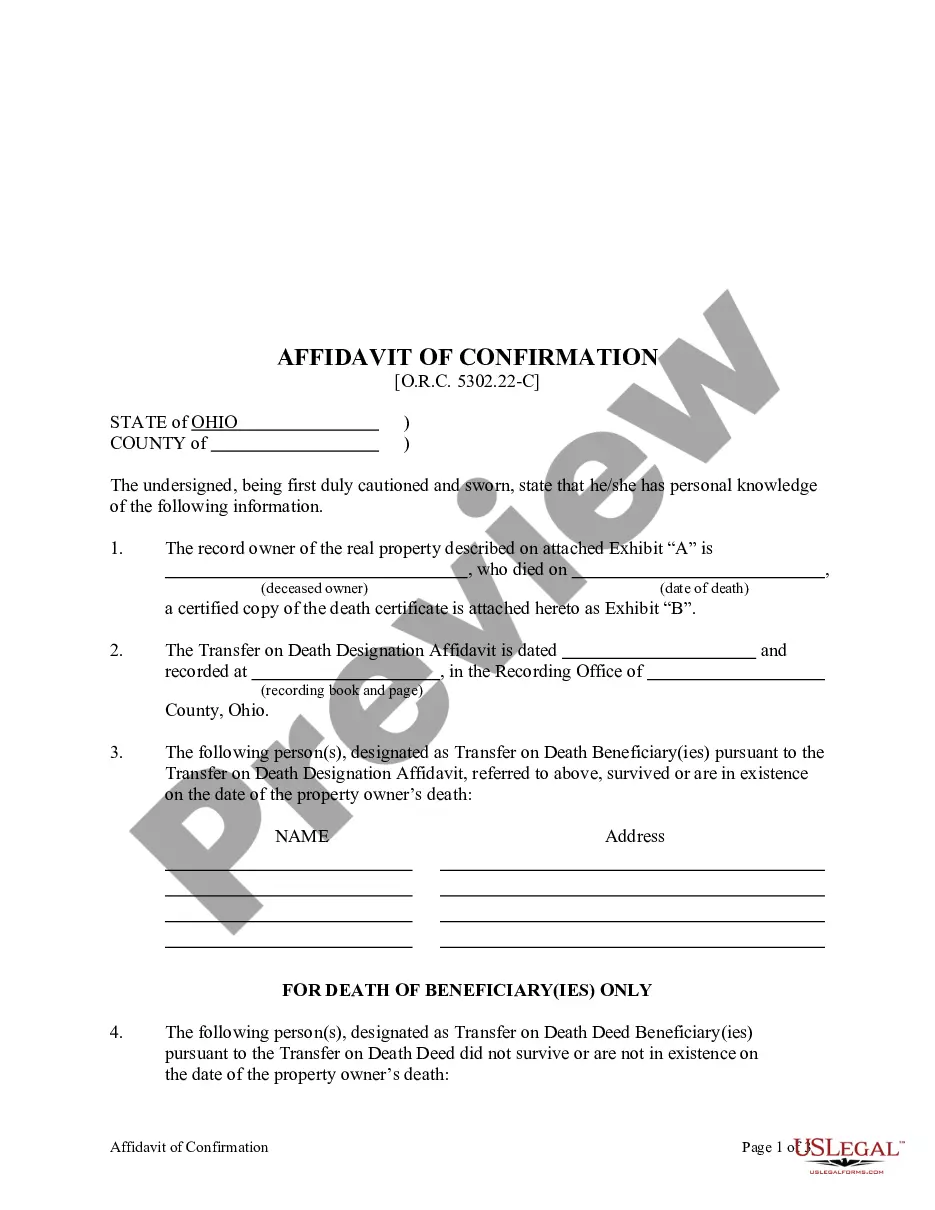
Form popularity
FAQ
The documents must be notarized with the notary showing their printed name, county/state of commission and expiration date. After March 4, 2002, no witness are required, only a notary.
RECORDING REQUIREMENTS Documents must have all original signatures and the names must be printed, stamped, or typed beneath the signatures. Documents executed in Michigan which convey or encumber real estate require a notary's acknowledgment.
If the deed is not recorded, the party holding the deed may not be recognized under the law as the legal property owner to third parties, though the deed may be legally effective to transfer the property from the grantor to the grantee.
About the Register of Deeds After a document is recorded, it becomes a public record, which can be reviewed or copied by any person.
The property title in Michigan represents legal ownership and interest in a property. It is evidence of ownership or interest in a property. Record seekers can find property titles at the Register of Deeds Office.

