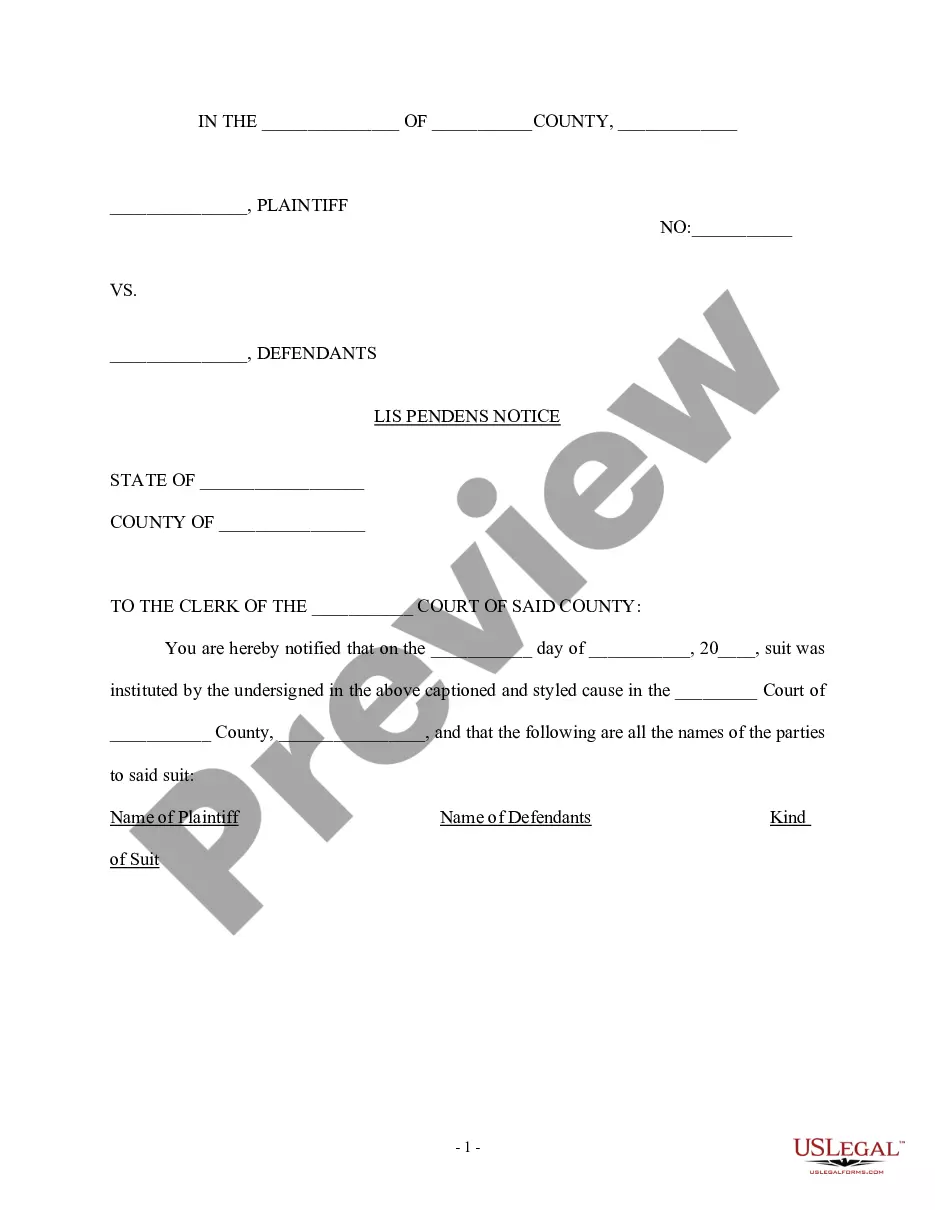
File Notice Lis Pendens Without Notice In Bexar
Description

Get your form ready online
Our built-in tools help you complete, sign, share, and store your documents in one place.
Make edits, fill in missing information, and update formatting in US Legal Forms—just like you would in MS Word.
Download a copy, print it, send it by email, or mail it via USPS—whatever works best for your next step.
Sign and collect signatures with our SignNow integration. Send to multiple recipients, set reminders, and more. Go Premium to unlock E-Sign.
If this form requires notarization, complete it online through a secure video call—no need to meet a notary in person or wait for an appointment.
We protect your documents and personal data by following strict security and privacy standards.

Make edits, fill in missing information, and update formatting in US Legal Forms—just like you would in MS Word.

Download a copy, print it, send it by email, or mail it via USPS—whatever works best for your next step.

Sign and collect signatures with our SignNow integration. Send to multiple recipients, set reminders, and more. Go Premium to unlock E-Sign.

If this form requires notarization, complete it online through a secure video call—no need to meet a notary in person or wait for an appointment.

We protect your documents and personal data by following strict security and privacy standards.
Looking for another form?







Form popularity
FAQ
Except as otherwise provided by law, a last will and testament must be: (1) in writing; (2) signed by: (A) the testator in person; or (B) another person on behalf of the testator: (i) in the testator's presence; and (ii) under the testator's direction; and (3) attested by two or more credible witnesses who are at least ...
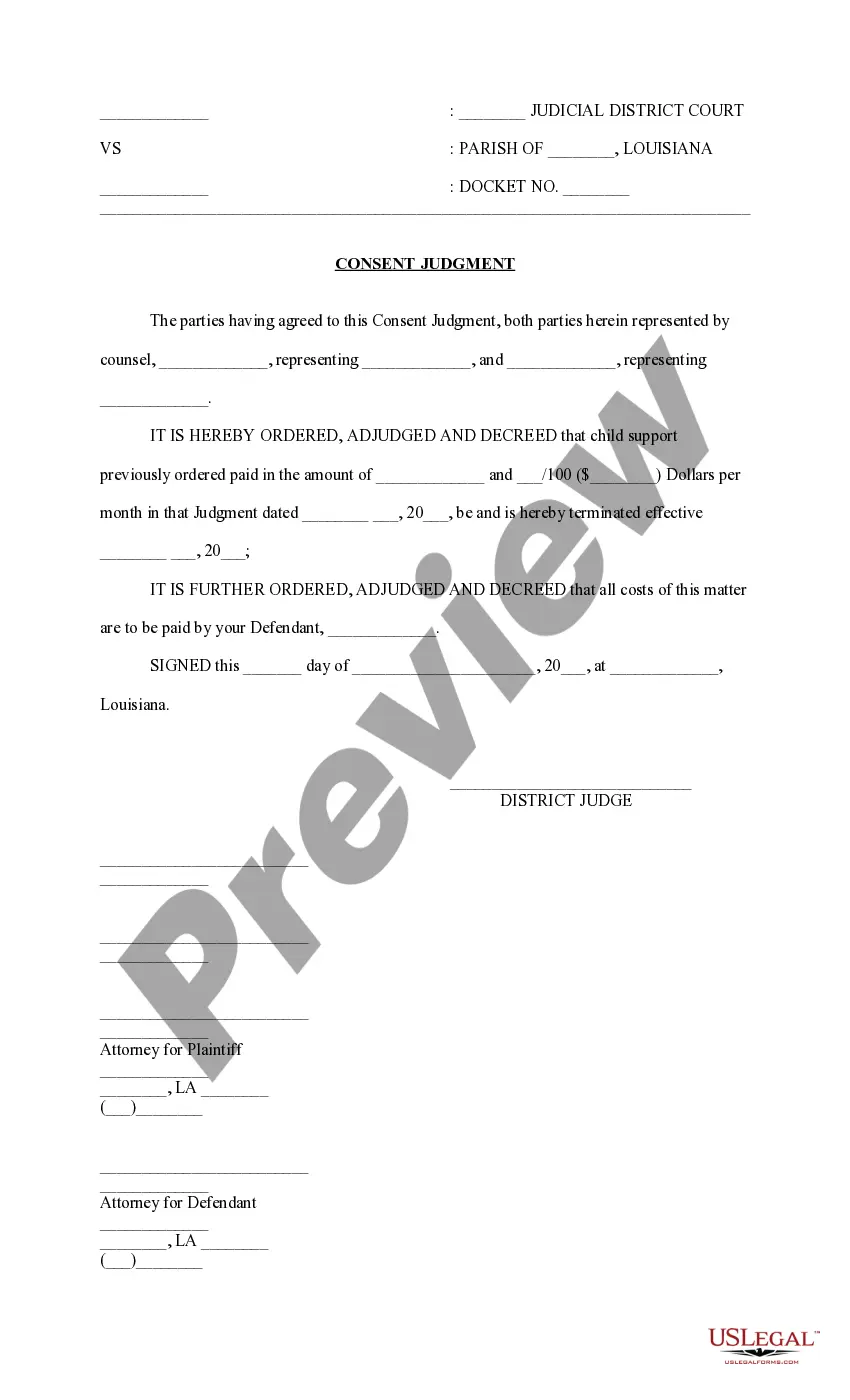
(b) The party filing a lis pendens or the party's agent or attorney shall sign the lis pendens, which must state: (1) the style and number, if any, of the proceeding; (2) the court in which the proceeding is pending; (3) the names of the parties; (4) the kind of proceeding; and (5) a description of the property ...
After a Lis Pendens is filed, it becomes part of the public record, warning anyone interested in the property that it is involved in a legal dispute. The property owner may challenge the Lis Pendens in court, seeking to have it removed if it was improperly filed.
Section 12.0071 - Motion to Expunge Lis Pendens (a) A party to an action in connection with which a notice of lis pendens has been filed may: (1) apply to the court to expunge the notice; and (2) file evidence, including declarations, with the motion to expunge the notice.
If someone has filed a Lis Pendens notice (which alerts others that there is a pending lawsuit involving a property), any party involved in the lawsuit can: Ask the court to remove the notice (e.g. Motion to Expunge). Notify all affected parties at least 20 days before the court hearing.
Section 12.002 - Liability (a) A person may not make, present, or use a document or other record with: (1) knowledge that the document or other record is a fraudulent court record or a fraudulent lien or claim against real or personal property or an interest in real or personal property; (2) intent that the document or ...
Generally speaking, a valid Texas deed must include all of the following: the names of the grantor and grantee involved in the transaction, their intent to convey the property, a sufficient description of the property to be conveyed, and it finally must be signed by the grantor and delivered to the grantee.
A Form E filing certifies that your Liability insurance complies with the state's financial responsibility laws. Form E is submitted to the department of your business's home state that regulates intrastate trucking.
Filing is now mandatory for all attorneys filing civil, family, probate, or criminal cases in the Supreme Court, Court of Criminal Appeals, Courts of Appeals, and all district and county courts. While not required, nonattorney filers are encouraged to file as well.
A lis pendens has no life of its own apart from the lawsuit that underlies it. If there is no lawsuit, there can be no valid lis pendens. “A lis pendens operates only during the pendency of the underlying suit, and only as to those matters that are involved in the suit.

