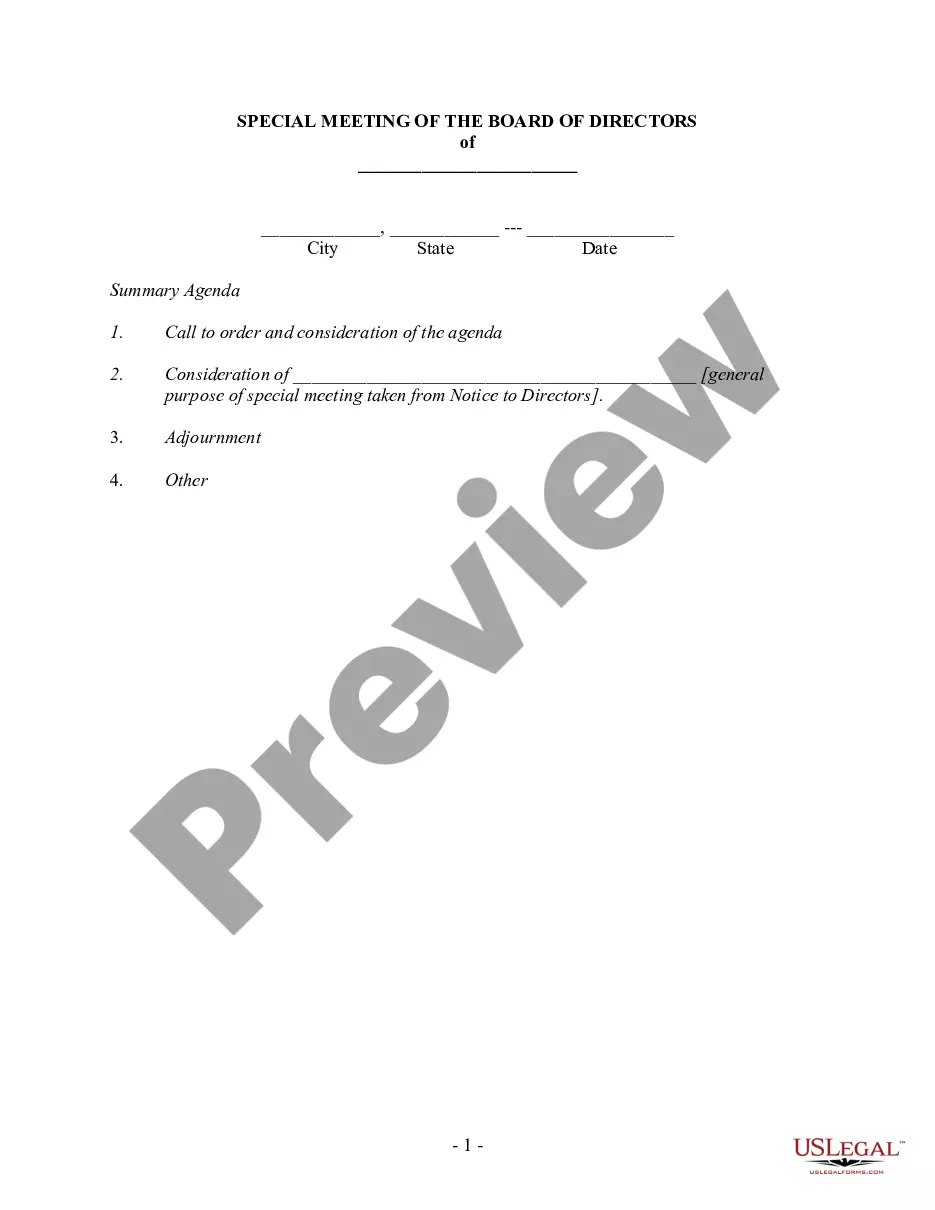
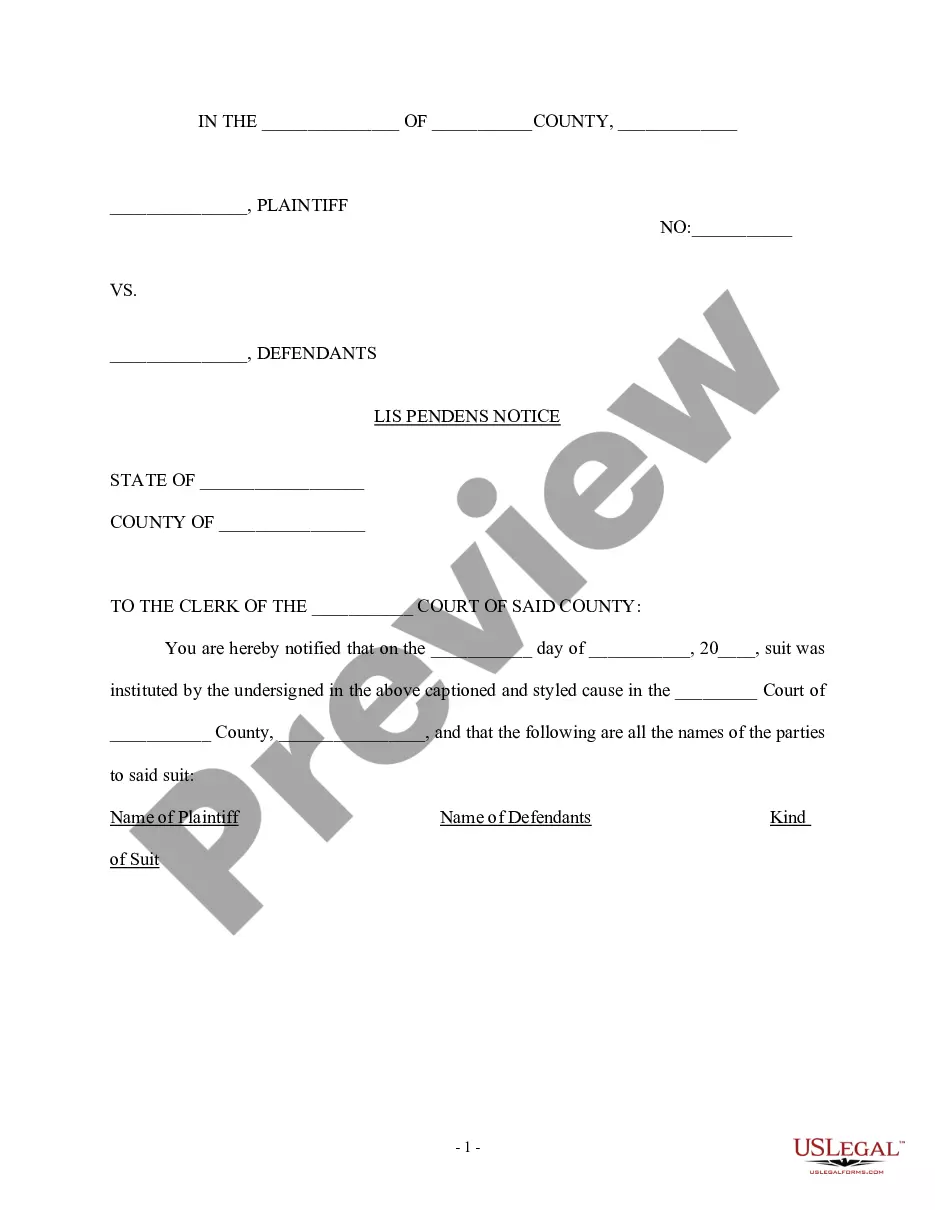
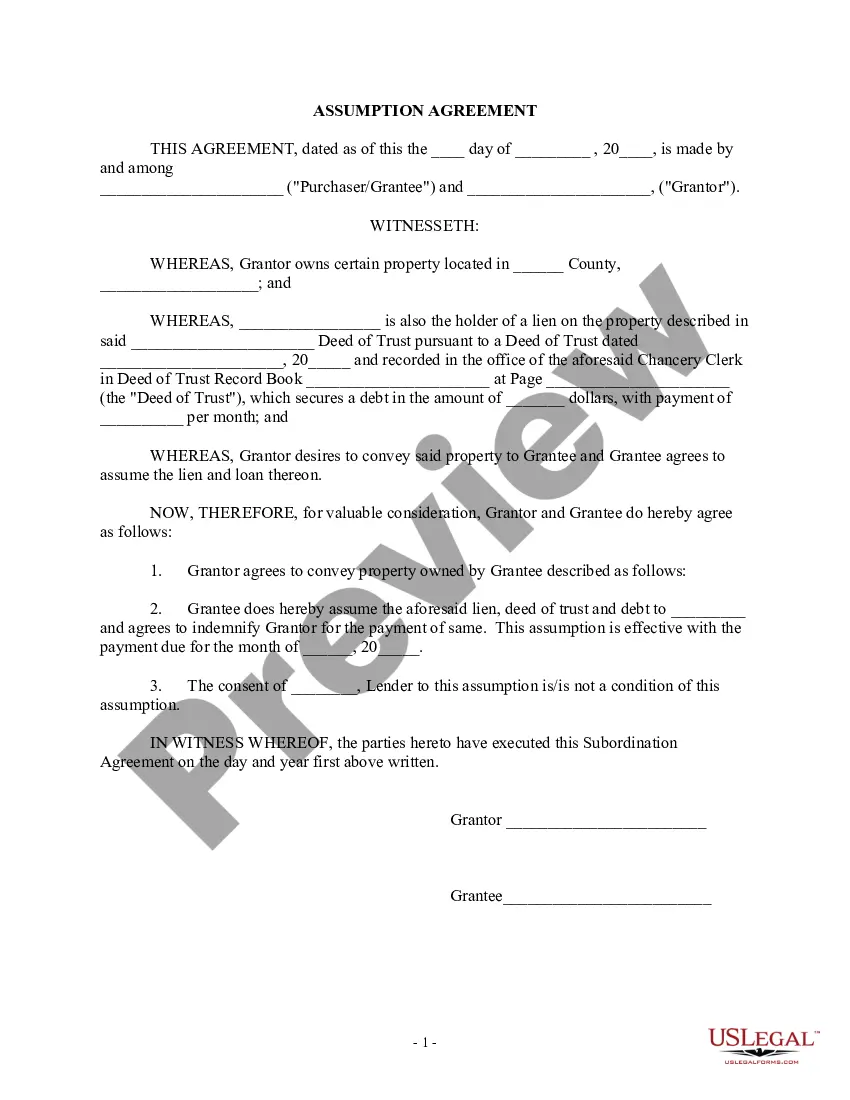
Form Lis Pendens Foreclosure Nj In Arizona
Description

Get your form ready online
Our built-in tools help you complete, sign, share, and store your documents in one place.
Make edits, fill in missing information, and update formatting in US Legal Forms—just like you would in MS Word.
Download a copy, print it, send it by email, or mail it via USPS—whatever works best for your next step.
Sign and collect signatures with our SignNow integration. Send to multiple recipients, set reminders, and more. Go Premium to unlock E-Sign.
If this form requires notarization, complete it online through a secure video call—no need to meet a notary in person or wait for an appointment.
We protect your documents and personal data by following strict security and privacy standards.

Make edits, fill in missing information, and update formatting in US Legal Forms—just like you would in MS Word.

Download a copy, print it, send it by email, or mail it via USPS—whatever works best for your next step.

Sign and collect signatures with our SignNow integration. Send to multiple recipients, set reminders, and more. Go Premium to unlock E-Sign.

If this form requires notarization, complete it online through a secure video call—no need to meet a notary in person or wait for an appointment.

We protect your documents and personal data by following strict security and privacy standards.
Looking for another form?








Form popularity
FAQ
702, 123 Stat. 1660, before a tenant can be evicted due to foreclosure, the landlord must provide the tenant with a 90 day notice to quit when the foreclosed property has been purchased by a buyer who wants to personally occupy it as his or her primary residence.
The Fair Foreclosure Act aims to prevent wrongful foreclosures by requiring lenders to ensure that homeowners are fully informed and given every opportunity to retain their homes.
Once the complaint is filed, it enters a Lis pendens, meaning a suit is pending. The lender becomes the plaintiff, and the debtor becomes the defendant in the court record. The case receives a docket number. The plaintiff must serve the defendant with the foreclosure complaint.
Notice of a Nonjudicial Foreclosure To officially start a nonjudicial foreclosure in Arizona, the trustee records a notice of sale in the land records. The sale date can't be any sooner than 91 days after the date the trustee records the notice. (Ariz.
You can only be foreclosed on after you have not made payments for 120 days. Since payments are generally made every 30 days, this means that your property cannot be foreclosed on until you have missed four mortgage payments.
Basically, a Lis Pendens is written notice that's recorded in the county recorder's records where the real estate is located and that gives notice than an action, a lawsuit involving title to the real estate is pending.
The Lis Pendens is a public notification that the property is being foreclosed upon. If the homeowner attempts to sell the property or get a second mortgage, the title search will reveal the Lis Pendens and notify any interested party that the property's title is in question due to the pending foreclosure.