Selling Receivables Is Called In North Carolina
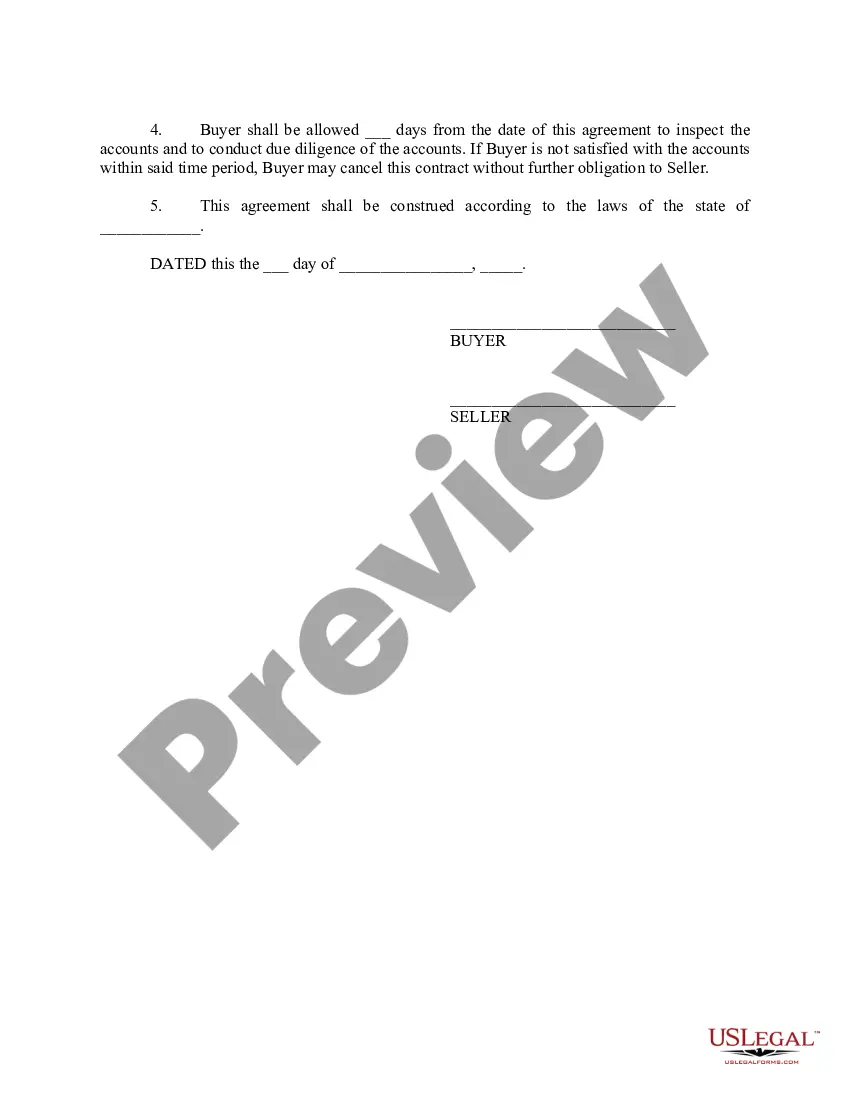
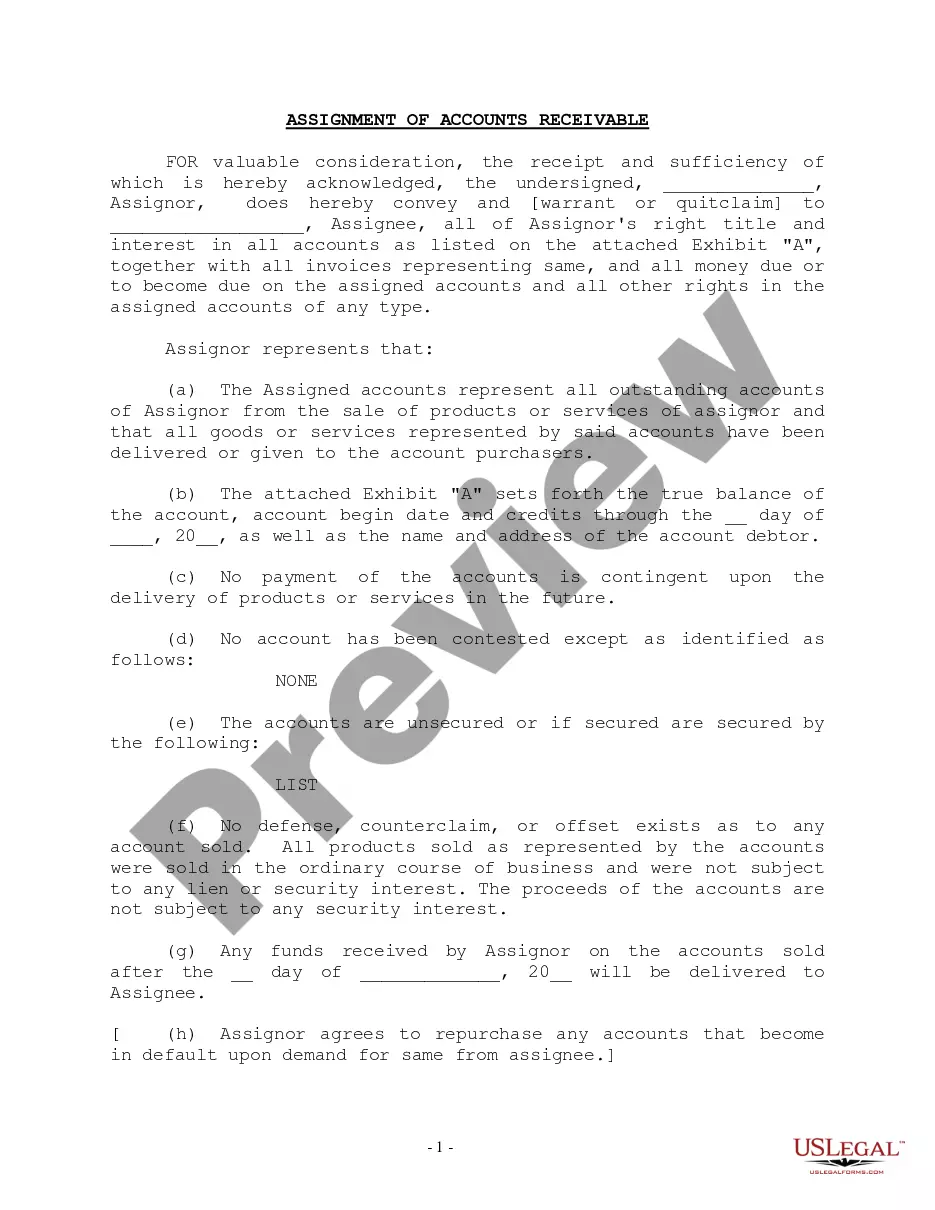
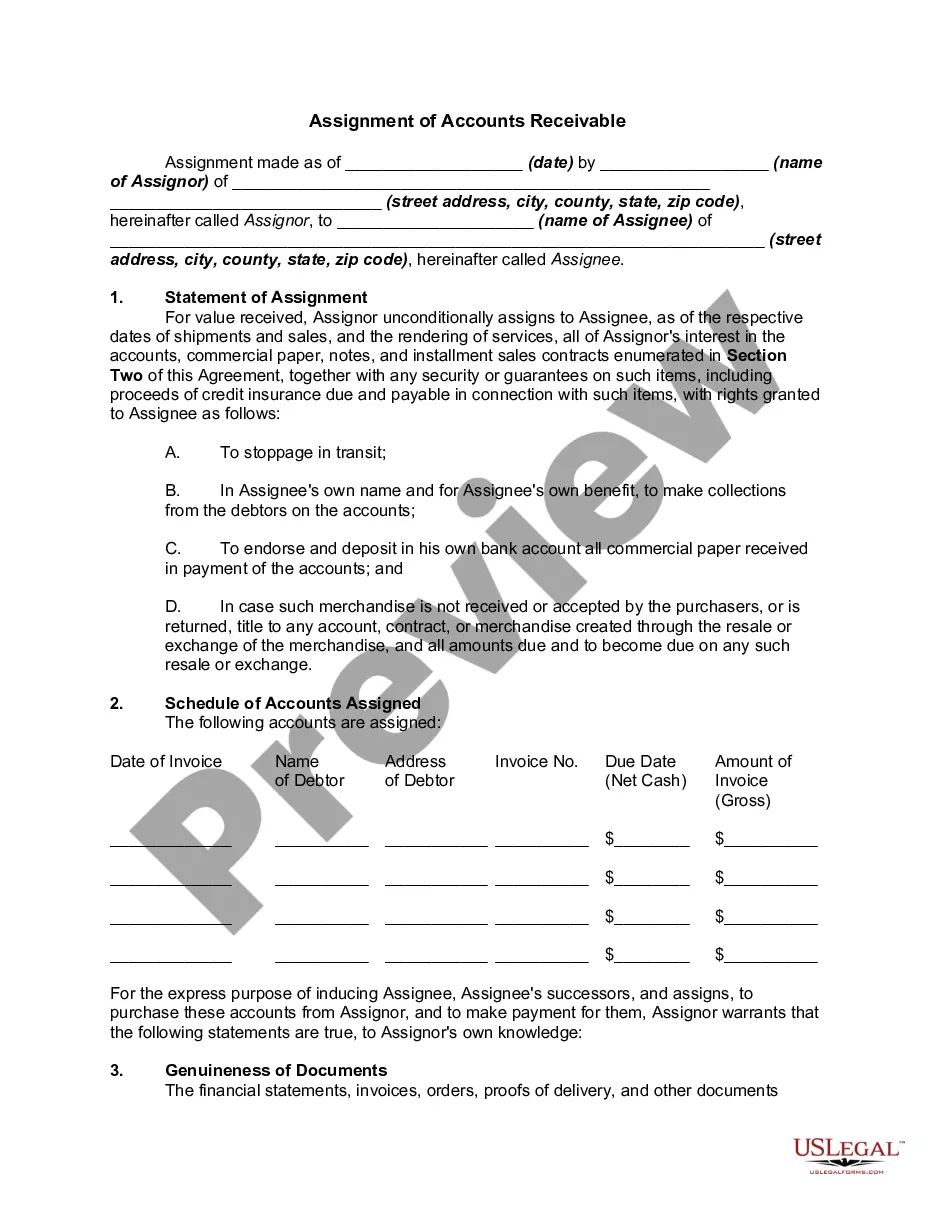
Description

Get your form ready online
Our built-in tools help you complete, sign, share, and store your documents in one place.
Make edits, fill in missing information, and update formatting in US Legal Forms—just like you would in MS Word.
Download a copy, print it, send it by email, or mail it via USPS—whatever works best for your next step.
Sign and collect signatures with our SignNow integration. Send to multiple recipients, set reminders, and more. Go Premium to unlock E-Sign.
If this form requires notarization, complete it online through a secure video call—no need to meet a notary in person or wait for an appointment.
We protect your documents and personal data by following strict security and privacy standards.

Make edits, fill in missing information, and update formatting in US Legal Forms—just like you would in MS Word.

Download a copy, print it, send it by email, or mail it via USPS—whatever works best for your next step.

Sign and collect signatures with our SignNow integration. Send to multiple recipients, set reminders, and more. Go Premium to unlock E-Sign.

If this form requires notarization, complete it online through a secure video call—no need to meet a notary in person or wait for an appointment.

We protect your documents and personal data by following strict security and privacy standards.
Looking for another form?
Form popularity
FAQ
Trade receivables are also known as accounts receivable.
A trade receivable is the most common name for an account receivable and is created through day-to-day business and normal sales transactions.
Factoring is simply selling your accounts receivables at a discount.
“True sale” refers to a transaction in which ownership and all interest in an asset is completely transferred from the original owner (the seller) to another party (the buyer). The buyer assumes all risks and benefits associated with the asset, and the seller no longer has any rights or control over the asset.
Answer and Explanation: Factoring of receivables without recourse is considered as a sale of receivable because it transfer the risk and ownership of the receivable to the other party.
If you're a sole proprietor, you don't need a license to operate. But if you have a partnership or limited liability company (LLC), you will probably have to register the Etsy business with your state or local government.
Depending on the activities they engage in, businesses in North Carolina may need to obtain licenses or permits in order to operate. Businesses may also have to register with the North Carolina Secretary of State and Department of Revenue. Corporations are subject to a state franchise tax.
Register for a NC Sales Tax Permit Online by filling out and submitting the “North Carolina State Sales Tax Registration ” form. This permit will furnish your business with a unique sales tax number (NC Sales Tax ID Number).
In order to have a North Carolina resale certificate, you must first apply for a North Carolina sales and use tax registration. This permit will provide you with a North Carolina Tax ID number (sales tax number) which will be a necessary field on the North Carolina resale certificate.
Every business, person, or facilitator engaged in business in North Carolina of one or more of the following must register online or by mail with the Department to obtain a Certificate of Registration: Selling tangible personal property at retail. Selling and providing taxable services.
