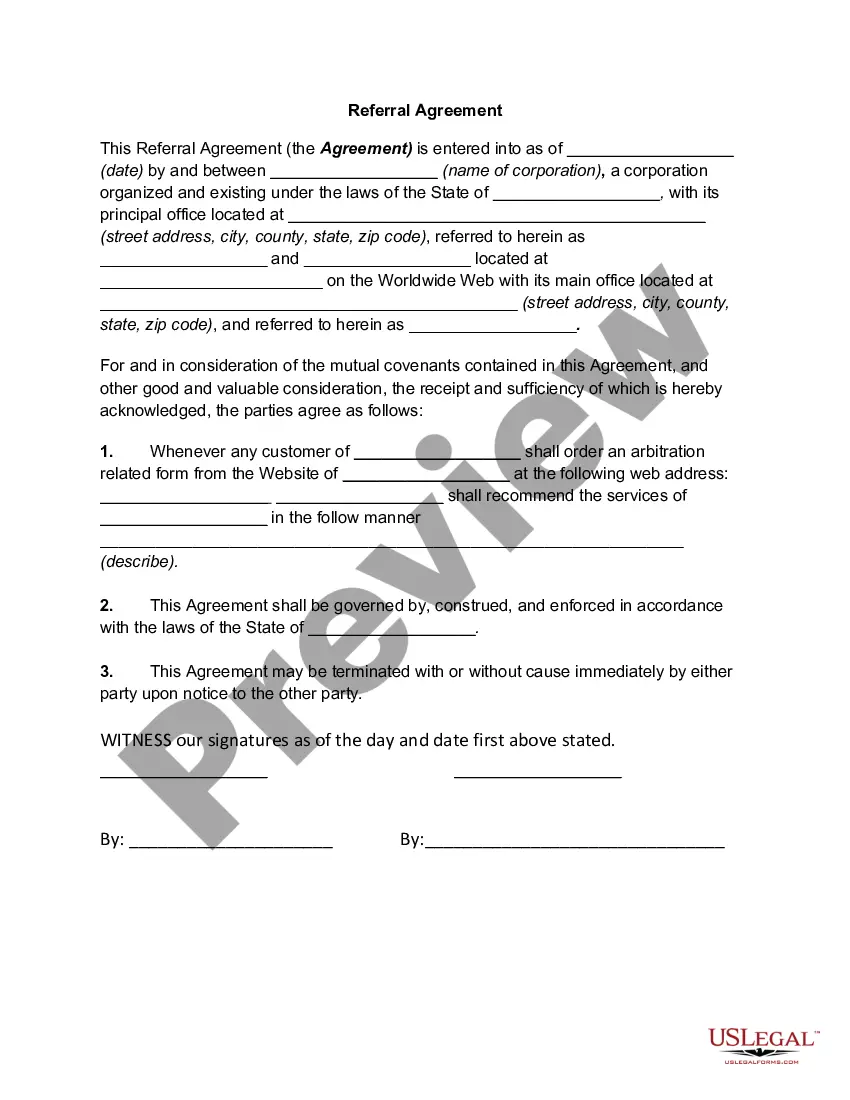
Vehicle Agreement With Employee In Georgia
Description

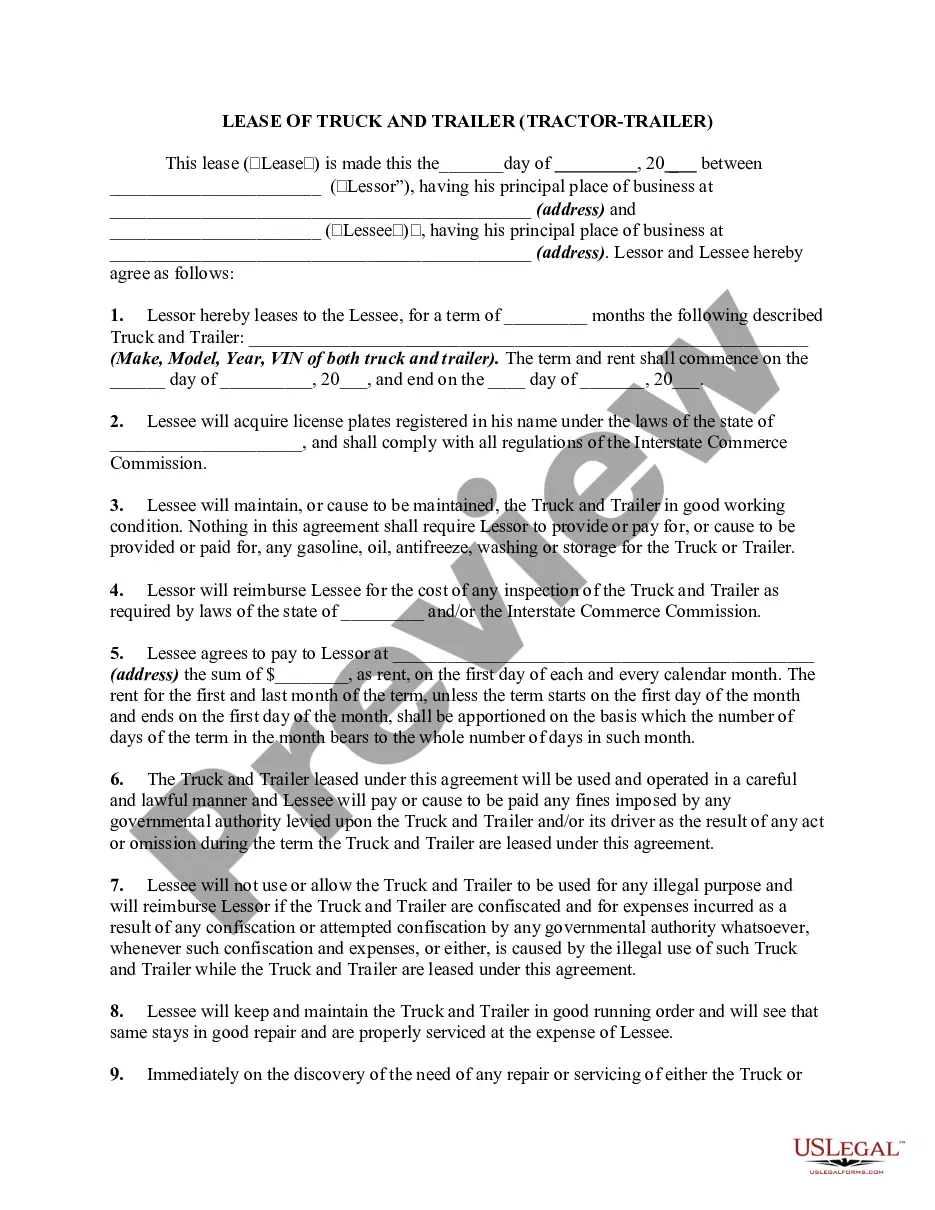
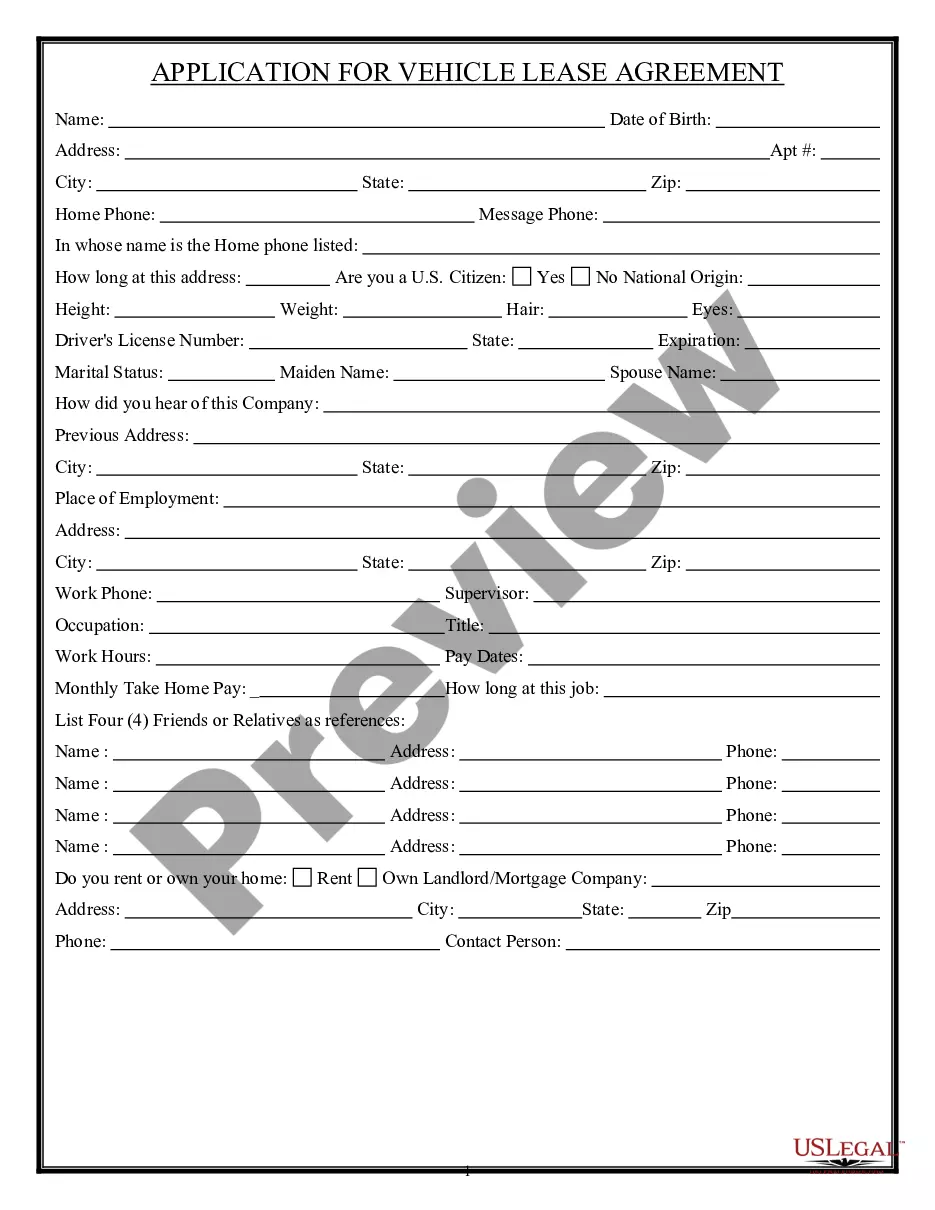
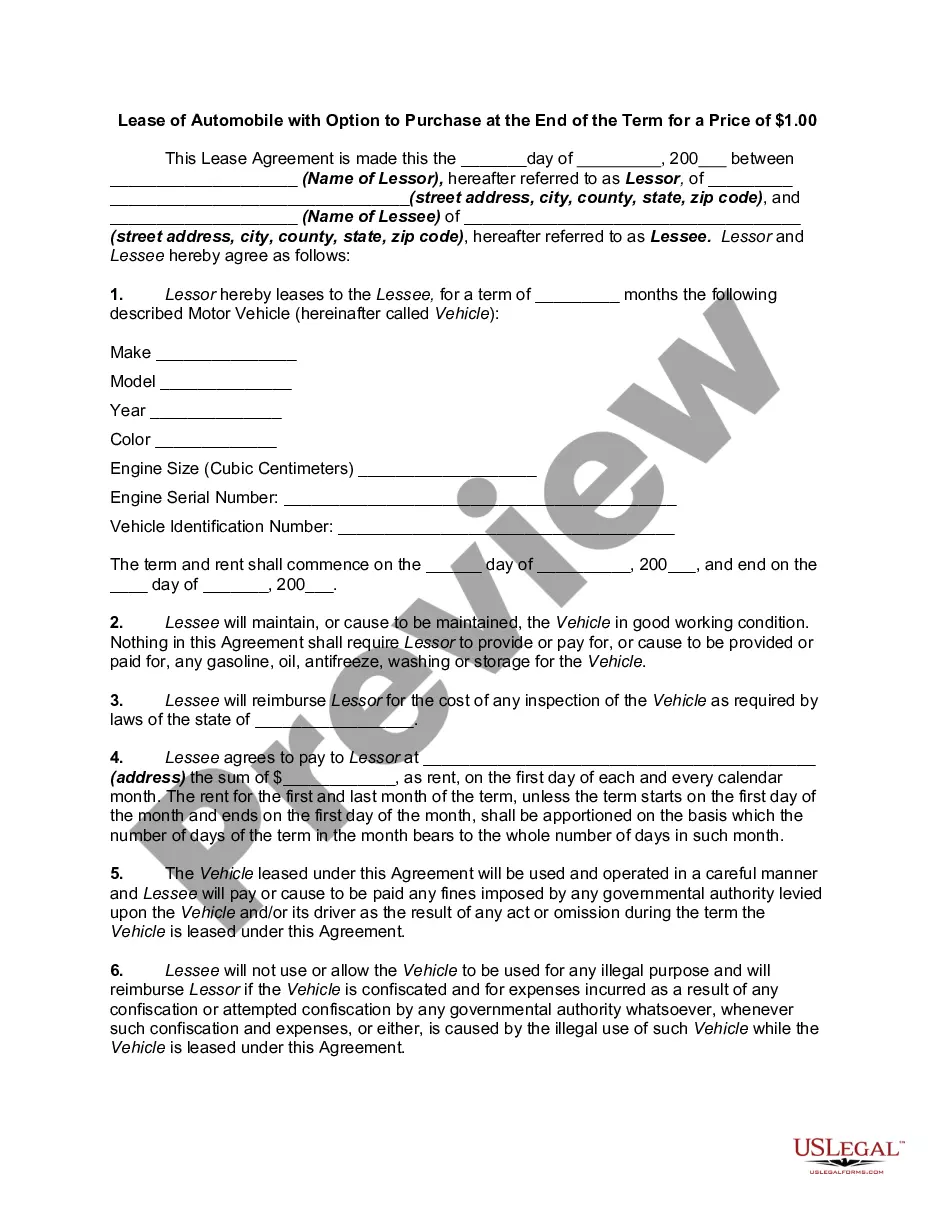
Get your form ready online
Our built-in tools help you complete, sign, share, and store your documents in one place.
Make edits, fill in missing information, and update formatting in US Legal Forms—just like you would in MS Word.
Download a copy, print it, send it by email, or mail it via USPS—whatever works best for your next step.
Sign and collect signatures with our SignNow integration. Send to multiple recipients, set reminders, and more. Go Premium to unlock E-Sign.
If this form requires notarization, complete it online through a secure video call—no need to meet a notary in person or wait for an appointment.
We protect your documents and personal data by following strict security and privacy standards.

Make edits, fill in missing information, and update formatting in US Legal Forms—just like you would in MS Word.

Download a copy, print it, send it by email, or mail it via USPS—whatever works best for your next step.

Sign and collect signatures with our SignNow integration. Send to multiple recipients, set reminders, and more. Go Premium to unlock E-Sign.

If this form requires notarization, complete it online through a secure video call—no need to meet a notary in person or wait for an appointment.

We protect your documents and personal data by following strict security and privacy standards.
Looking for another form?
Form popularity
FAQ
A: Vehicles with a GVWR of 10,001 lbs. or more used as part of a business (including a non-profit organization) are considered commercial motor vehicles for purposes of most of the safety regulations. This applies to: Single vehicles (trucks and vans)
Transporting Passengers – The vehicle must be designed to transport 16 or more passengers to be considered commercial (and between 9 to 15 people if it is a payment service) Gross Vehicle Weight Rating (GVWR) – The vehicle must have a gross weight rating of 26,001 pounds or more to be considered commercial.
Class A CDL: This is the ultimate trucker's license. It allows you to handle big rigs and tractor-trailer combos exceeding 26,000 pounds, as long as the trailer weighs over 10,000 pounds. Class B CDL: This covers large buses and single trucks over 26,000 pounds, or any such vehicle towing a lighter trailer.
Georgia commercial auto insurance requirements Georgia state law requires all commercial auto policies to have a minimum liability limit of $25,000 per person, $50,000 per accident for bodily injury and $25,000 for property damage (i.e., 25/50/25).
A commercial vehicle is generally defined as a vehicle used for transporting goods or passengers for business purposes. These can range from small vans to large trucks and even include specialised vehicles like tippers and people carriers.
If you live in one of the 13 Georgia counties that require emissions tests, you may have to have your vehicle tested to register it. Otherwise, you don't need an emissions inspection to register your car. In the 13 counties that require emissions tests, certain vehicles are exempt from this requirement.
Visit your County Tag Office Completed and signed MV-1 Title/Tag Application. Original valid title issued in your name or properly assigned to you. Out of state/country valid registration certificate, if applicable. Completed and signed Form T-22B Certification of Inspection.
Visit your County Tag Office Completed and signed MV-1 Title/Tag Application. Original valid title issued in your name or properly assigned to you. Out of state/country valid registration certificate, if applicable. Completed and signed Form T-22B Certification of Inspection.
Gather What You'll Need The location of your County Tag Office. Valid Georgia driver's license or ID card. A completed Form MV-1 Title and Tag Application (you can do this online or print and fill out the form by hand). A passing emissions inspection certificate, if applicable.
Utility bills in Georgia that are in either applicant's individual or business name (submit only one utility bill dated within 60 days) Vehicle titled in Georgia in either applicant's individual or business name (submit only one title record)