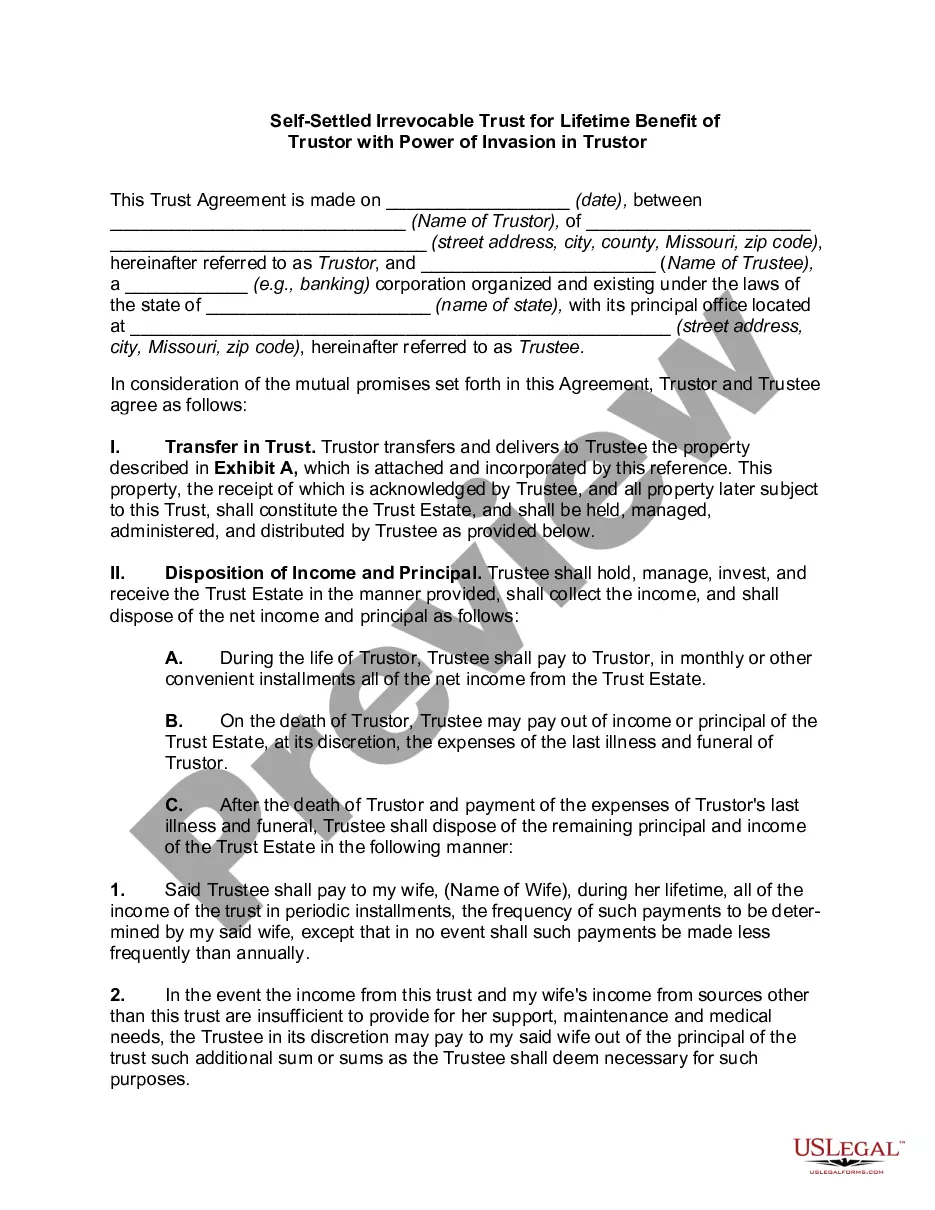
Capital Format Resolution For Trust In Minnesota
Description

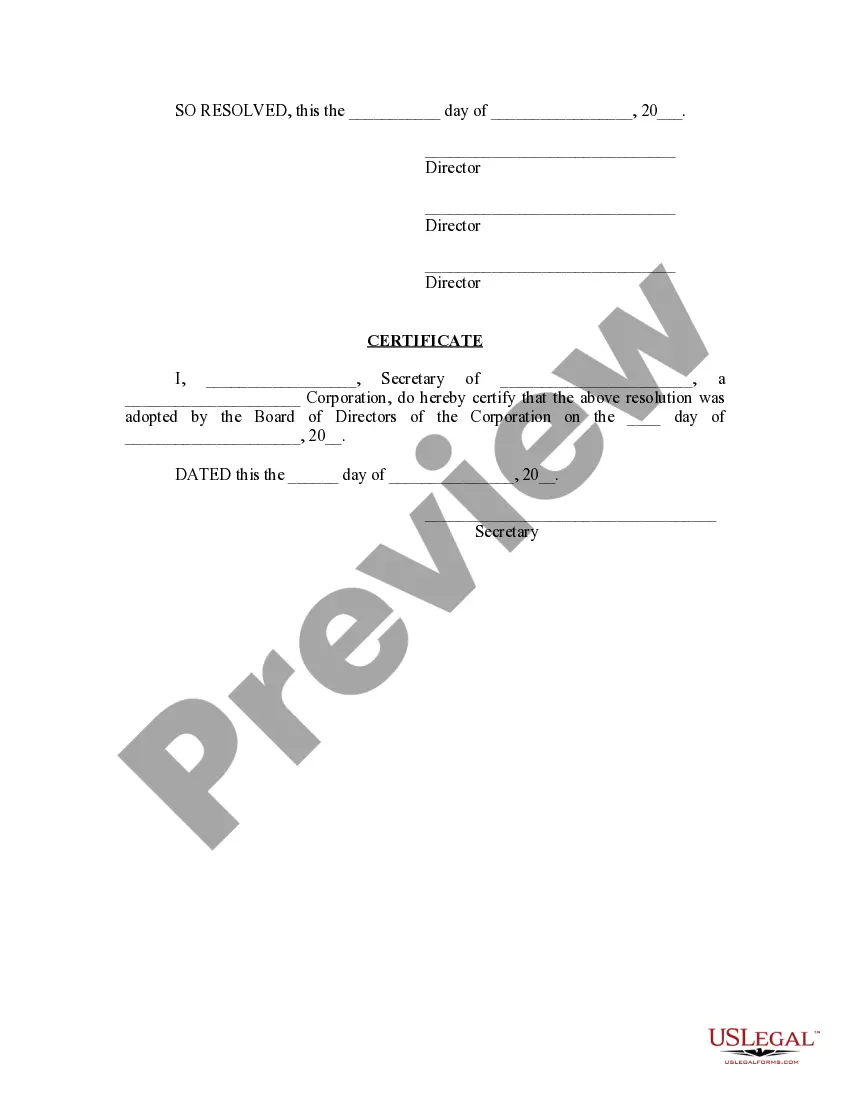


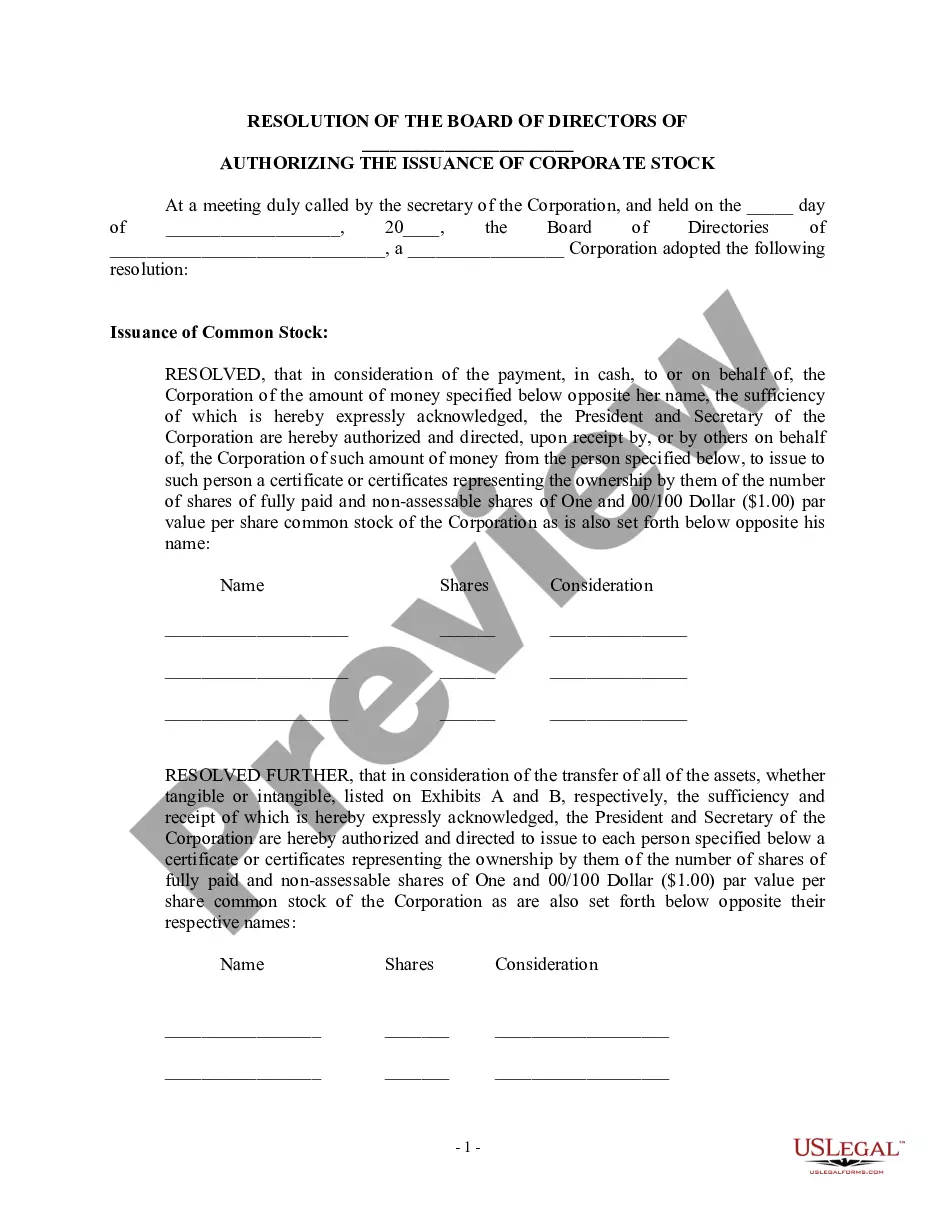
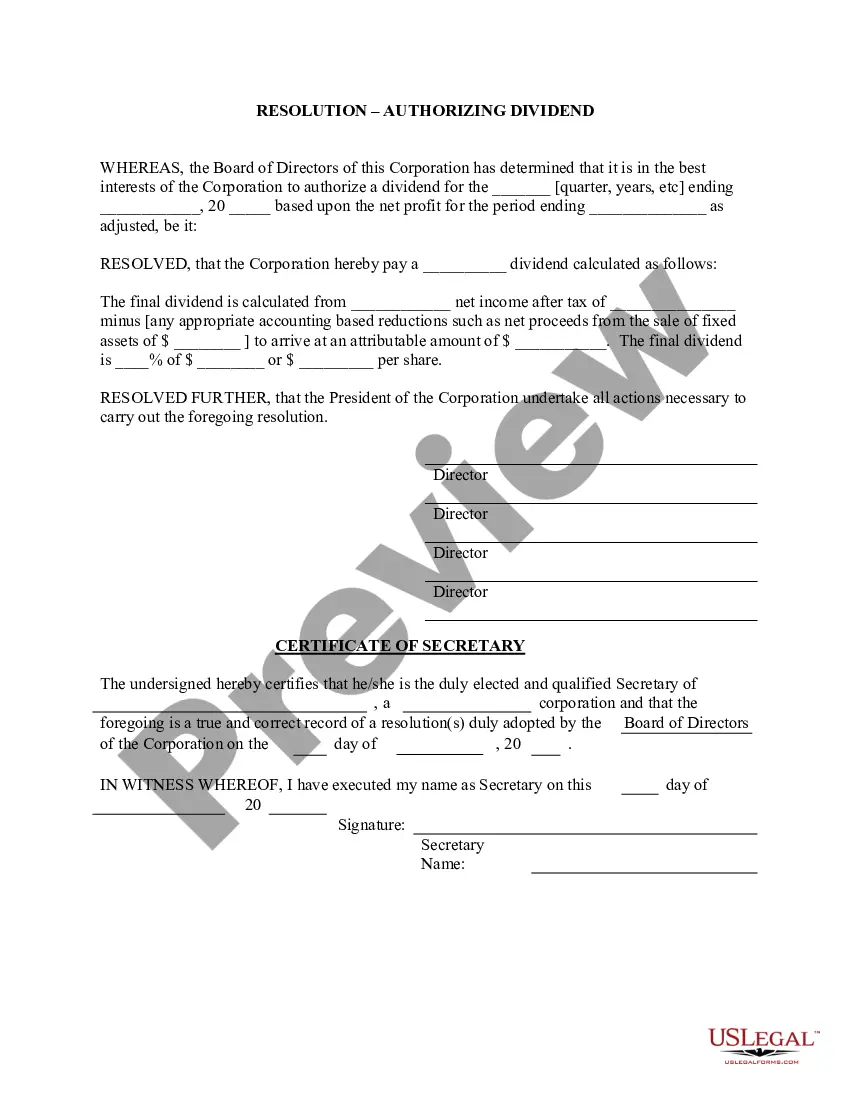
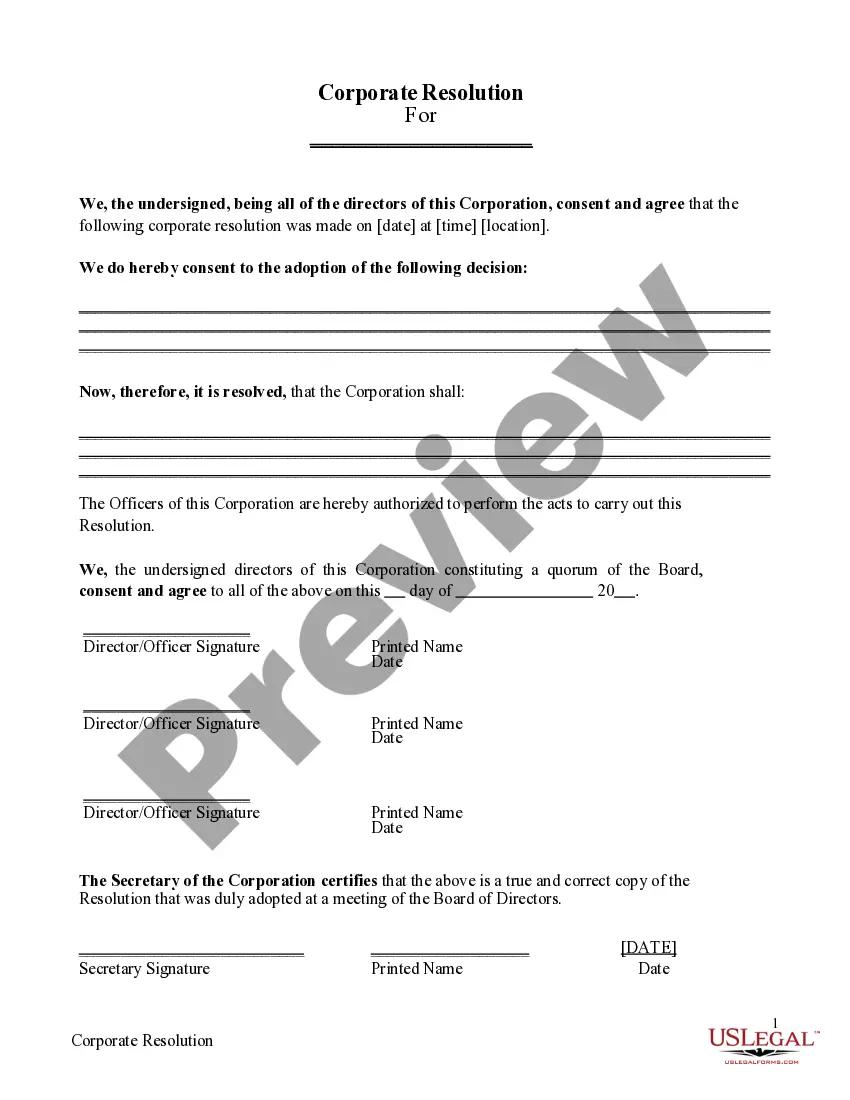
Get your form ready online
Our built-in tools help you complete, sign, share, and store your documents in one place.
Make edits, fill in missing information, and update formatting in US Legal Forms—just like you would in MS Word.
Download a copy, print it, send it by email, or mail it via USPS—whatever works best for your next step.
Sign and collect signatures with our SignNow integration. Send to multiple recipients, set reminders, and more. Go Premium to unlock E-Sign.
If this form requires notarization, complete it online through a secure video call—no need to meet a notary in person or wait for an appointment.
We protect your documents and personal data by following strict security and privacy standards.

Make edits, fill in missing information, and update formatting in US Legal Forms—just like you would in MS Word.

Download a copy, print it, send it by email, or mail it via USPS—whatever works best for your next step.

Sign and collect signatures with our SignNow integration. Send to multiple recipients, set reminders, and more. Go Premium to unlock E-Sign.

If this form requires notarization, complete it online through a secure video call—no need to meet a notary in person or wait for an appointment.

We protect your documents and personal data by following strict security and privacy standards.
Looking for another form?








Form popularity
FAQ
Minnesota taxes resident trusts on all their income or gains from intangible property, such as stocks and bonds. A trust must have minimum connections to Minnesota to be taxed as a resident trust.
To transfer real property into your Trust, a new deed reflecting the name of the Trust must be executed, notarized and recorded with the County Recorder in the County where the property is located. Care must be taken that the exact legal description in the existing deed appears on the new deed.
An irrevocable trust offers your assets the most protection from creditors and lawsuits. Assets in an irrevocable trust aren't considered personal property.
To make a living trust in Minnesota, you: Choose whether to make an individual or shared trust. Decide what property to include in the trust. Choose a successor trustee. Decide who will be the trust's beneficiaries—that is, who will get the trust property. Create the trust document.
Trusts and estates have to report all income on the tax return and they are allowed deductions for amounts that are required to be distributed to beneficiaries. Form 1041 allows for an “income distribution deduction” that includes the total income reported on all beneficiary K-1s.
Form M2, regardless if it is consid- ered a resident. When required, the trustee of a trust or the personal representative of an estate is responsible for filing the Minnesota Form M2, Income Tax Return for Estates and Trusts (Fiduciaries) and for paying the tax. Bankruptcy estates.
Selecting the wrong trustee is easily the biggest blunder parents can make when setting up a trust fund. As estate planning attorneys, we've seen first-hand how this critical error undermines so many parents' good intentions.
You can create a trust document yourself, but it's recommended to work with an attorney who has experience in estate planning to ensure that your trust document is legally valid and meets your needs.
(b) A noncharitable irrevocable trust may be terminated upon consent of all of the beneficiaries if the court concludes that continuance of the trust is not necessary to achieve any material purpose of the trust.
