Contract Termination With Cause In Riverside
Description
Get your form ready online
Our built-in tools help you complete, sign, share, and store your documents in one place.
Make edits, fill in missing information, and update formatting in US Legal Forms—just like you would in MS Word.
Download a copy, print it, send it by email, or mail it via USPS—whatever works best for your next step.
Sign and collect signatures with our SignNow integration. Send to multiple recipients, set reminders, and more. Go Premium to unlock E-Sign.
If this form requires notarization, complete it online through a secure video call—no need to meet a notary in person or wait for an appointment.
We protect your documents and personal data by following strict security and privacy standards.

Make edits, fill in missing information, and update formatting in US Legal Forms—just like you would in MS Word.

Download a copy, print it, send it by email, or mail it via USPS—whatever works best for your next step.

Sign and collect signatures with our SignNow integration. Send to multiple recipients, set reminders, and more. Go Premium to unlock E-Sign.

If this form requires notarization, complete it online through a secure video call—no need to meet a notary in person or wait for an appointment.

We protect your documents and personal data by following strict security and privacy standards.
Looking for another form?







Form popularity
FAQ
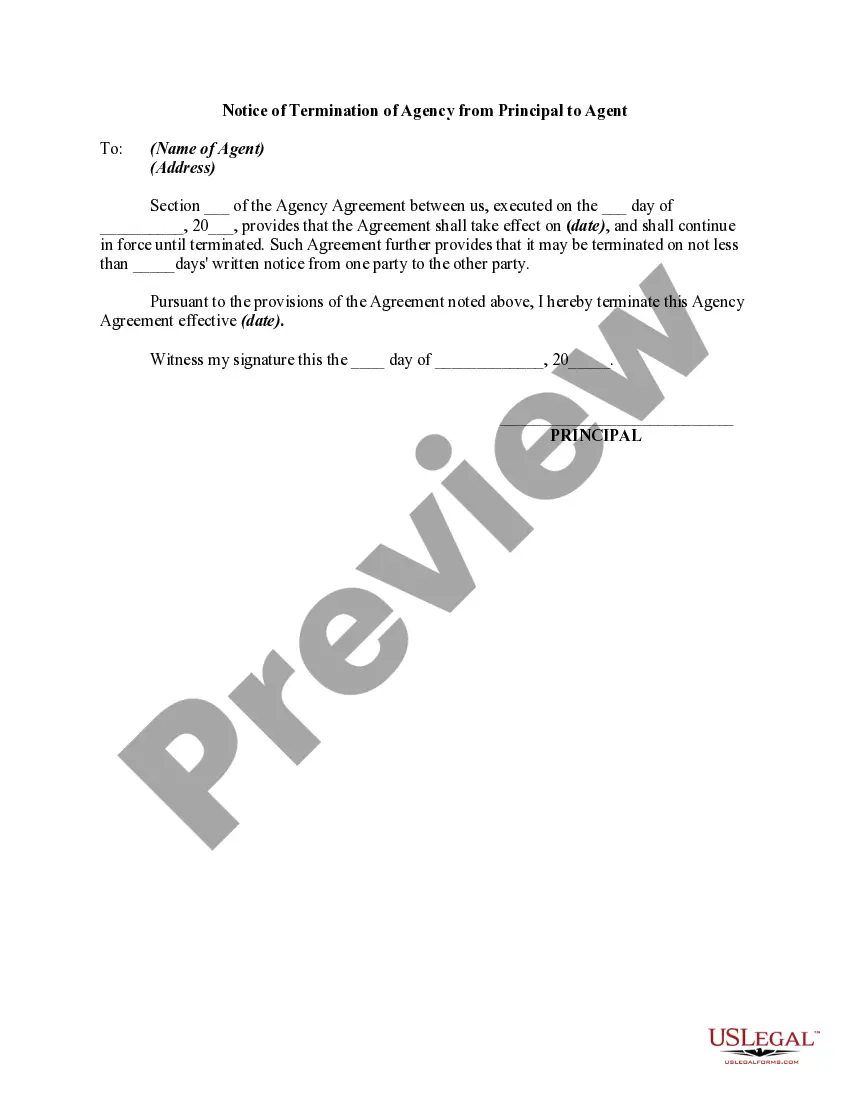
Write a termination contract letter Include your heading information. This includes the date of creation and recipient and sender information. Get specific. Create your statement of intent for contract cancellation. End with an end date. Explicitly state the date that you intend to halt the contract.
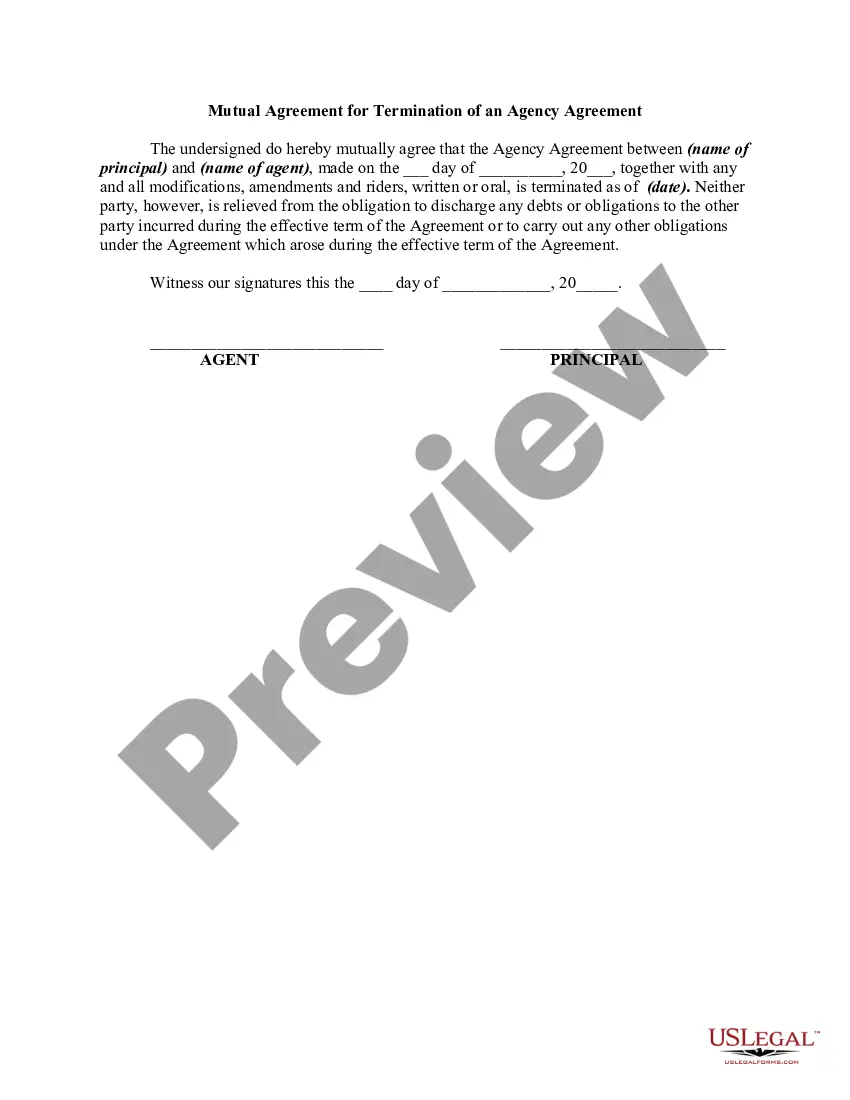
How do you write a Termination Agreement? Provide the names and mailing addresses of each party involved. Provide details from the original contract. Select a termination date after which the contract will no longer be in effect. State if either party is providing compensation as part of the Termination Agreement.
Just causes refer to situations where the employee has committed acts that warrant termination due to misconduct or failure to meet obligations. These causes are well-delineated under Article 297 of the Labor Code.
Just cause termination refers to an employer's right to terminate an employee for a valid reason, such as serious misconduct or repeated violations of company policies, without providing severance or other compensation.
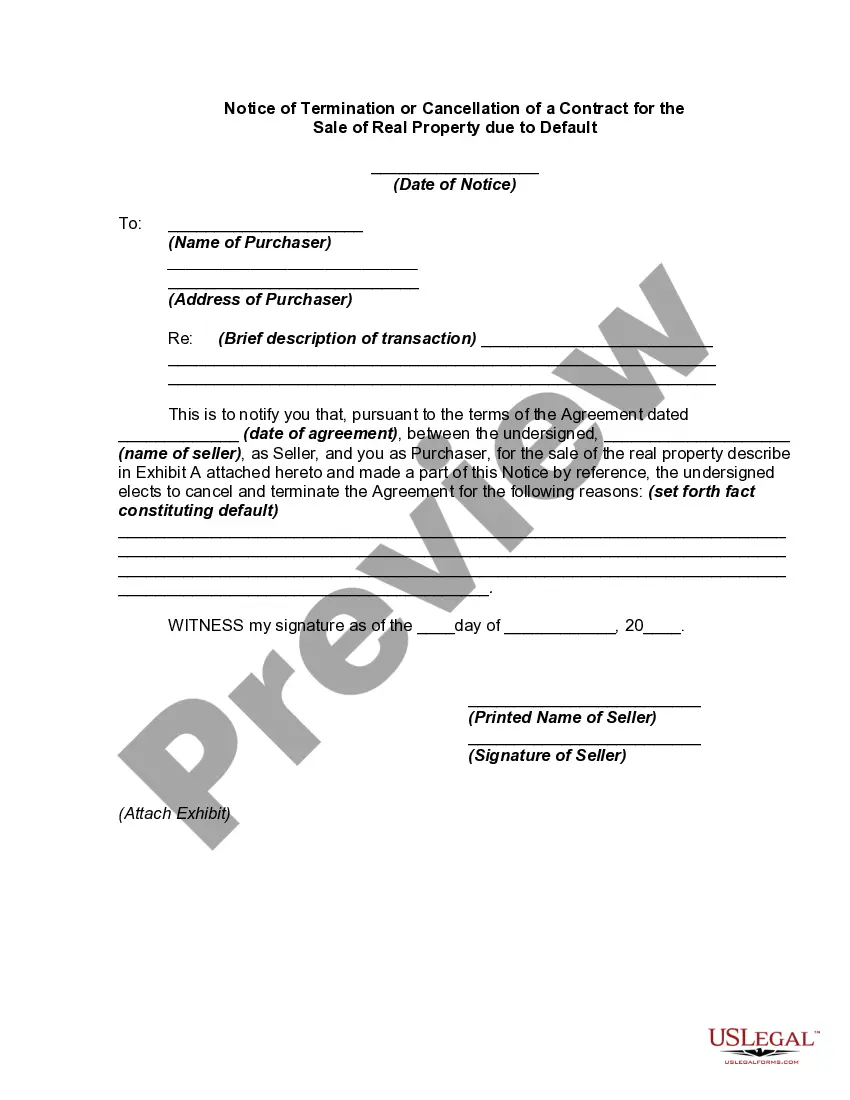
Termination for cause occurs when a party's actions or inactions cause the contract to break down. This could be because they've failed or refused to perform their contractual obligations and breached the contract, for example.
Write a termination of contract notice Regardless of what your grounds are, notice is required to terminate any contract. Typically, this notice will come in the form of a written document that clearly explains your decision to terminate the contract, why you wish to do so, and on what grounds.
In California, employers are not required to provide a reason for terminating an employee under the doctrine of at-will employment, as outlined in Labor Code Section 2922.
An employer can end their relationship with an employee in several ways. These include termination with cause, without cause or termination at will. Termination for cause ensues when the employees' actions are against policy and may lead to serious repercussions for the company, clients and other employees.
California Is an “At-Will” State California obeys “at-will” employment laws. This means that all employers have the right to terminate employees at will, for almost any reason, or for no reason at all. This does not, however, mean that an employer can fire someone out of discrimination, harassment, or retaliation.

