Capital Format Resolution For Authorised Signatory In Maricopa
Description

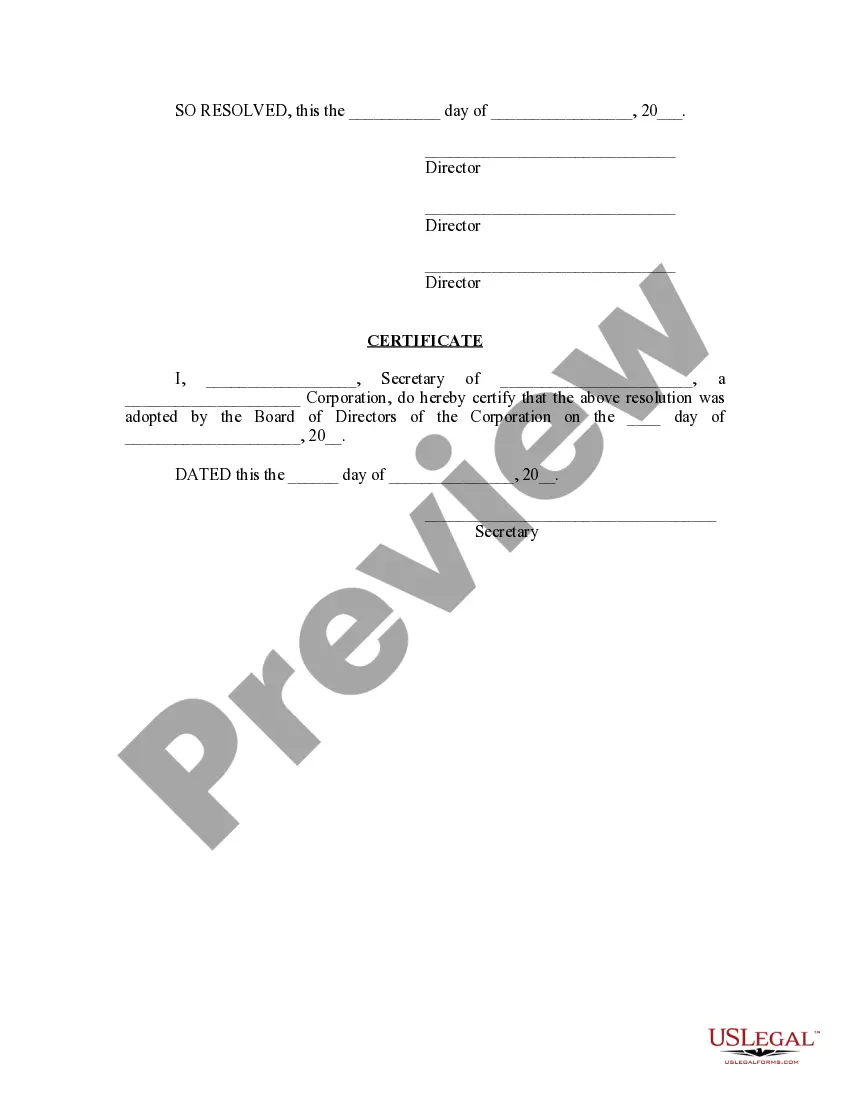


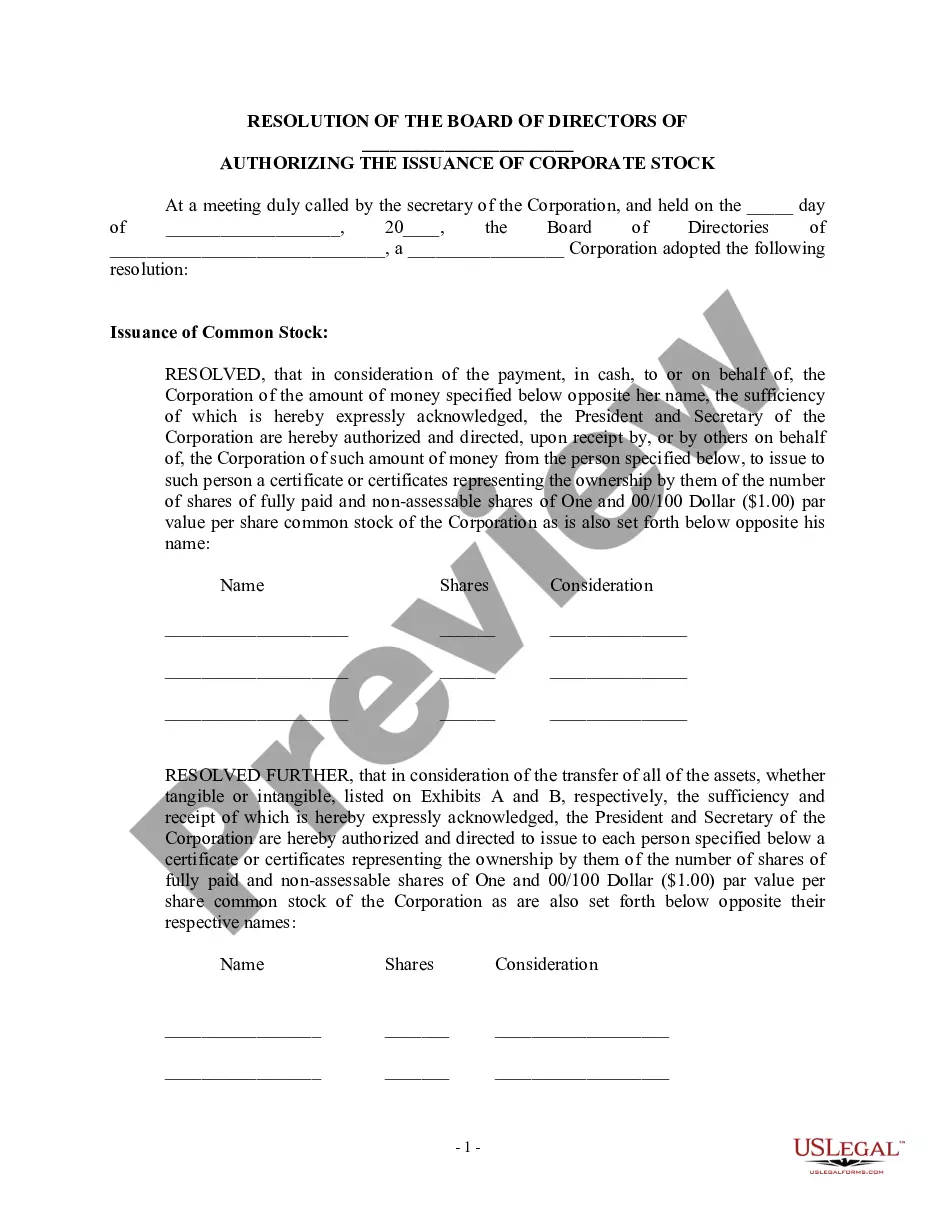
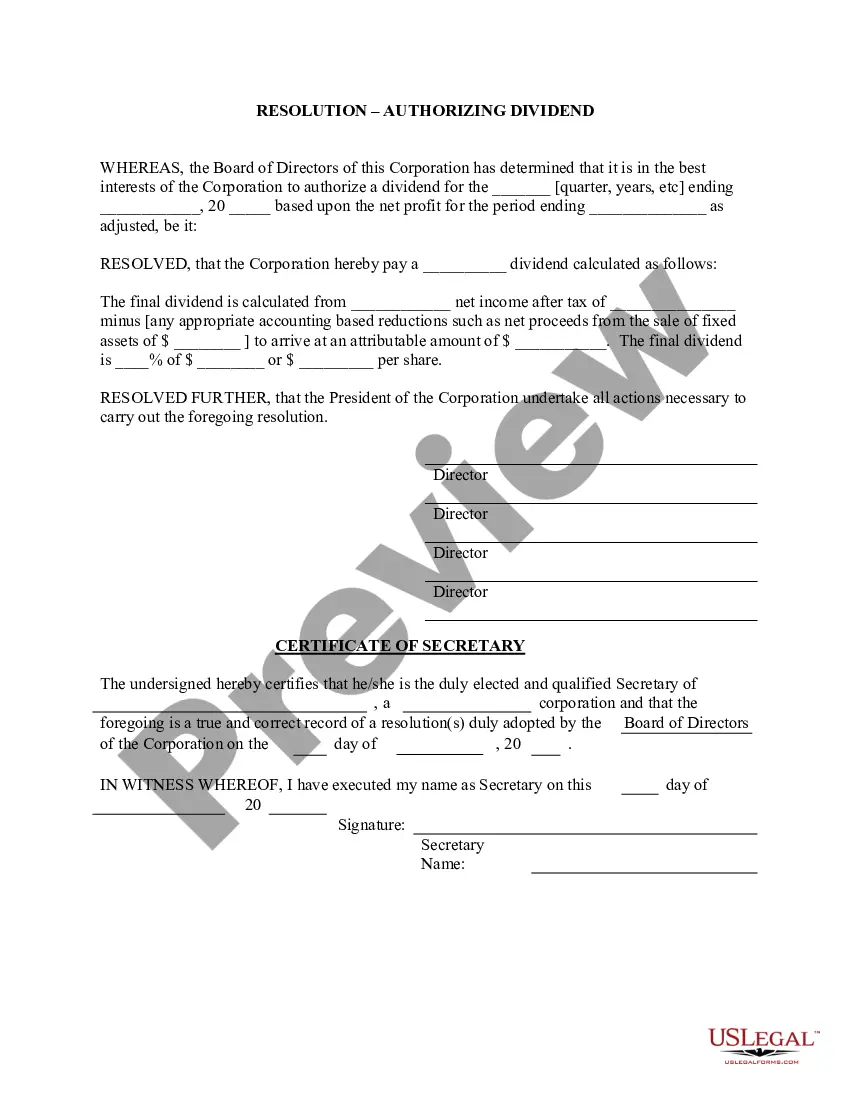

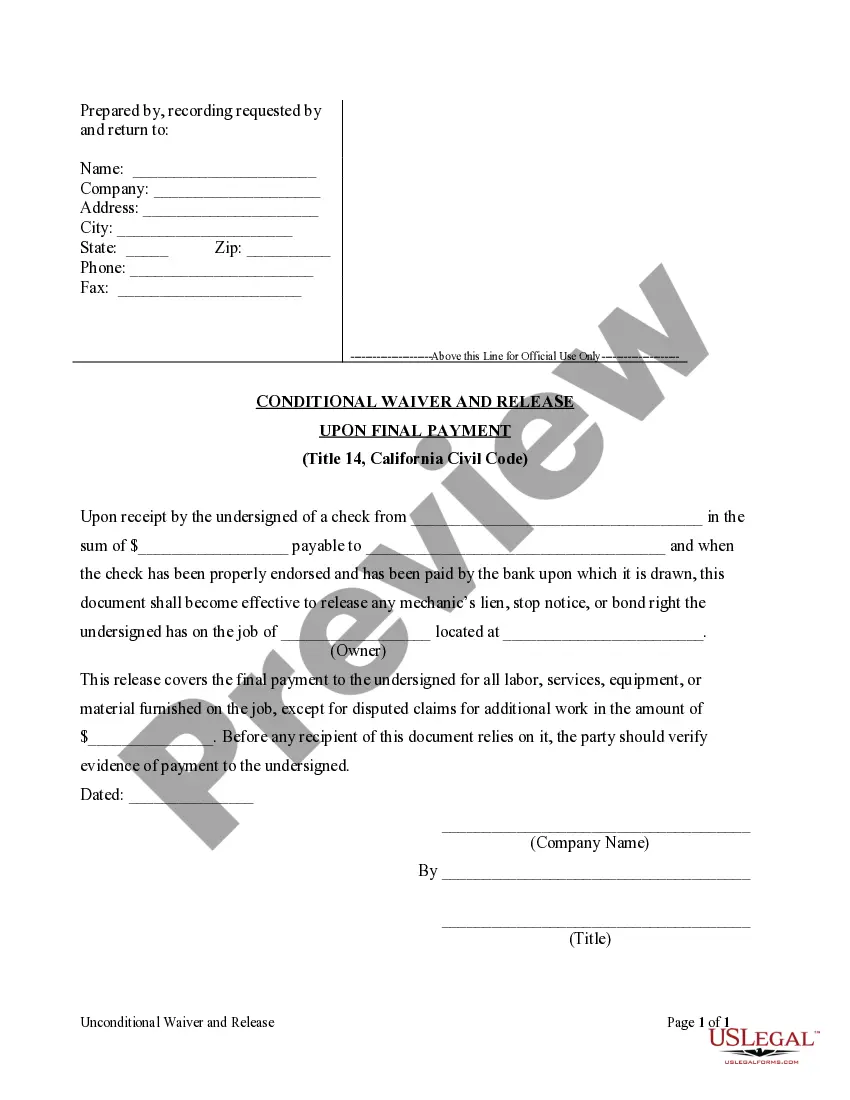
Get your form ready online
Our built-in tools help you complete, sign, share, and store your documents in one place.
Make edits, fill in missing information, and update formatting in US Legal Forms—just like you would in MS Word.
Download a copy, print it, send it by email, or mail it via USPS—whatever works best for your next step.
Sign and collect signatures with our SignNow integration. Send to multiple recipients, set reminders, and more. Go Premium to unlock E-Sign.
If this form requires notarization, complete it online through a secure video call—no need to meet a notary in person or wait for an appointment.
We protect your documents and personal data by following strict security and privacy standards.

Make edits, fill in missing information, and update formatting in US Legal Forms—just like you would in MS Word.

Download a copy, print it, send it by email, or mail it via USPS—whatever works best for your next step.

Sign and collect signatures with our SignNow integration. Send to multiple recipients, set reminders, and more. Go Premium to unlock E-Sign.

If this form requires notarization, complete it online through a secure video call—no need to meet a notary in person or wait for an appointment.

We protect your documents and personal data by following strict security and privacy standards.
Looking for another form?









Form popularity
FAQ
The Assessor's Office maintains the ownership information for each parcel and updates the records when property is sold, transferred, combined or split. The office also administers the widows, widower and disability exemptions and the Senior Valuation Freeze.
Property classified as Legal Class 4.1 is not listed as a registered rental but still does not receive the State Aid to Education Tax Credit. An example of a property in Legal Class 4.1 is a secondary home.
The Assessor has the following basic responsibilities: Locates and identifies all taxable property in Maricopa County and further identifies the ownership. Establishes a value for all property subject to property taxation. Lists the values of all property on the assessment roll. Apply all legal exemptions.
Under A.R.S. 42-13301 the LPV is the limited property value of the property in the preceding valuation year plus five percent of that value.
An assessor is a local government official who determines the value of a property for local real estate taxation purposes. The figures assessors derive are used to calculate future property taxes. The assessor estimates the value of real property within a city or town's boundaries.
