Capital Stock Vs Authorized Capital Stock In Harris
Description

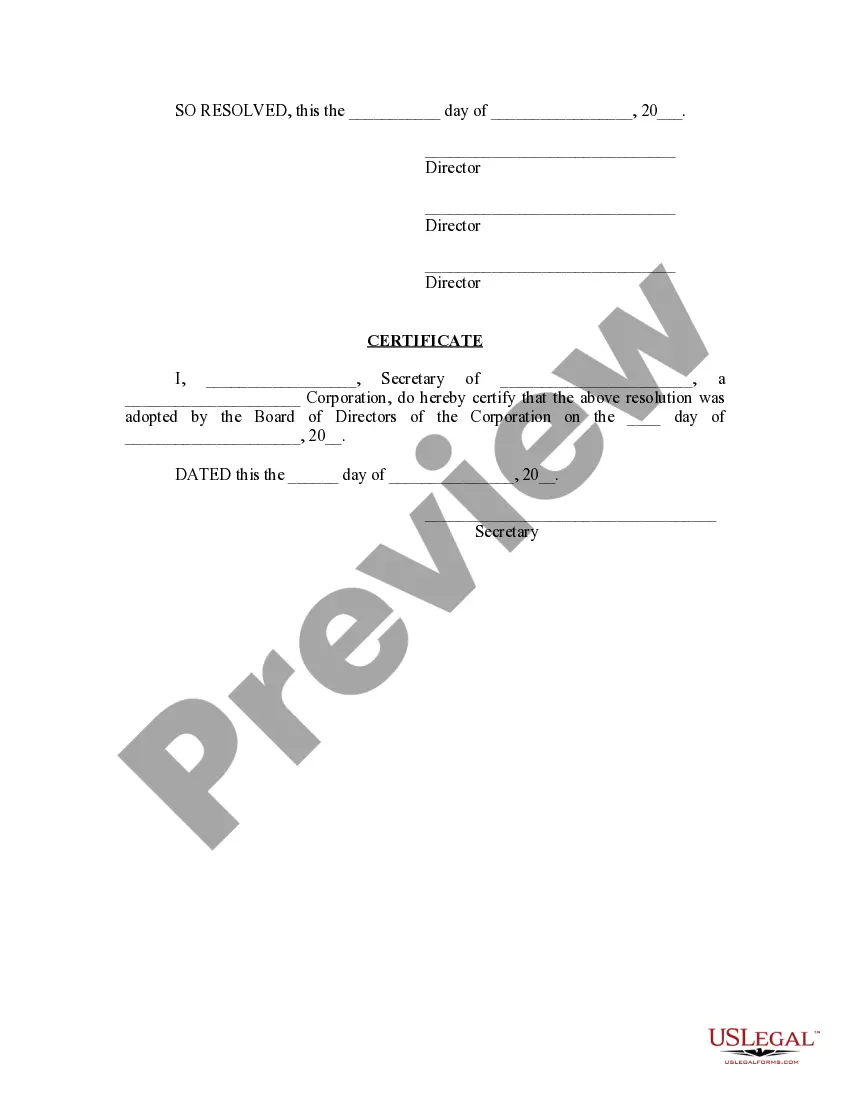


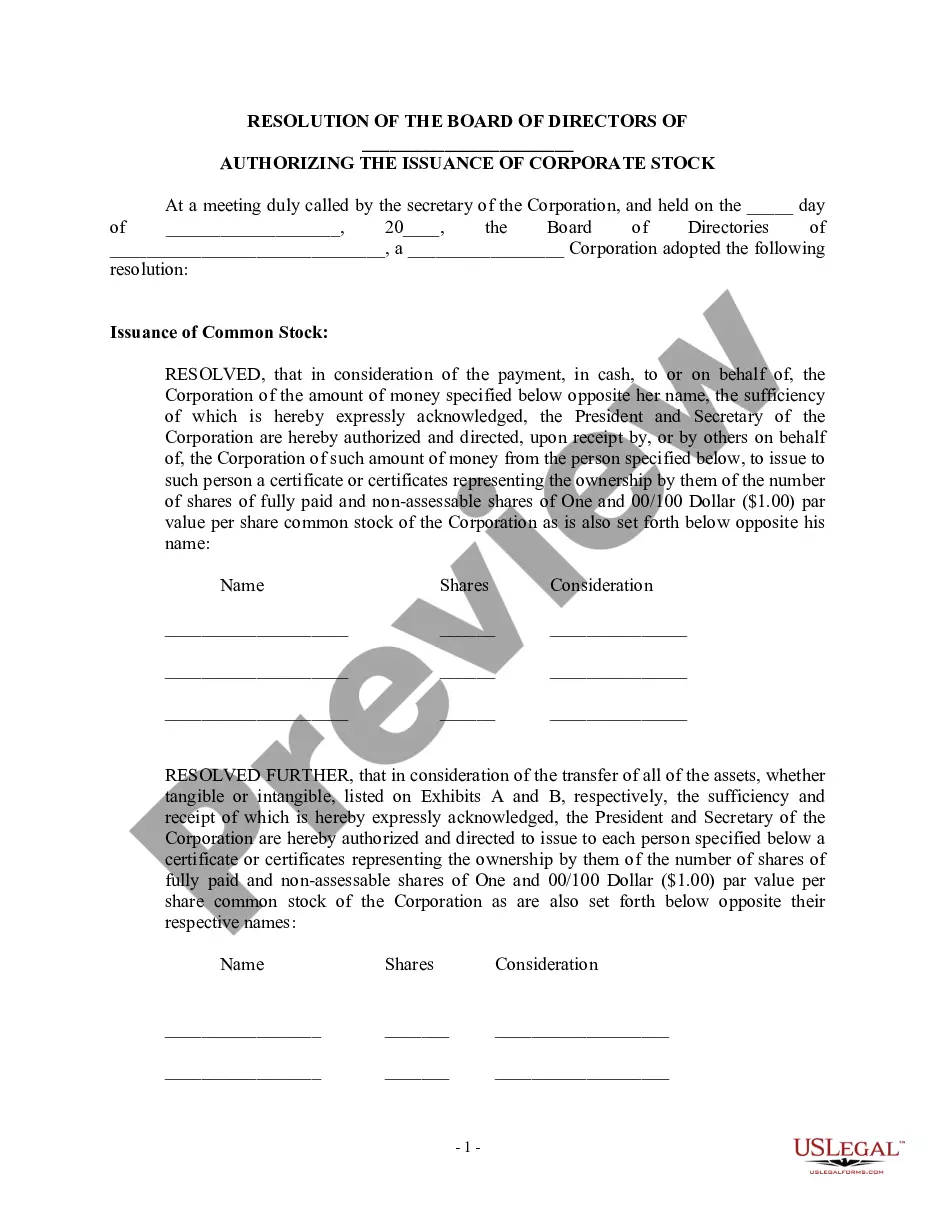
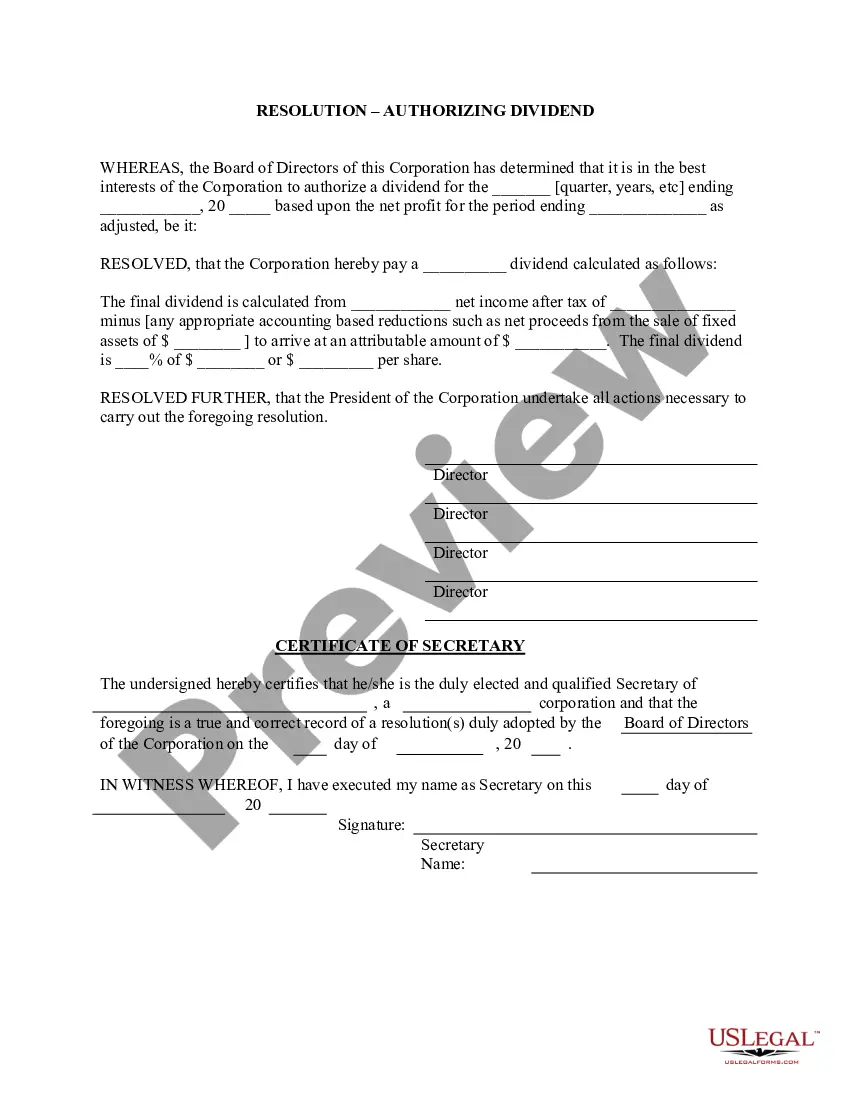
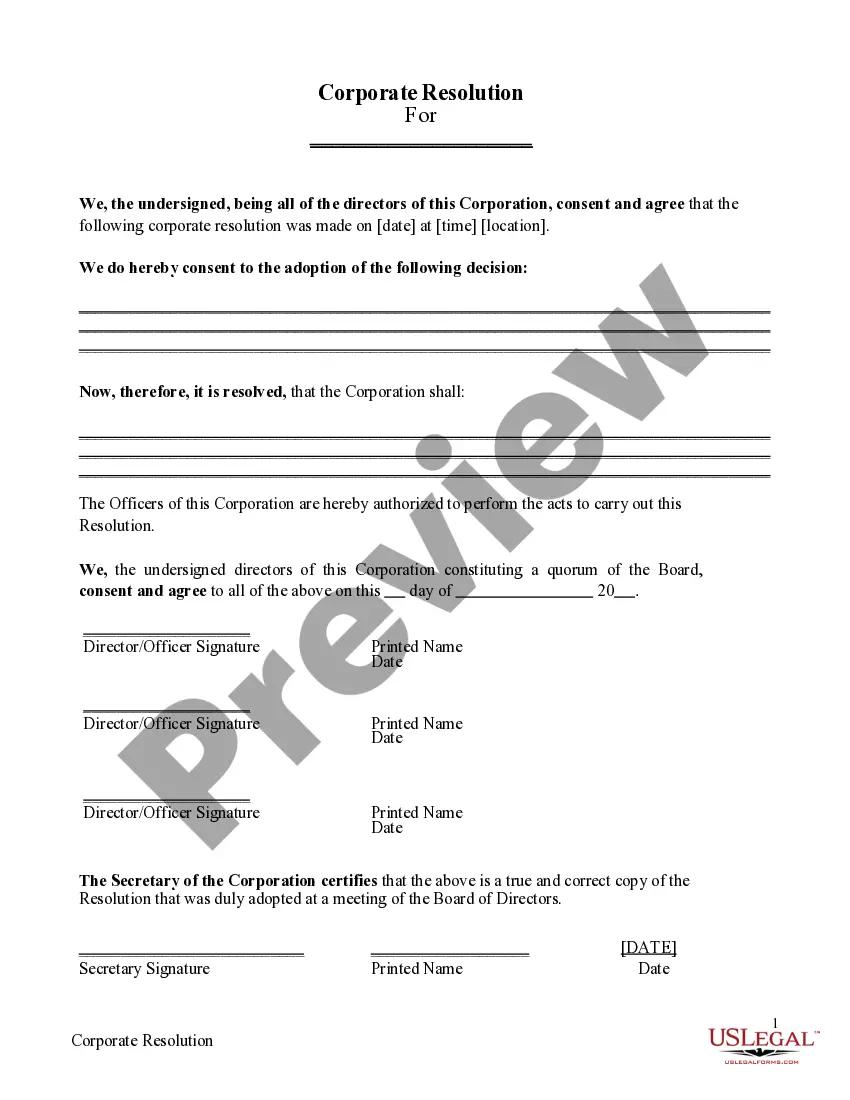
Get your form ready online
Our built-in tools help you complete, sign, share, and store your documents in one place.
Make edits, fill in missing information, and update formatting in US Legal Forms—just like you would in MS Word.
Download a copy, print it, send it by email, or mail it via USPS—whatever works best for your next step.
Sign and collect signatures with our SignNow integration. Send to multiple recipients, set reminders, and more. Go Premium to unlock E-Sign.
If this form requires notarization, complete it online through a secure video call—no need to meet a notary in person or wait for an appointment.
We protect your documents and personal data by following strict security and privacy standards.

Make edits, fill in missing information, and update formatting in US Legal Forms—just like you would in MS Word.

Download a copy, print it, send it by email, or mail it via USPS—whatever works best for your next step.

Sign and collect signatures with our SignNow integration. Send to multiple recipients, set reminders, and more. Go Premium to unlock E-Sign.

If this form requires notarization, complete it online through a secure video call—no need to meet a notary in person or wait for an appointment.

We protect your documents and personal data by following strict security and privacy standards.
Looking for another form?








Form popularity
FAQ
There are two main types of capital stock: Common stock: Common stock gives shareholders more votes over a company's business decisions. Preferred stock: Preferred stock acts like a bond, with reliable dividends.
Capital stock, also known as equity capital or share capital, is the total value of shares of ownership in a corporation. It represents the portion of a company's equity that has been obtained through the sale of shares to investors, both public and private.
Capital stock, also known as authorized stock, refers to all common stock and preferred stock a corporation is legally allowed to issue. A corporation's charter establishes the amount of shares the corporation may issue, and the board of directors can either issue the maximum amount or retain a portion of the shares.
The amount of authorized share capital must be listed in the company's founding documents. These changes must be documented and made public whenever the authorized share capital changes.
Authorized Share Capital formula The formula to calculate authorized share capital is to multiply the number of authorized shares by the par value per share. This calculation gives you the nominal capital, combining the quantity of shares a company can issue and their individual value.
Capital stock, also known as authorized stock, refers to all common stock and preferred stock a corporation is legally allowed to issue. A corporation's charter establishes the amount of shares the corporation may issue, and the board of directors can either issue the maximum amount or retain a portion of the shares.
Unrealized gains are GOOD. That's what you want to see. That means the value of your stock has gone up. You just let it sit until you retire or want to sell and re-buy another fund.
Long-term capital gains are taxed at 0%, 15%, or 20%. Some exceptions: High-earning individuals may also need to account for the net investment income tax (NIIT), an additional 3.8% tax that can be triggered if your income exceeds a certain limit.
When you track unrealized gains and losses, you make an entry for the current month, then reverse the entry you made in the previous month. It's important that you remember to reverse the previous month's entry; if you don't, gain and loss amounts for future months will be inaccurate.
