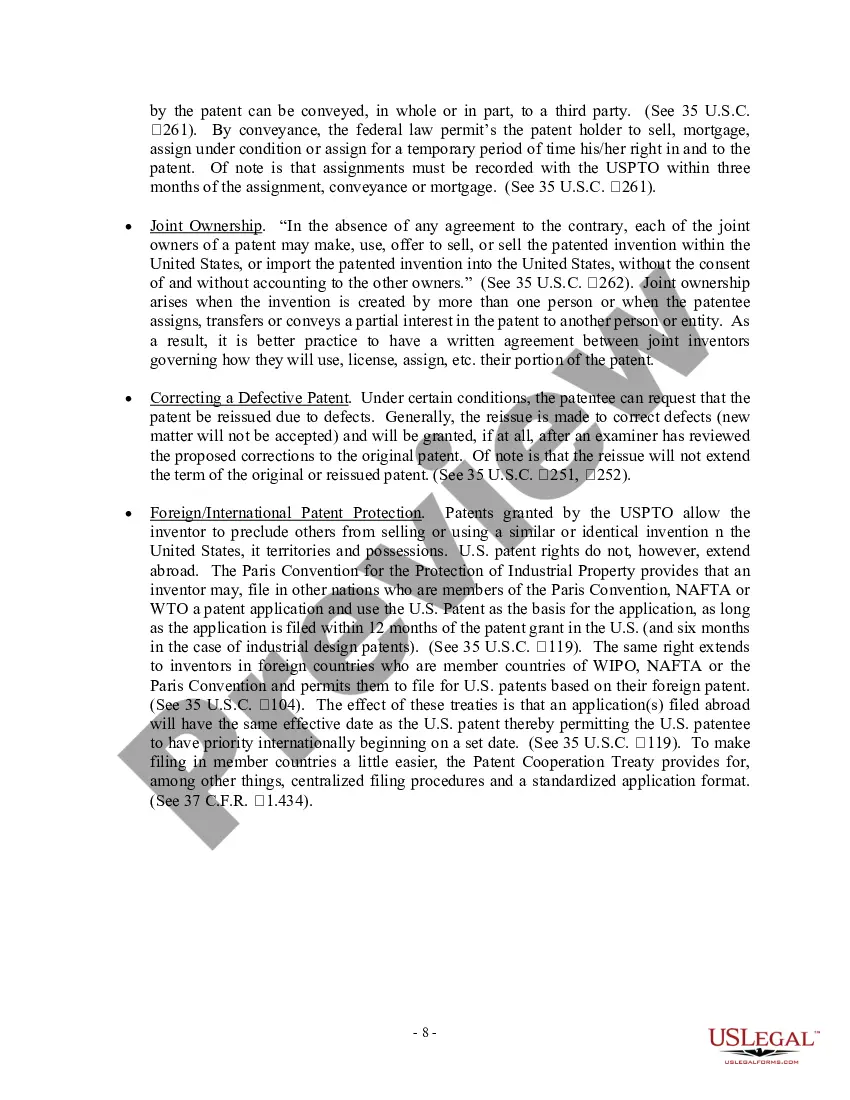
Patent Trademark Application For Meaning In Wayne
Description

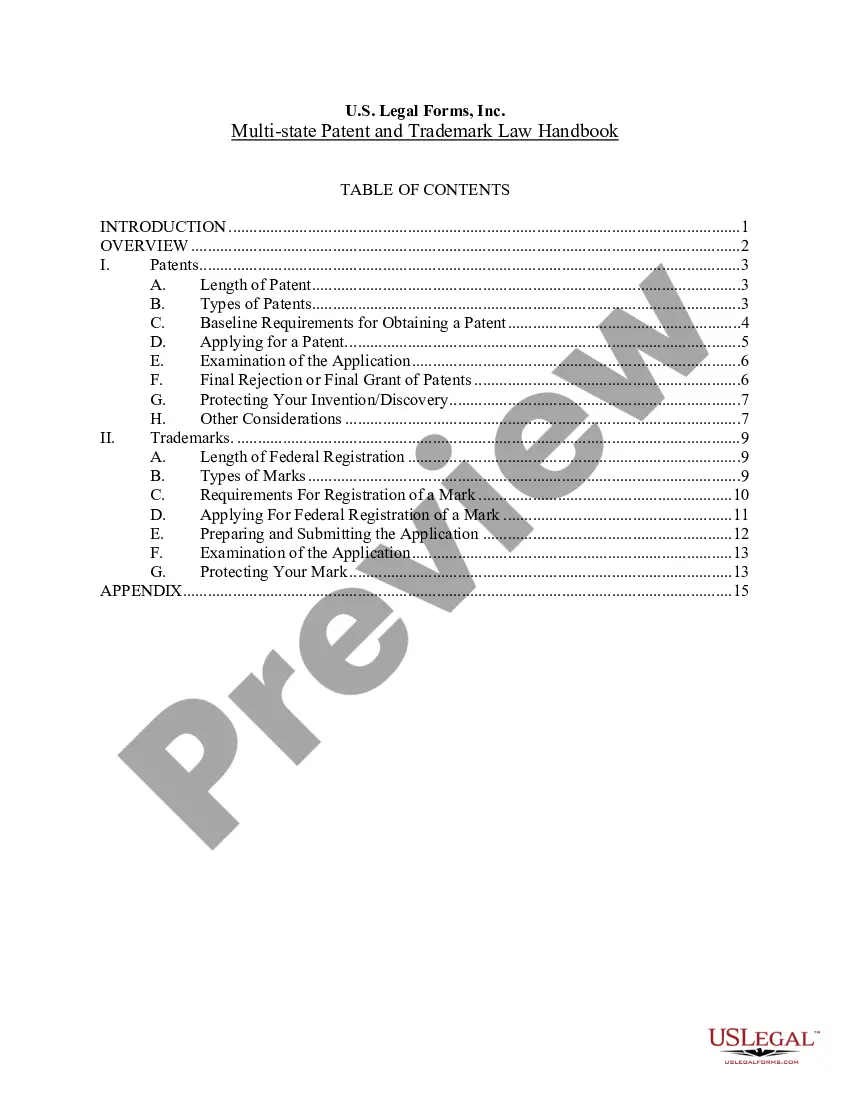
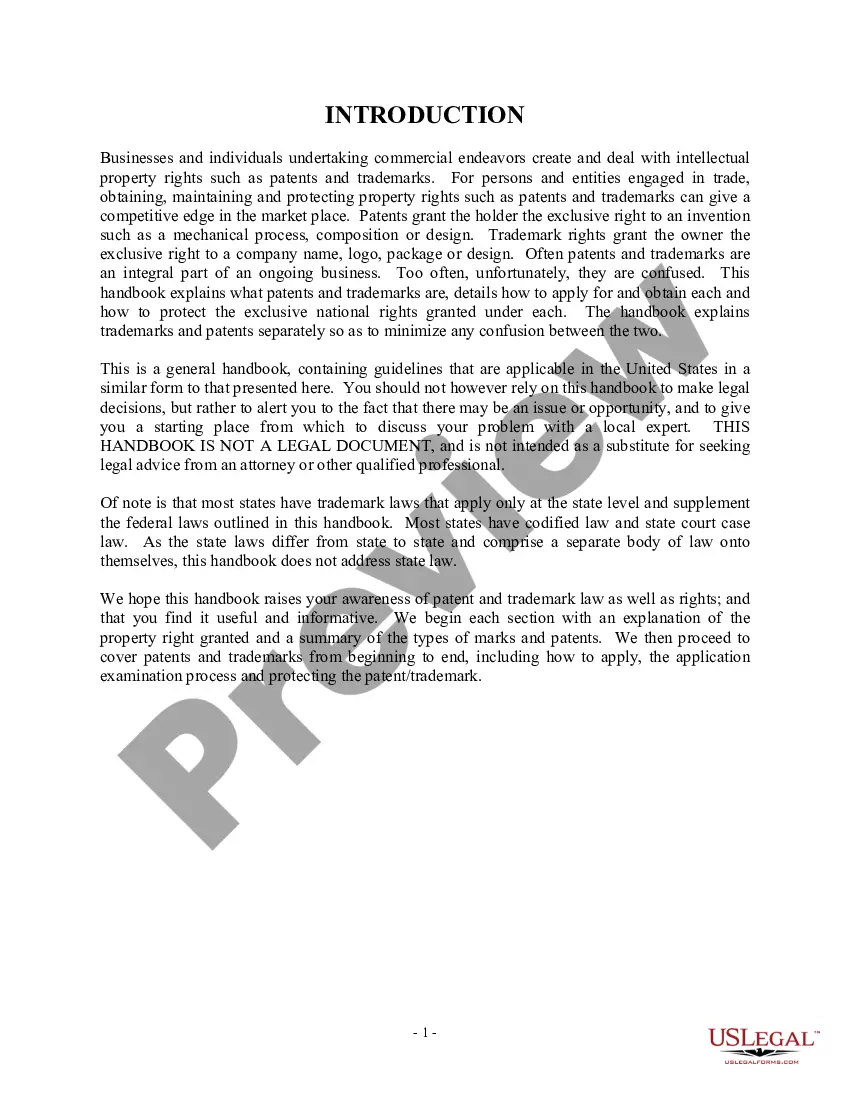
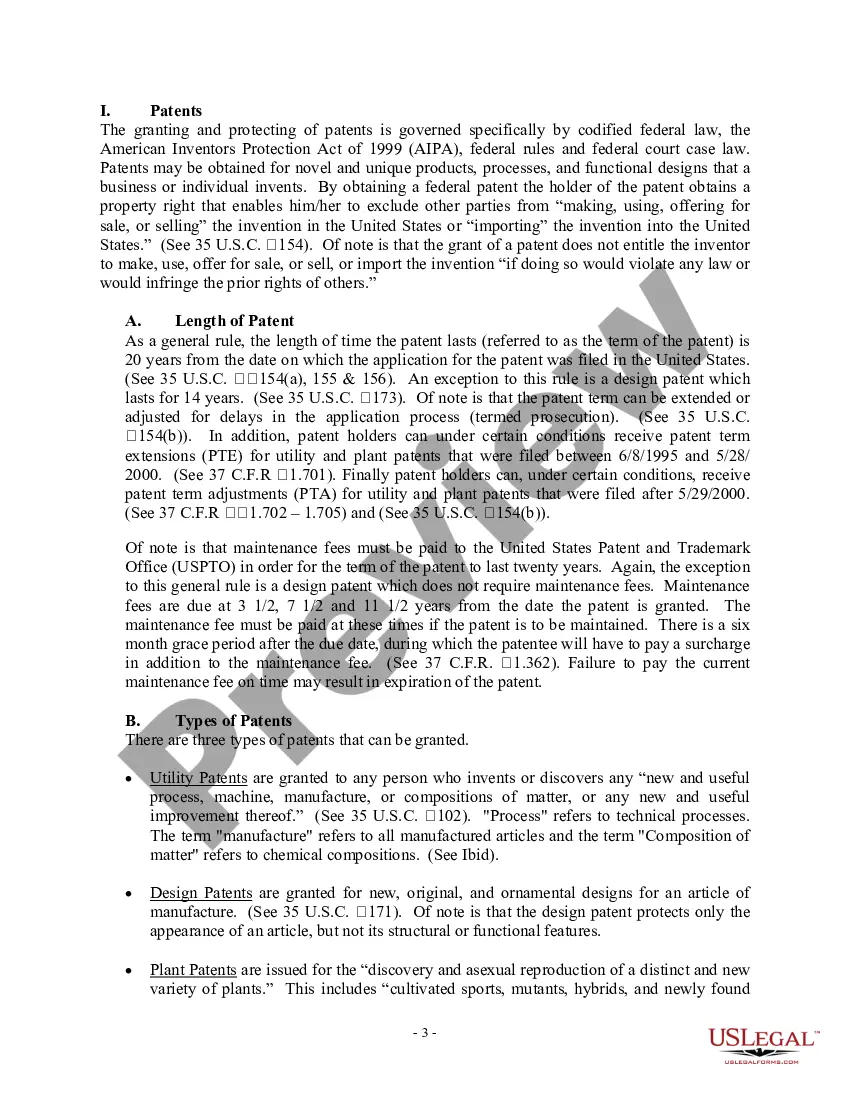



Get your form ready online
Our built-in tools help you complete, sign, share, and store your documents in one place.
Make edits, fill in missing information, and update formatting in US Legal Forms—just like you would in MS Word.
Download a copy, print it, send it by email, or mail it via USPS—whatever works best for your next step.
Sign and collect signatures with our SignNow integration. Send to multiple recipients, set reminders, and more. Go Premium to unlock E-Sign.
If this form requires notarization, complete it online through a secure video call—no need to meet a notary in person or wait for an appointment.
We protect your documents and personal data by following strict security and privacy standards.

Make edits, fill in missing information, and update formatting in US Legal Forms—just like you would in MS Word.

Download a copy, print it, send it by email, or mail it via USPS—whatever works best for your next step.

Sign and collect signatures with our SignNow integration. Send to multiple recipients, set reminders, and more. Go Premium to unlock E-Sign.

If this form requires notarization, complete it online through a secure video call—no need to meet a notary in person or wait for an appointment.

We protect your documents and personal data by following strict security and privacy standards.
Looking for another form?







Form popularity
FAQ
The short answer is yes, a common word, phrase, or expression can be trademarked if the individual or the organization seeking the trademark can clearly demonstrate that the said common word/expression has acquired a unique, secondary meaning apart from the original meaning that is clearly associated with that ...
If you develop a product line or services that are identified by the word mark, then you could file an intent-to-use trademark application with the United States Patent and Trademark Office (USPTO).
You can not register marks that are inherently offensive or obscene. You can not register marks that are generic that simply name a type or class or product or service. For example, you can't trademark “lamp” for a company that makes lamps.
And "Let it be" has been registered by a London-based company as trademark for entertainment (EM 011610383; Nice 41) in 2013. „Spiegel“, wrote, "canonized": "The Beatleshave turned into an idea.
A trademark can be any word, phrase, symbol, design, or a combination of these things that identifies your goods or services. It's how customers recognize you in the marketplace and distinguish you from your competitors.
The process of filing and receiving a trademark for a phrase, saying, quote or term can be broken down into the following 7 steps: Select the Trademark. Conduct a Trademark Search. Prepare Your Application. Monitor the Application Status. Work with the USPTO Examining Attorney and Respond to any Office Actions.
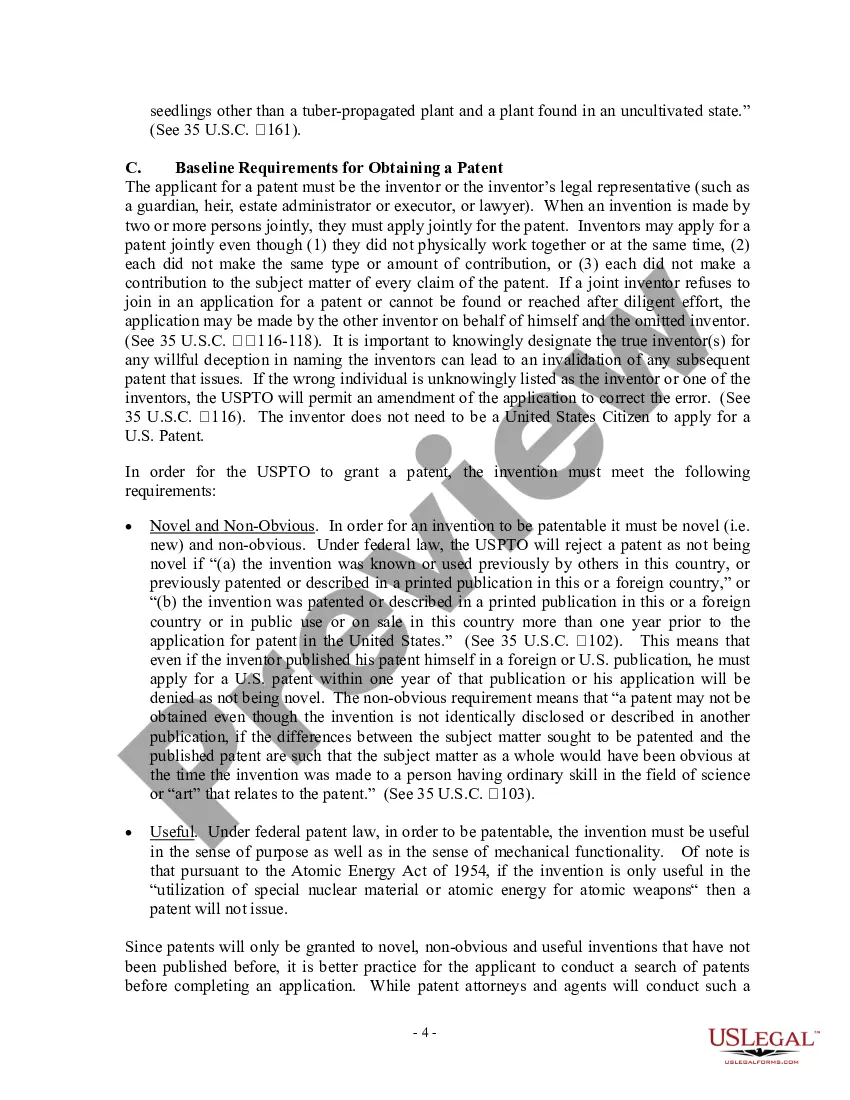
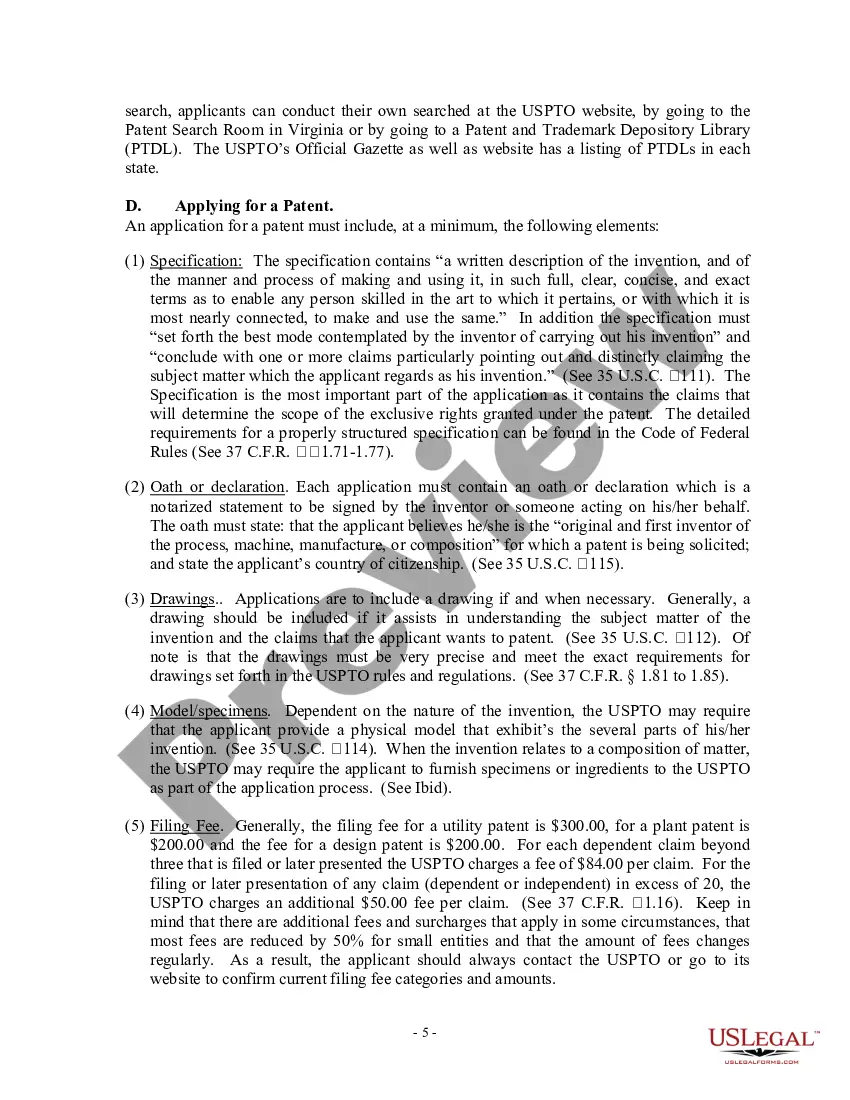
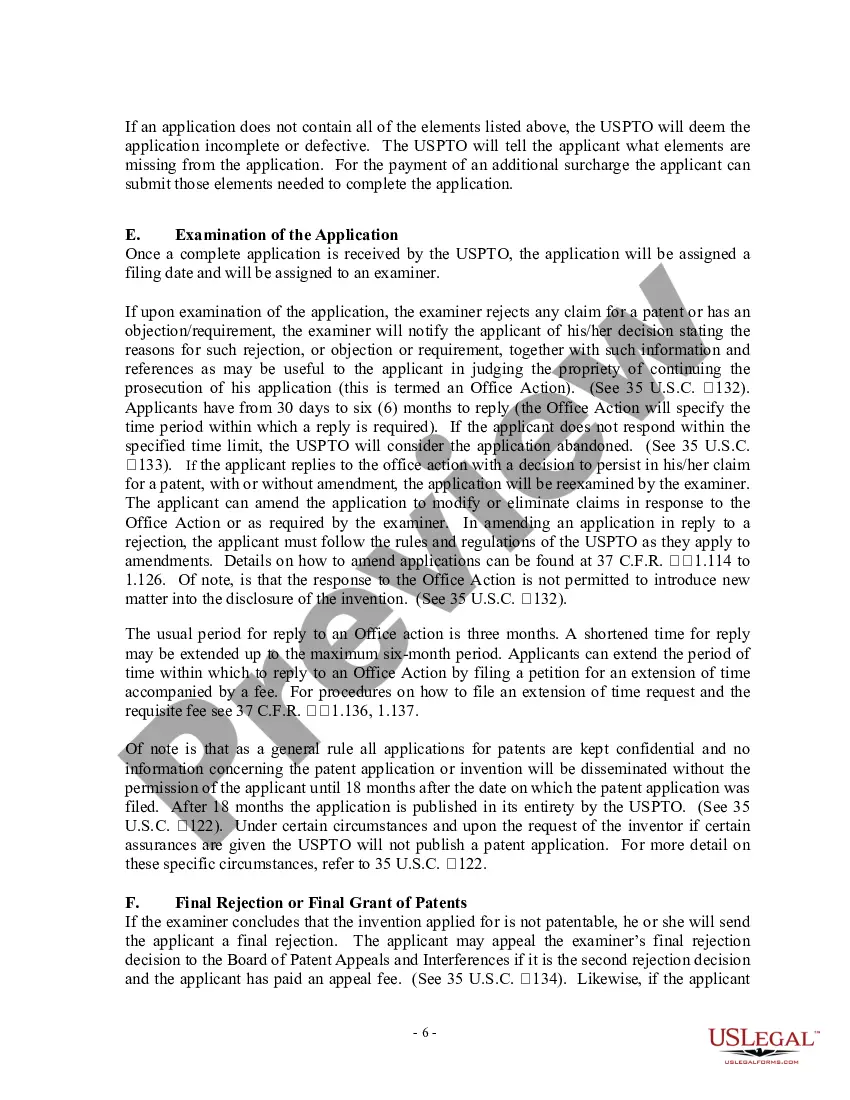
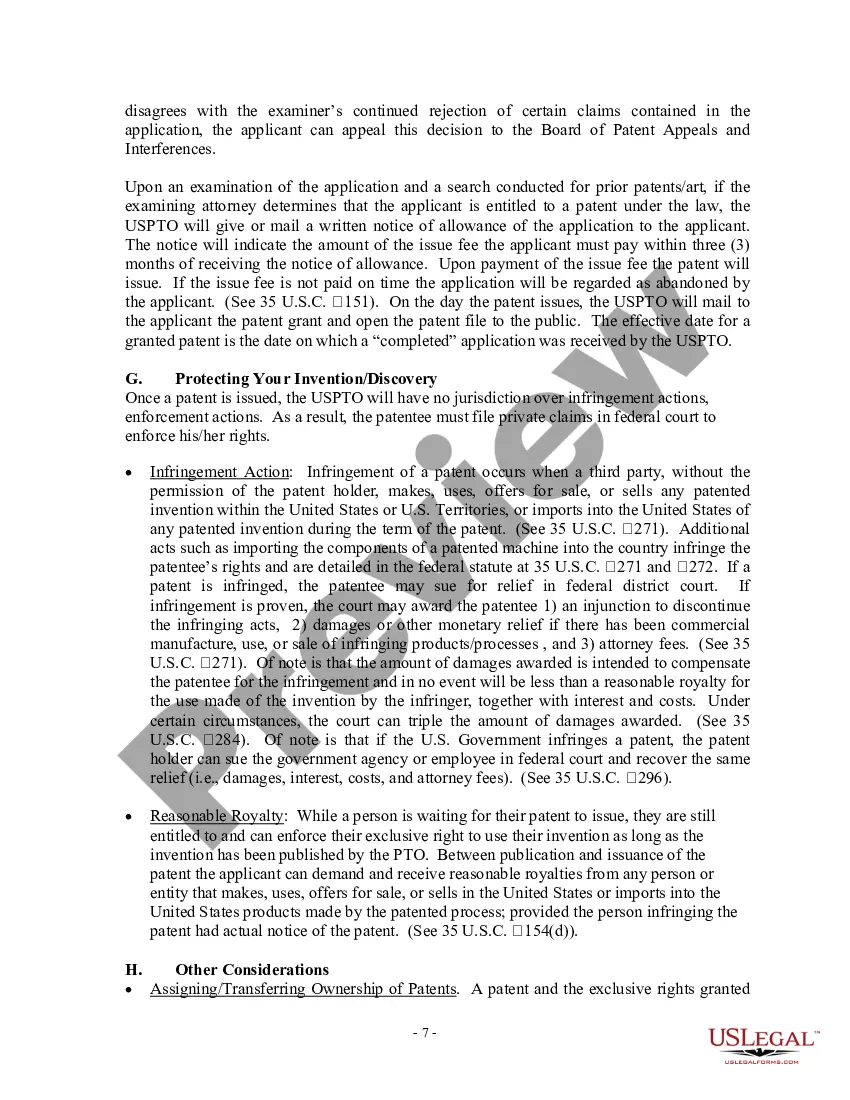
You cannot patent a phrase! Patents are used to protect inventions and novel and non-obvious processes, machines, or compositions of matter. Phrases, on the other hand, typically fall under trademark protection.
Or you can email FeesHelp@uspto. Filing assignments online: Email AssignmentCenter@uspto or call the Assignment Services Division Customer Service Desk at 571-272-3350 Monday - Friday a.m. to 5 p.m. ET. Filing submissions to the Trademark Trial and Appeal Board (TTAB): Email ESTTA@uspto.
Federal registration may be obtained by contacting the United States Patent and Trademark Office at 800-786-9199.
A patent allows the creator of certain kinds of inventions that contain new ideas to keep others from making commercial use of those ideas without the creator's permission. Trademarks, on the other hand, are not concerned with how a new technology is used.
