Trademark Law In Pakistan In Washington
Description

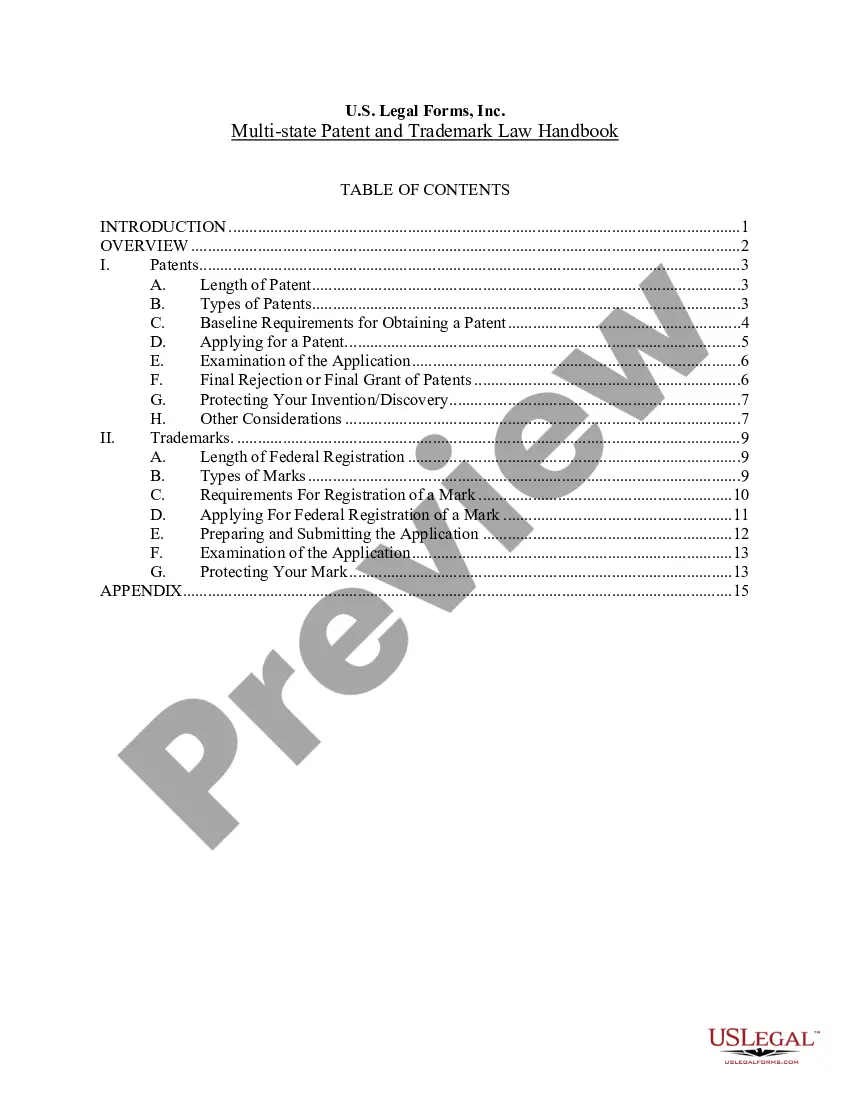
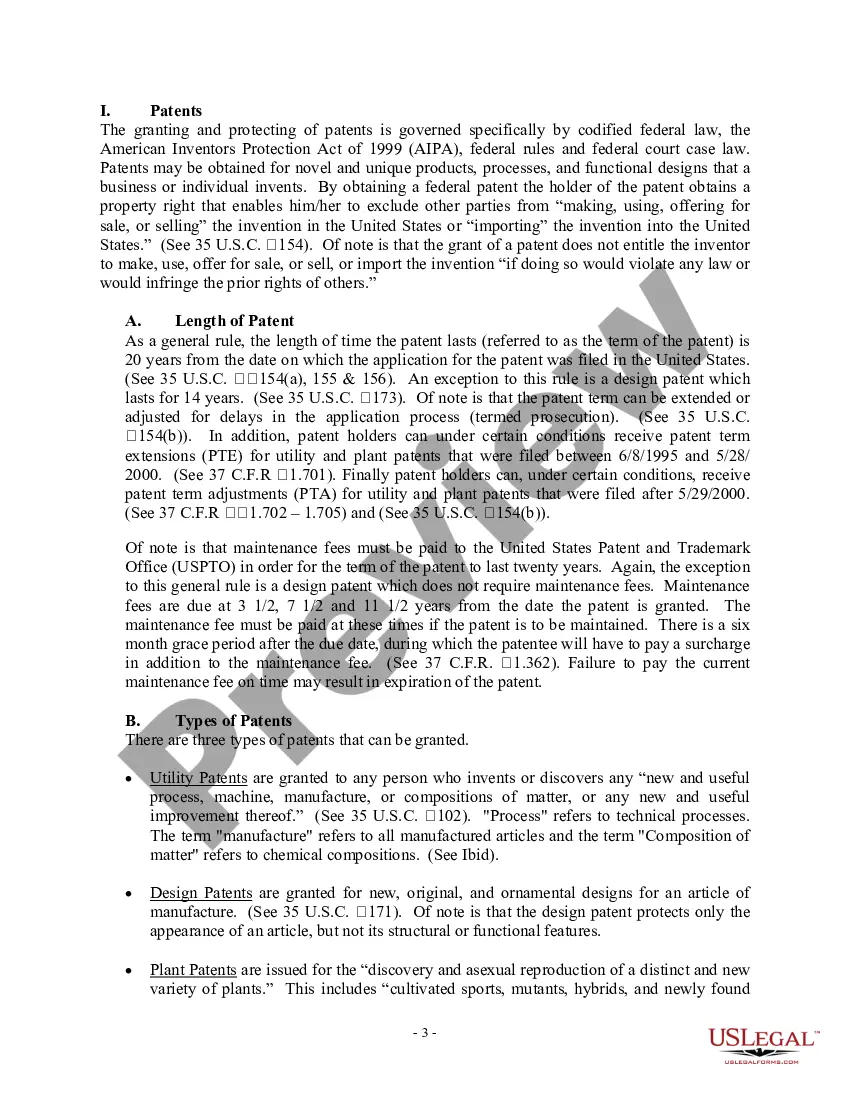


Get your form ready online
Our built-in tools help you complete, sign, share, and store your documents in one place.
Make edits, fill in missing information, and update formatting in US Legal Forms—just like you would in MS Word.
Download a copy, print it, send it by email, or mail it via USPS—whatever works best for your next step.
Sign and collect signatures with our SignNow integration. Send to multiple recipients, set reminders, and more. Go Premium to unlock E-Sign.
If this form requires notarization, complete it online through a secure video call—no need to meet a notary in person or wait for an appointment.
We protect your documents and personal data by following strict security and privacy standards.

Make edits, fill in missing information, and update formatting in US Legal Forms—just like you would in MS Word.

Download a copy, print it, send it by email, or mail it via USPS—whatever works best for your next step.

Sign and collect signatures with our SignNow integration. Send to multiple recipients, set reminders, and more. Go Premium to unlock E-Sign.

If this form requires notarization, complete it online through a secure video call—no need to meet a notary in person or wait for an appointment.

We protect your documents and personal data by following strict security and privacy standards.
Looking for another form?

Form popularity
FAQ
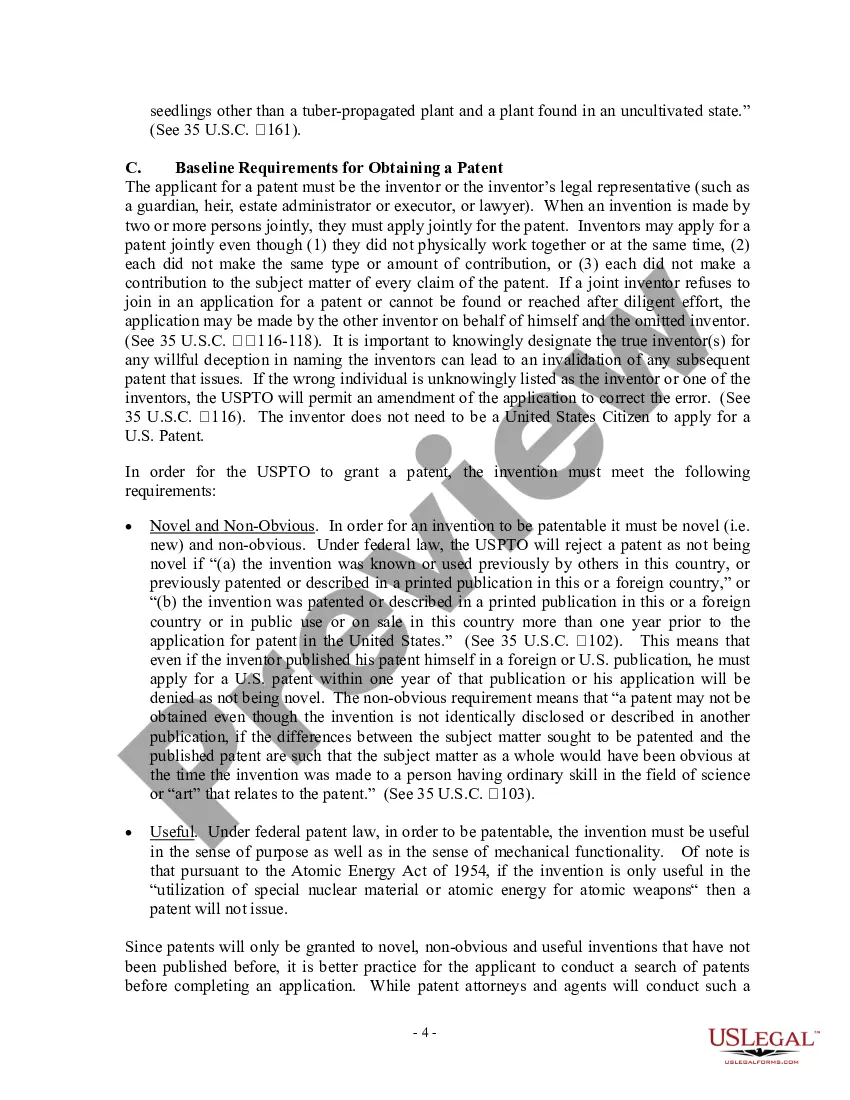
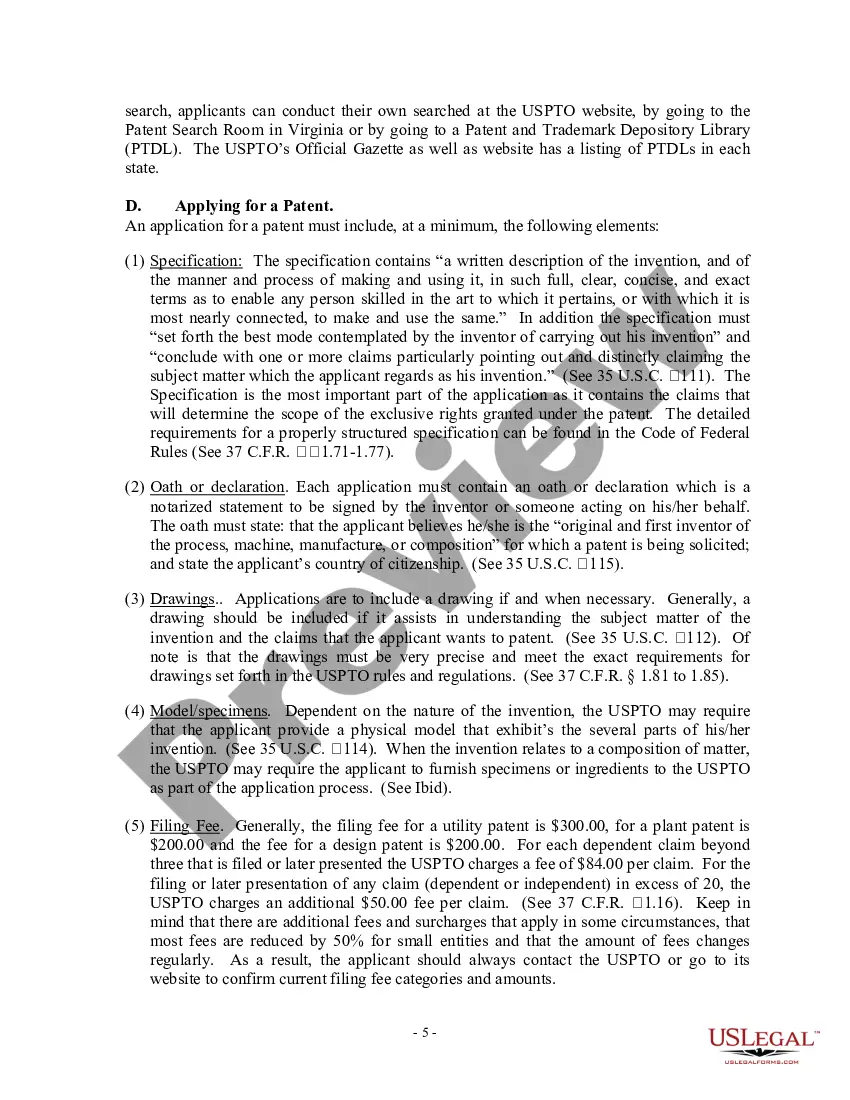
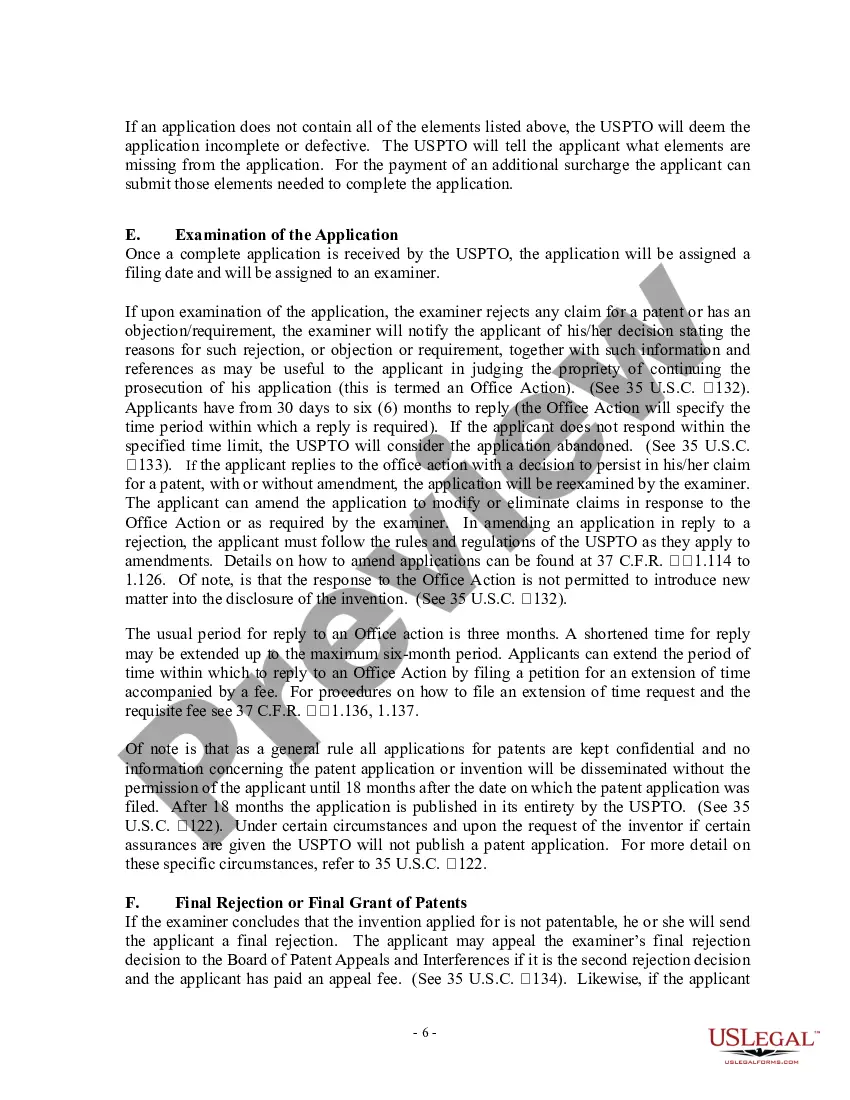
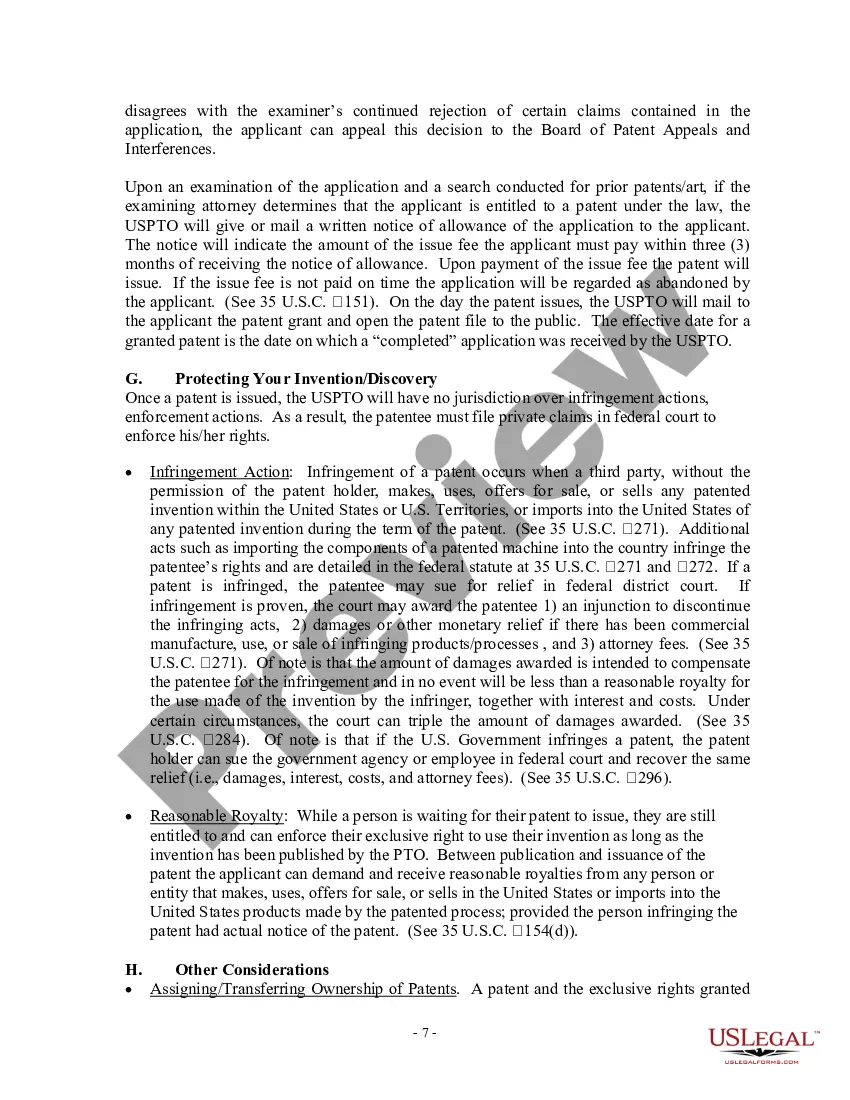
If a business uses a trademark owned by someone else in another country, they may face legal action for trademark infringement. This can result in hefty fines, legal fees, and even the loss of the business's ability to use the trademark.
In Pakistan a trademark application can be filed in 45 classes. Classes 1 to 34 for goods and classes 35 to 45 is for service marks. The Trade Mark Rules, 2004 were published in exercise of the powers conferred in Sub- Section (1) of Section 132 of the Ordinance, 2001 and the Rules came into effect from April 02, 2004.
Like other intellectual property rights, trademark rights are, as a whole, considered to be distinct in each country or jurisdiction (hereinafter “jurisdiction”) in which they are obtained. Each jurisdiction is entitled to recognize and protect trademark rights in a manner that fulfills its policy goals.
There is No “Global Trademark” Although treaties have been entered making it easier for trademark owners to extend protection of their trademarks into other countries, the world's trademark systems remain largely separate and maintained on a country-by-country basis.
No, trademark rights are generally obtained by country or region, such as the EU. A US trademark, for example, may be valid and enforceable only in the United States, but not overseas.
Registering your trademark with the U.S. Patent and Trademark Office (USPTO) gives you trademark protection throughout the United States, but it does not protect your trademark in other countries. To protect your trademark abroad, you need to register it with the foreign countries where you want protection.
Trademark rights are territorial, so yes, it is possible to have the same name in a different country. however, the trademark owner may still attempt to enforce their rights against you.