Patent Trademark Application Withdrawal In San Jose
Description




Get your form ready online
Our built-in tools help you complete, sign, share, and store your documents in one place.
Make edits, fill in missing information, and update formatting in US Legal Forms—just like you would in MS Word.
Download a copy, print it, send it by email, or mail it via USPS—whatever works best for your next step.
Sign and collect signatures with our SignNow integration. Send to multiple recipients, set reminders, and more. Go Premium to unlock E-Sign.
If this form requires notarization, complete it online through a secure video call—no need to meet a notary in person or wait for an appointment.
We protect your documents and personal data by following strict security and privacy standards.

Make edits, fill in missing information, and update formatting in US Legal Forms—just like you would in MS Word.

Download a copy, print it, send it by email, or mail it via USPS—whatever works best for your next step.

Sign and collect signatures with our SignNow integration. Send to multiple recipients, set reminders, and more. Go Premium to unlock E-Sign.

If this form requires notarization, complete it online through a secure video call—no need to meet a notary in person or wait for an appointment.

We protect your documents and personal data by following strict security and privacy standards.
Looking for another form?



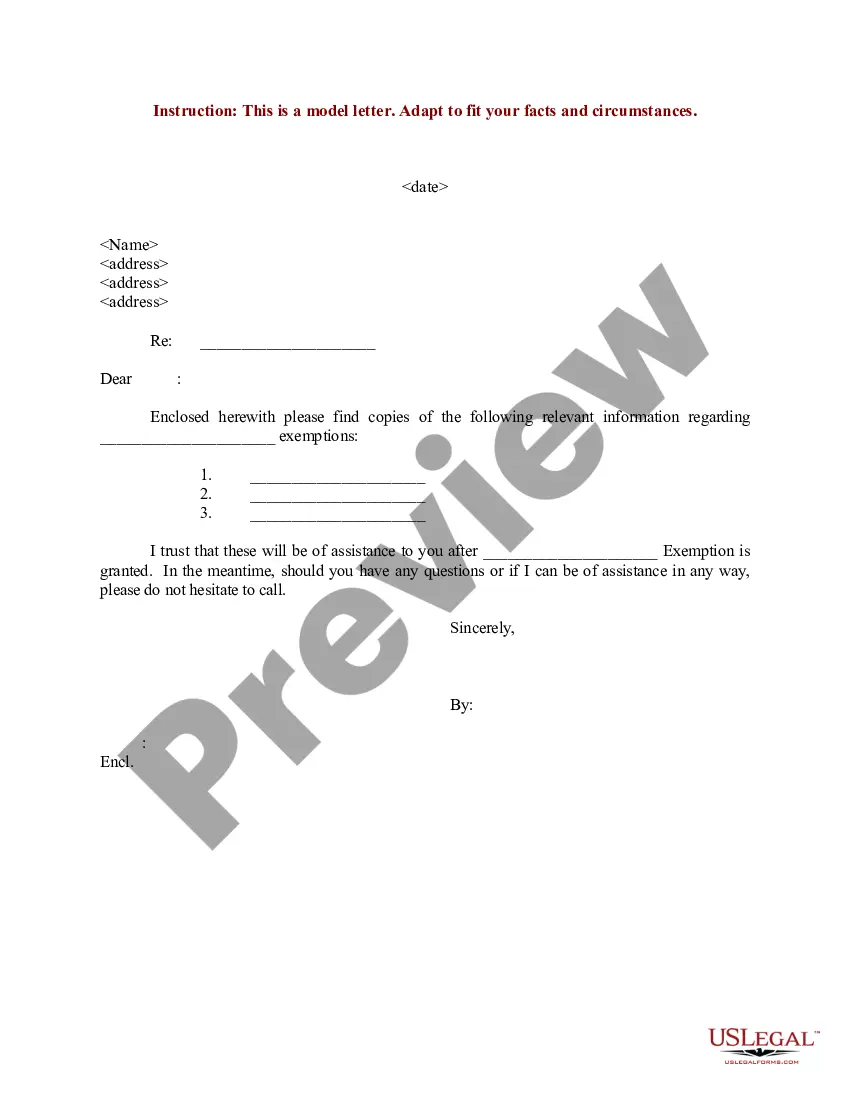
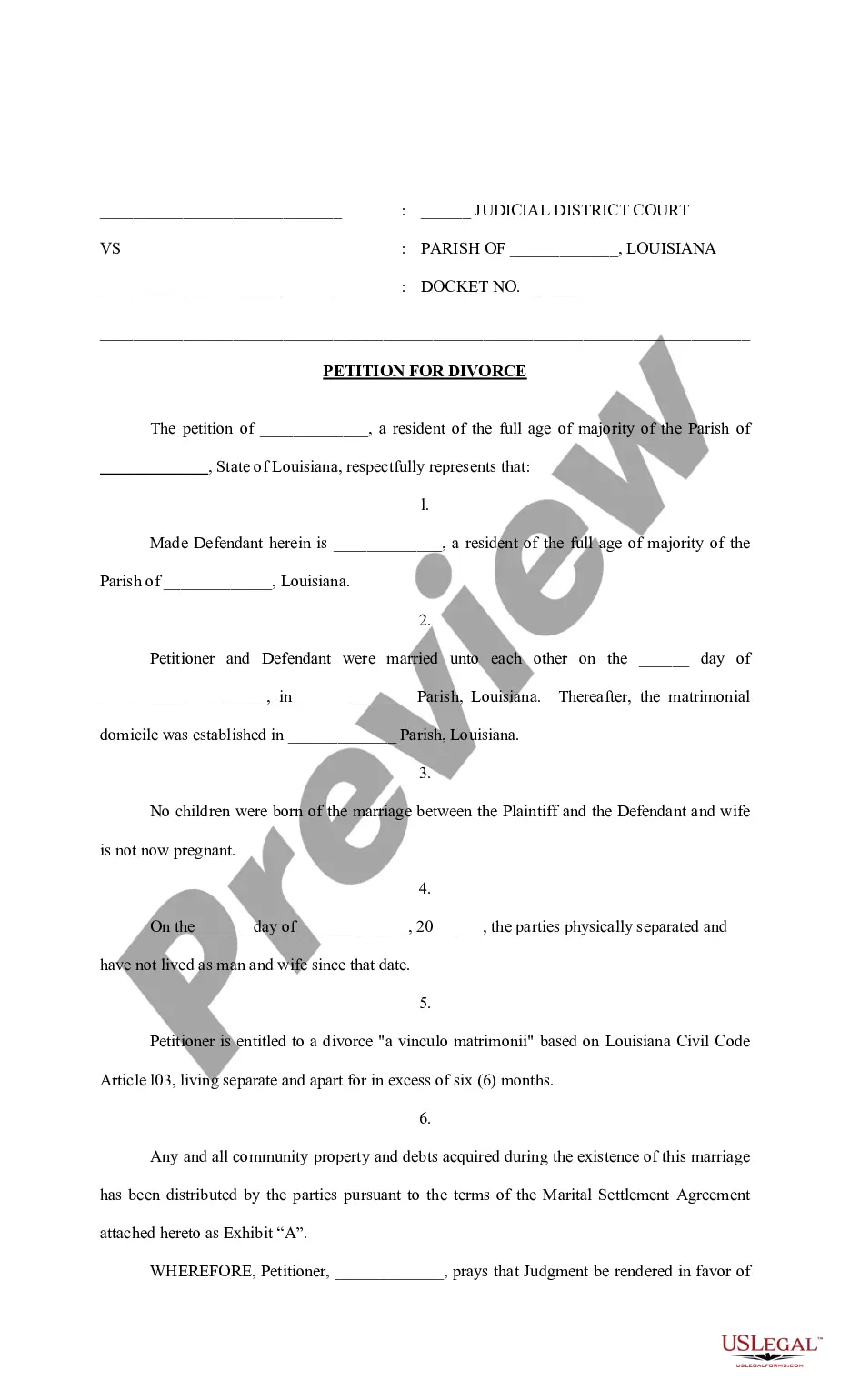



Form popularity
FAQ
Requests to withdraw must be filed using the TEAS Request for Withdrawal as Attorney of Record/Update of USPTO's Database After Power of Attorney Ends form. The TEAS form incorporates the requirements listed below.
Critically, trademark cancellation proceedings are only available to petitioners who are challenging trademarks that have actually achieved Registration – if the trademark is still pending registration, the petitioner/plaintiff should instead commence a Trademark Opposition Proceeding.
The petition should clearly state the grounds for cancellation, provide supporting evidence, and explain why you believe the trademark registration should be canceled. File the Petition: Submit the cancellation petition to the appropriate trademark office or administrative body.
An express abandonment may be filed at any time, including if an extension of time to oppose has been filed, unless the application is currently subject to an appeal, opposition, or concurrent use proceeding before the Trademark Trial and Appeal Board. In those cases, you must file this request directly with the Board.
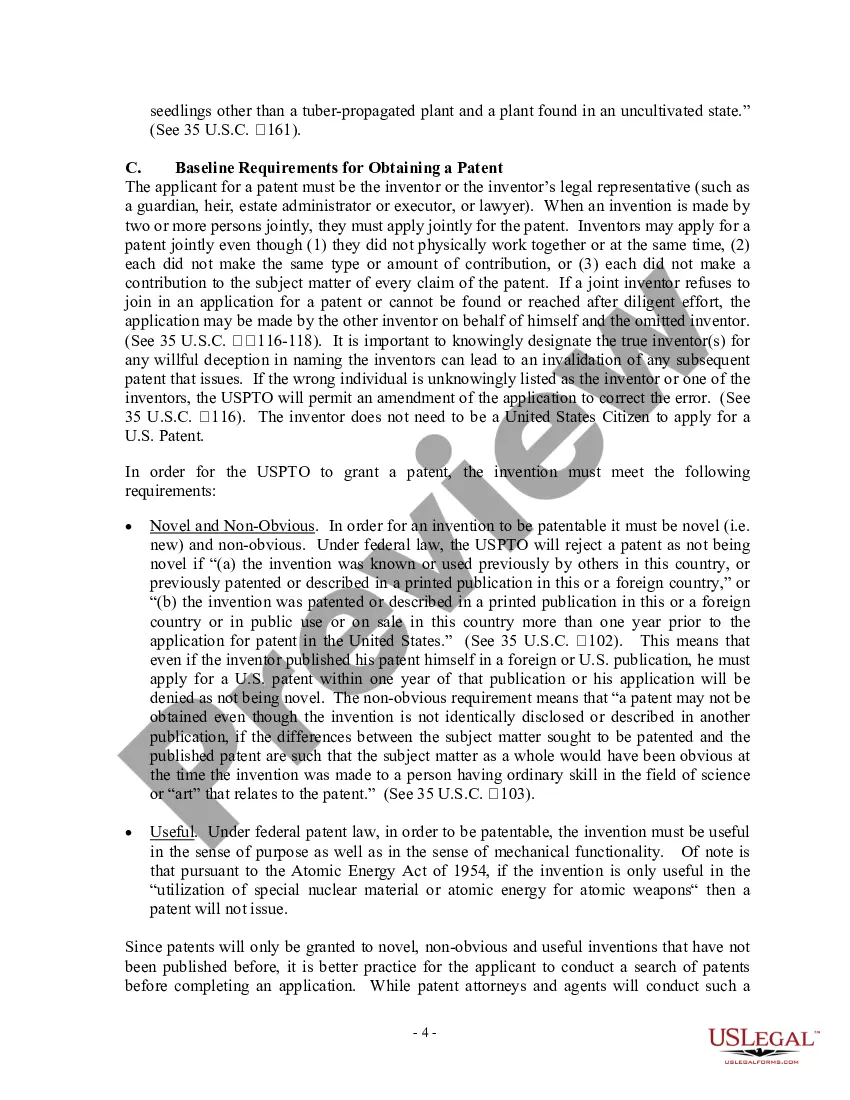
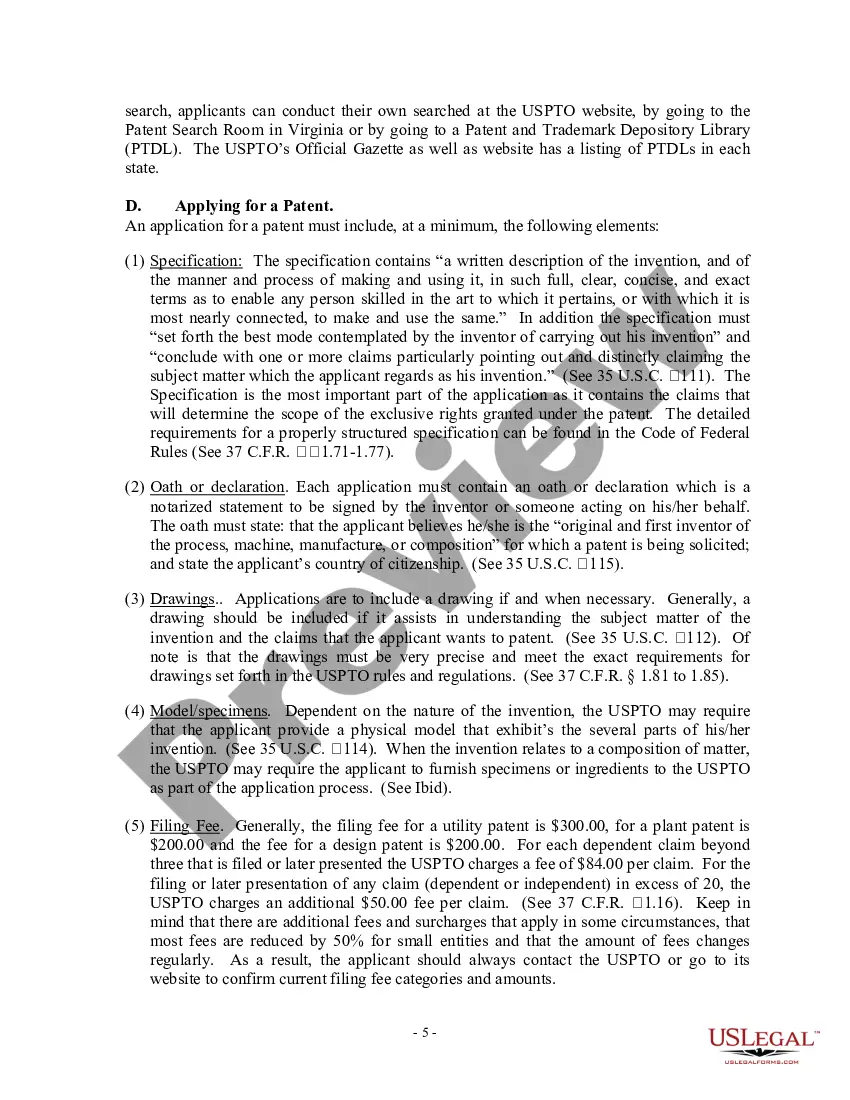
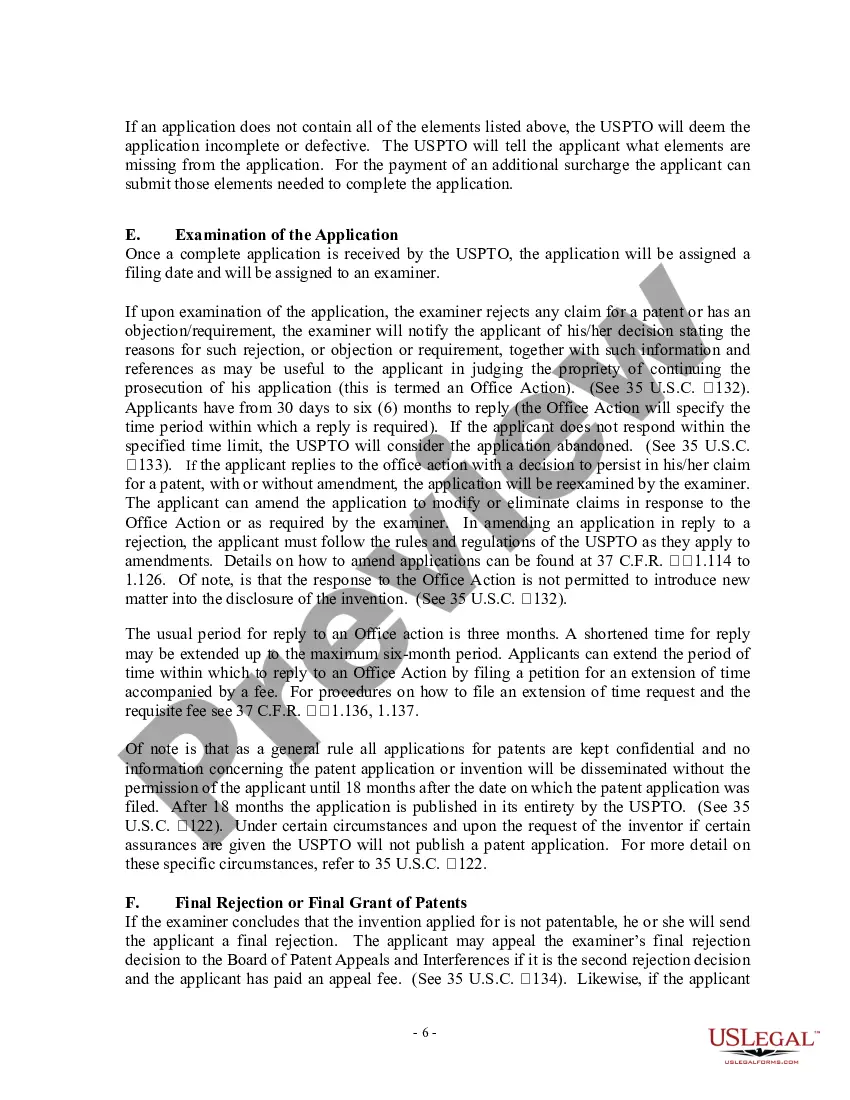
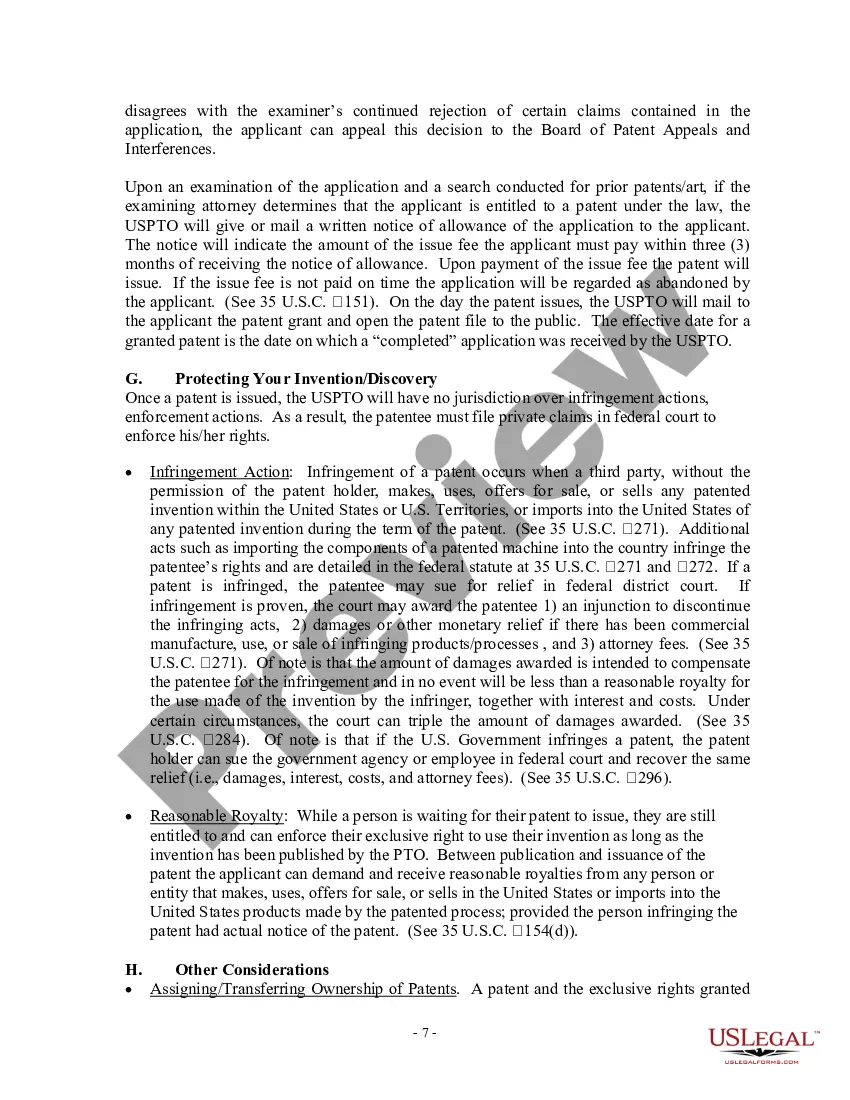
If prior art or publications show that your claims are not new, the USPTO may invalidate, or revoke, your patent, which means that your rights are surrendered. You can appeal this kind of revocation in federal court.
A patent can be revoked if any of these requirements are not met. the patent was granted to a person who was not entitled to be granted that patent. the specification does not disclose the invention clearly and completely enough for it to be performed by a person skilled in the art.
If the examiner determines that the invention falls short, the patent application may be rejected or withdrawn. Furthermore, a patent holder may choose to voluntarily withdraw their patent for strategic or business reasons.
Withdrawal of a patent application can be made by: emailing withdraw@ipo.uk. faxing the Office on 01633 817777. writing to the Office.
Subsections 73(1) and (2) prescribe the reasons for which an application shall be deemed abandoned: “(1) An application for a patent shall be deemed abandoned if the applicant does not (a) reply in good faith to any requisition made by an examiner in connection with an examination, within six months after the ...
File a Petition – Submit a challenge to the Patent Trial and Appeal Board (PTAB). Evidence Submission – Present evidence, including prior art, to support invalidation. Proceedings – Engage in proceedings, including hearings and responses. Decision – The PTAB issues a decision on patent validity.
