Patent Application With Priority Date In Sacramento
Description

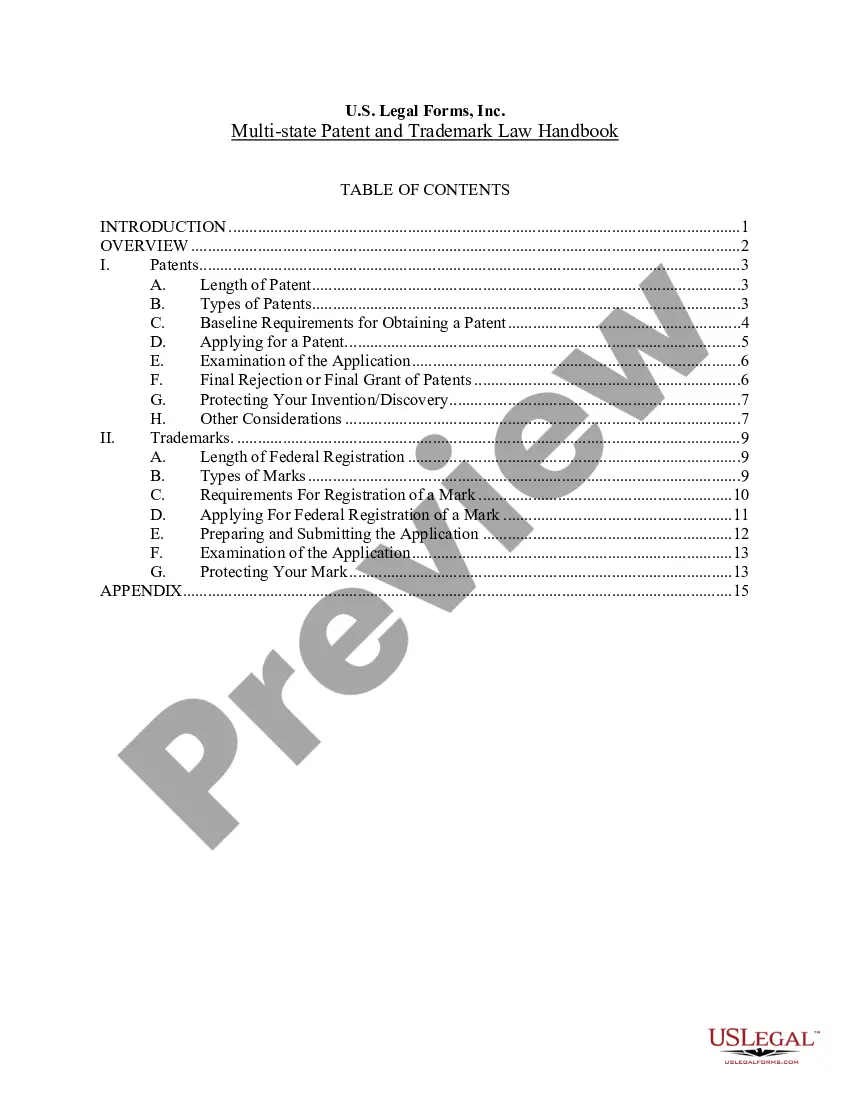
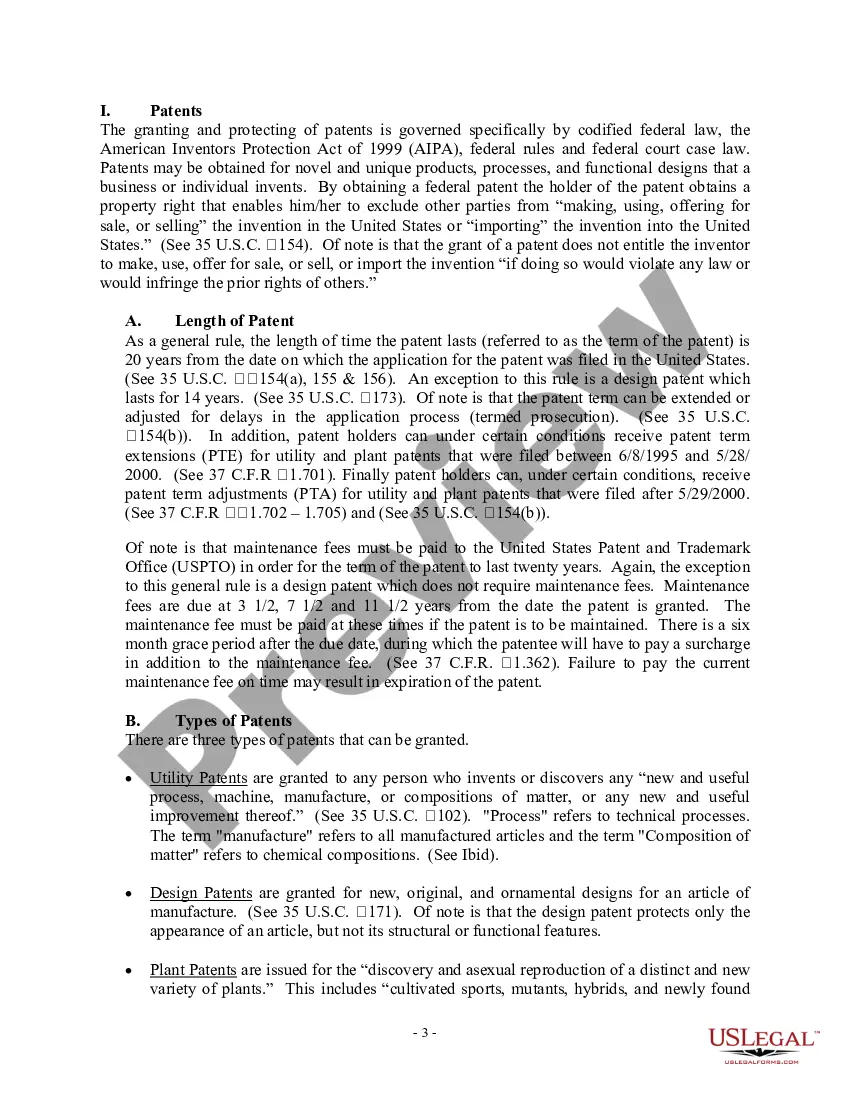



Get your form ready online
Our built-in tools help you complete, sign, share, and store your documents in one place.
Make edits, fill in missing information, and update formatting in US Legal Forms—just like you would in MS Word.
Download a copy, print it, send it by email, or mail it via USPS—whatever works best for your next step.
Sign and collect signatures with our SignNow integration. Send to multiple recipients, set reminders, and more. Go Premium to unlock E-Sign.
If this form requires notarization, complete it online through a secure video call—no need to meet a notary in person or wait for an appointment.
We protect your documents and personal data by following strict security and privacy standards.

Make edits, fill in missing information, and update formatting in US Legal Forms—just like you would in MS Word.

Download a copy, print it, send it by email, or mail it via USPS—whatever works best for your next step.

Sign and collect signatures with our SignNow integration. Send to multiple recipients, set reminders, and more. Go Premium to unlock E-Sign.

If this form requires notarization, complete it online through a secure video call—no need to meet a notary in person or wait for an appointment.

We protect your documents and personal data by following strict security and privacy standards.
Looking for another form?








Form popularity
FAQ
On average, it takes about 1.5 to 2 years to receive a first Office Action in a nonprovisional utility patent application. Since utility applications are rarely allowed without any rejections (i.e., “first action allowance”), you should expect to receive one to three Office Actions, and possibly more.
The period of priority, i.e., the period during which the priority right exists, is usually 6 months for industrial designs and trademarks and 12 months for patents and utility models. The period of priority is often referred to as the priority year for patents and utility models.
If you need to move your ideas quickly, USPTO's Track One prioritized examination will allow you to get a final disposition within about twelve months. The USPTO offers Track One for prioritized examination of your utility and plant patent applications.
What is a priority date and why does it is matter? A. Priority date refers to the earliest filing date in a family of patent applications. If the earliest-filed patent application for a particular invention was a provisional application, then the filing date of the provisional is your priority date.
A priority claim is a helpful, and often critical, way to link a later-filed patent application to an earlier-filed patent application. Known as a priority application, the earlier-filed application must generally have common subject matter and common inventorship in order for a priority claim to be made.
The earliest filing date within a family of patent applications is referred to as the priority date. The priority date would be the filing date of the sole application when just one patent application is involved.
These two terms are often used interchangeably. This can be misleading because they do not always refer to the same date. A filing date is the date you file your application (for trade marks, patents or designs). The priority date is the date your legal right over such trade mark, patent or design commences.
In this form, you will have to furnish information, such as, name and address of the inventor(s), name and address of the applicant(s), information corresponding to prior patent applications relating to the current invention, which you or any authorized entity has filed, and some declarations, among other information.
