Trademark Law In Cambodia In Queens
Description

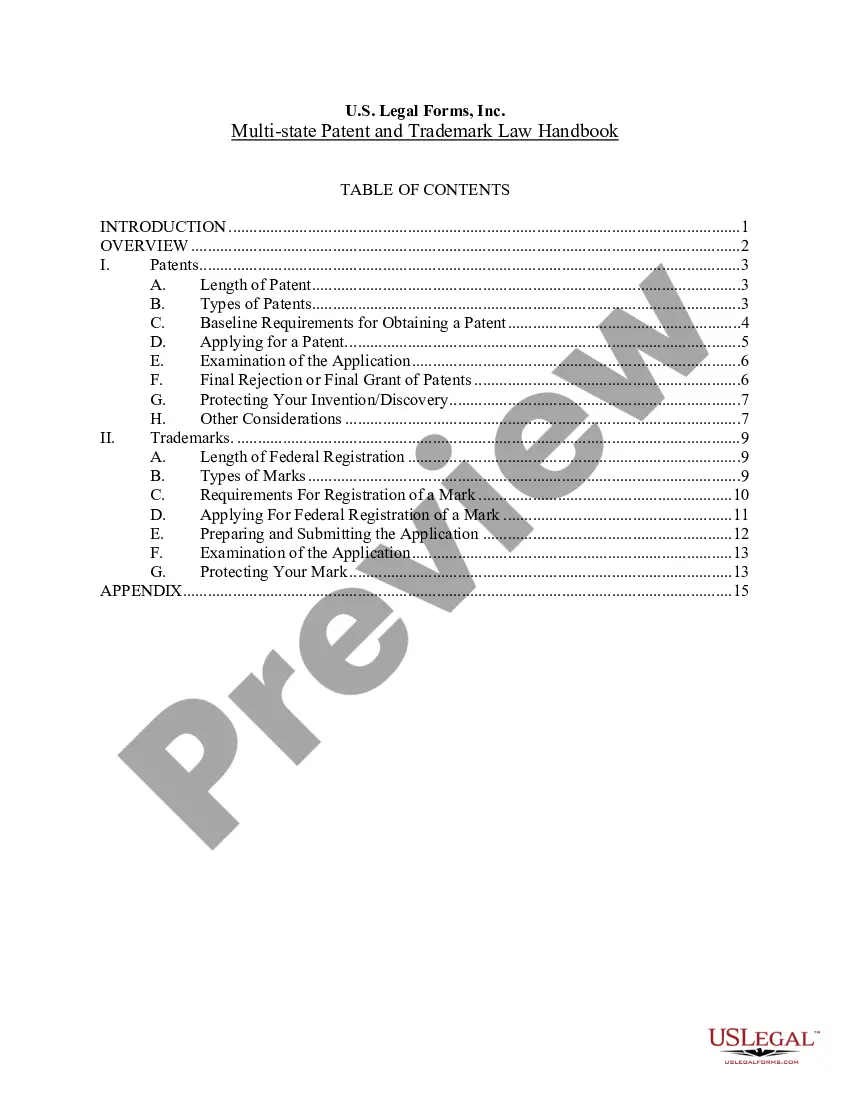
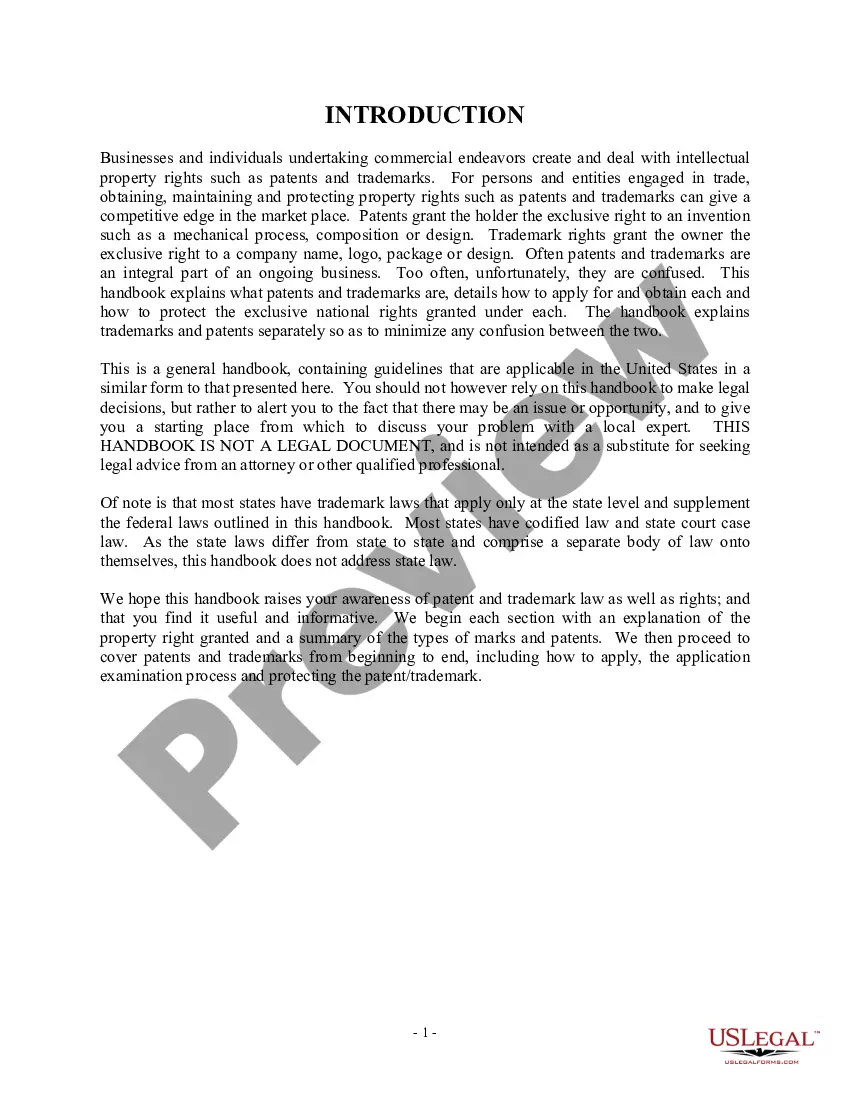
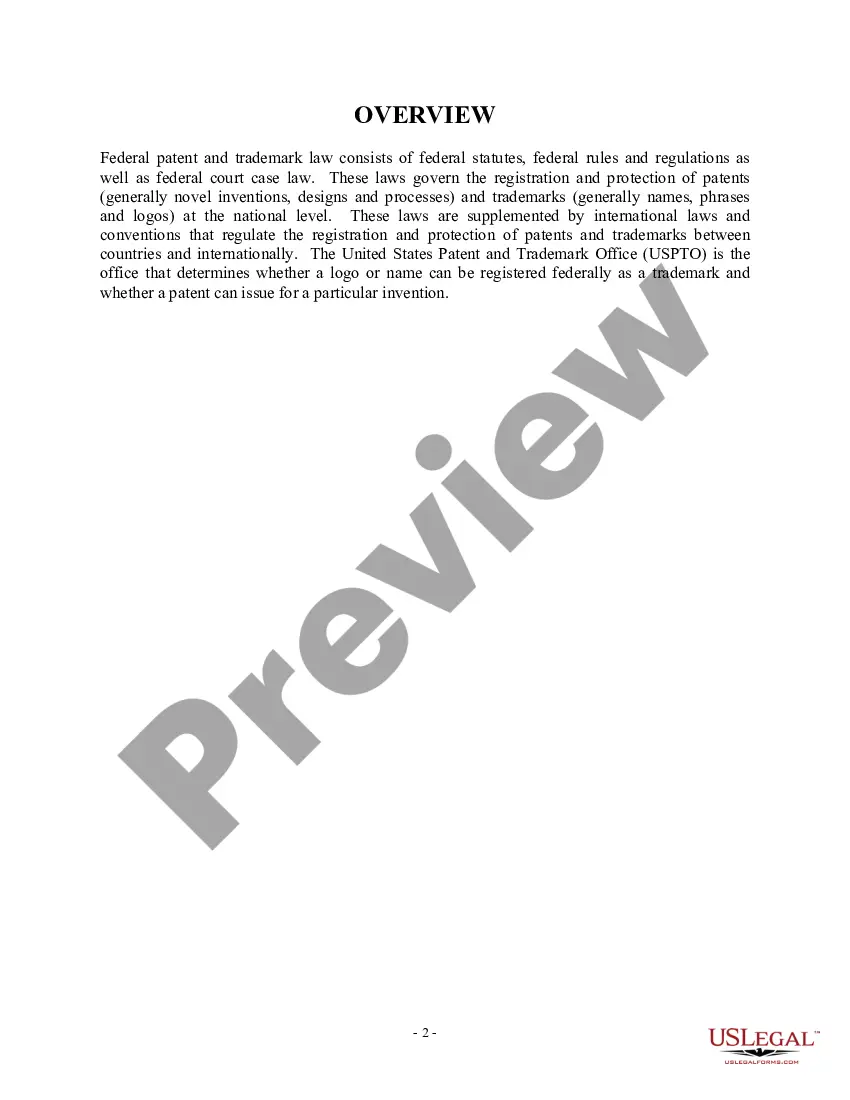
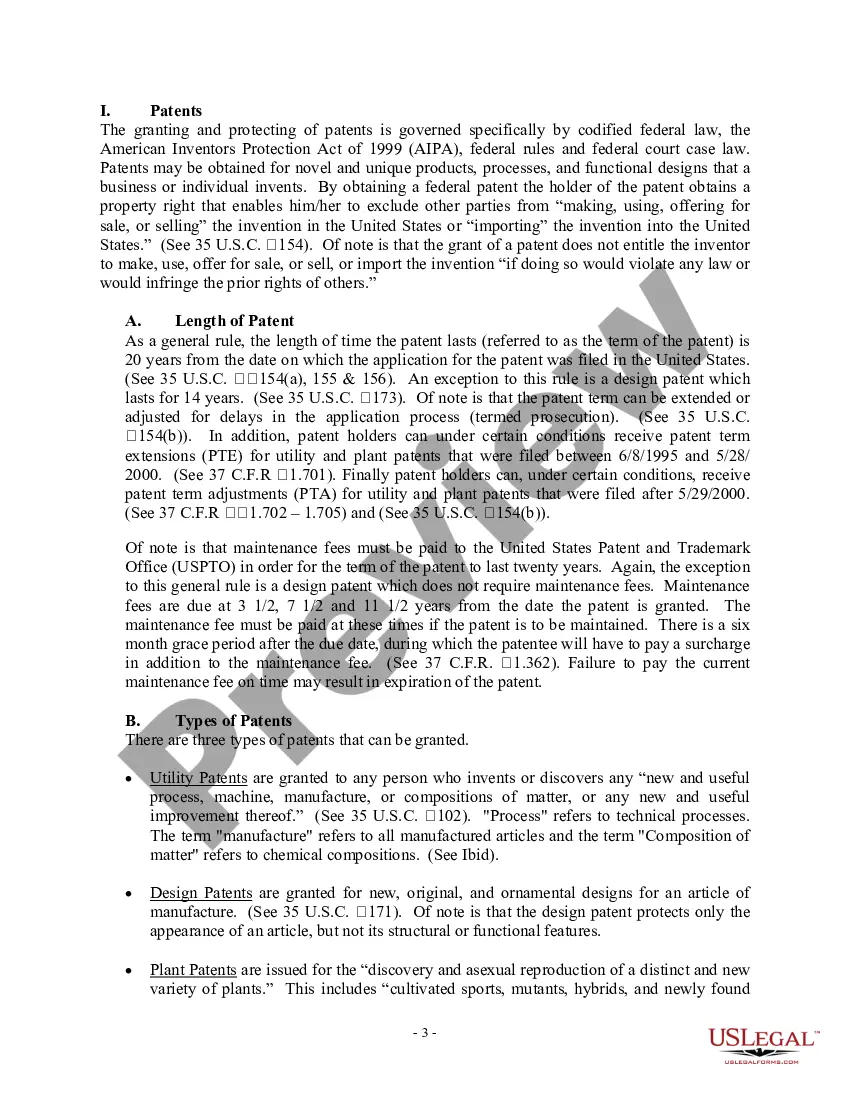



Get your form ready online
Our built-in tools help you complete, sign, share, and store your documents in one place.
Make edits, fill in missing information, and update formatting in US Legal Forms—just like you would in MS Word.
Download a copy, print it, send it by email, or mail it via USPS—whatever works best for your next step.
Sign and collect signatures with our SignNow integration. Send to multiple recipients, set reminders, and more. Go Premium to unlock E-Sign.
If this form requires notarization, complete it online through a secure video call—no need to meet a notary in person or wait for an appointment.
We protect your documents and personal data by following strict security and privacy standards.

Make edits, fill in missing information, and update formatting in US Legal Forms—just like you would in MS Word.

Download a copy, print it, send it by email, or mail it via USPS—whatever works best for your next step.

Sign and collect signatures with our SignNow integration. Send to multiple recipients, set reminders, and more. Go Premium to unlock E-Sign.

If this form requires notarization, complete it online through a secure video call—no need to meet a notary in person or wait for an appointment.

We protect your documents and personal data by following strict security and privacy standards.
Looking for another form?










Form popularity
FAQ
An international trade mark search can be conducted using the Global Brand Database or by checking individual country systems. Australian trade marks do not provide protection overseas. To secure international protection, you need to either use the Madrid System or file applications in your target countries.
An international application may be filed with IPOS in Singapore. Singapore may also be designated as a country for trade mark protection in an international application filed under the Madrid Protocol from a member country.
Yes, you can register a trademark in the US even if you are not a US citizen. A person with any citizenship can register a trademark in the US. However, if you do not live in the United States (i.e. you have a foreign domicile address), you must use an attorney licensed to practice law in the United States.
Foreign companies can set up operations in Singapore in four different ways: Transfer of Registration, Setting up a Representative Office, Incorporating a Subsidiary or Local Company, and Registering a branch of a Foreign Company.
Applying for a Trademark in Cambodia The application requires the full name and address of the applicant, a specimen of the mark, the international classification and list of goods or services. In cases where an agent is filing the trademark application, a notarized power of attorney needs to be submitted.
Trademark process Step 1: Is a trademark application right for you? ... Step 2: Get ready to apply. Step 3: Prepare and submit your application. Step 4: Work with the assigned USPTO examining attorney. Step 5: Receive approval/denial of your application. Step 6: Maintain your registration.
You can file for and manage your trademark's protection in more than 120 countries and regional intellectual property offices using a single streamlined application and payment process. “Madrid Protocol” is the common name for the international trademark registration treaty that makes this process possible.
State whether the trademark is in use or there is a real intent to use. Provide a drawing of the trademark. List the products and/or services sold under the trademark. The trademark must be distinctive.
This protection covers the life of the author, and the whole 50 (fifty) years following his/her decease. In the case of a work of collaboration, the economic rights shall be protected during the life of the last surviving author and for 50 (fifty) years after his/her death.
Some trademark owners may grant others permission to use a trademark without requiring any type of payment. This is why it can be helpful to seek permission from the owner for use, as you may be able to agree on some type of favorable arrangement.
