Patent Trademark Law Without Science Background In Pima
Description

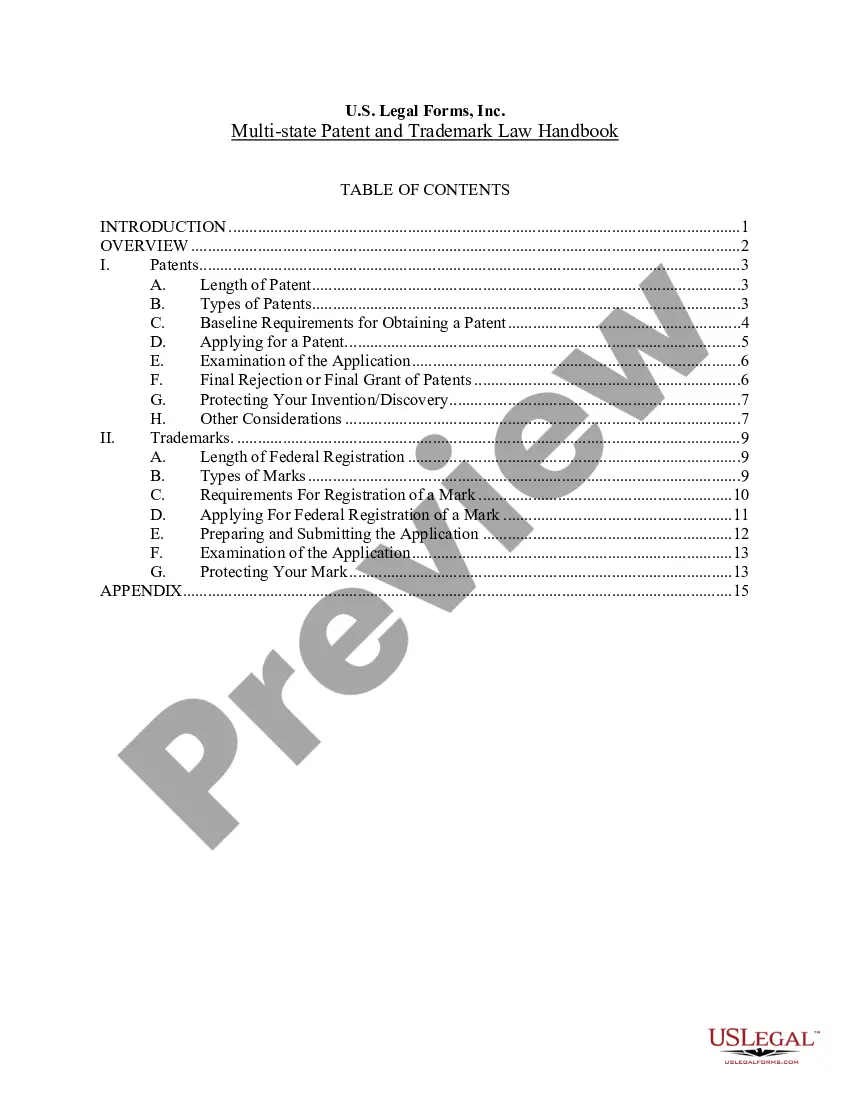
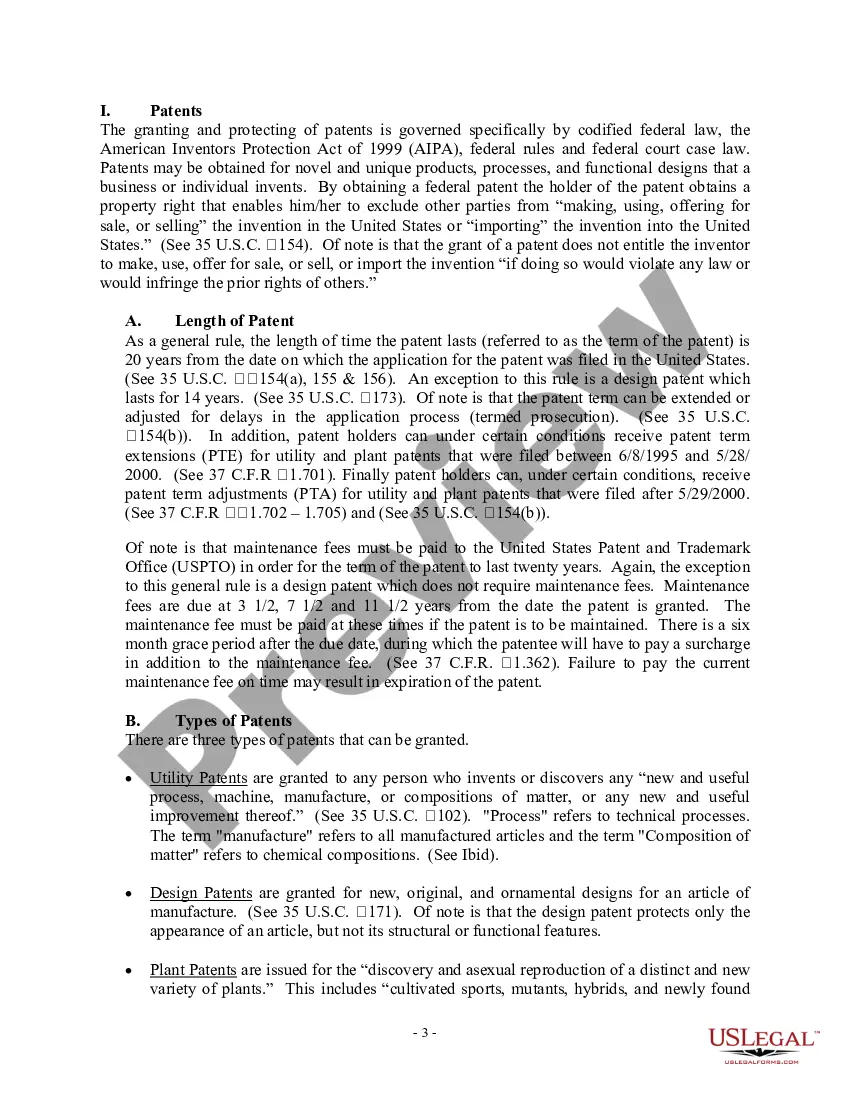



Get your form ready online
Our built-in tools help you complete, sign, share, and store your documents in one place.
Make edits, fill in missing information, and update formatting in US Legal Forms—just like you would in MS Word.
Download a copy, print it, send it by email, or mail it via USPS—whatever works best for your next step.
Sign and collect signatures with our SignNow integration. Send to multiple recipients, set reminders, and more. Go Premium to unlock E-Sign.
If this form requires notarization, complete it online through a secure video call—no need to meet a notary in person or wait for an appointment.
We protect your documents and personal data by following strict security and privacy standards.

Make edits, fill in missing information, and update formatting in US Legal Forms—just like you would in MS Word.

Download a copy, print it, send it by email, or mail it via USPS—whatever works best for your next step.

Sign and collect signatures with our SignNow integration. Send to multiple recipients, set reminders, and more. Go Premium to unlock E-Sign.

If this form requires notarization, complete it online through a secure video call—no need to meet a notary in person or wait for an appointment.

We protect your documents and personal data by following strict security and privacy standards.
Looking for another form?







Form popularity
FAQ
Understanding the different types of intellectual property is an important knowledge that all in-house counsel should master. Patents, trademarks, copyrights, and trade secrets are valuable assets of the company and understanding how they work and how they are created is critical to knowing how to protect them.
What Is a Soft IP Core? A soft IP core is generally offered as synthesizable register-transfer level (RTL) models. These are developed in a hardware description language such as SystemVerilog, VHDL, or occasionally are provided synthesized with a gate level netlist.
A patent is a form of right granted by the government to an inventor or their successor-in-title, giving the owner the right to exclude others from making, using, selling, offering to sell, and importing an invention for a limited period of time, in exchange for the public disclosure of the invention.
On the EU level, the term soft law has been used to describe various kinds of quasi-legal acts of the European Communities, such as "codes of conduct", "guidelines", "notices", "recommendations", or "communications".
In the United States, patent agents can perform a variety of the same tasks as attorneys, including representing clients before the USPTO. However, unlike patent attorneys, patent agents cannot represent clients in other legal matters, such as prosecuting an infringement in court.
Soft IP is intellectual property other than patents, including copyrights, trademarks, and trade secrets. It can also describe other assets that are harder to categorize, such as general knowledge about a product or confidential information held by a company.
Patent agents require 12 months of work experience in the patent field and successful completion of examinations set by the Commissioner of Patents. They may also be required to be listed in the register of patent agents.
