Patent Trademark Law For Pharmaceutical Companies In Orange
Description

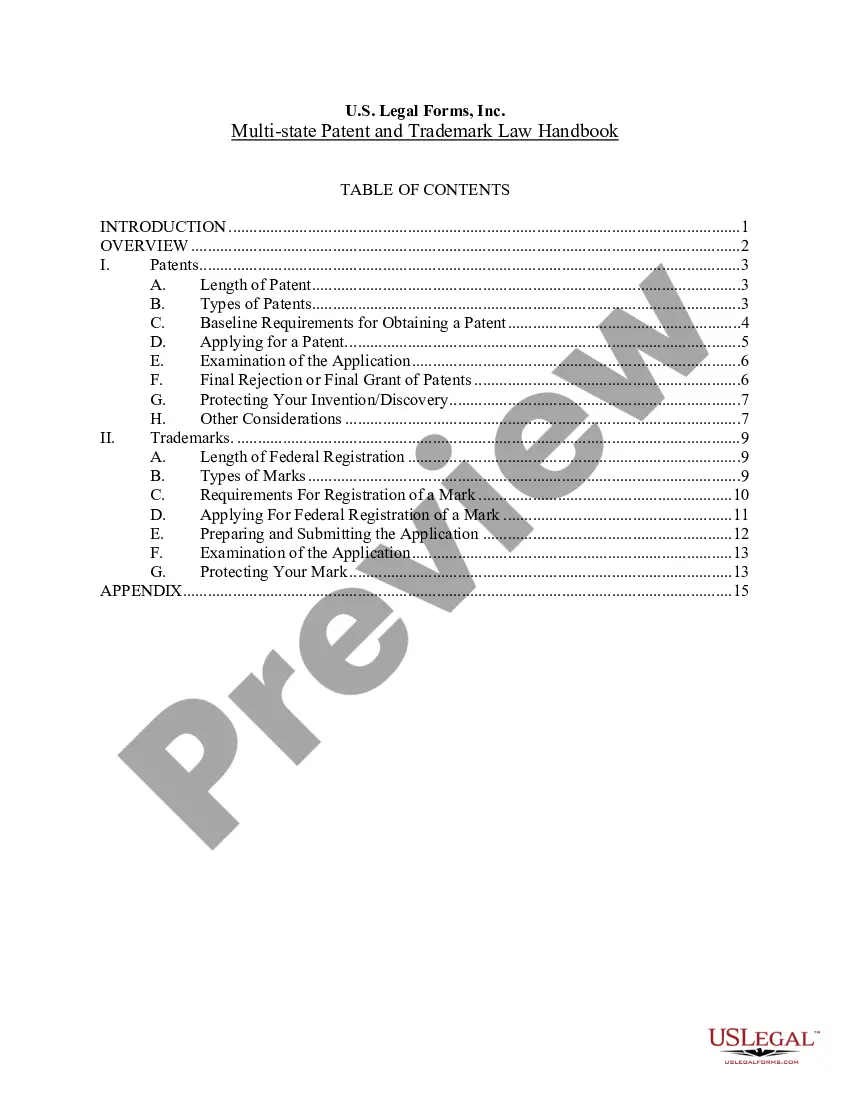
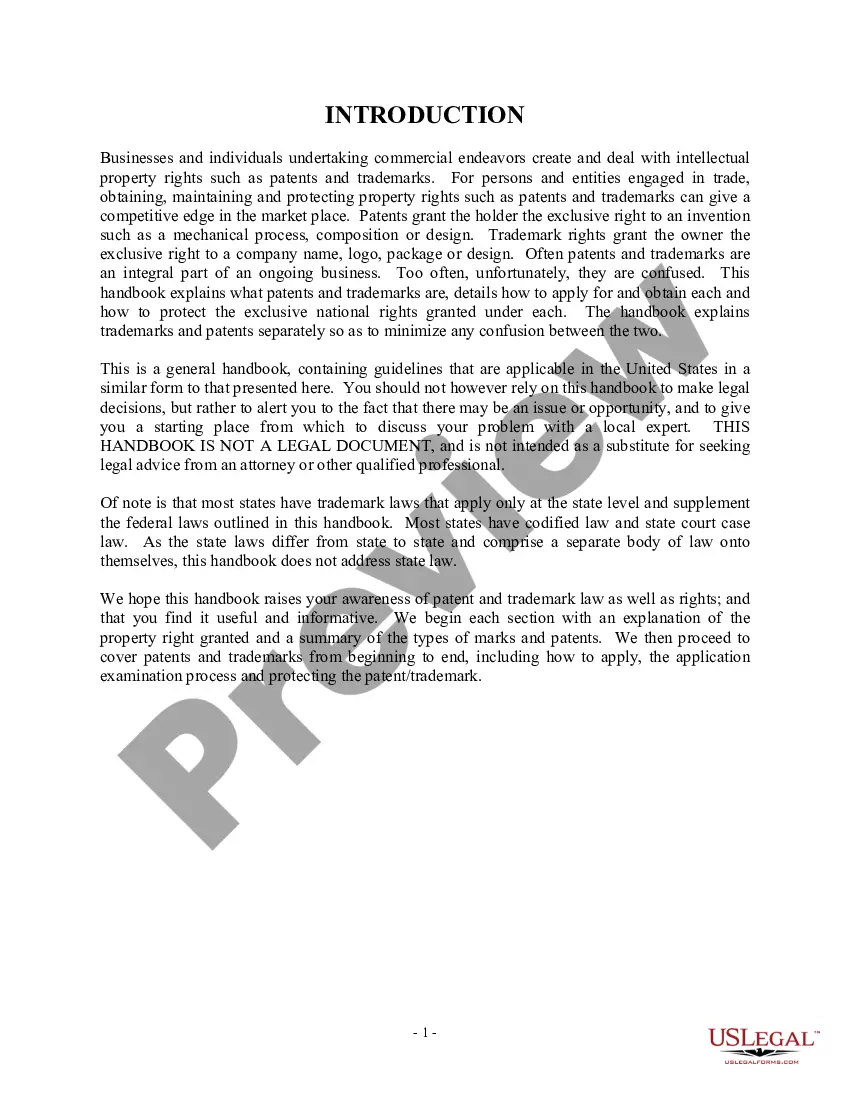
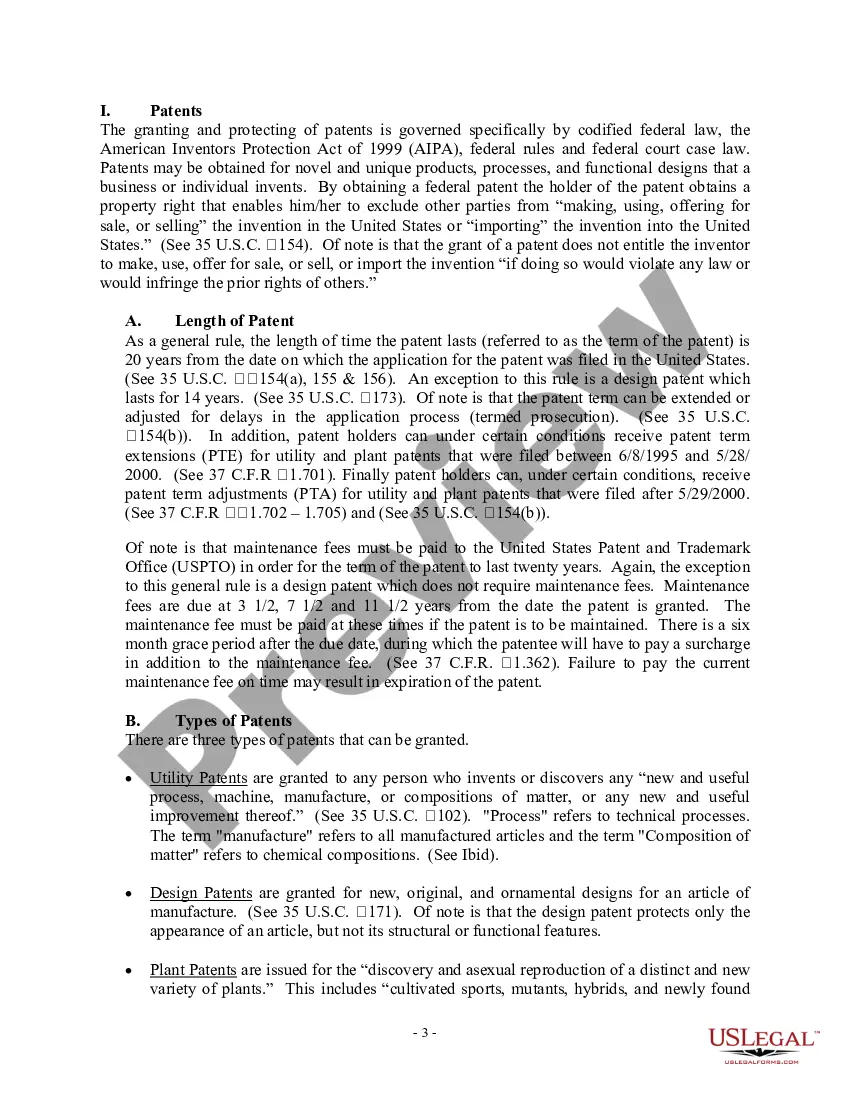


Get your form ready online
Our built-in tools help you complete, sign, share, and store your documents in one place.
Make edits, fill in missing information, and update formatting in US Legal Forms—just like you would in MS Word.
Download a copy, print it, send it by email, or mail it via USPS—whatever works best for your next step.
Sign and collect signatures with our SignNow integration. Send to multiple recipients, set reminders, and more. Go Premium to unlock E-Sign.
If this form requires notarization, complete it online through a secure video call—no need to meet a notary in person or wait for an appointment.
We protect your documents and personal data by following strict security and privacy standards.

Make edits, fill in missing information, and update formatting in US Legal Forms—just like you would in MS Word.

Download a copy, print it, send it by email, or mail it via USPS—whatever works best for your next step.

Sign and collect signatures with our SignNow integration. Send to multiple recipients, set reminders, and more. Go Premium to unlock E-Sign.

If this form requires notarization, complete it online through a secure video call—no need to meet a notary in person or wait for an appointment.

We protect your documents and personal data by following strict security and privacy standards.
Looking for another form?

Form popularity
FAQ
By statute, a company seeking FDA approval of a new drug must include in their new drug application (NDA) any patent that either (1) “claims the drug” and “is a drug substance (active ingredient) patent or a drug product (formulation or composition) patent”; or (2) “claims a method of using such drug for which approval ...
In the US, as well as most other countries, patents are a legal mechanism that allow pharmaceutical companies to exclusively sell a drug they have developed, helping them recoup their investment A patent is a legal document that guarantees an inventor the sole right to market their invention for a certain amount of ...
A patent only gives an inventor the right to prevent others from using the patented invention. It says nothing about whether the product is safe for consumers and whether it can be supplied. Patented pharmaceuticals still have to go through rigorous testing and approval before they can be put on the market.
The patenting process involves filing a provisional patent application, followed by a non-provisional application, and enforcement of the patent's rights. Patenting a pharmaceutical drug is a complex process, requiring expertise in patent law and the drug development process.
