Forms In Indian Patent Act In North Carolina
Description

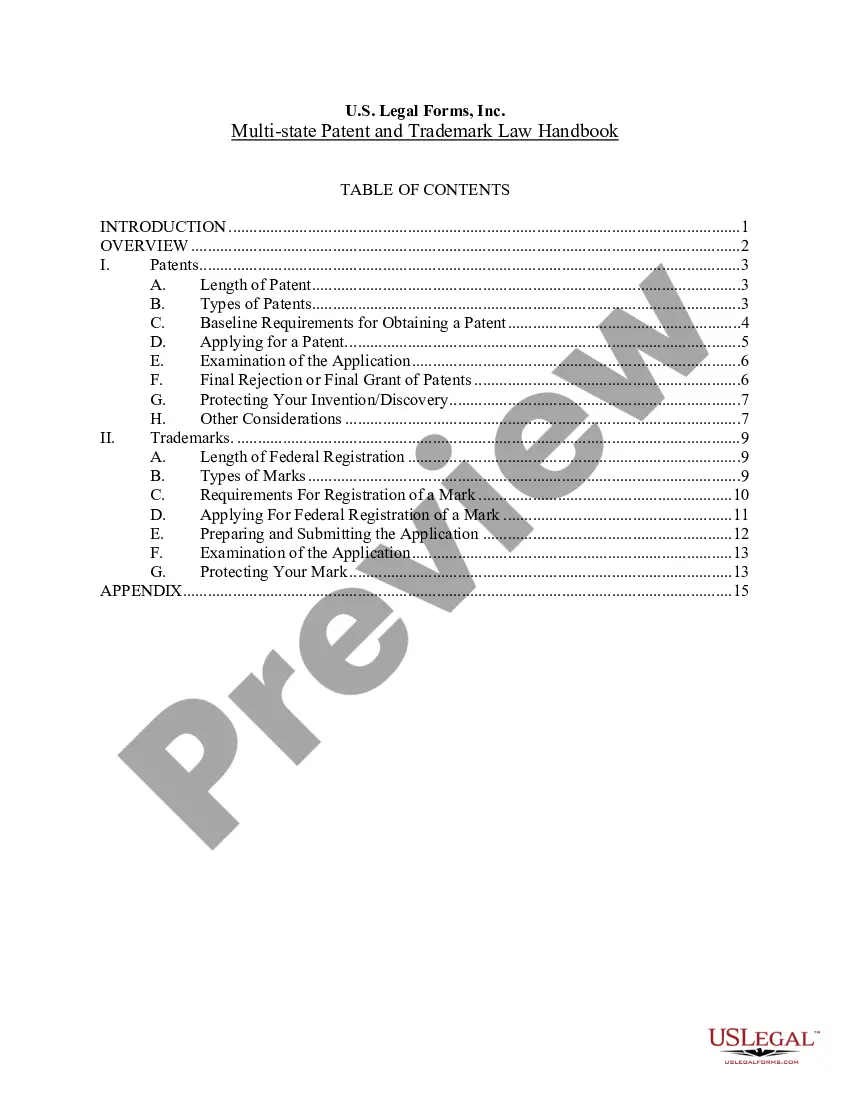
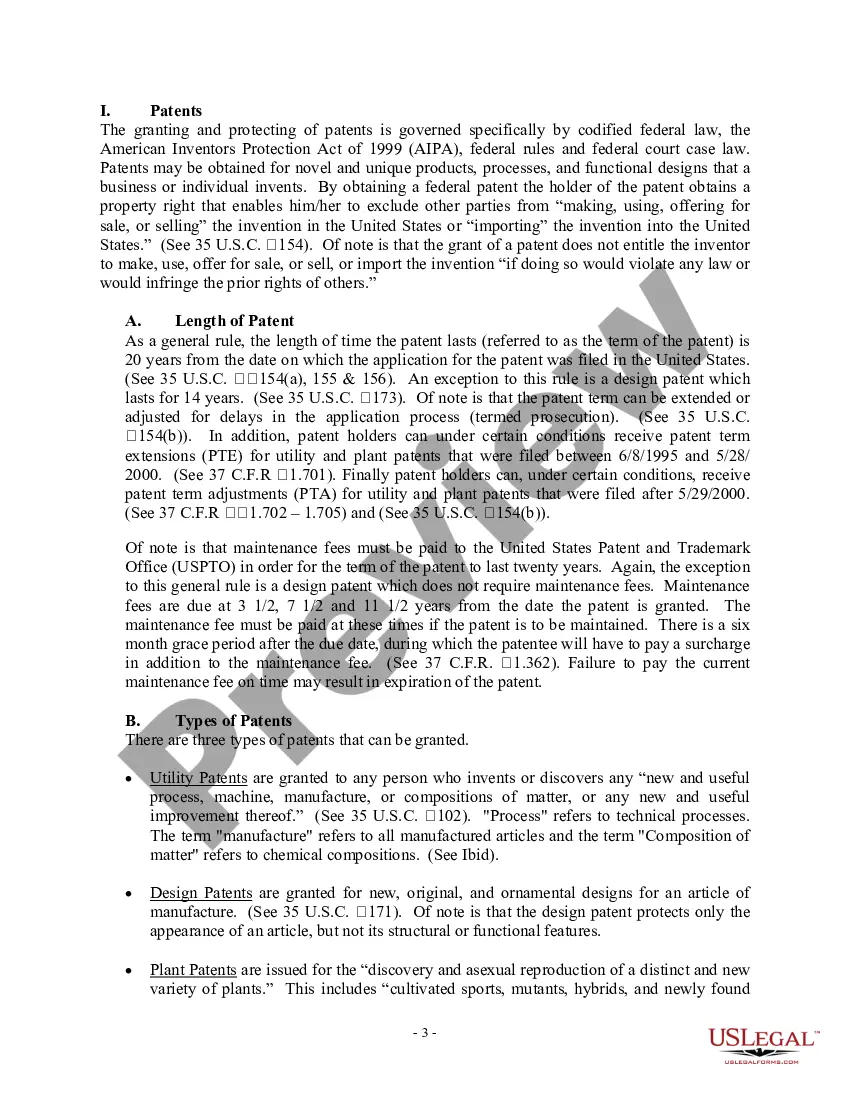
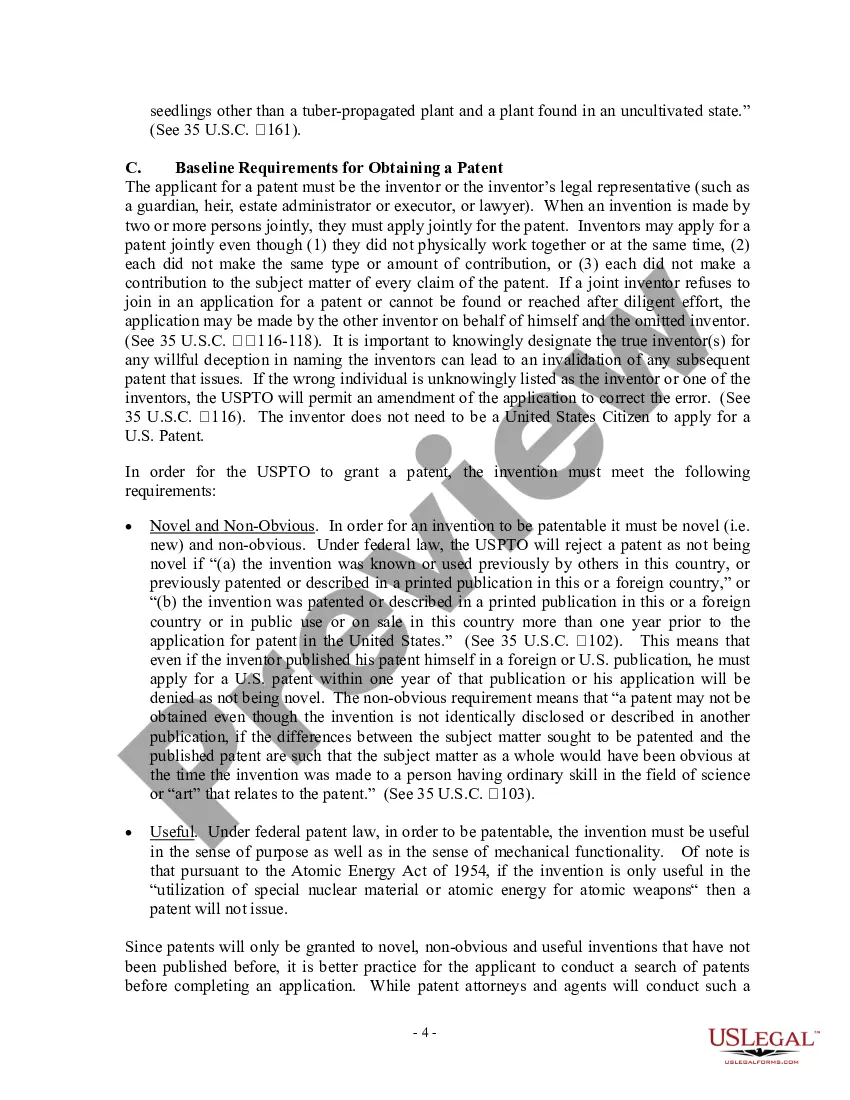
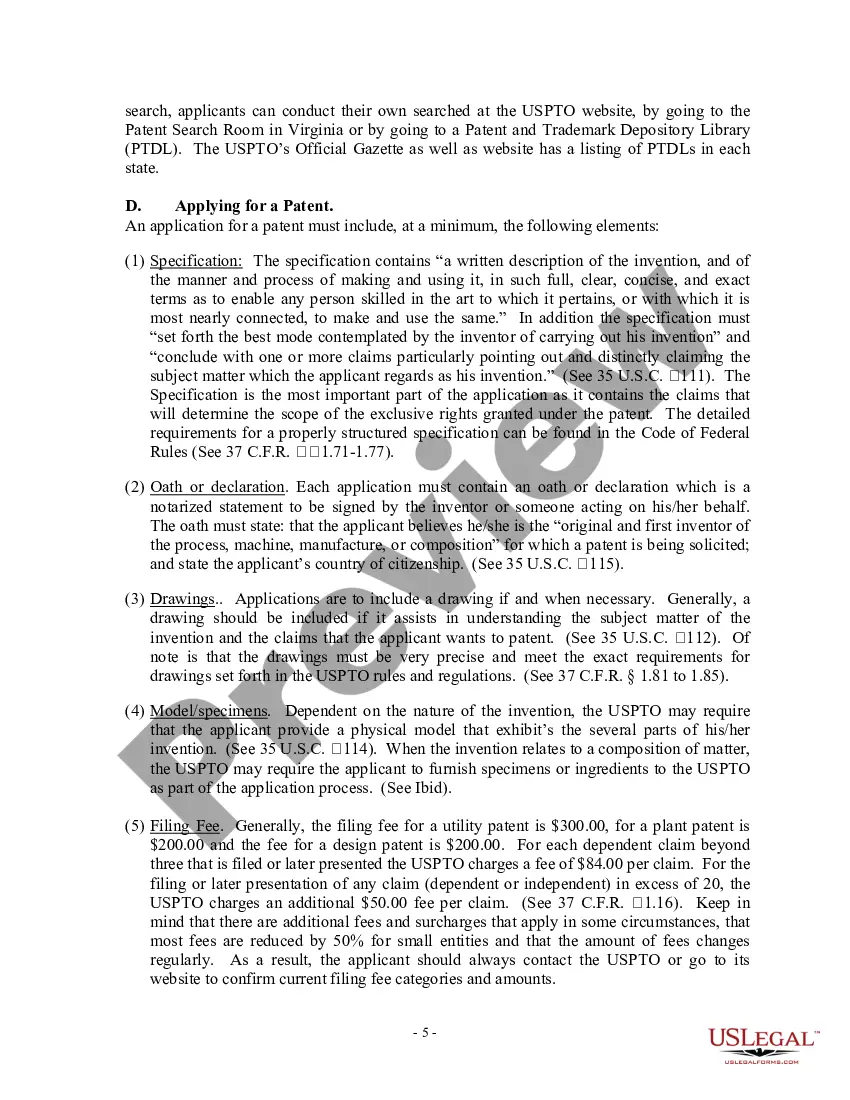
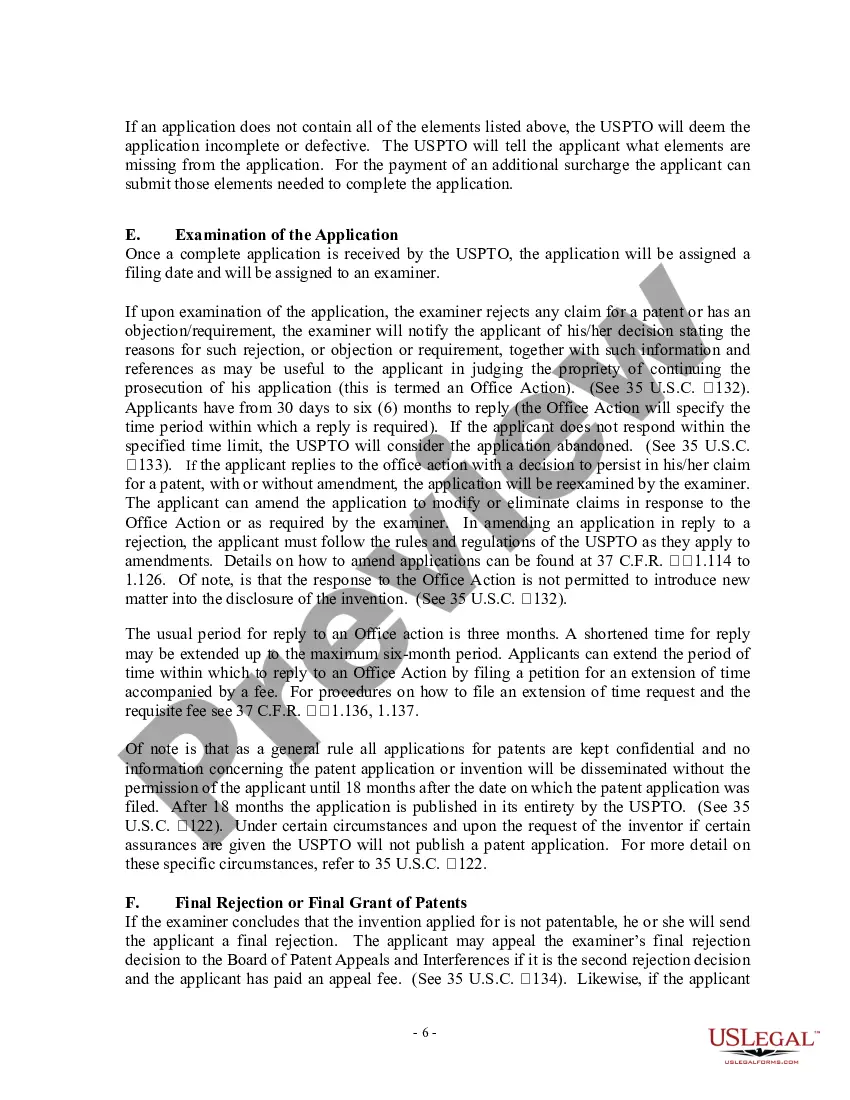
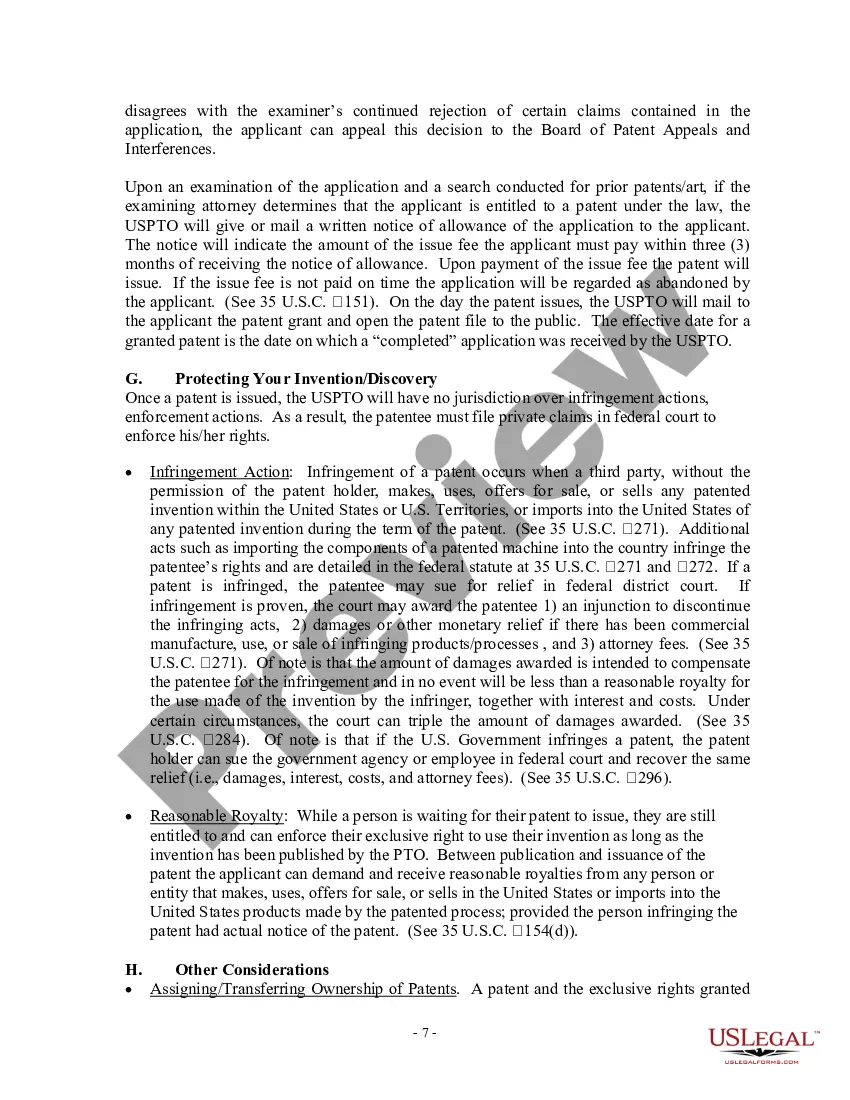
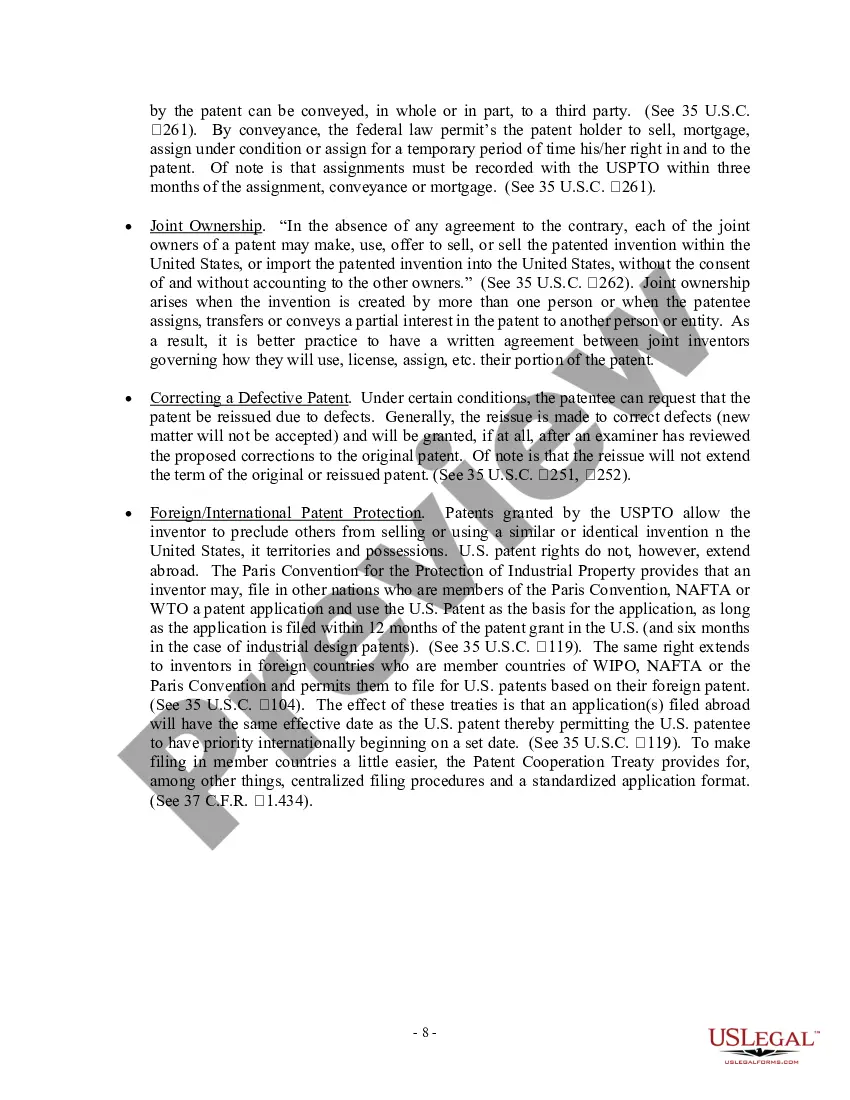



Get your form ready online
Our built-in tools help you complete, sign, share, and store your documents in one place.
Make edits, fill in missing information, and update formatting in US Legal Forms—just like you would in MS Word.
Download a copy, print it, send it by email, or mail it via USPS—whatever works best for your next step.
Sign and collect signatures with our SignNow integration. Send to multiple recipients, set reminders, and more. Go Premium to unlock E-Sign.
If this form requires notarization, complete it online through a secure video call—no need to meet a notary in person or wait for an appointment.
We protect your documents and personal data by following strict security and privacy standards.

Make edits, fill in missing information, and update formatting in US Legal Forms—just like you would in MS Word.

Download a copy, print it, send it by email, or mail it via USPS—whatever works best for your next step.

Sign and collect signatures with our SignNow integration. Send to multiple recipients, set reminders, and more. Go Premium to unlock E-Sign.

If this form requires notarization, complete it online through a secure video call—no need to meet a notary in person or wait for an appointment.

We protect your documents and personal data by following strict security and privacy standards.
Looking for another form?






Form popularity
FAQ
Indian Patent Form 18 is filed under section 11B and rule 20(4)(ii), 24B(1)(i). It is also called “REQUEST FOR EXAMINATION“. The applicant needs to file a request for examination (RFE) within 48 months of the filing date or priority date.
Form 1 contains details such as the type of application, the name and details of the applicant(s), the category of the applicant(s), the name and details of the inventor(s), the title of the invention, priority of the application(s) filed in a contracted country.
Form 10 is used by the person to whom the patent is granted for amending particulars in the Patent Application. The application for amendment is made along with substantiating evidence.
No, patents in India cannot be renewed after the 20-year term. Once the term expires, the invention enters the public domain.
Form 9 is filed by the applicant for the early publication of the patent application specification. It is an optional form for publication; an applicant can choose not to file this form if they don't require early publication before the standard time duration for publication.
The new form 10 IEA can be used to indicate the preference for the old tax regime by Individuals, HUF, AOP (other than co-operative societies), BOI & Artificial Judicial Persons (AJP) having income from business and profession.
So, let's get started. Step 1: Idea incubation phase. Step 2: Patentability search (optional step) ... Step 3: Patent drafting/writing. Step 4: Filing patent application. Step 5: Publication of application. Step 6: Request for examination (RFE) ... Step 7: Response to objections. Step 8: Grant of patent.
– a description and a claim or claims; – drawings, when necessary; – an oath or declaration; and – prescribed filing, search, and examination fees.
A patent application can be filed either by true and first inventor or his assignee, either alone or jointly with any other person. However, legal representative of any deceased person can also make an application for patent.
Here are seven key considerations to keep in mind when preparing your patent application: Clarity and precision in description. Avoid overly broad claims. Anticipate future modifications. Consider international protection. Work with professionals. Disclose all relevant information. Understand the importance of timing.
