Patent Trademark Law Without In Minnesota
Description

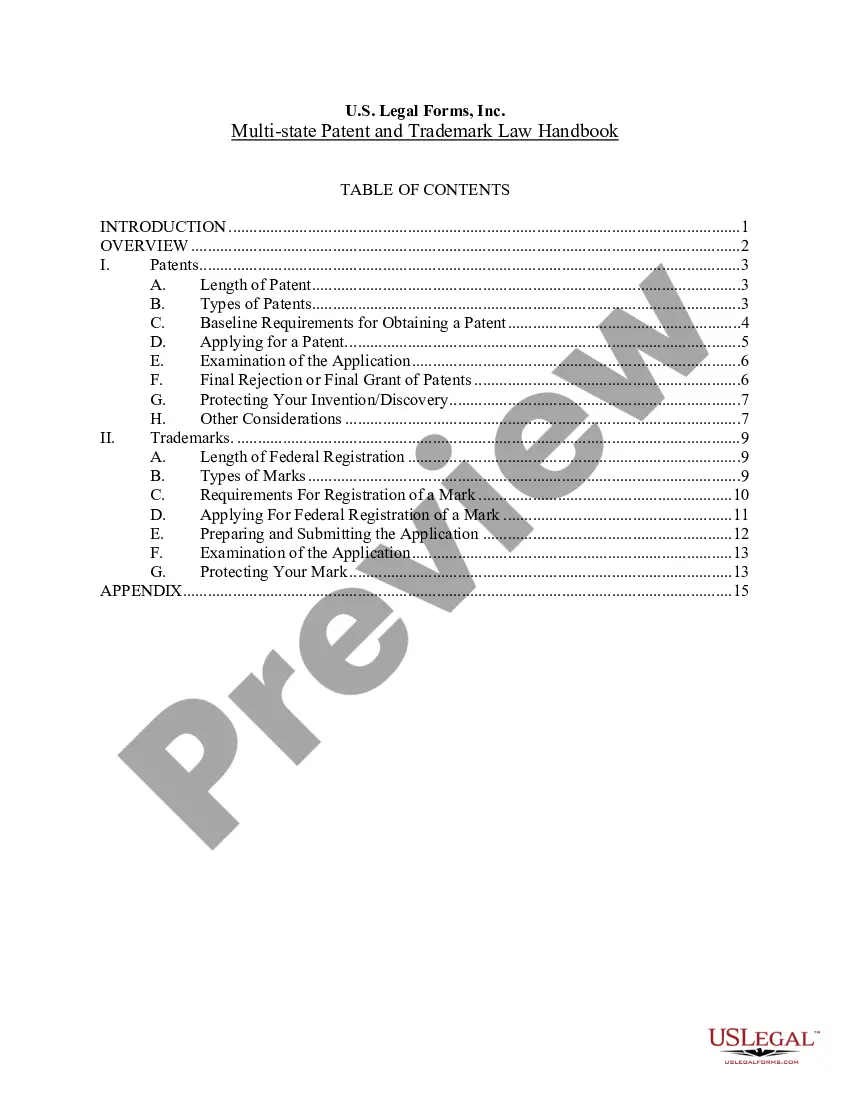
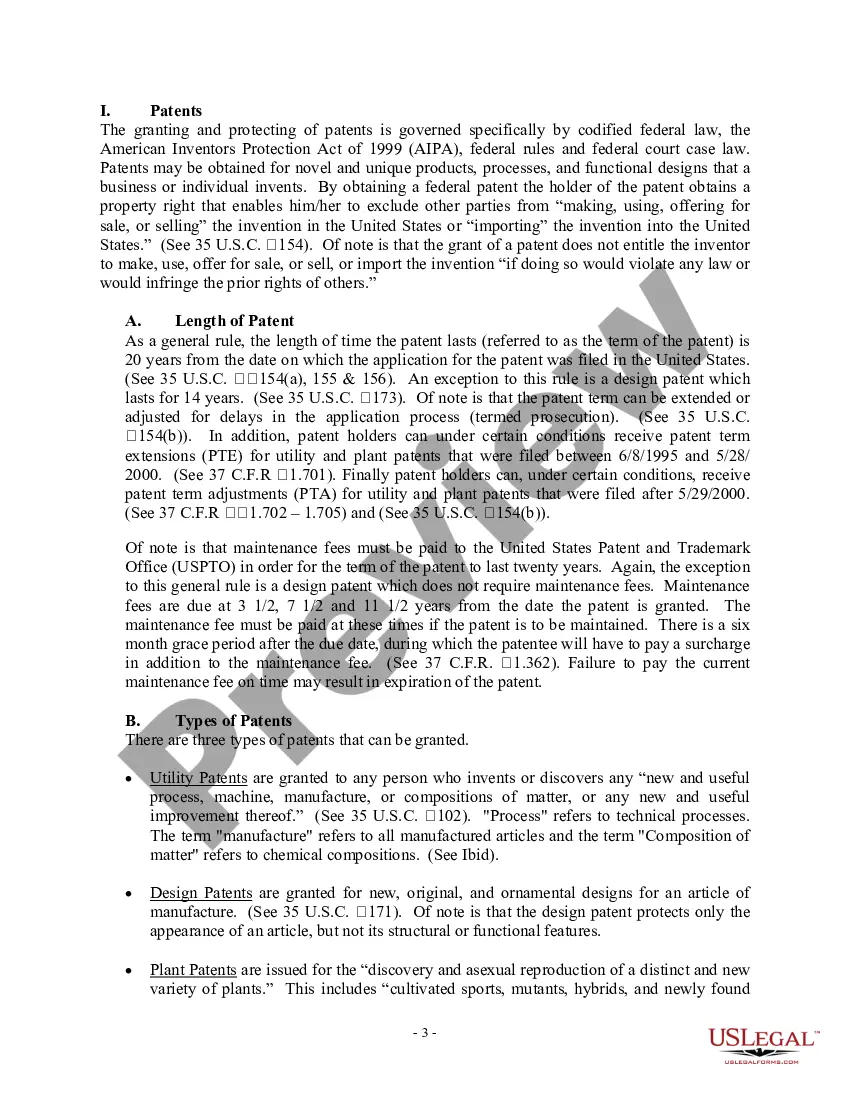



Get your form ready online
Our built-in tools help you complete, sign, share, and store your documents in one place.
Make edits, fill in missing information, and update formatting in US Legal Forms—just like you would in MS Word.
Download a copy, print it, send it by email, or mail it via USPS—whatever works best for your next step.
Sign and collect signatures with our SignNow integration. Send to multiple recipients, set reminders, and more. Go Premium to unlock E-Sign.
If this form requires notarization, complete it online through a secure video call—no need to meet a notary in person or wait for an appointment.
We protect your documents and personal data by following strict security and privacy standards.

Make edits, fill in missing information, and update formatting in US Legal Forms—just like you would in MS Word.

Download a copy, print it, send it by email, or mail it via USPS—whatever works best for your next step.

Sign and collect signatures with our SignNow integration. Send to multiple recipients, set reminders, and more. Go Premium to unlock E-Sign.

If this form requires notarization, complete it online through a secure video call—no need to meet a notary in person or wait for an appointment.

We protect your documents and personal data by following strict security and privacy standards.
Looking for another form?


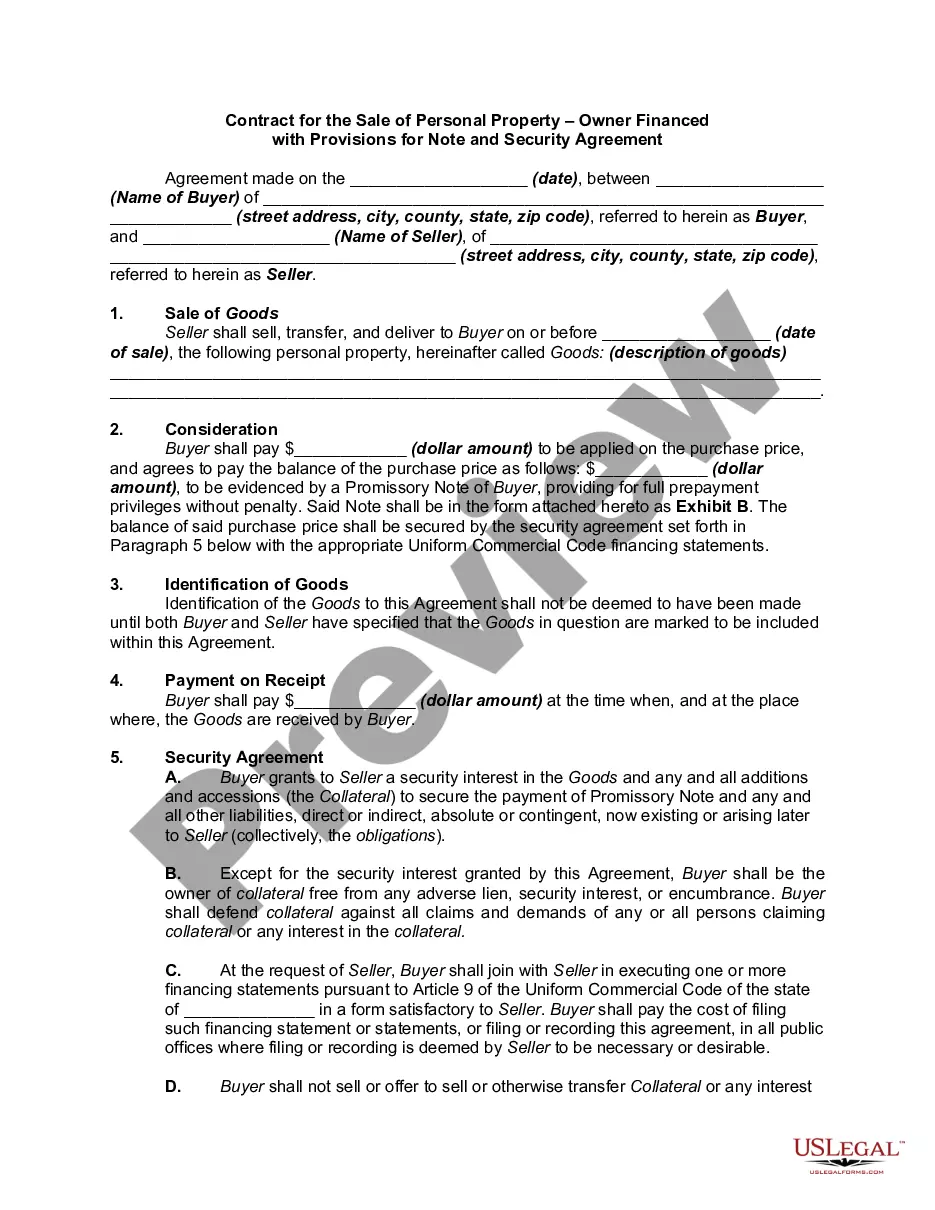
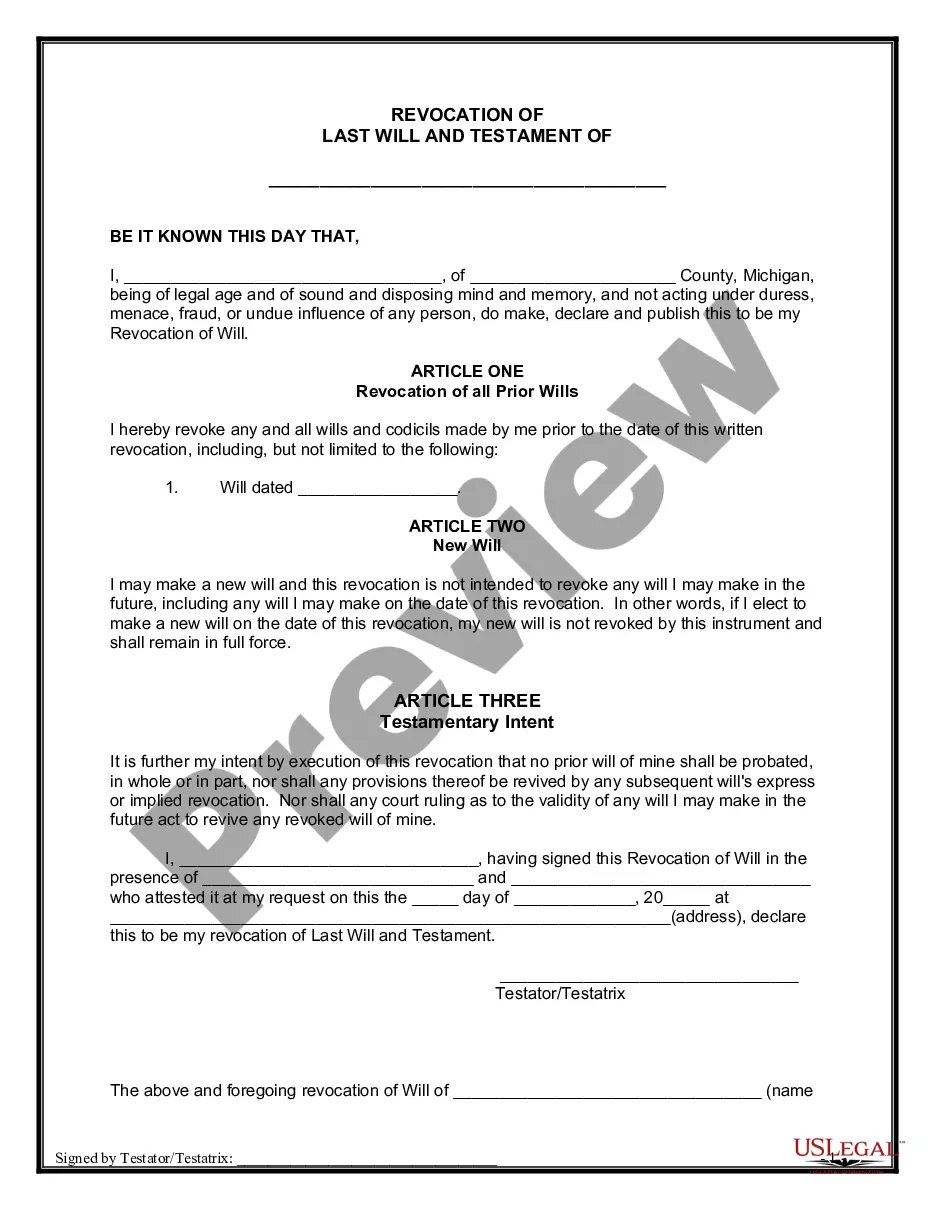
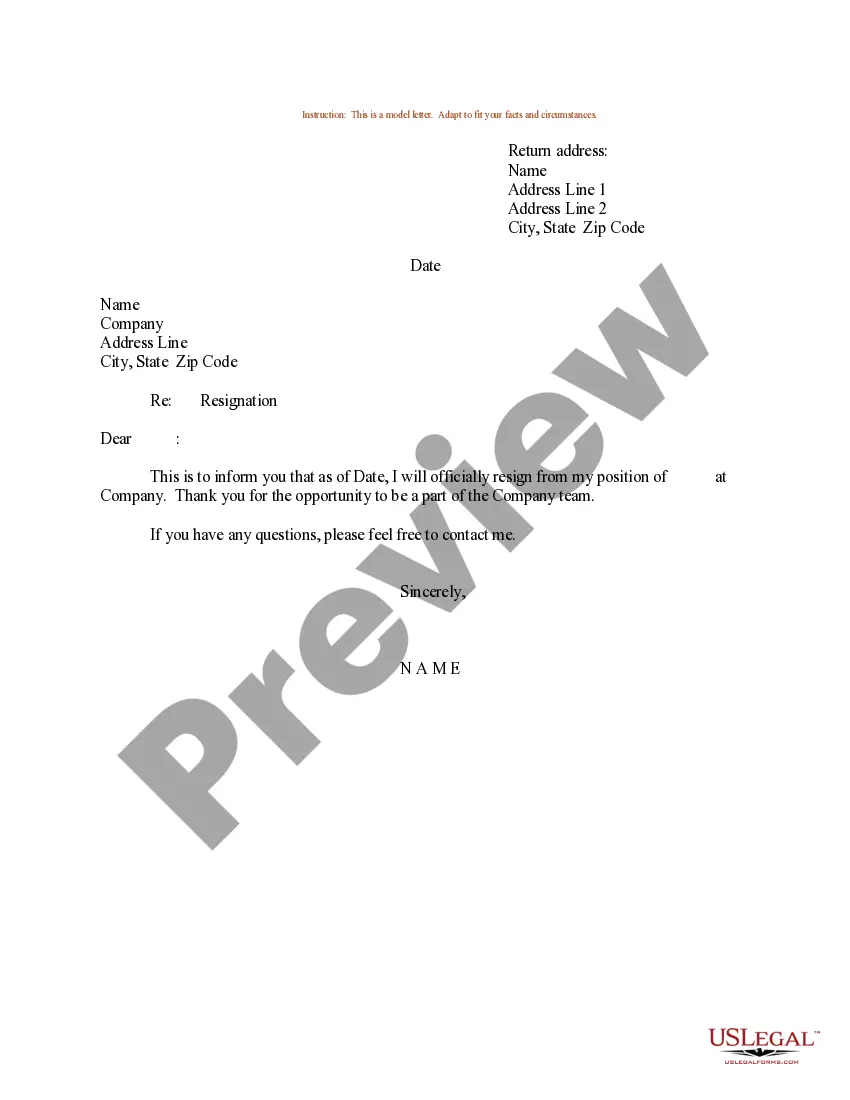
Form popularity
FAQ
You can have both a trademark and a patent, though they won't be for exactly the same thing. A trademark can protect a creation's name, for example, and a patent can protect the actual creation itself.
If you develop a product line or services that are identified by the word mark, then you could file an intent-to-use trademark application with the United States Patent and Trademark Office (USPTO).
How to register your trademark or service mark: Trademark Application pdf form can be found here. Submit one specimen or facsimile of the mark as you have actually used it in commerce. State the words or phrase to be registered, if any. Provide a written description of the logo design to be registered, if any.
You cannot patent a phrase! Patents are used to protect inventions and novel and non-obvious processes, machines, or compositions of matter. Phrases, on the other hand, typically fall under trademark protection.
As long as your trademark's distinctiveness identifies your product and services, you may claim trademark rights for your unregistered trademark and stop others—even bigger companies—from using your mark, but only in your geographic area. Unregistered trademarks may be protected by federal trademark laws.
How to patent an idea? Make sure the invention is eligible. Record everything in the process. Create a prototype. Prepare for the patent application. File for the patent. You restrict your competitors' operations: A patent is viewed as property: A patent has an advertising and image value:
If the catch phrase helps identify a business, the owner may be able to protect the phrase through a trademark. The owner of the catch phrase will need to file an official application with the United States Patent and Trademark Office (USPTO).
How to Patent a Phrase. Patents protect novel inventions. Thus, it is not possible to patent a phrase, saying, quote or term. Instead, trademark protection would apply.
When to Patent: If your invention has a clear market potential and offers a significant competitive advantage, pursuing a patent might be worth the investment. Additionally, if your product is easily reverse-engineered or replicated, a patent could provide necessary legal protection.
Patent applications: the three criteria Novelty. This means that your invention must not have been made public – not even by yourself – before the date of the application. Inventive step. This means that your product or process must be an inventive solution. Industrial applicability.
