Patent Use Can For Product Or Process In King
Description

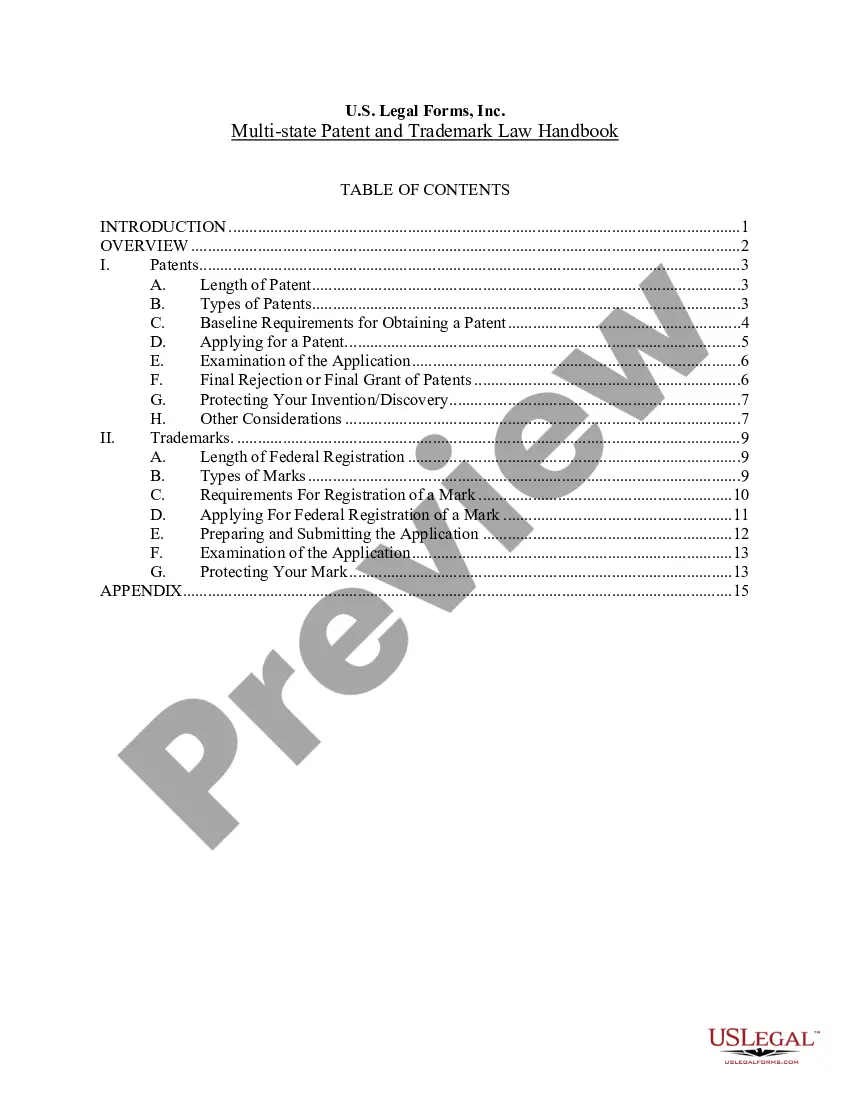
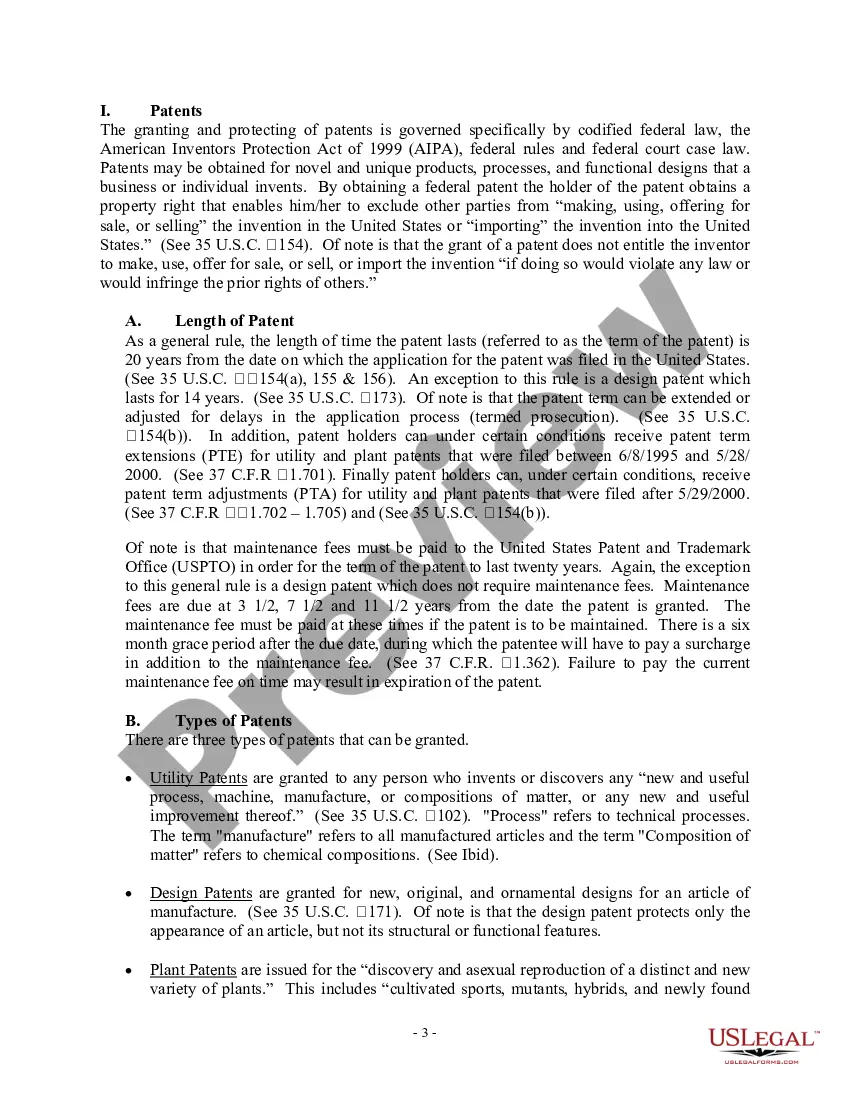



Get your form ready online
Our built-in tools help you complete, sign, share, and store your documents in one place.
Make edits, fill in missing information, and update formatting in US Legal Forms—just like you would in MS Word.
Download a copy, print it, send it by email, or mail it via USPS—whatever works best for your next step.
Sign and collect signatures with our SignNow integration. Send to multiple recipients, set reminders, and more. Go Premium to unlock E-Sign.
If this form requires notarization, complete it online through a secure video call—no need to meet a notary in person or wait for an appointment.
We protect your documents and personal data by following strict security and privacy standards.

Make edits, fill in missing information, and update formatting in US Legal Forms—just like you would in MS Word.

Download a copy, print it, send it by email, or mail it via USPS—whatever works best for your next step.

Sign and collect signatures with our SignNow integration. Send to multiple recipients, set reminders, and more. Go Premium to unlock E-Sign.

If this form requires notarization, complete it online through a secure video call—no need to meet a notary in person or wait for an appointment.

We protect your documents and personal data by following strict security and privacy standards.
Looking for another form?







Form popularity
FAQ
In general, patent law only allows for the protection of new, useful, and non-obvious inventions. Thus, if your new use for an existing product is not novel or obvious, it may not be eligible for patent protection.
What can be patented? An invention relating either to a product or process that is new, involving an inventive step and capable of industrial application can be patented. However, it must not fall into the categories of inventions that are non- patentable under sections 3 and 4 of the Act.
The advantages of patenting a manufacturing process In return for disclosing your inventive manufacturing process in a patent, you're able to prevent others from using the same process for a period of up to 20 years.
Technically, it is possible to patent a new use of an existing product. Realistically, it might not be worth applying because you would have to show that the new use is nonobvious. Even if you believe your use to spectacularly nonobvious, expect an uphill battle.
While it is impossible to patent an existing product, it certainly is feasible to patent an improvement over an existing product. Below we discuss how non-obvious improvements to an existing product can be patented.
For instance, while a material may conventionally be used as a structural material, its use as a refractory material, or its use as a dielectric material in an electronic device, may be patentable.
Technically, it is possible to patent a new use of an existing product. Realistically, it might not be worth applying because you would have to show that the new use is nonobvious. Even if you believe your use to spectacularly nonobvious, expect an uphill battle.
Patent Examples: 10 Patented Inventions That Shaped Technology and Culture GPS. The Wright Brothers' “Flying Machine" ... Telephone. Apple iPhone. Rubik's Cube. LEGO® Minifigure. Michael Jackson's Anti-Gravity Shoes. Coca-Cola Bottle.
While ideas alone cannot be patented, you can obtain a patent on an invention that was developed from an idea. Note this: if you pursue a patent, an invention must be actually produced, or at minimum, a detailed description of the invention has to be included with the patent application.
Patents may be granted for inventions in any field of technology, from an everyday kitchen utensil to a nanotechnology chip. An invention can be a product – such as a chemical compound, or a process, for example – a process for producing a specific chemical compound.
