Patent Trademark Law For Dummies In Hennepin
Description

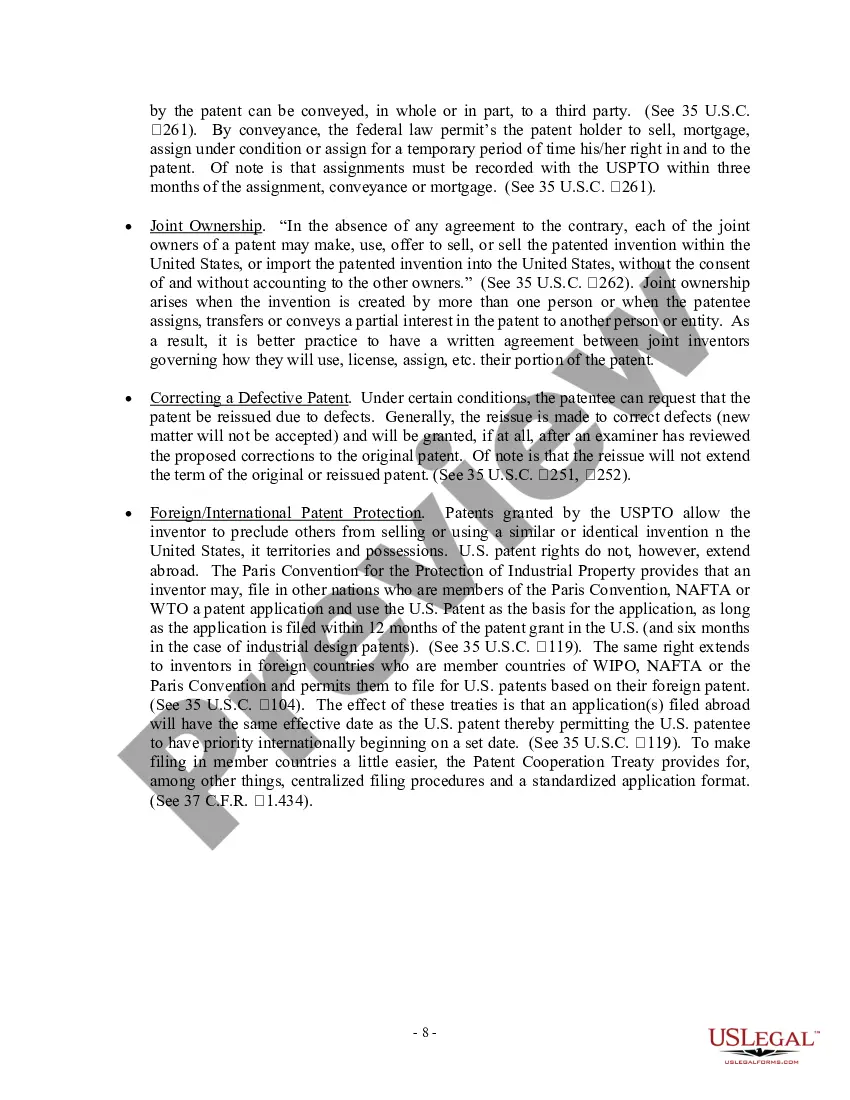



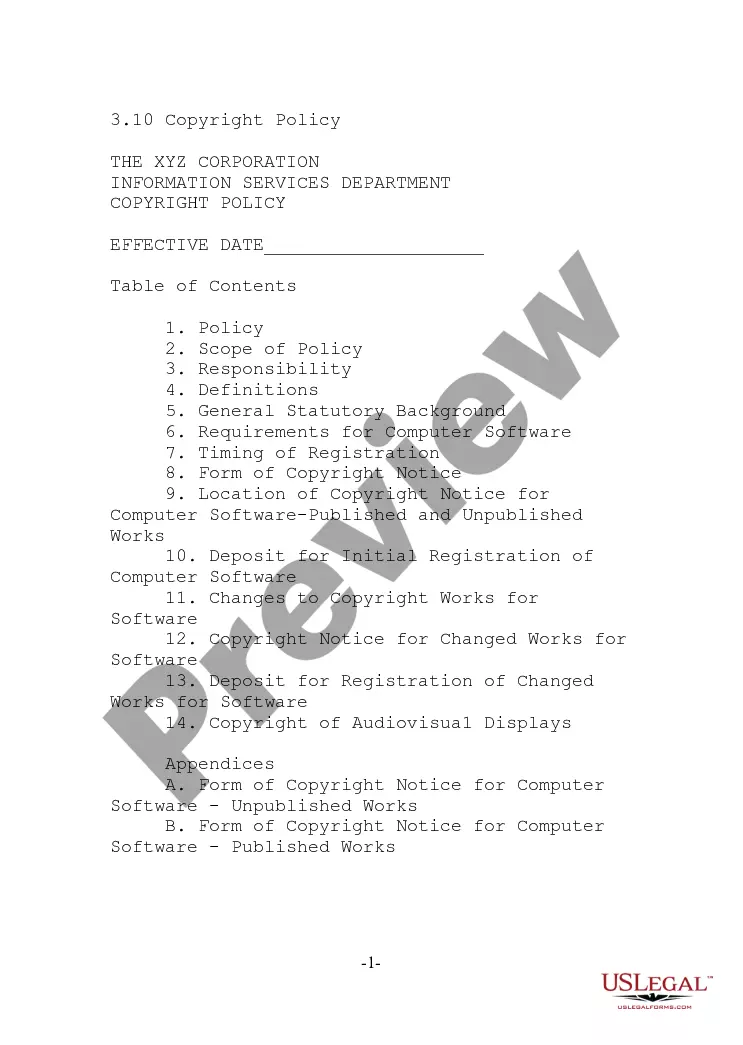
Get your form ready online
Our built-in tools help you complete, sign, share, and store your documents in one place.
Make edits, fill in missing information, and update formatting in US Legal Forms—just like you would in MS Word.
Download a copy, print it, send it by email, or mail it via USPS—whatever works best for your next step.
Sign and collect signatures with our SignNow integration. Send to multiple recipients, set reminders, and more. Go Premium to unlock E-Sign.
If this form requires notarization, complete it online through a secure video call—no need to meet a notary in person or wait for an appointment.
We protect your documents and personal data by following strict security and privacy standards.

Make edits, fill in missing information, and update formatting in US Legal Forms—just like you would in MS Word.

Download a copy, print it, send it by email, or mail it via USPS—whatever works best for your next step.

Sign and collect signatures with our SignNow integration. Send to multiple recipients, set reminders, and more. Go Premium to unlock E-Sign.

If this form requires notarization, complete it online through a secure video call—no need to meet a notary in person or wait for an appointment.

We protect your documents and personal data by following strict security and privacy standards.
Looking for another form?
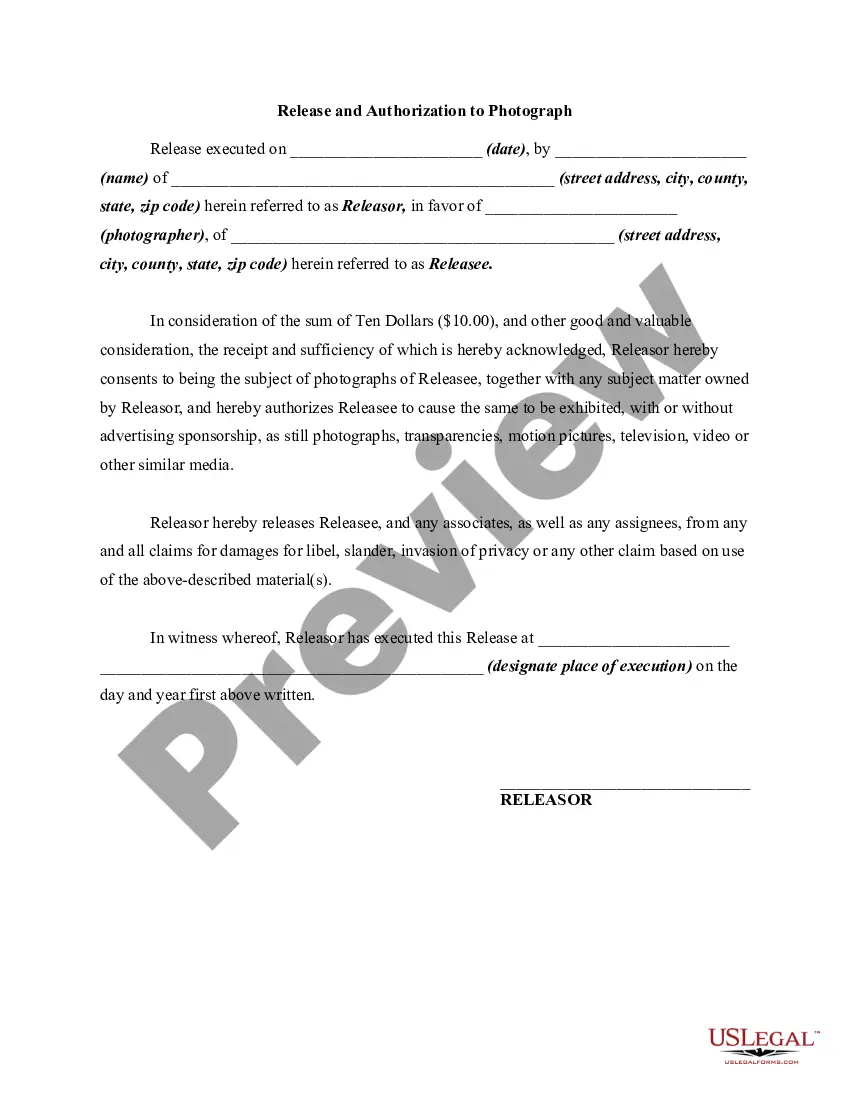
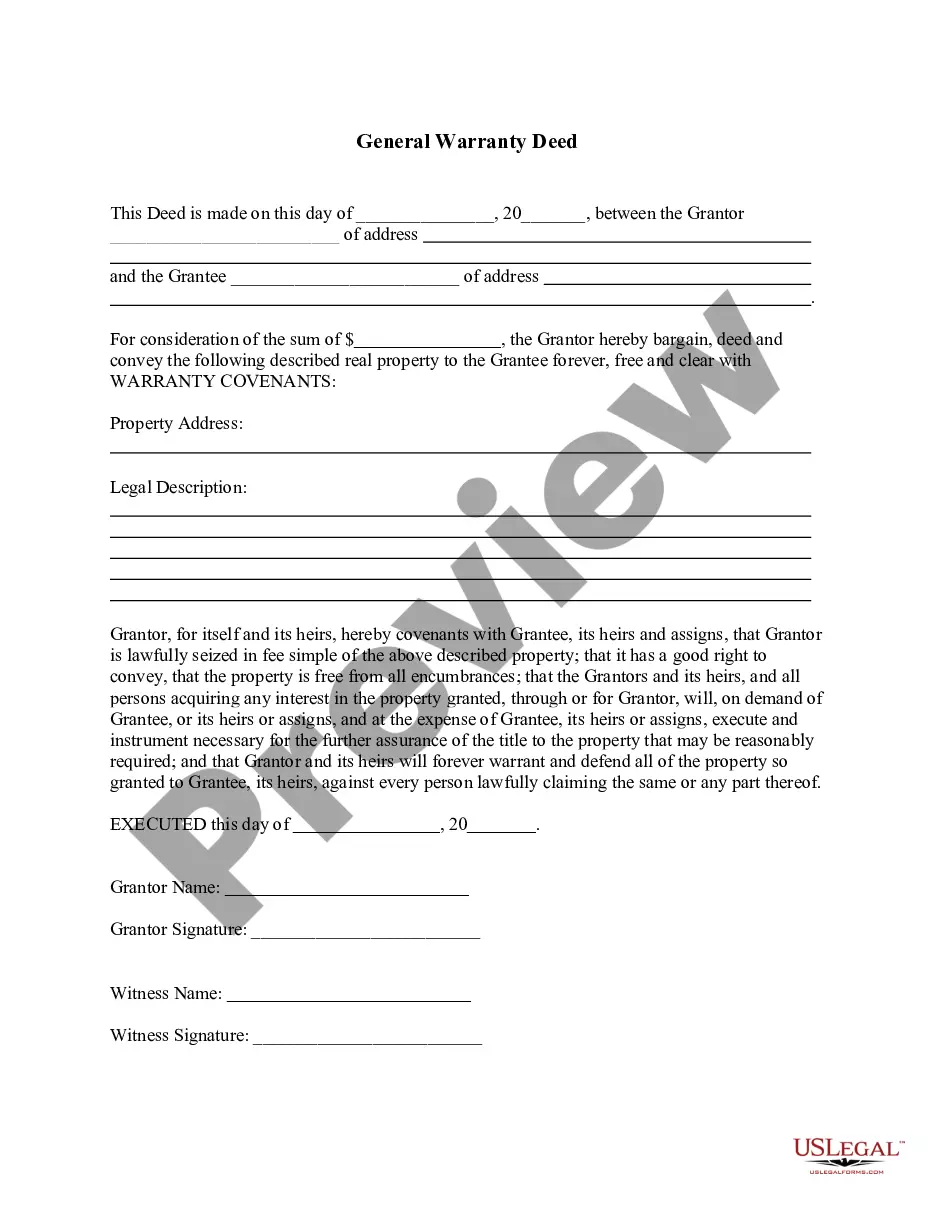

Form popularity
FAQ
When to Patent: If your invention has a clear market potential and offers a significant competitive advantage, pursuing a patent might be worth the investment. Additionally, if your product is easily reverse-engineered or replicated, a patent could provide necessary legal protection.
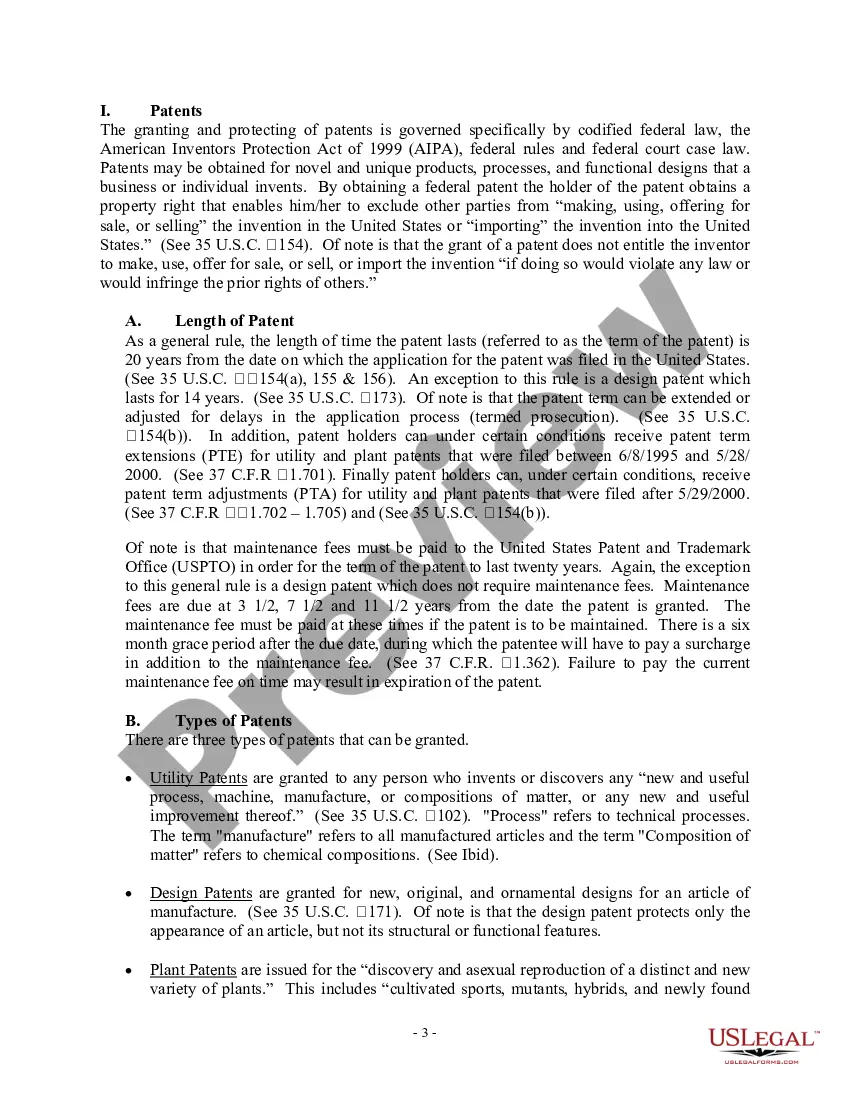
A patent allows the creator of certain kinds of inventions that contain new ideas to keep others from making commercial use of those ideas without the creator's permission. Trademarks, on the other hand, are not concerned with how a new technology is used.
Assuming that a patent is available for the subject matter of your concept, that's the way to prevent others from pursuing the same product concept. A trademark, however, is useful—and often crucial—when you are building a brand for your product or service.
Patent applications: the three criteria Novelty. This means that your invention must not have been made public – not even by yourself – before the date of the application. Inventive step. This means that your product or process must be an inventive solution. Industrial applicability.
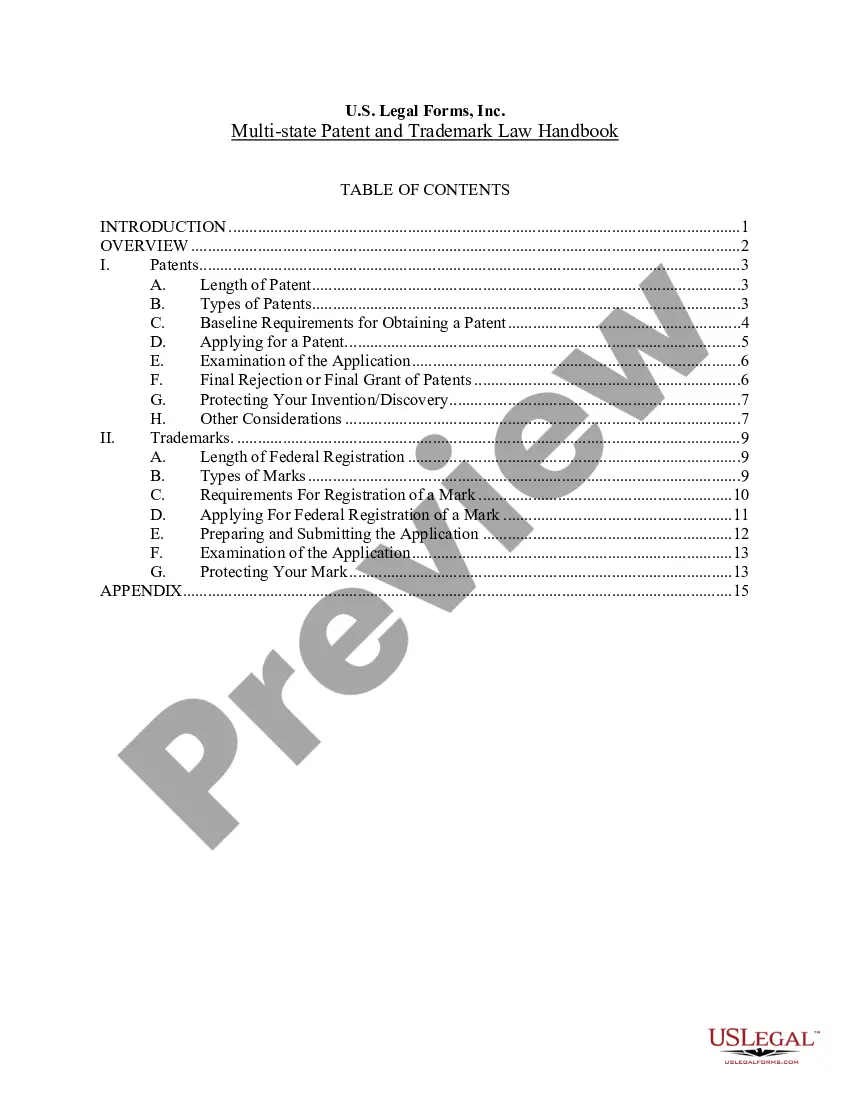
To obtain a patent in the U.S., the inventor must file a patent application with the United States Patent and Trademark Office (USPTO), which includes (1) a written document comprising a description and claims, (2) drawings when necessary, (3) an oath or declaration, and (4) filing, search, and examination fees.
Intellectual property, or IP, refers to anything created by the human mind that is granted the same rights associated with tangible or personal property.
You can have both a trademark and a patent, though they won't be for exactly the same thing. A trademark can protect a creation's name, for example, and a patent can protect the actual creation itself.
The Coca-Cola Corp owns the trademark to the name Coca-Cola, as well as the trademark on the bottle shape, and the graphic representation of their name. These are all things that help distinguish them from other cola brands and define their individual product. Coca-Cola also owns the patent on their formula.
You can not register marks that are inherently offensive or obscene. You can not register marks that are generic that simply name a type or class or product or service. For example, you can't trademark “lamp” for a company that makes lamps.
If you develop a product line or services that are identified by the word mark, then you could file an intent-to-use trademark application with the United States Patent and Trademark Office (USPTO).