Trademark For Law Firm In Georgia
Description

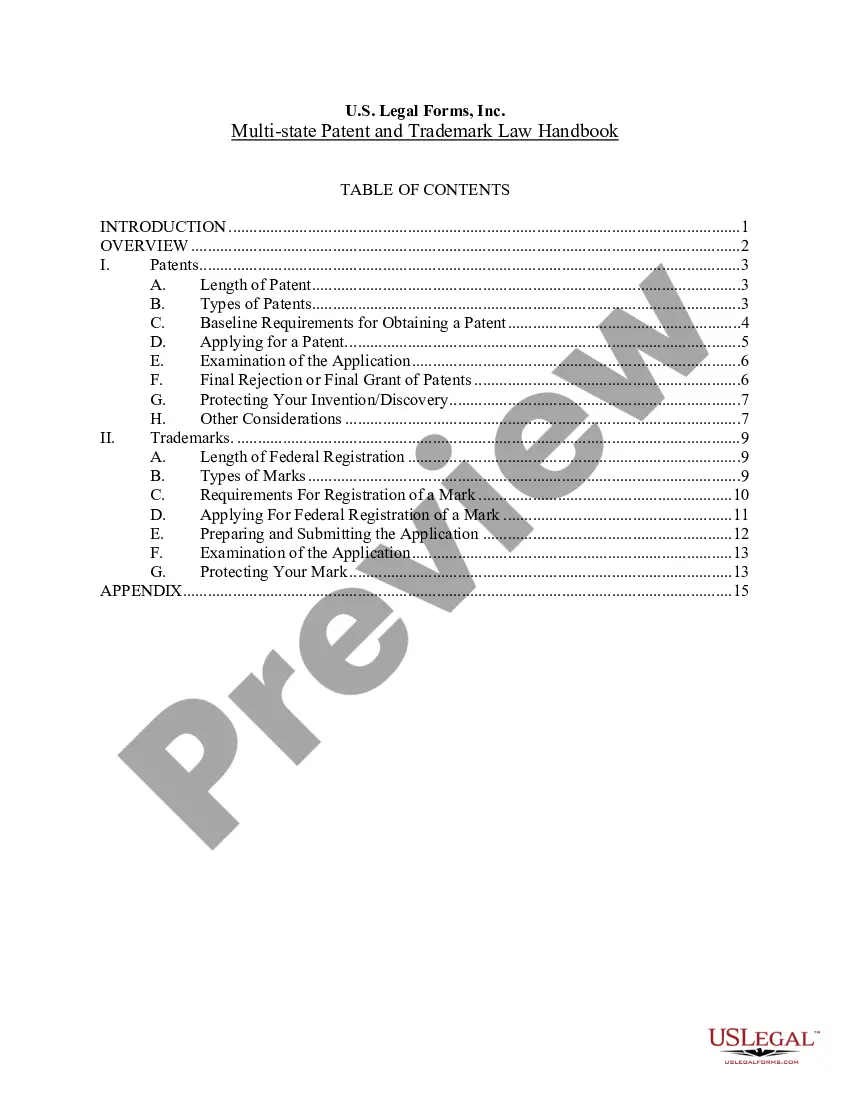
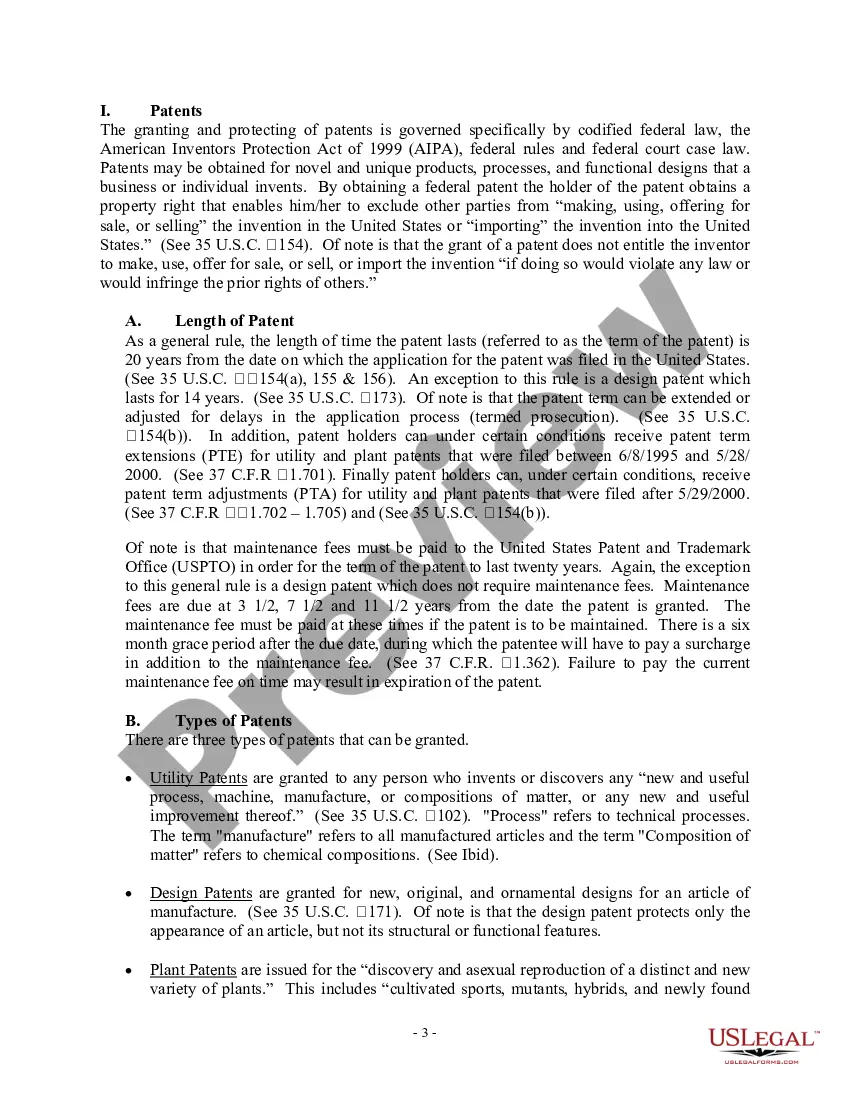



Get your form ready online
Our built-in tools help you complete, sign, share, and store your documents in one place.
Make edits, fill in missing information, and update formatting in US Legal Forms—just like you would in MS Word.
Download a copy, print it, send it by email, or mail it via USPS—whatever works best for your next step.
Sign and collect signatures with our SignNow integration. Send to multiple recipients, set reminders, and more. Go Premium to unlock E-Sign.
If this form requires notarization, complete it online through a secure video call—no need to meet a notary in person or wait for an appointment.
We protect your documents and personal data by following strict security and privacy standards.

Make edits, fill in missing information, and update formatting in US Legal Forms—just like you would in MS Word.

Download a copy, print it, send it by email, or mail it via USPS—whatever works best for your next step.

Sign and collect signatures with our SignNow integration. Send to multiple recipients, set reminders, and more. Go Premium to unlock E-Sign.

If this form requires notarization, complete it online through a secure video call—no need to meet a notary in person or wait for an appointment.

We protect your documents and personal data by following strict security and privacy standards.
Looking for another form?







Form popularity
FAQ
File for a DBA (Doing Business As) Get Prepared. Verify that the name you want is not already in use. Gather What You'll Need. Desired trade name. File Your DBA. You will need to file your DBA with the Clerk of the Superior Court in the county where your business is located. Place a Public Notice. Next Steps.
The standard registration period for a trademark is 11-12 months from the date of filing the application. The accelerated registration period for a trademark is 10 working days from the date of filing the application. Trademark registrations in Georgia are valid for 10 years from the filing date.
Trademark registration process in Georgia Filing. New trademark application. Formal examination. Check of formal requirements. Publication and Substantive examination. The Office runs examination for up to 6 months. Registration. Issuing of registration certificate.
What Are the Three Requirements for Trademarks? Fanciful. That means the item being trademarked is entirely invented and is not found in a dictionary. Arbitrary. This is a mark that does exist in the dictionary, but how the business uses it doesn't relate to the dictionary's definition. Suggestive.
A trademark can be any word, phrase, symbol, design, or a combination of these things that identifies your goods or services. It's how customers recognize you in the marketplace and distinguish you from your competitors.
A strong trademark is one that is “distinctive”, that is, that serves to distinguish your goods and services from those of your competitors. Distinctive trademarks are more likely to be registrable in Canada and are easier to enforce against potential infringers.
There are three most common types of trademarks: word marks, design marks, and composite marks. Legal challenges for famous trademarks include dilution by blurring and tarnishment, piracy, and varying international laws.
Likelihood of confusion is a common reason for refusal of a trademark application. The USPTO will review your application and compare your mark to any existing trademark applications or registered trademarks.
A good trademark should be distinctive and unique, setting it apart from competitors. Distinctiveness allows consumers to easily identify and associate the mark with your brand. It should avoid common or generic terms and instead incorporate elements that are memorable, creative, and unconventional.