Patent Trademark Law For Engineers And Scientists Nptel In Fulton
Description

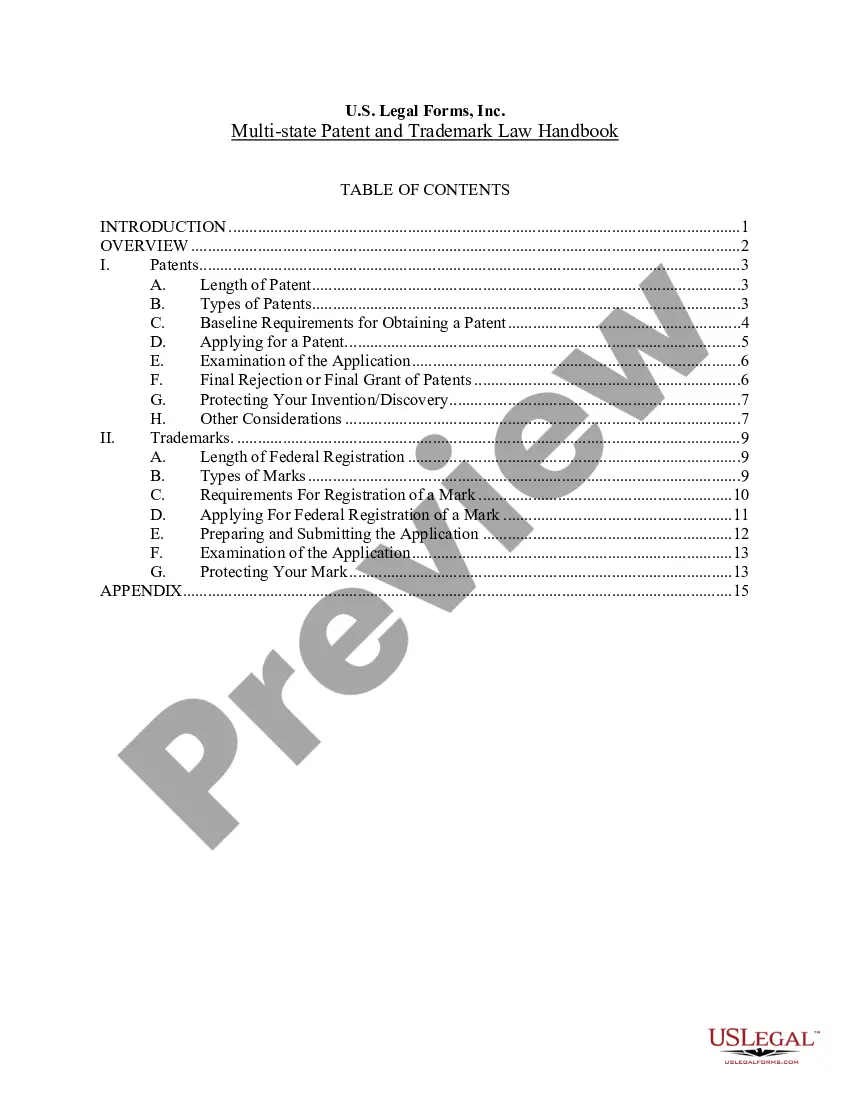
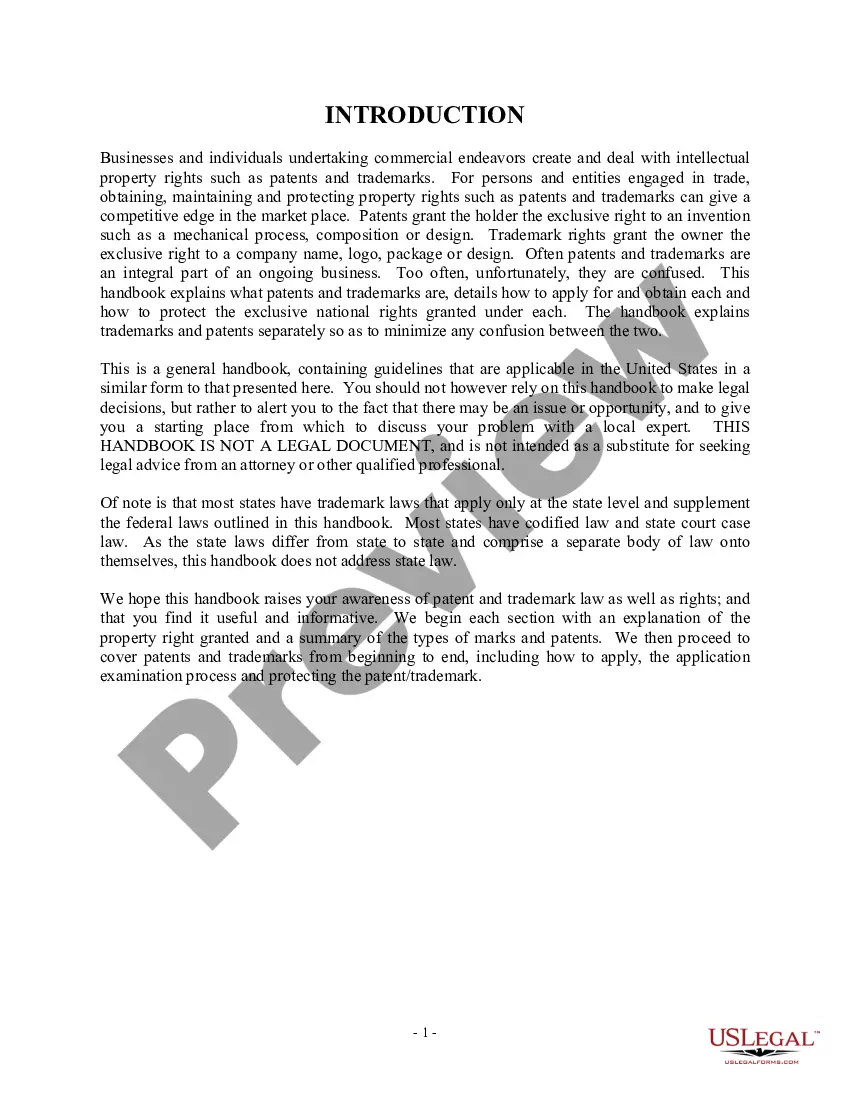

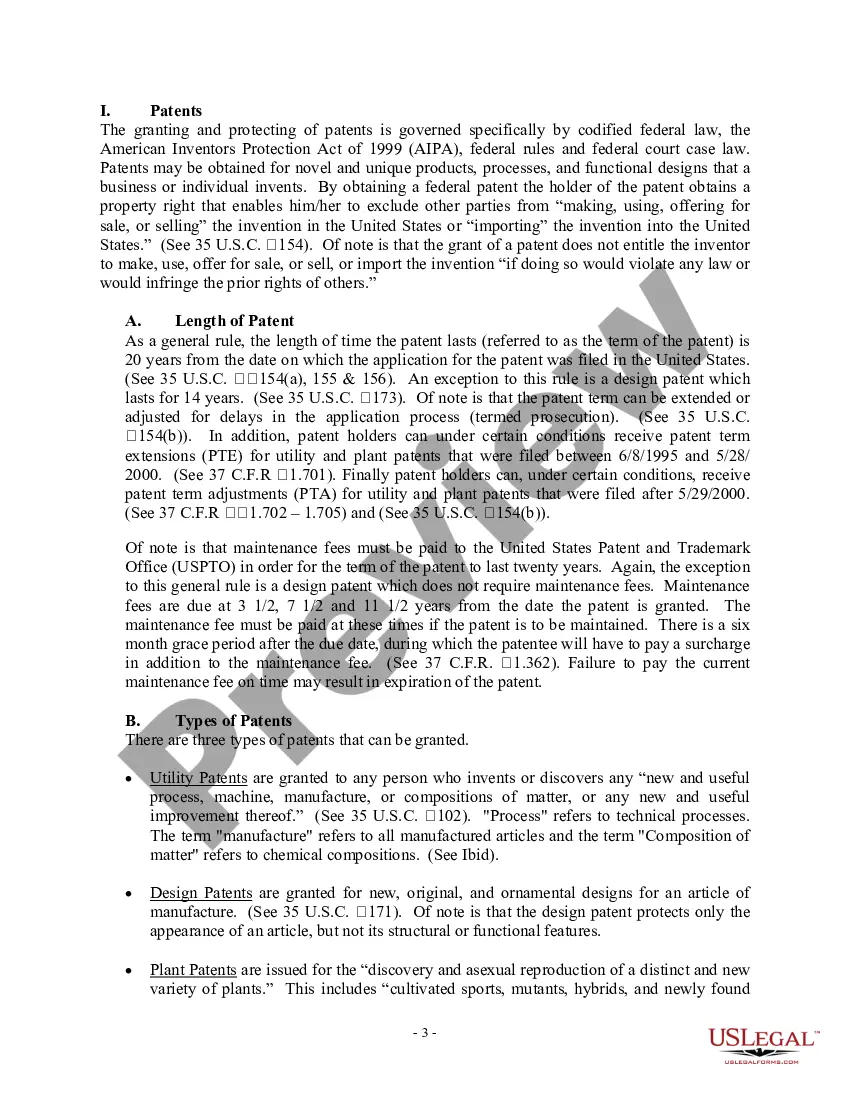
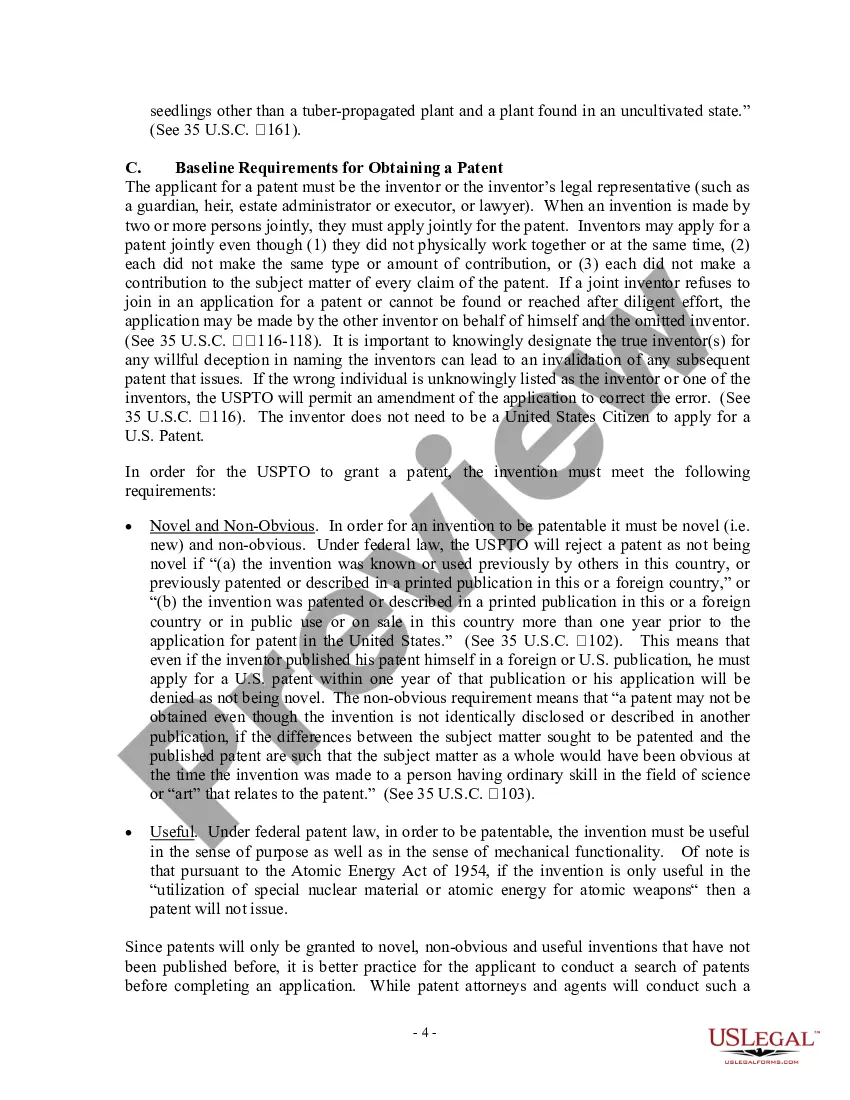


Get your form ready online
Our built-in tools help you complete, sign, share, and store your documents in one place.
Make edits, fill in missing information, and update formatting in US Legal Forms—just like you would in MS Word.
Download a copy, print it, send it by email, or mail it via USPS—whatever works best for your next step.
Sign and collect signatures with our SignNow integration. Send to multiple recipients, set reminders, and more. Go Premium to unlock E-Sign.
If this form requires notarization, complete it online through a secure video call—no need to meet a notary in person or wait for an appointment.
We protect your documents and personal data by following strict security and privacy standards.

Make edits, fill in missing information, and update formatting in US Legal Forms—just like you would in MS Word.

Download a copy, print it, send it by email, or mail it via USPS—whatever works best for your next step.

Sign and collect signatures with our SignNow integration. Send to multiple recipients, set reminders, and more. Go Premium to unlock E-Sign.

If this form requires notarization, complete it online through a secure video call—no need to meet a notary in person or wait for an appointment.

We protect your documents and personal data by following strict security and privacy standards.
Looking for another form?





Form popularity
FAQ
A patent is an exclusive right granted for an invention, whether a product or a process, that introduces a novel way of doing something or provides a new technical solution to a problem. To obtain a patent, the inventor must disclose the technical details of the invention to the public in a patent application.
Although obtaining a law degree is not essential after your PhD, it is recommended, and all patent agents must pass rigorous qualifying exams. Further down the road, training in patent law offers opportunities for in-house work in biotech companies, business development, and mergers and acquisitions.
Here is the procedure on how to apply for patent in India: STEP 1: Invention Disclosure. STEP 2: Patentability Search. STEP 3: Filing an Application for a Patent. STEP 4: Patent Drafting. STEP 5: Filing the Patent Application. STEP 6: Request for Examination. STEP 7: Responding to Objections (if any) ... STEP 8: Grant of Patent.
Engineering or computer science are the best degrees for patent law. For patent prosecution, you normally need a PhD in life sciences to interest law firms. You may be alright for patent litigation with less than a PhD if you go to law school. Electrical engineering is absolutely the best degree to study.
Work Environment Generally, there is a heavy workload with this career, and stress is part of the job. Successful and well-educated patent lawyers can find themselves in especially high demand, and keeping hours down to an even remotely reasonable number can be a challenge.
Mechanical Engineering: Mechanical engineering covers a wide range of industries, including manufacturing, robotics, and automotive, making it a solid choice for patent law. Chemical Engineering: This field is crucial for patents related to chemicals, pharmaceuticals, and materials science.
Many former trainees begin their law careers as patent agents before completing their JDs to become patent attorneys. To become a patent agent, science graduates must pass the exam set by the US Patent and Trademark Office (PTO). If successful, they are allowed to write patents and represent clients before the PTO.
A patent application often includes the following primary sections: Invention Title. The title's objective is to provide a clear understanding of the invention or idea. Prior Art: Context and Novelty. Invention Summary. Drawings and Descriptions. Detailed Description. Claims. Scope. Characteristics.
Format of a Patent Application The Specification. The Title. The Description. The Claims. The Drawings. The Abstract. Sample Specifications. Minimum Requirements for a Filing Date.
The Patent Process Determine the type of intellectual property you need. Determine if your invention is patentable. Determine what kind of patent you need. Get ready to apply. Submit your application. Work with your examiner. Receive your approval. Maintain your patent.
