Patent And Paper In Cook
Description

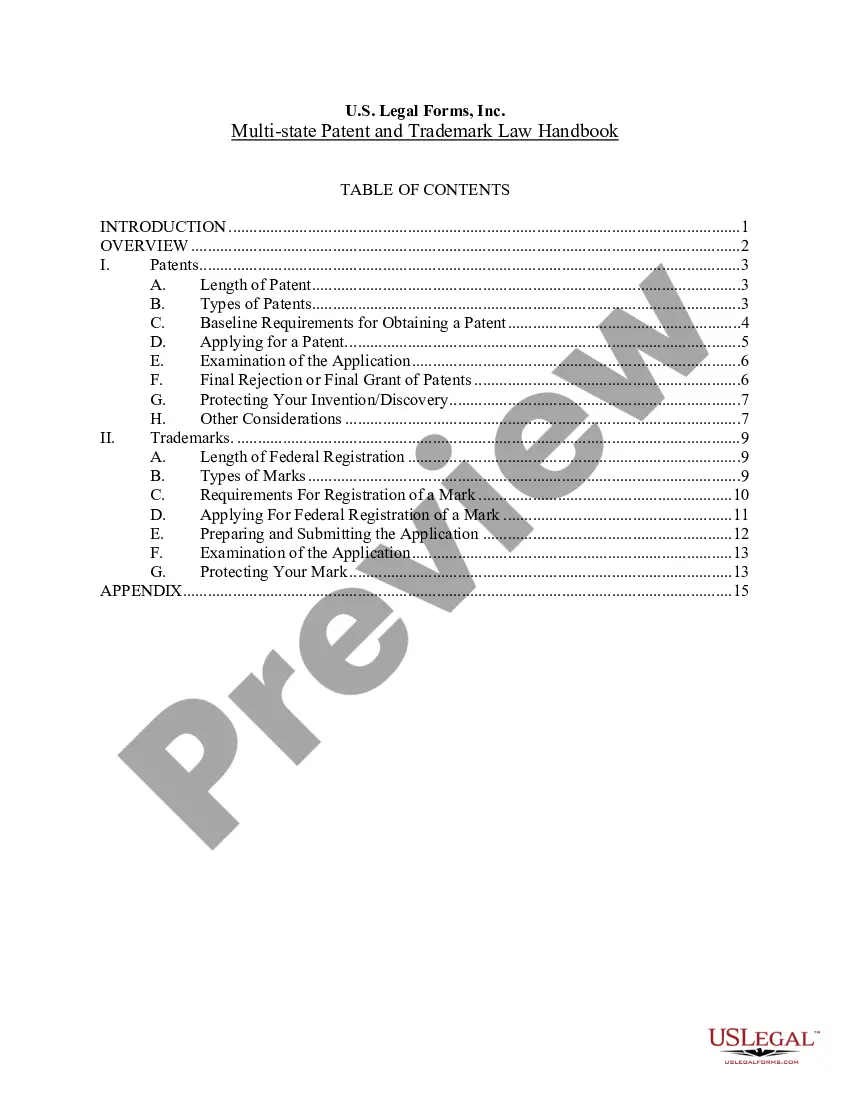
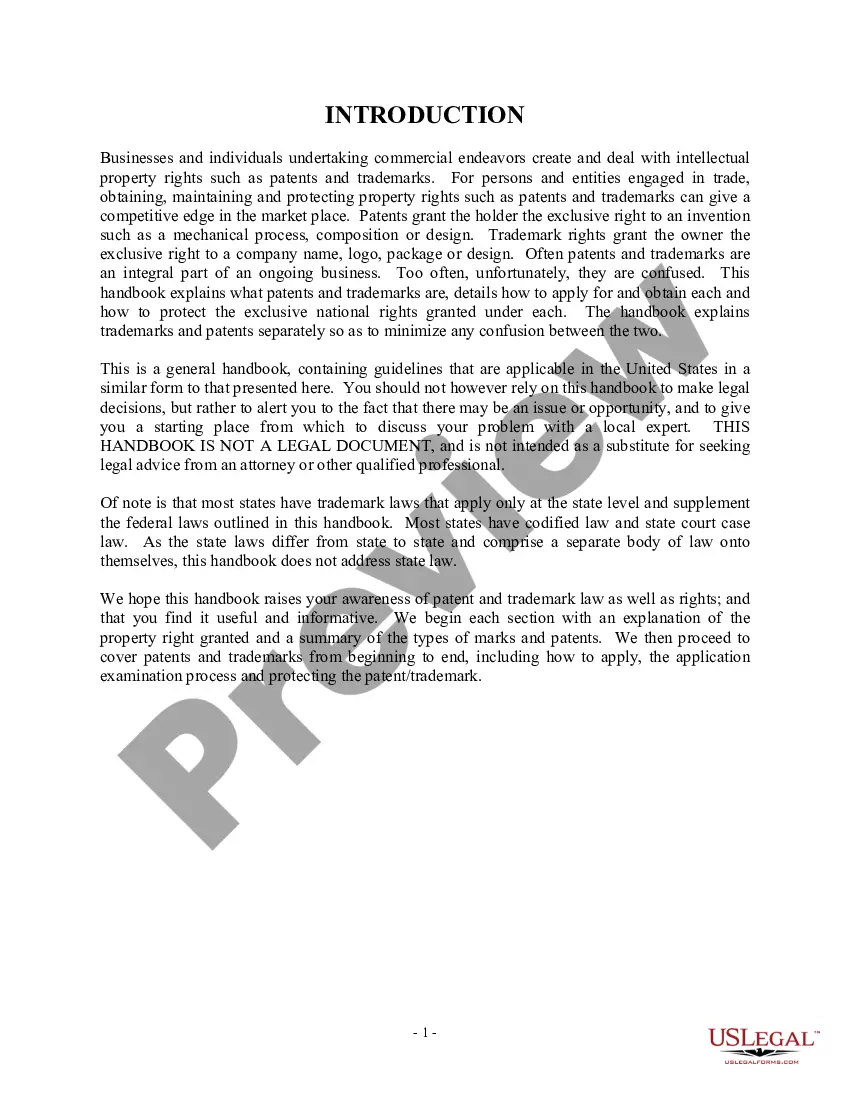
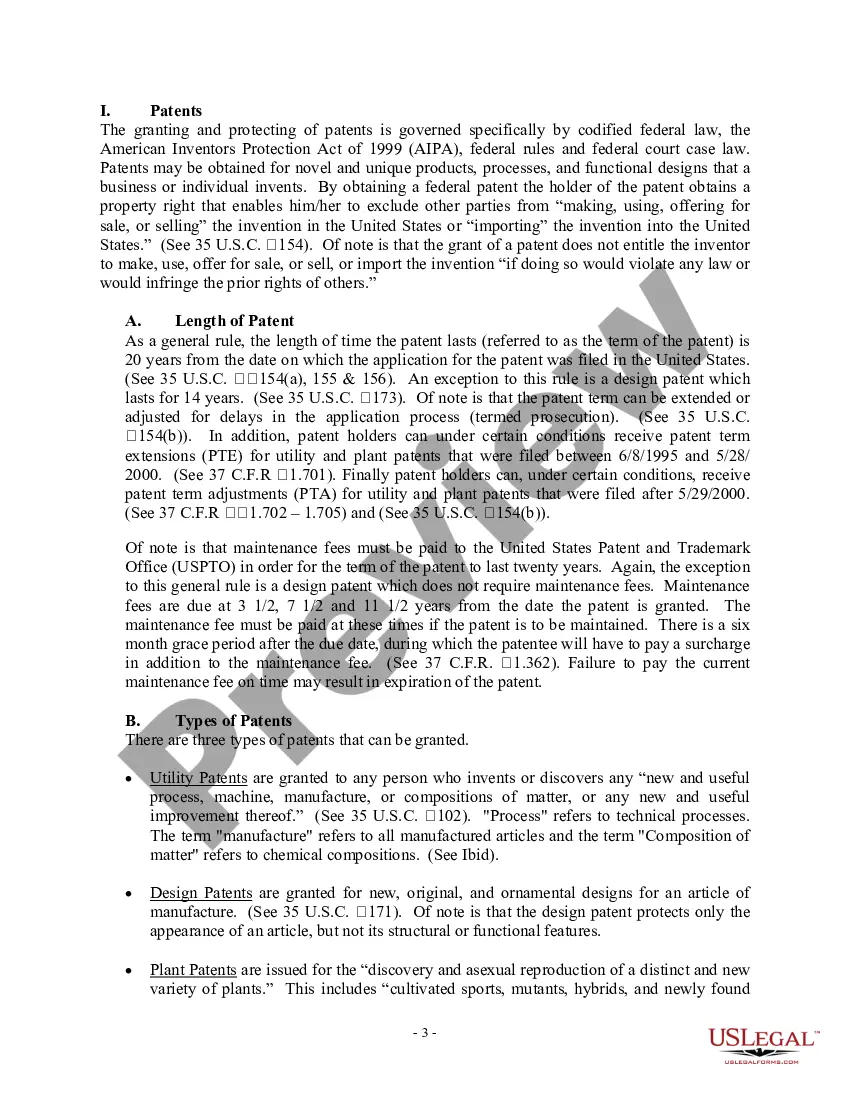


Get your form ready online
Our built-in tools help you complete, sign, share, and store your documents in one place.
Make edits, fill in missing information, and update formatting in US Legal Forms—just like you would in MS Word.
Download a copy, print it, send it by email, or mail it via USPS—whatever works best for your next step.
Sign and collect signatures with our SignNow integration. Send to multiple recipients, set reminders, and more. Go Premium to unlock E-Sign.
If this form requires notarization, complete it online through a secure video call—no need to meet a notary in person or wait for an appointment.
We protect your documents and personal data by following strict security and privacy standards.

Make edits, fill in missing information, and update formatting in US Legal Forms—just like you would in MS Word.

Download a copy, print it, send it by email, or mail it via USPS—whatever works best for your next step.

Sign and collect signatures with our SignNow integration. Send to multiple recipients, set reminders, and more. Go Premium to unlock E-Sign.

If this form requires notarization, complete it online through a secure video call—no need to meet a notary in person or wait for an appointment.

We protect your documents and personal data by following strict security and privacy standards.
Looking for another form?







Form popularity
FAQ
Yes. A recipe or cooking process can be patent, provided the same should should be unique in nature and should not be obvious of such creation/invention. Novelty is a crucial pre-requisite for applying for patent. Even if you are granted a patent, you rights are limited by the scope of patent.
It depends on the complexity of the invention, but as a general rule of thumb anywhere between $10-20k to file.
YES, you can patent a recipe! However, it can be more challenging than other types of IP. Simply changing one ingredient or the proportions of ingredients likely won't get you a granted application with the USPTO. There are millions of recipes that already exist as prior art, so if you decide to proceed, be sure.
No, you cannot patent a food recipe unless there is a truly unique process you use to achieve the results, one you invented yourself. Combining widely available ingredients is not sufficiently unique.
In the food industry, patents serve as a vital tool for protecting unique inventions and innovations. This includes a wide array of creations, from unique food processing methods to novel food products and cutting-edge packaging designs.
The process of manufacturing physical objects falls within the patentable subject matter umbrella for which the USPTO offers patent protection. However, patenting a process means that you are only protecting the process of making the object, and not the product.
Papers and Patents have Different Evaluation Points. In a paper, the emphasis is on how new it is compared to existing knowledge (common sense), or in other words, on originality (uniqueness). In the case of patents, originality is also necessary, but more important is business potential.
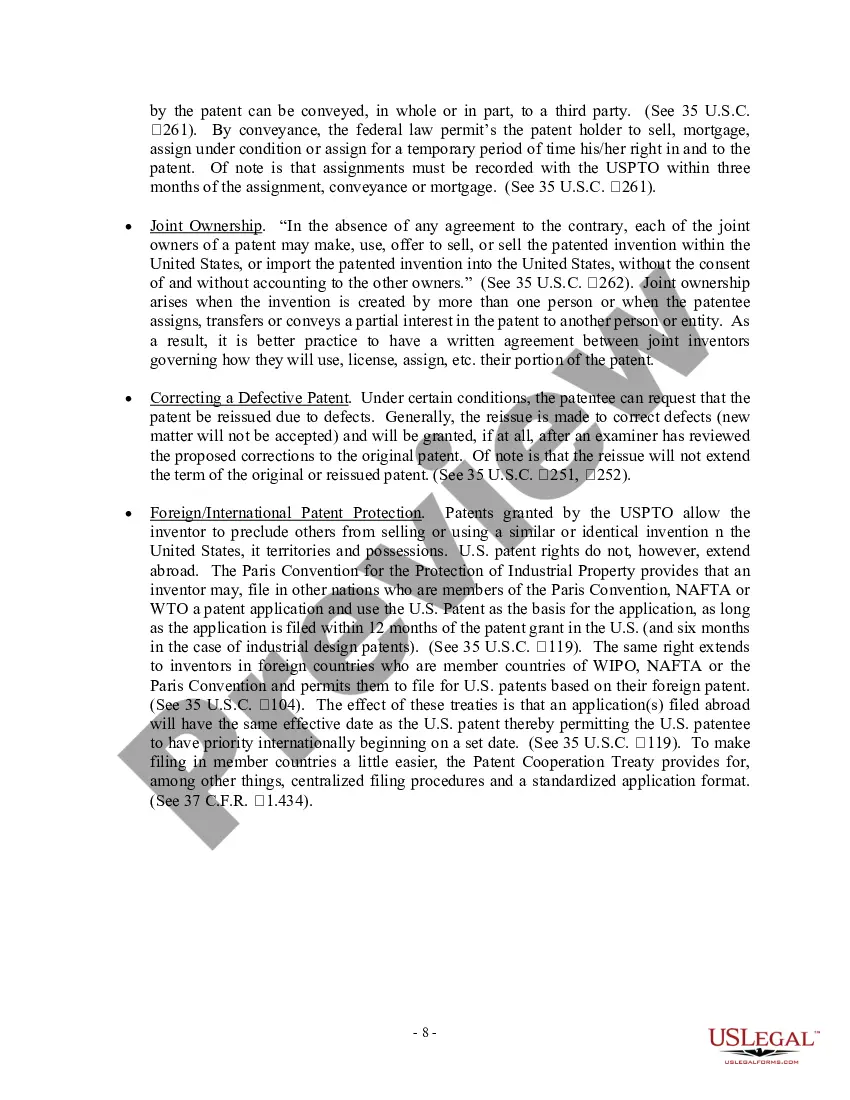
Patent law defines the limits of what can be patented. For example, the laws of nature, physical phenomena, and abstract ideas cannot be patented, nor can only an idea or suggestion.
Filing Patent Application Patent application in Form-1. Proof of right to file application from the inventor. Provisional specifications, if complete specifications are not available. Complete specification in Form-2 within 12 months of filing of provisional specification.
• Title and Preamble. • Prior art. • Drawbacks in prior art. • Filing of application at the Patent Office. • Filing of request for examination. • Publication. Conceptualizing an invention. Filing of application. With complete specification. F.E.R. ISSUED. • Re-Examination of amended documents.
