Trademark Rules For Logo In Contra Costa
Description



Get your form ready online
Our built-in tools help you complete, sign, share, and store your documents in one place.
Make edits, fill in missing information, and update formatting in US Legal Forms—just like you would in MS Word.
Download a copy, print it, send it by email, or mail it via USPS—whatever works best for your next step.
Sign and collect signatures with our SignNow integration. Send to multiple recipients, set reminders, and more. Go Premium to unlock E-Sign.
If this form requires notarization, complete it online through a secure video call—no need to meet a notary in person or wait for an appointment.
We protect your documents and personal data by following strict security and privacy standards.

Make edits, fill in missing information, and update formatting in US Legal Forms—just like you would in MS Word.

Download a copy, print it, send it by email, or mail it via USPS—whatever works best for your next step.

Sign and collect signatures with our SignNow integration. Send to multiple recipients, set reminders, and more. Go Premium to unlock E-Sign.

If this form requires notarization, complete it online through a secure video call—no need to meet a notary in person or wait for an appointment.

We protect your documents and personal data by following strict security and privacy standards.
Looking for another form?








Form popularity
FAQ
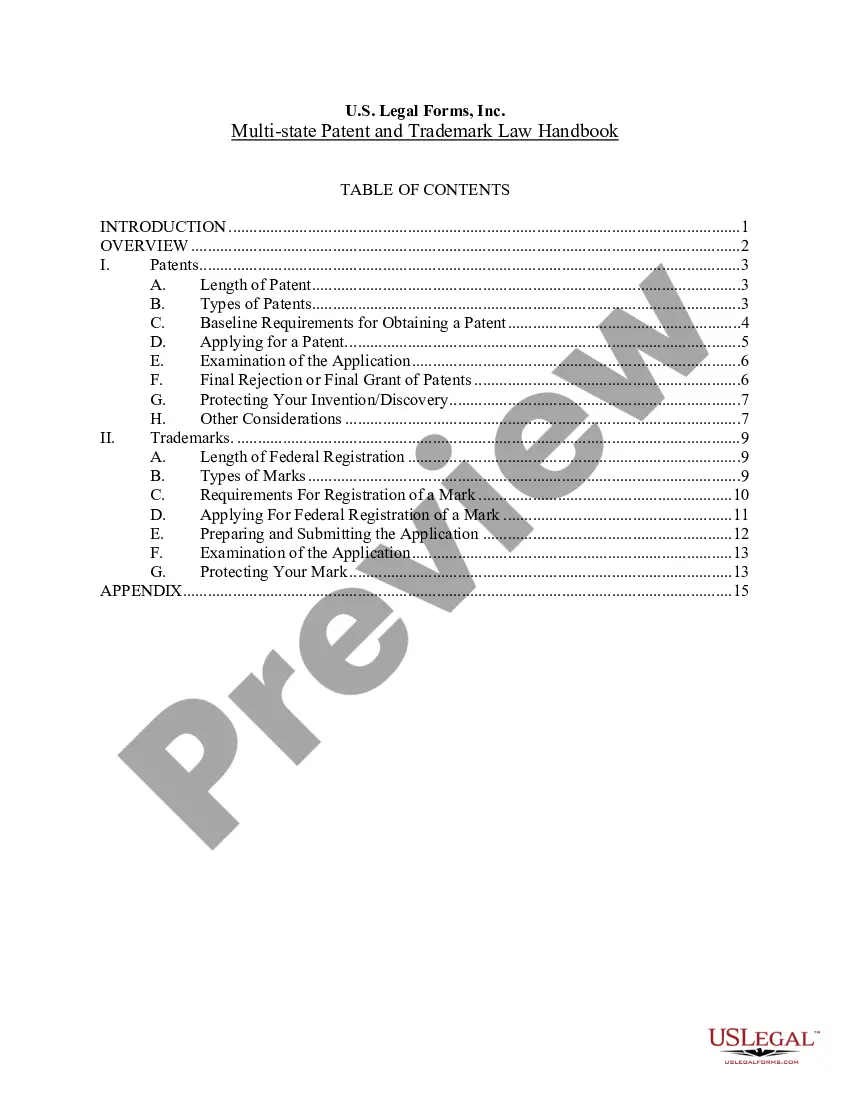
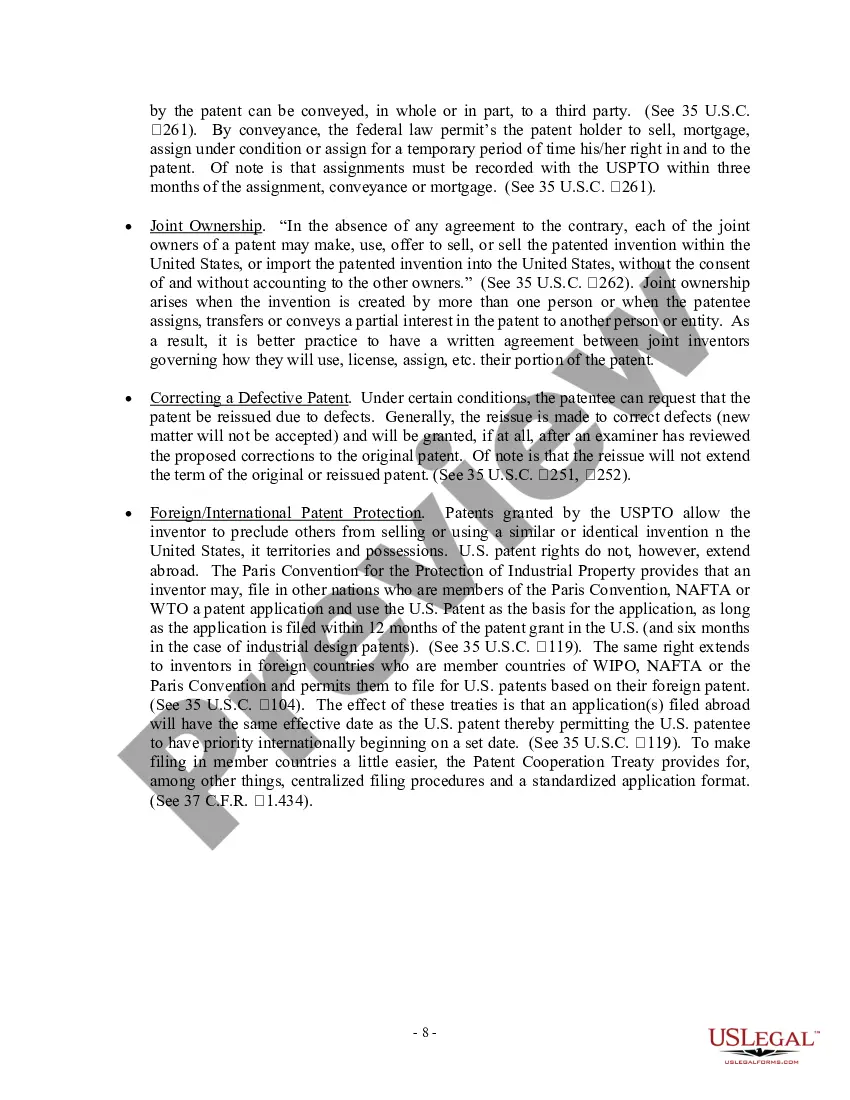
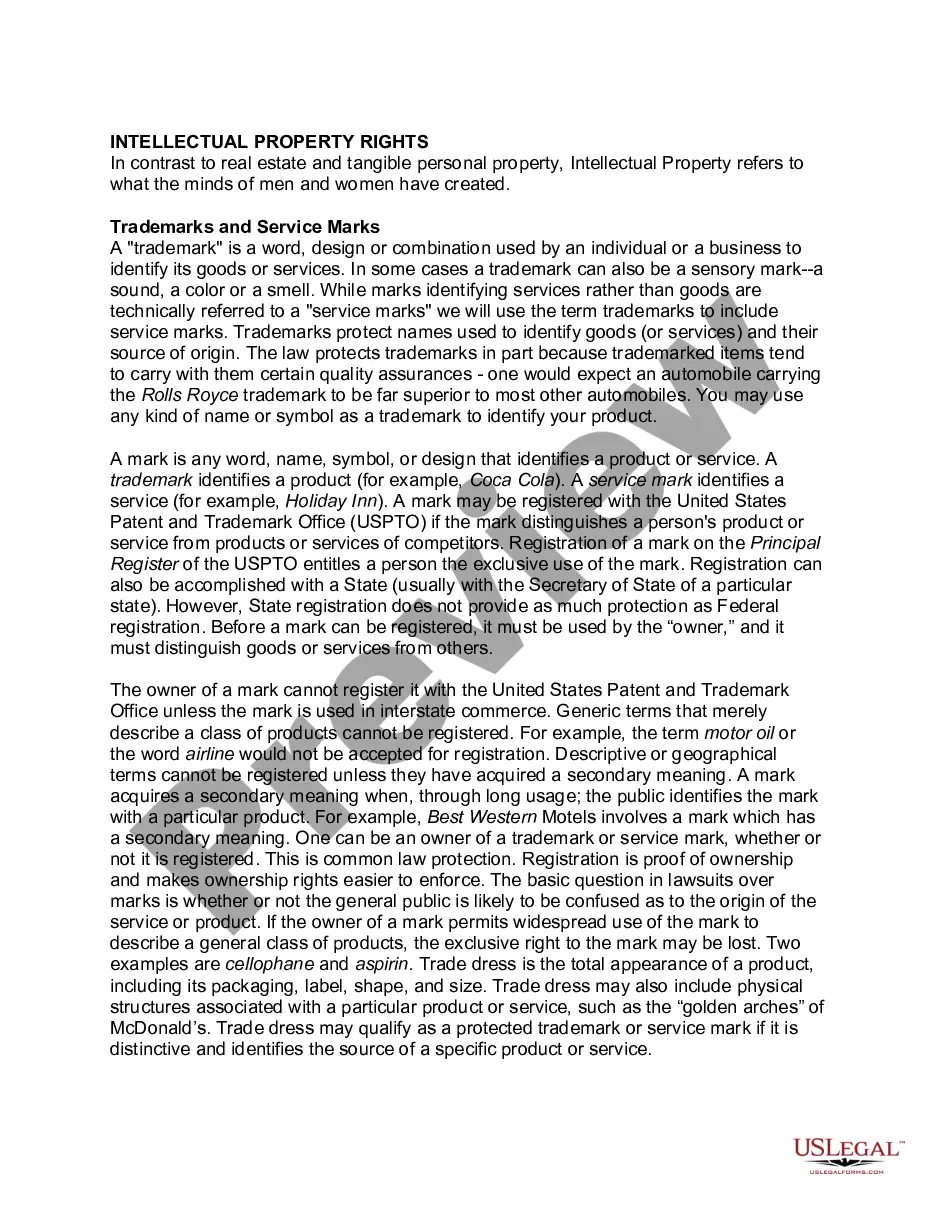
Contents You must file under your own individual or business name. You must have a distinctive mark. You must already be using the trademark or plan to use it soon. You must hire an attorney if you're a foreign citizen or company.
You can register a logo with the USPTO by using the Trademark Electronic Application System (TEAS) or other online trademark service. If your logo includes design elements, you will need to upload an image, using a . jpg file, of the logo as part of your trademark application.
Should you get an LLC first or trademark? Yes, you should get an LLC first before a trademark because the trademark application will need to identify the LLC as the trademark owner. You should create an LLC or business entity before you file a trademark application.
The process of filing the trademark registration application is fairly straightforward and can be done at the USPTO's TEAS website. But you will quickly find that the on-line application has a variety of potential complications and pitfalls that are perhaps best dealt with by having a trademark attorney deal with them.
The trademark process is a complex legal proceeding. If you are based in the U.S., you are not required to have an attorney represent you at the USPTO, but the USPTO strongly encourages you to hire an attorney to help you with the process. Think of it this way: How many small business owners still do their own taxes?
With trademarks, the entire process can be completed online pretty easily, even if you do it yourself without hiring an attorney. The United States Patent and Trademark Office, or USPTO, provides great self-help and a manageable online interview.
A mark may qualify as a valid trademark only if it meets three separate requirements: it must be distinctive, nonfunctional, and used in commerce. Trademarks must be distinctive enough to serve their basic function of distinguishing one seller's goods from another's.
Without permission, using a trademark can lead to infringement claims, which can have significant legal repercussions. To avoid such scenarios, it's crucial to seek proper authorization before using someone else's trademark.
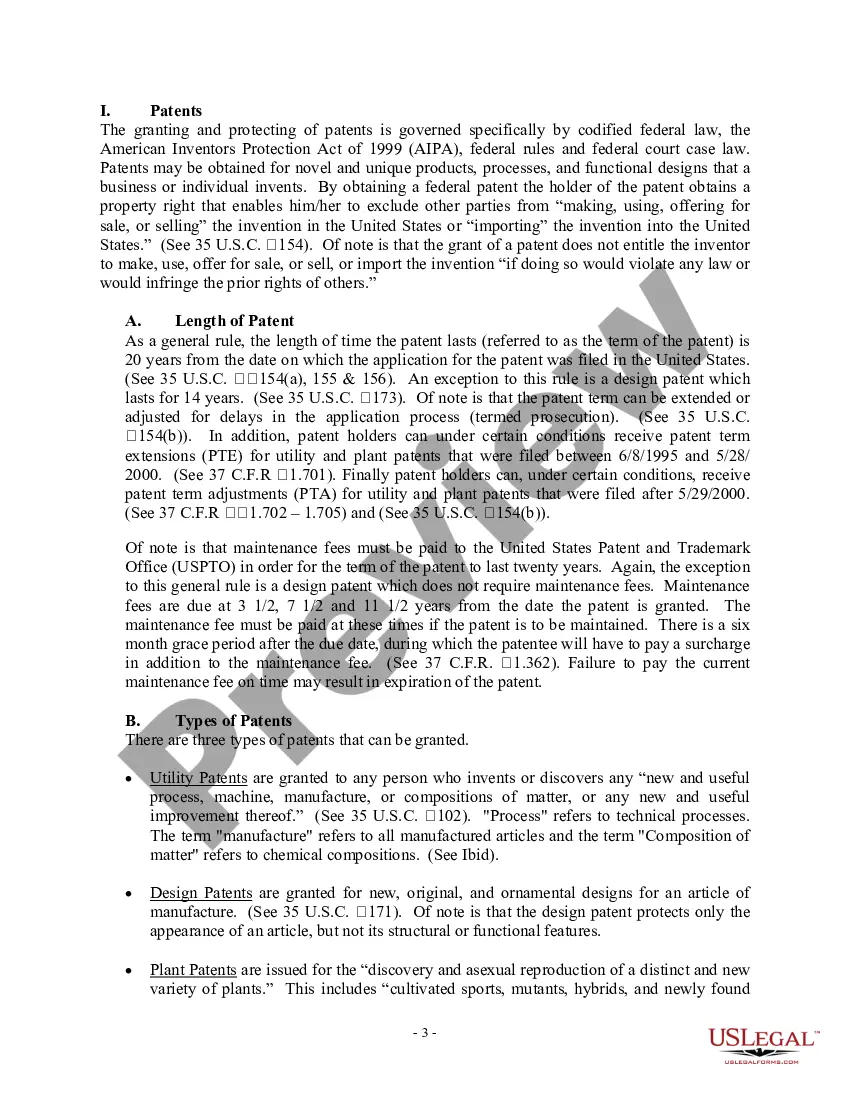
The California Trademark Act covers: (1) trademarks, which are words, names, symbols, or devices or any combination to indicate the source of the goods; (2) service marks, which are words, names, symbols, or devices or any combination to indicate the source of a service that you provide; and (3) trade names, which are ...
It depends. Higher value tends to lie in name recognition rather than familiarity of a logo. Since logos change more often than names, it usually makes more sense to register a standard character mark to protect the business moniker itself.
