Trademark Laws For Logos In Clark
Description

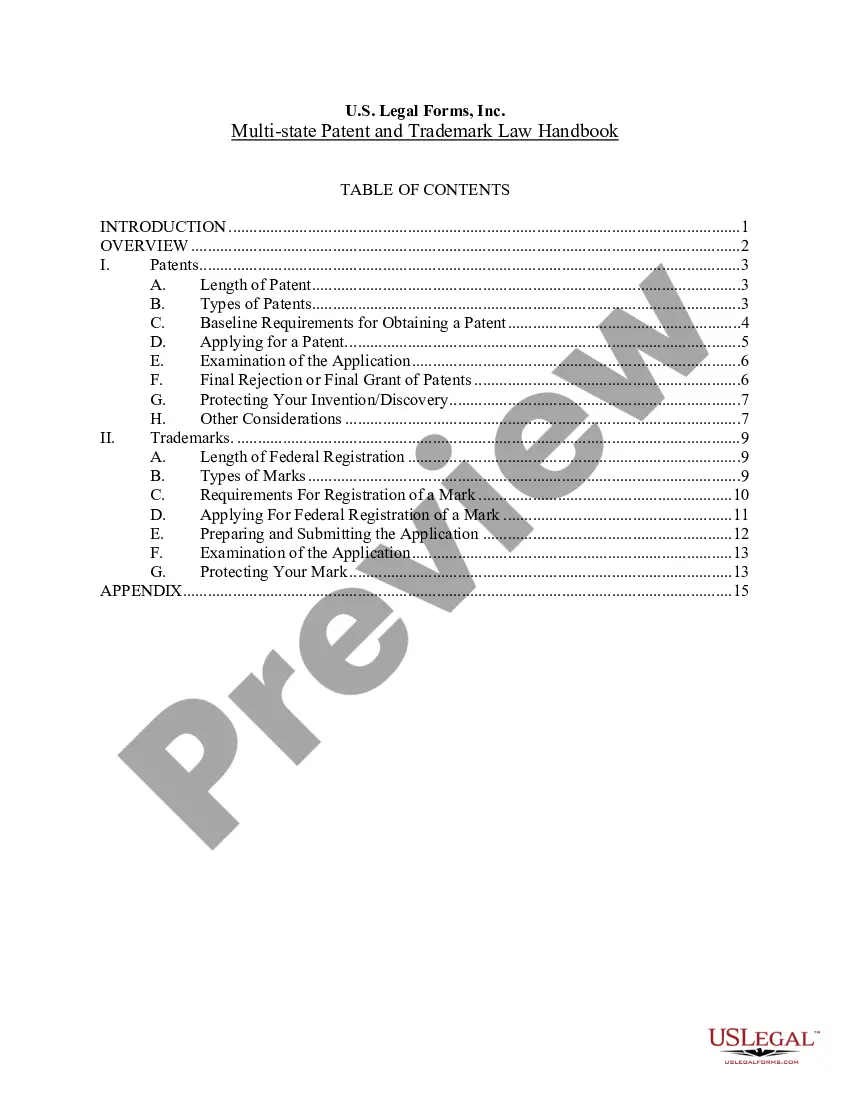
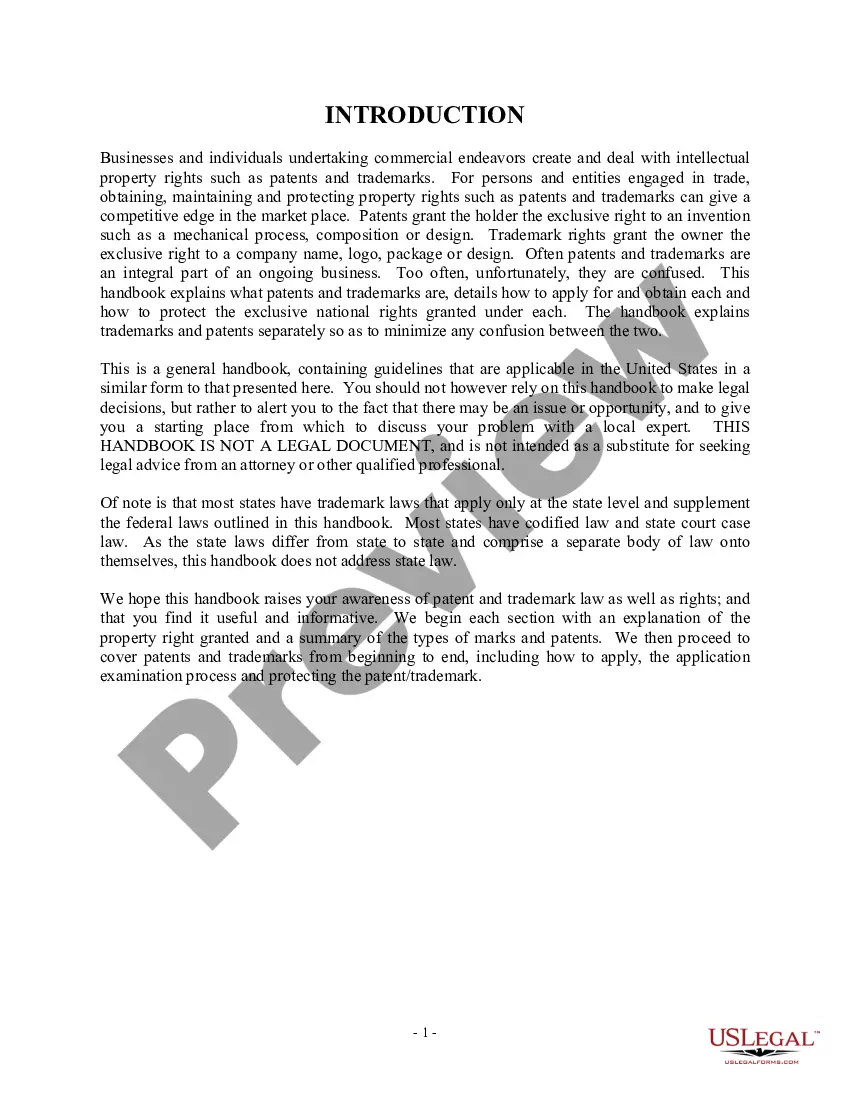
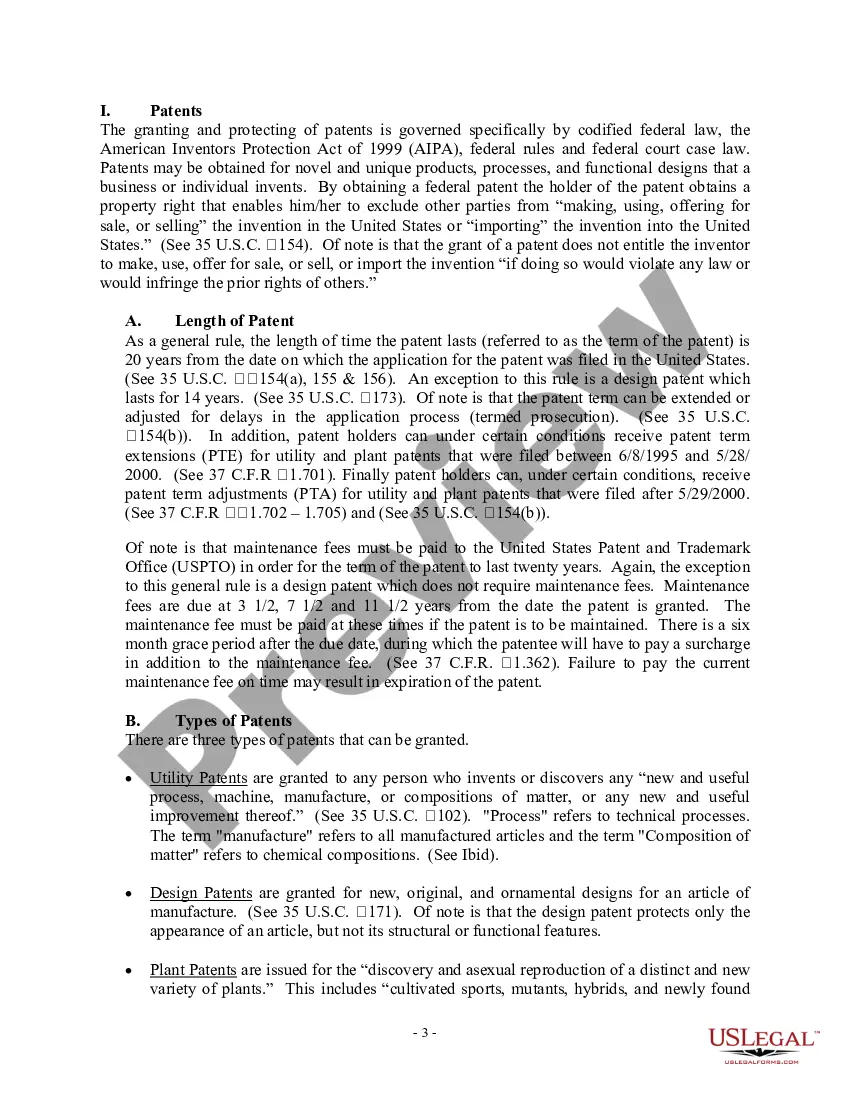


Get your form ready online
Our built-in tools help you complete, sign, share, and store your documents in one place.
Make edits, fill in missing information, and update formatting in US Legal Forms—just like you would in MS Word.
Download a copy, print it, send it by email, or mail it via USPS—whatever works best for your next step.
Sign and collect signatures with our SignNow integration. Send to multiple recipients, set reminders, and more. Go Premium to unlock E-Sign.
If this form requires notarization, complete it online through a secure video call—no need to meet a notary in person or wait for an appointment.
We protect your documents and personal data by following strict security and privacy standards.

Make edits, fill in missing information, and update formatting in US Legal Forms—just like you would in MS Word.

Download a copy, print it, send it by email, or mail it via USPS—whatever works best for your next step.

Sign and collect signatures with our SignNow integration. Send to multiple recipients, set reminders, and more. Go Premium to unlock E-Sign.

If this form requires notarization, complete it online through a secure video call—no need to meet a notary in person or wait for an appointment.

We protect your documents and personal data by following strict security and privacy standards.
Looking for another form?






Form popularity
FAQ
By simply having a logo, you have what's known as a common law trademark for your logo. That means that, without doing anything paperwork-wise, you have the sole legal right to use and amend that logo as you see fit. But without an officially registered trademark, that right isn't as secure as it could be.
General Rules of Proper Trademark Use Trademarks should be used as adjectives – not as nouns or verbs. ingly, a trademark should not be used alone. Rather, a trademark term should always be used with, and immediately precede, the generic noun that describes the product or component in question.
A trademark is not just a legal tool; it represents the legal recognition of a brand's identity, offering protection against misuse or copying. The lack of a trademark can leave a logo vulnerable, potentially leading to situations where one might need to sue for unauthorized use or infringement.
A logo or trademark is any photograph, word, or symbol used to identify a brand, service, or product. You need permission to use a logo unless it is for editorial or information purposes, such as when a logo is used in a written article or being used as part of a comparative product statement.
Many businesses have a logo that they use to promote their goods or services. Often this is in addition to their name, which might just be plain words. Ideally, if you have a logo, which is more than just a stylised version of your words, then it would be preferable to register both the plain word mark, and the logo.
The trademark office will then evaluate your application to see if it qualifies for trademark protection. Best of all, they will not consider the other business who is using the same name if they haven't filed for trademark protection. This means you can get a trademark even if someone else is using your business name.
To do this legally, you should be getting permission to rebrand another's product as your own and this is typically done through the use of a “White Label Agreement.” A white label product is a product or service produced by one company (the producer) that other companies (the marketers) rebrand to make it appear as if ...
How to make sure you have a strong logo design for your trademark. Use a unique image or graphic design rather than something generic. Keep it clean and clear with a good use of color and empty space. Use easy-to-read typography. Make sure your design represents your brand identity and appeals to your target audience.
U.S. trademark law enables you to protect a logo design, word mark or any other brand identifier from being used by another third party in connection with a similar product or service to yours.
For example: The half-eaten apple with a leaf is Apple company's logo, registered as the company trademark. But not all companies have logos as their trademarks. The word 'LOREAL' is a trademark of the Loreal company used for its products without any design or symbol.
