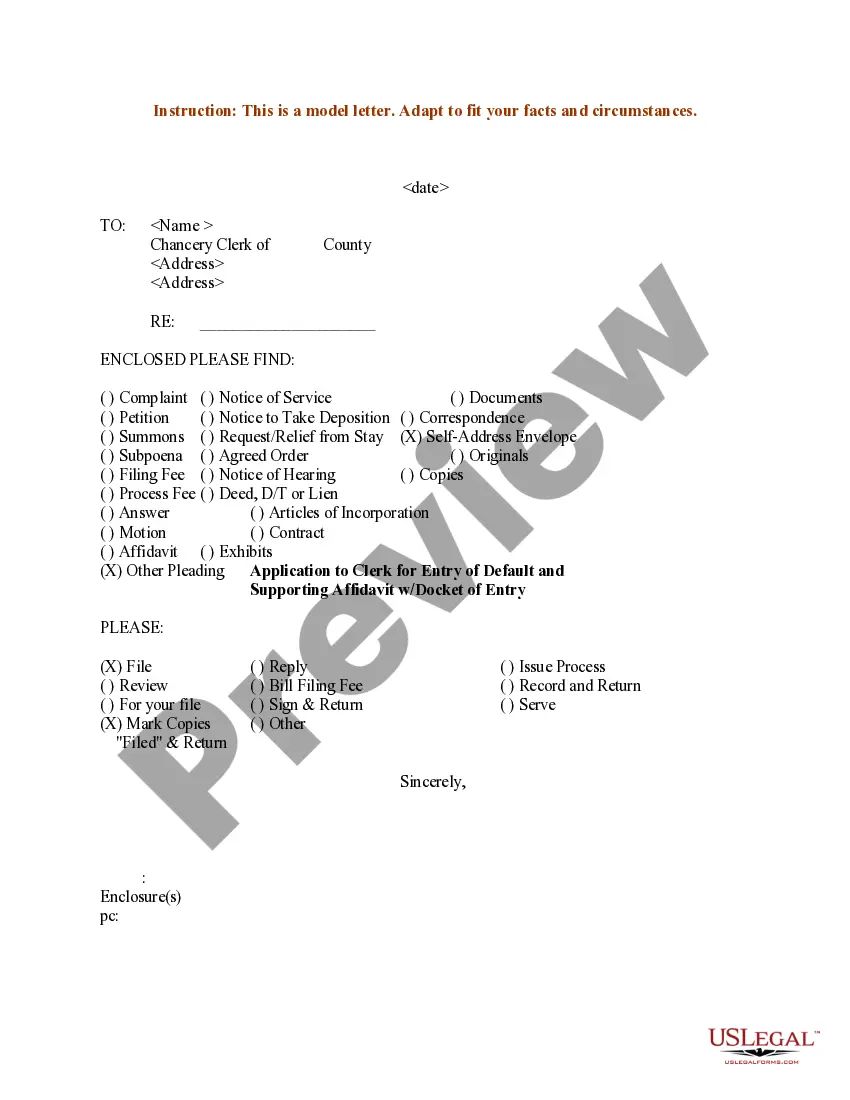
Examples Of Pleadings In Virginia
Description
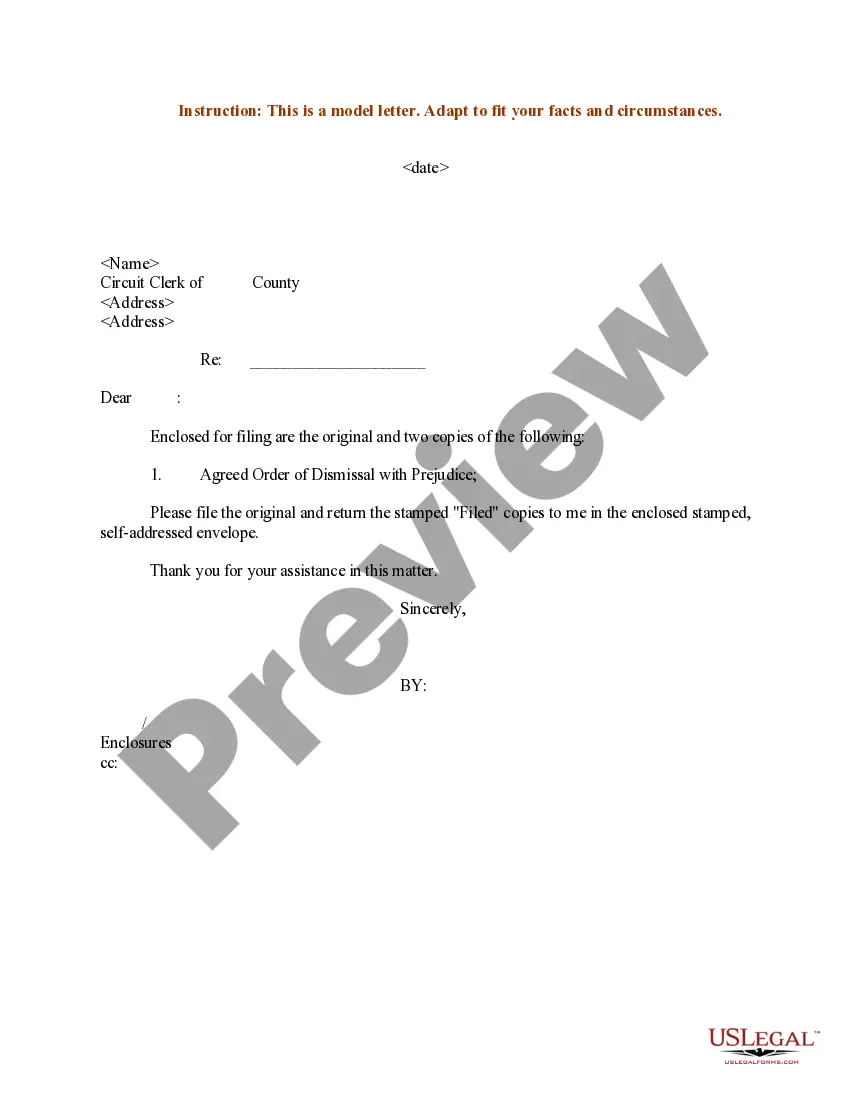
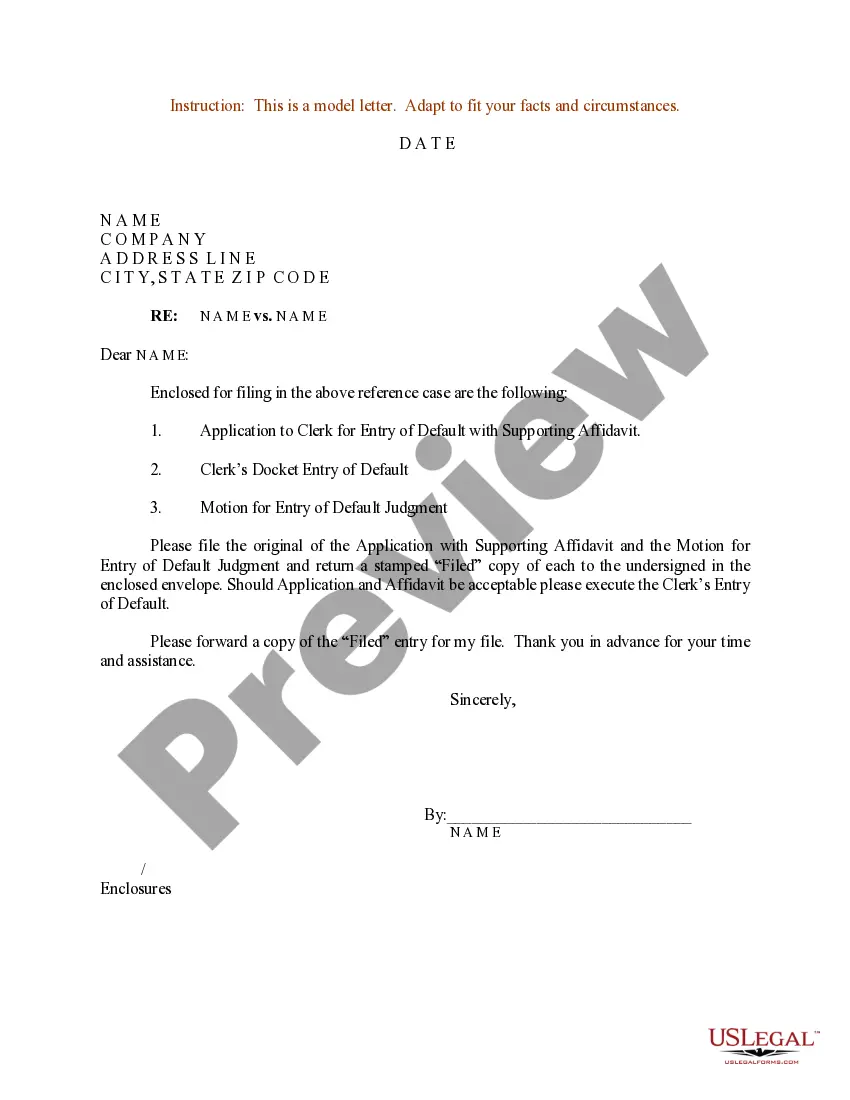
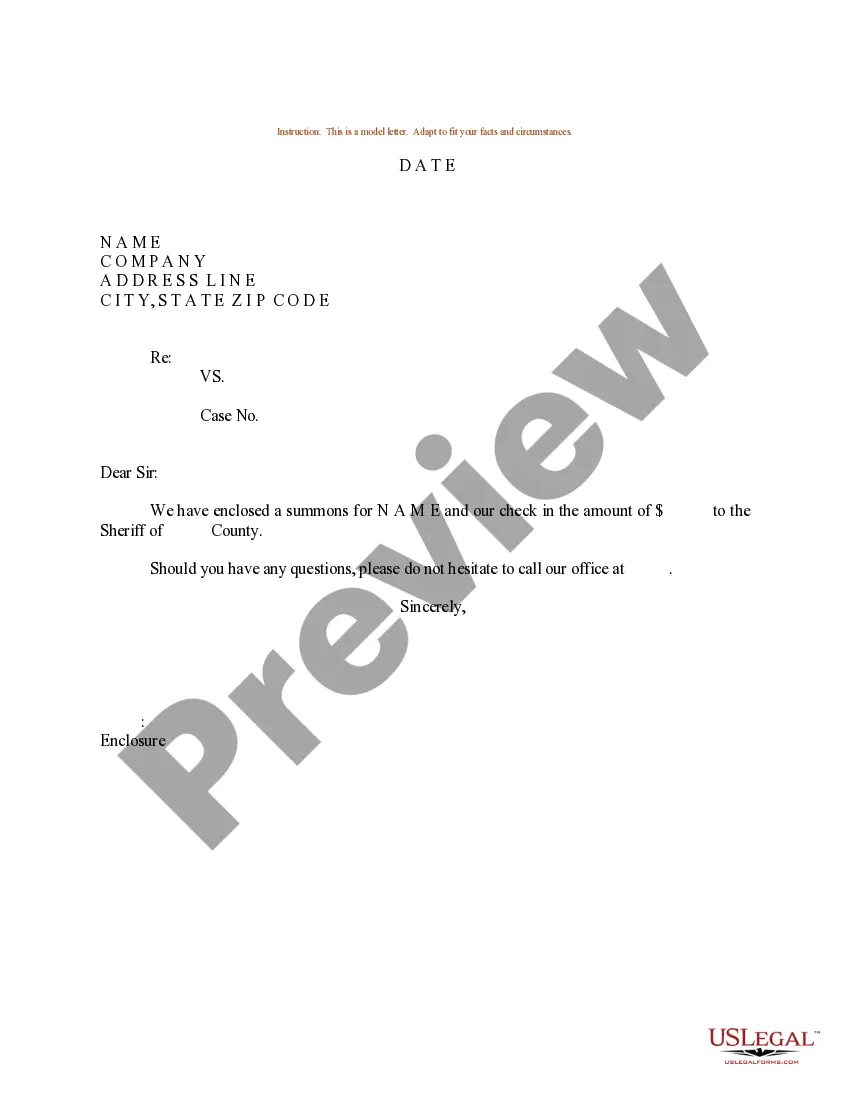
Get your form ready online
Our built-in tools help you complete, sign, share, and store your documents in one place.
Make edits, fill in missing information, and update formatting in US Legal Forms—just like you would in MS Word.
Download a copy, print it, send it by email, or mail it via USPS—whatever works best for your next step.
Sign and collect signatures with our SignNow integration. Send to multiple recipients, set reminders, and more. Go Premium to unlock E-Sign.
If this form requires notarization, complete it online through a secure video call—no need to meet a notary in person or wait for an appointment.
We protect your documents and personal data by following strict security and privacy standards.

Make edits, fill in missing information, and update formatting in US Legal Forms—just like you would in MS Word.

Download a copy, print it, send it by email, or mail it via USPS—whatever works best for your next step.

Sign and collect signatures with our SignNow integration. Send to multiple recipients, set reminders, and more. Go Premium to unlock E-Sign.

If this form requires notarization, complete it online through a secure video call—no need to meet a notary in person or wait for an appointment.

We protect your documents and personal data by following strict security and privacy standards.
Looking for another form?









Form popularity
FAQ
Sections 91 to 100 are based upon the principle that the best evidence must always be given, and the acceptance of the fact that no matter how good a person's memory may be, the best evidence of the content of a document is the document itself.
The best evidence rule is a legal principle that holds an original of a document as superior evidence. The rule specifies that secondary evidence, such as a copy or facsimile, will be not admissible if an original document exists and can be obtained.
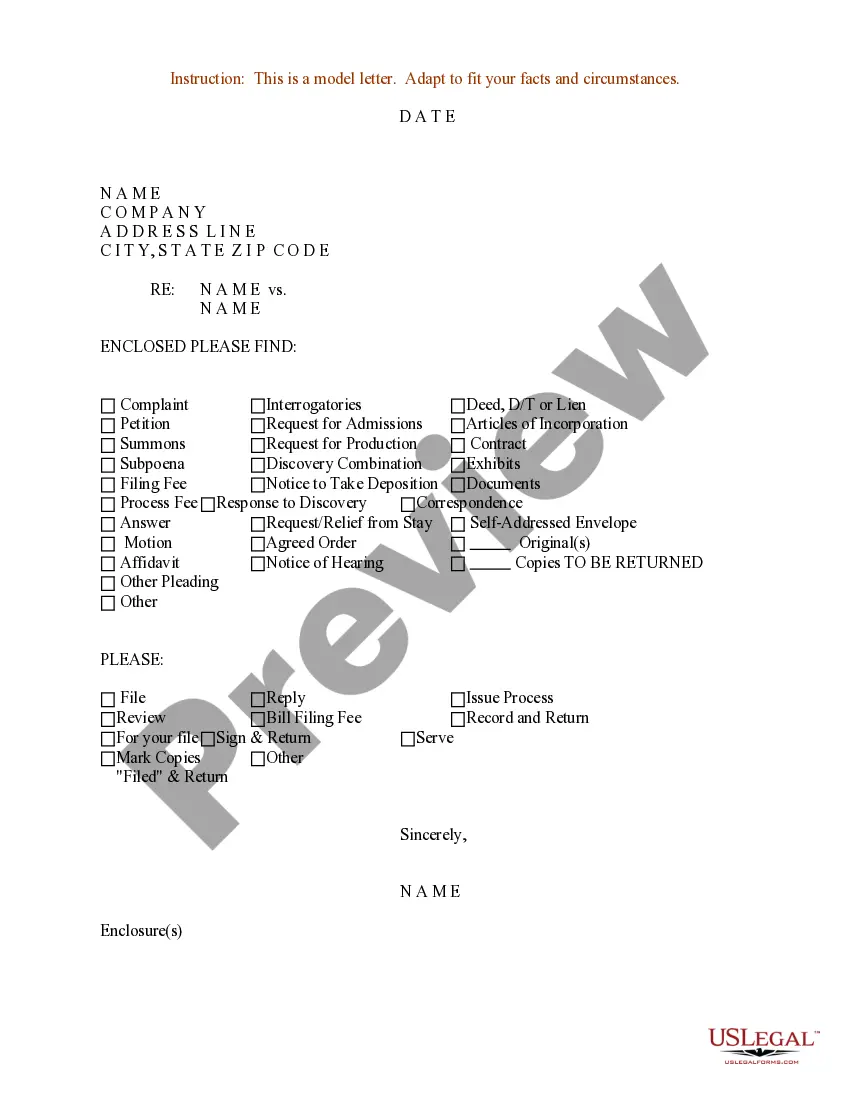
There are several types of pleadings in civil litigation. These include complaints, which serve as the basis of the legal action, and answers, which are the responses to the complaints.
The Virginia Rules of Evidence recognize a broad definition of writings, including “letters, words, numbers, or their equivalent, set down by handwriting, typewriting, printing, photographing, magnetic impulse, mechanical or electrical recording, or other form of data compilation or preservation.” The best evidence ...
All motions in writing, including a motion for a bill of particulars and a motion to dismiss, whether filed in paper document format or as electronic or digitally imaged filings, are pleadings.
A witness having an adverse interest may be examined with leading questions by the party calling the witness. After such an adverse direct examination, the witness is subject to cross-examination.
(1) Unless the court upon motion, for the convenience of parties and witnesses and in the interests of justice, orders otherwise, methods of discovery may be used in any sequence and the fact that a party is conducting discovery, whether by deposition or otherwise, shall not operate to delay any other party's discovery ...
Rule 3.8(d) requires a prosecutor “make timely disclosure” of the “existence of evidence” that the prosecutor knows tends to negate the guilt of the accused, mitigate the degree of the offense, or reduce the punishment, but the rule does not specify what form that disclosure must take, nor whether disclosure requires ...