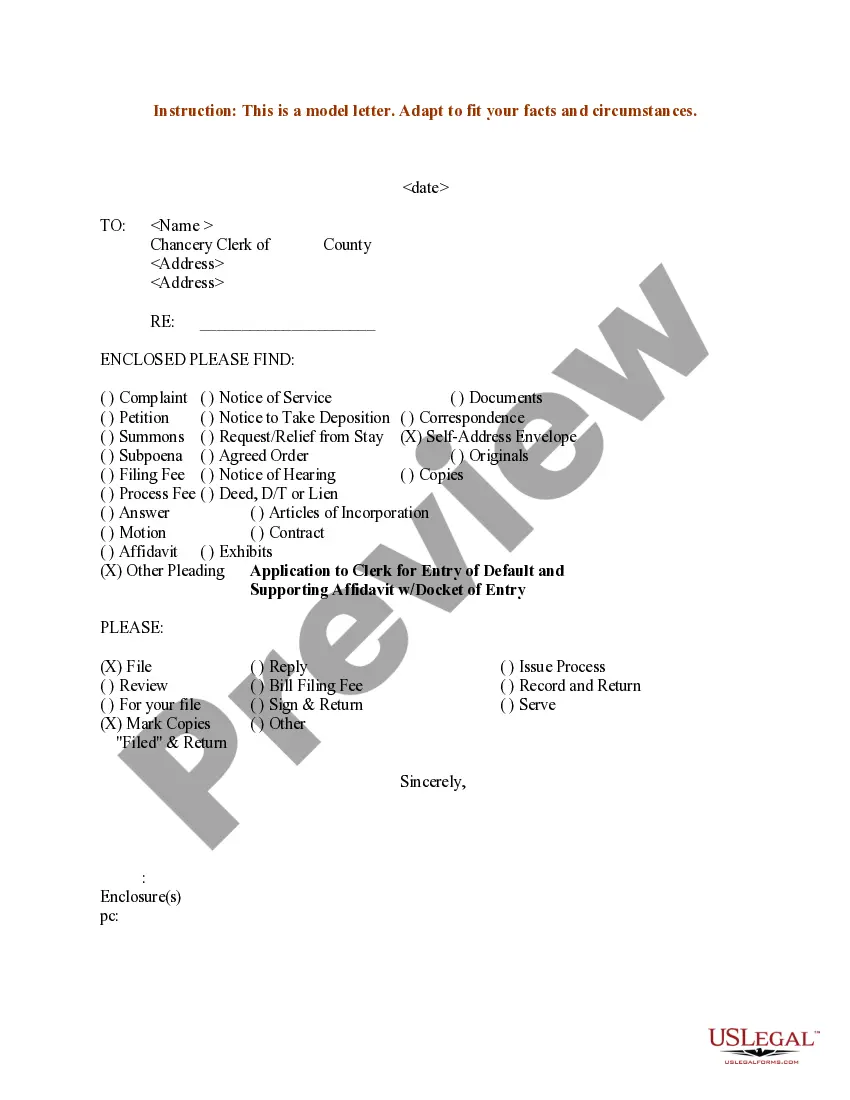
Formal Requirements Of Pleadings In Tarrant
Description
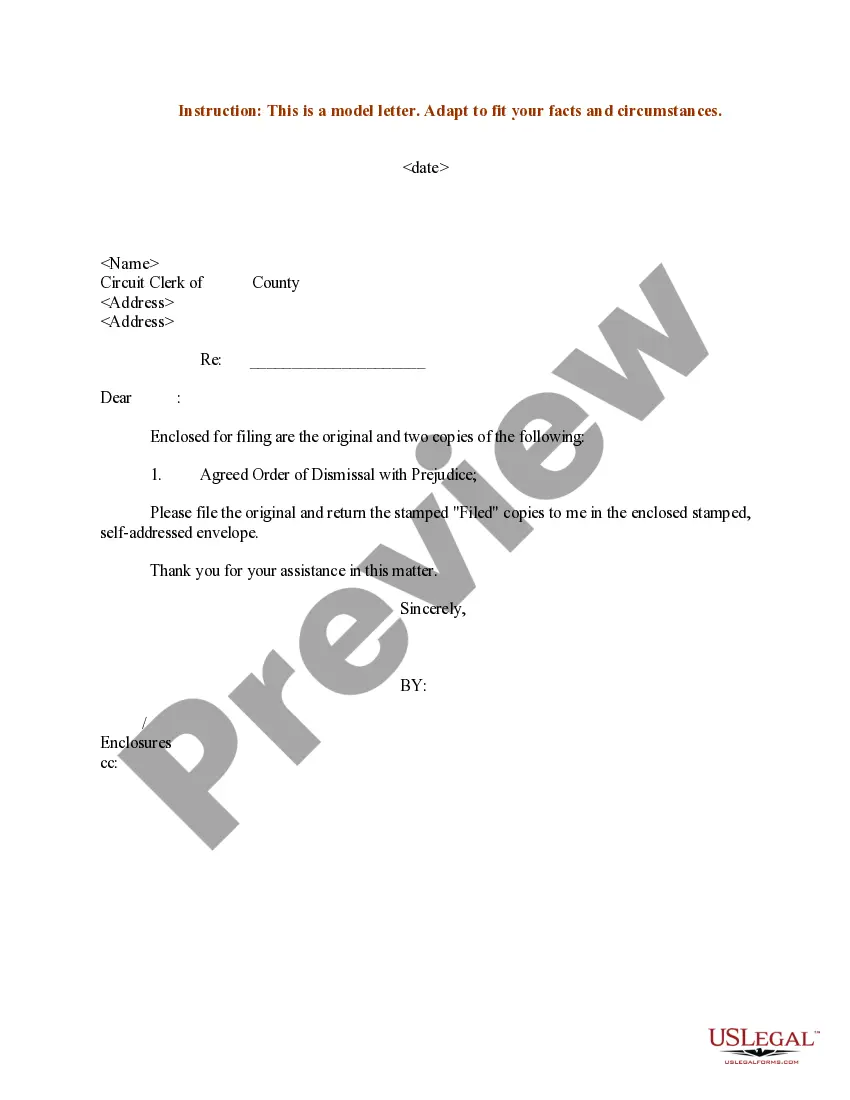
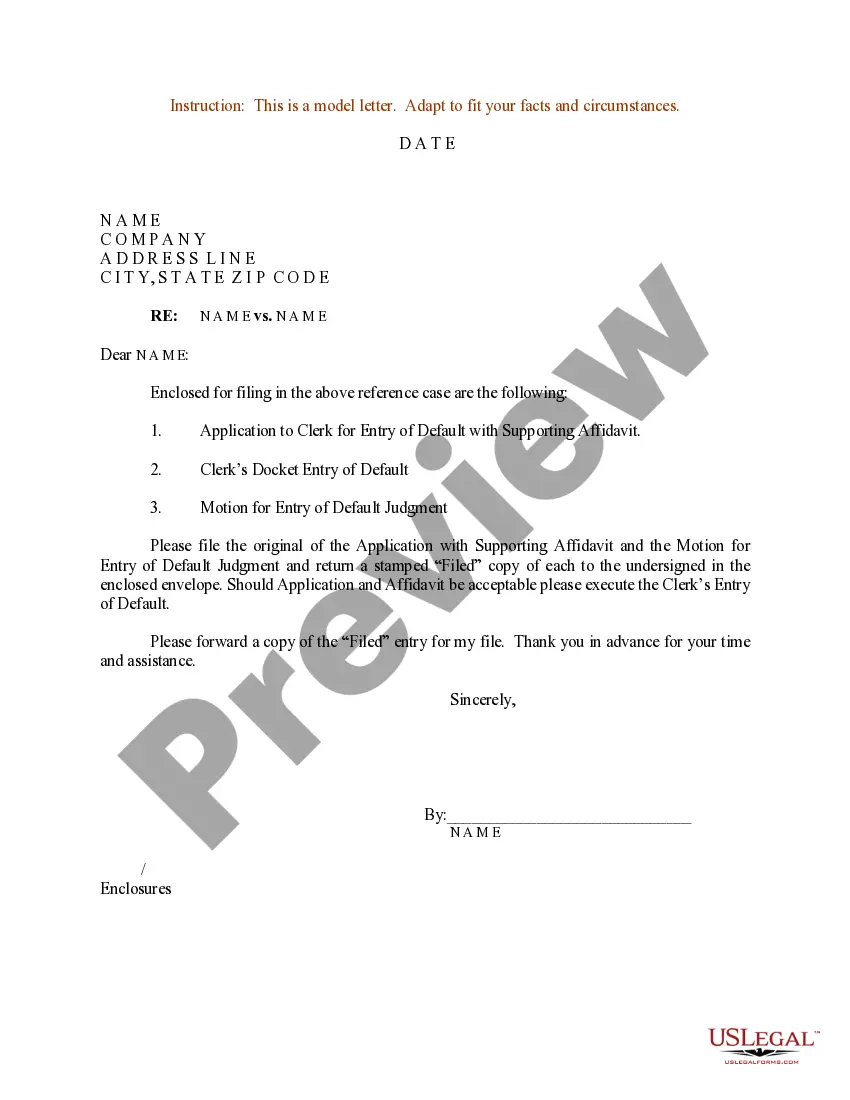
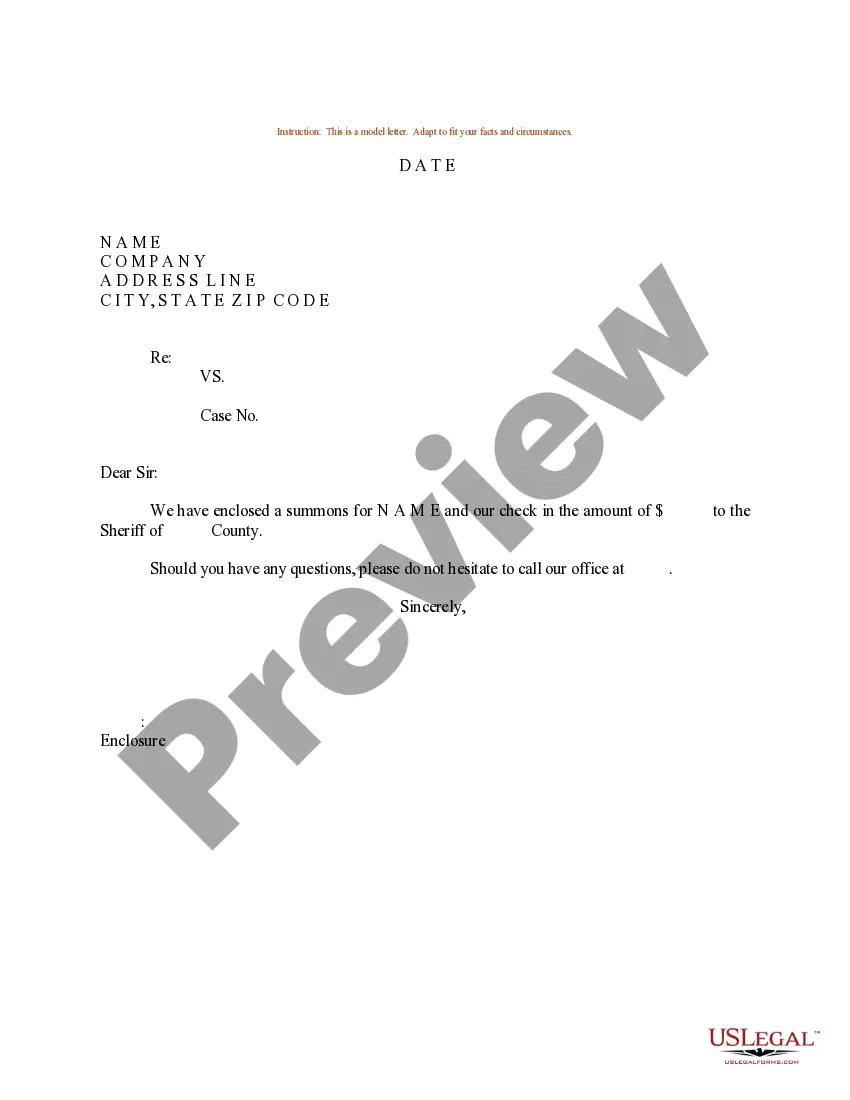
Get your form ready online
Our built-in tools help you complete, sign, share, and store your documents in one place.
Make edits, fill in missing information, and update formatting in US Legal Forms—just like you would in MS Word.
Download a copy, print it, send it by email, or mail it via USPS—whatever works best for your next step.
Sign and collect signatures with our SignNow integration. Send to multiple recipients, set reminders, and more. Go Premium to unlock E-Sign.
If this form requires notarization, complete it online through a secure video call—no need to meet a notary in person or wait for an appointment.
We protect your documents and personal data by following strict security and privacy standards.

Make edits, fill in missing information, and update formatting in US Legal Forms—just like you would in MS Word.

Download a copy, print it, send it by email, or mail it via USPS—whatever works best for your next step.

Sign and collect signatures with our SignNow integration. Send to multiple recipients, set reminders, and more. Go Premium to unlock E-Sign.

If this form requires notarization, complete it online through a secure video call—no need to meet a notary in person or wait for an appointment.

We protect your documents and personal data by following strict security and privacy standards.
Looking for another form?
Form popularity
FAQ
Every pleading of a party represented by an attorney shall be signed by at least one attorney of record in his individual name, with his State Bar of Texas identification number, address, telephone number, email address, and if available, fax number.
P. 58. Statements in a pleading may be adopted by reference in a different part of the same pleading or in another pleading or in any motion, so long as the pleading containing such statements has not been superseded by an amendment as provided by Rule 65.
Rule 21c of the Texas Rules of Civil Procedure has strict rules for the redaction and filing of sensitive data in civil cases. If a document contains sensitive data, the filing party must notify the clerk.
The most common basis for setting aside a default judgment is “mistake, inadvertence, surprise, or excusable neglect.” Usually, when a company defaults on a lawsuit (especially a larger company that is sued relatively often), it is not because the company is willfully ignoring the lawsuit.
Rule 165a - Dismissal for Want of Prosecution 1. Failure to Appear. A case may be dismissed for want of prosecution on failure of any party seeking affirmative relief to appear for any hearing or trial of which the party had notice.
The pleadings allowed in civil actions are complaints, demurrers, answers, and cross-complaints. 422.30. (a) Every pleading shall contain a caption setting forth: (1) The name of the court and county in which the action is brought. (2) The title of the action.
Justice Court Rules Rule 500.3 (e) states that the other Rules of Civil Procedure and the Rules of Evidence do not apply to justice court cases unless: when the judge hearing the case determines that a particular rule must be followed to ensure that the proceedings are fair to all parties; or.
Serving Other Papers After the citation has been served on the defendant, Rule 501.4 of the Texas Rules of Civil Procedure governs how other documents filed in the case may be served on the defendant. They can be served in several ways: in person. by mail or courier.
The party obtaining the production must make all materials produced available for inspection by any other party on reasonable notice, and must furnish copies to any party who requests at that party's expense.
TRCP 176.5: A subpoena must be served by a sheriff, constable, or any person who is not a party and is at least 18 years of age by delivering a copy to the named person.