Advertising For Place In Queens
Description
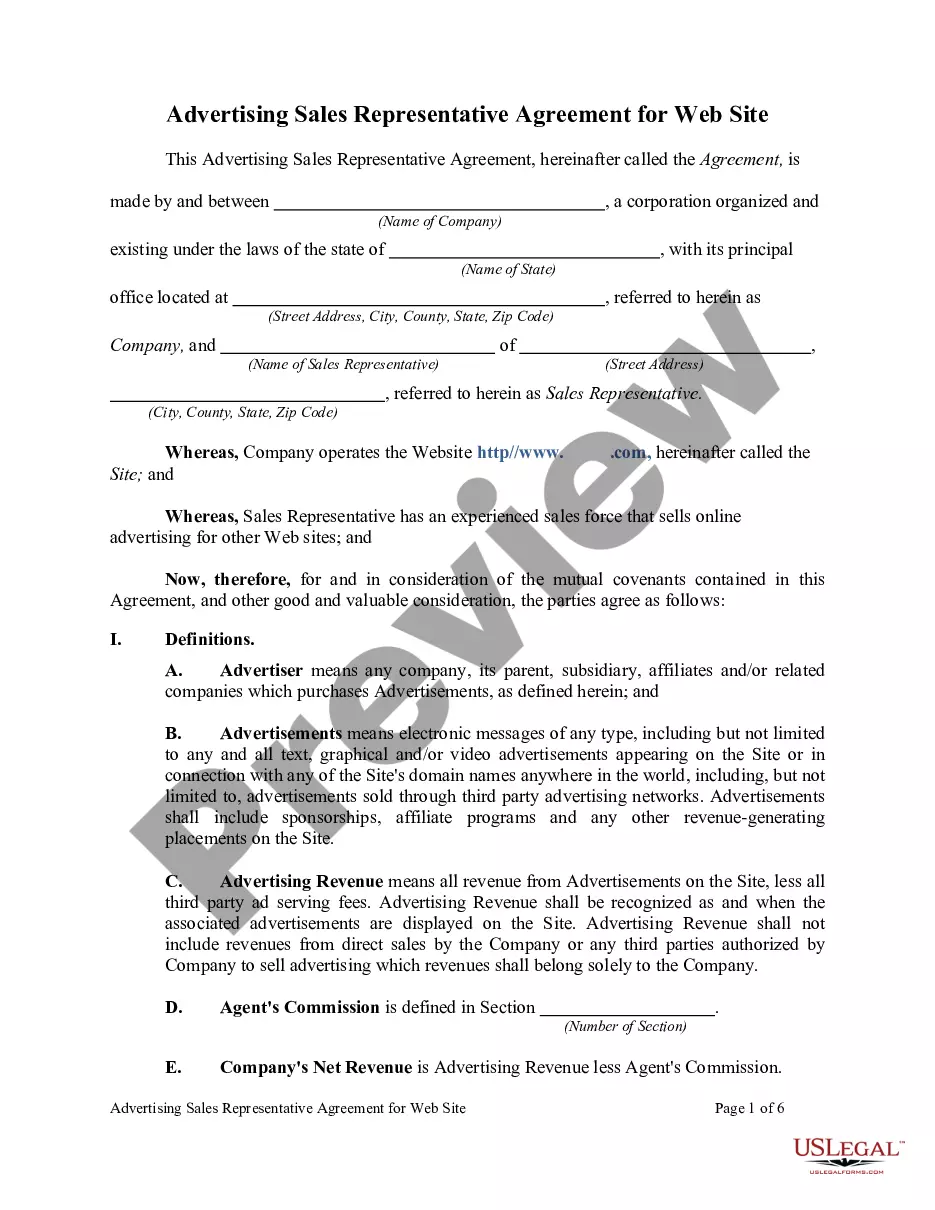
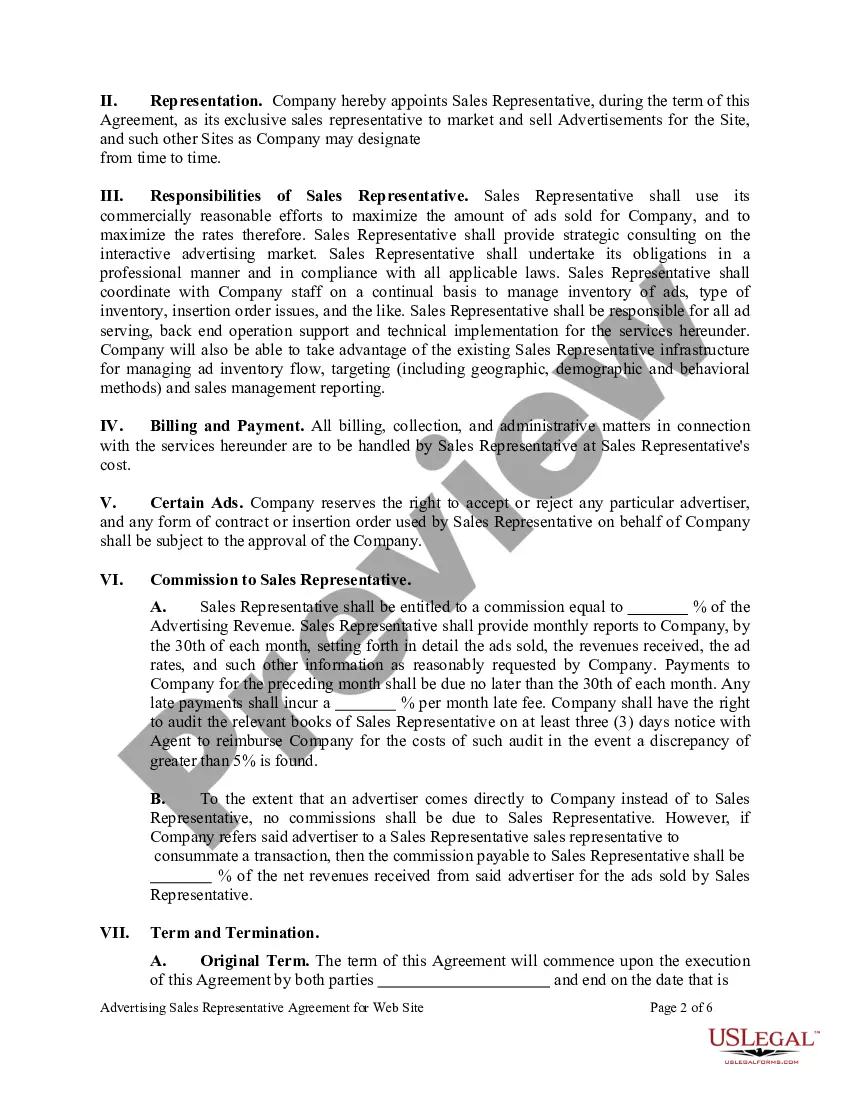
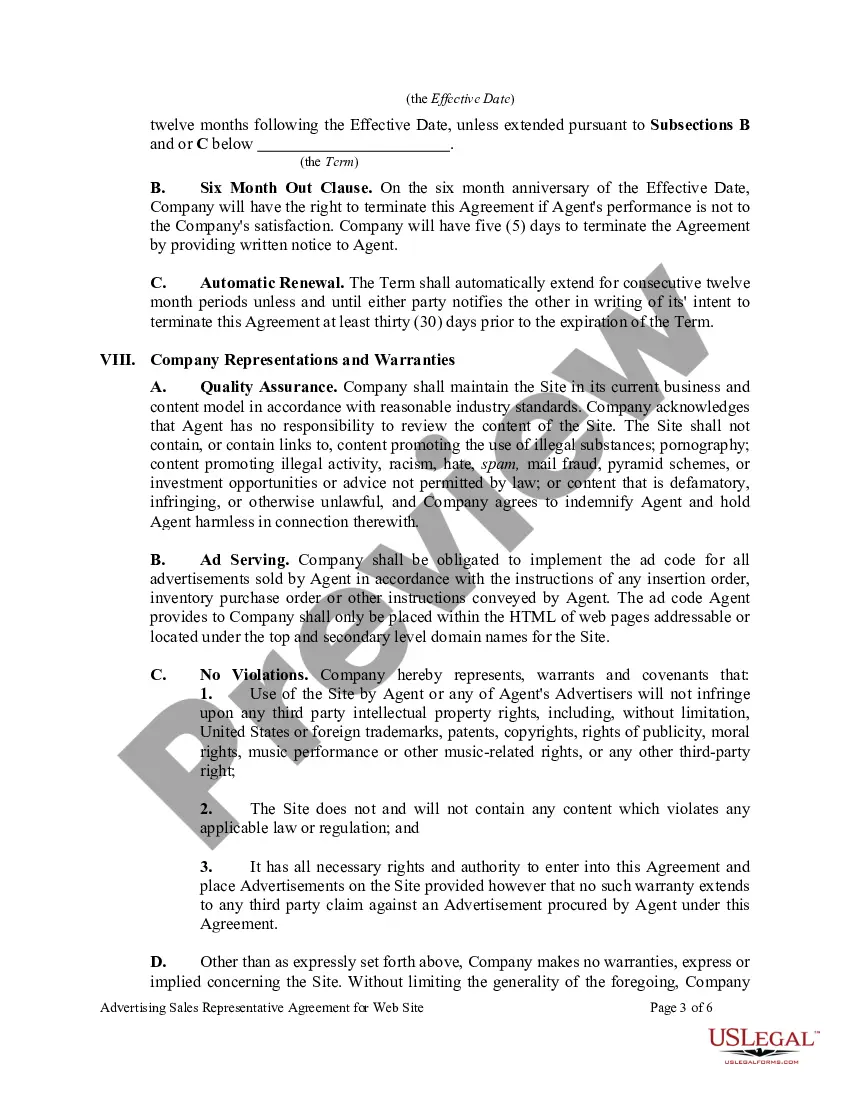
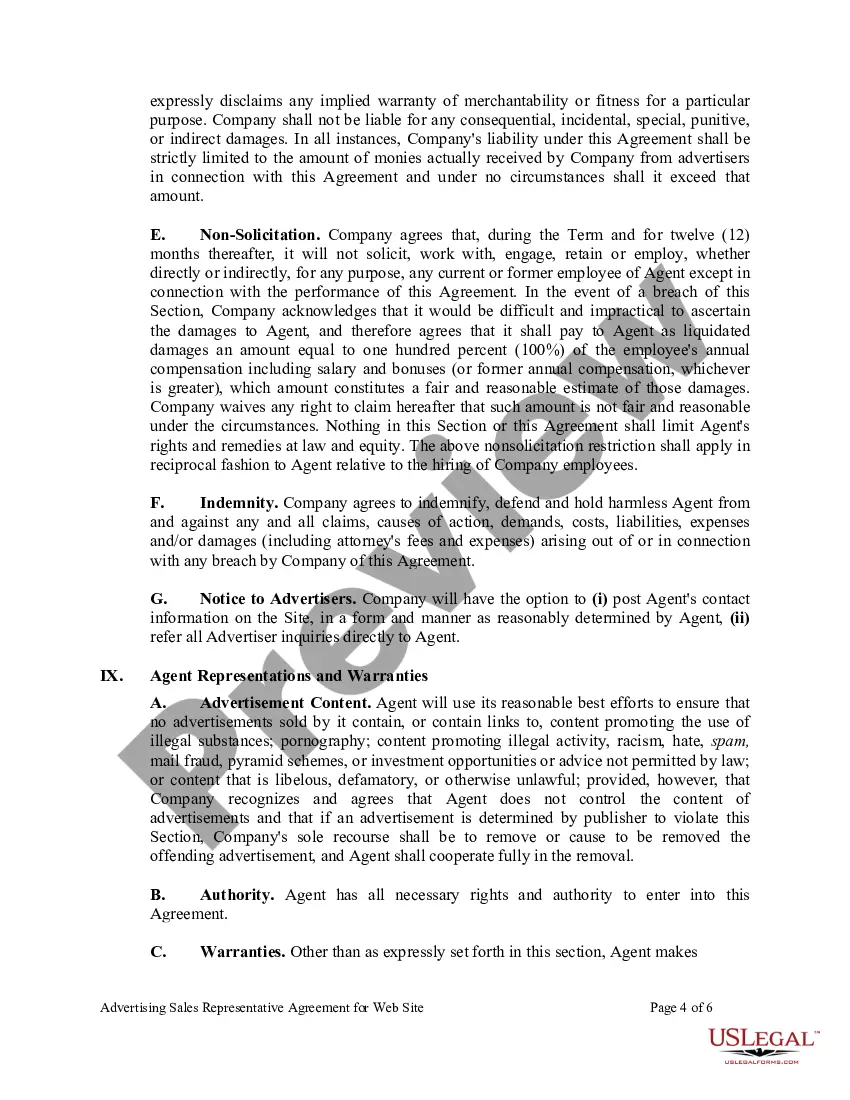
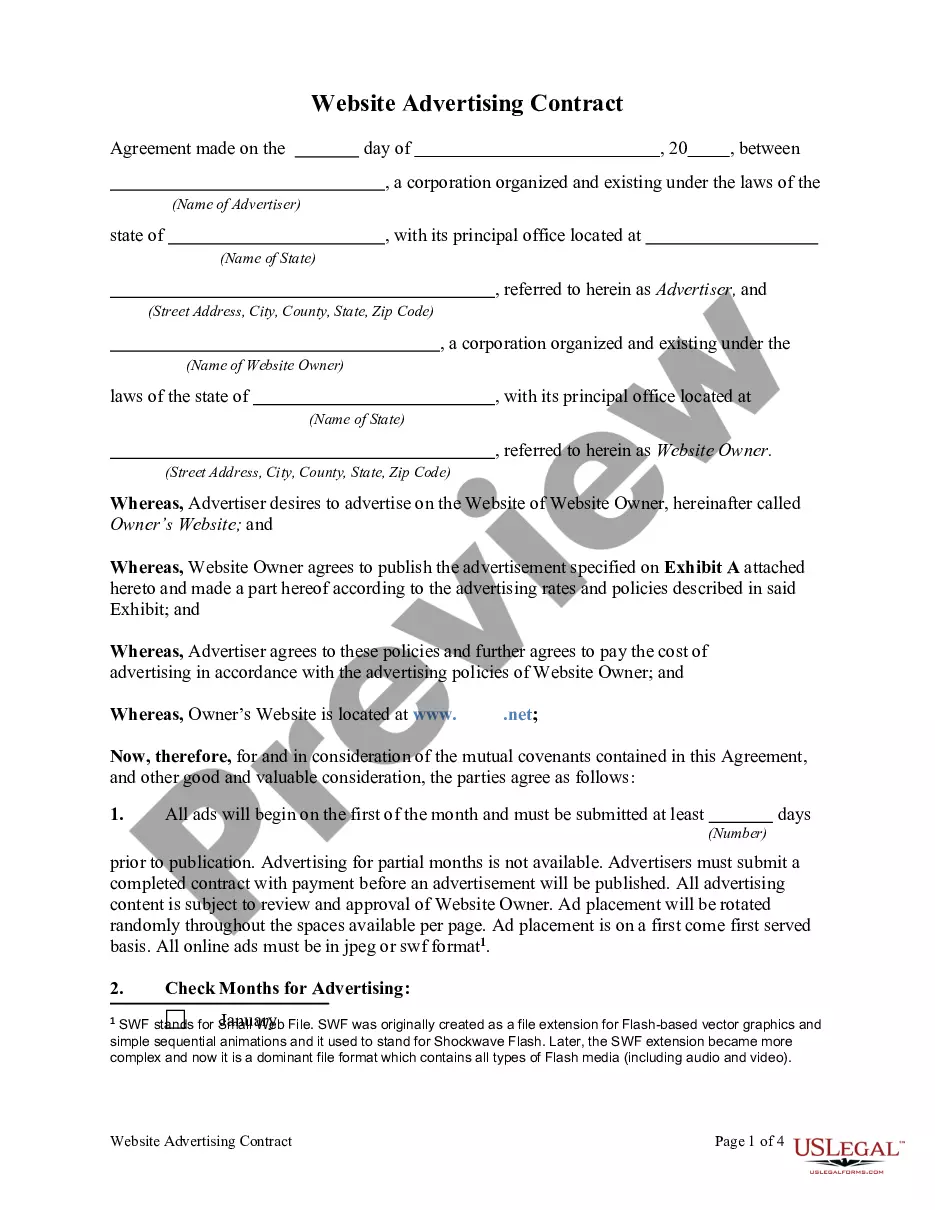
Get your form ready online
Our built-in tools help you complete, sign, share, and store your documents in one place.
Make edits, fill in missing information, and update formatting in US Legal Forms—just like you would in MS Word.
Download a copy, print it, send it by email, or mail it via USPS—whatever works best for your next step.
Sign and collect signatures with our SignNow integration. Send to multiple recipients, set reminders, and more. Go Premium to unlock E-Sign.
If this form requires notarization, complete it online through a secure video call—no need to meet a notary in person or wait for an appointment.
We protect your documents and personal data by following strict security and privacy standards.

Make edits, fill in missing information, and update formatting in US Legal Forms—just like you would in MS Word.

Download a copy, print it, send it by email, or mail it via USPS—whatever works best for your next step.

Sign and collect signatures with our SignNow integration. Send to multiple recipients, set reminders, and more. Go Premium to unlock E-Sign.

If this form requires notarization, complete it online through a secure video call—no need to meet a notary in person or wait for an appointment.

We protect your documents and personal data by following strict security and privacy standards.
Looking for another form?







Form popularity
FAQ
New York law protects consumers from false advertising. You have a right to receive truthful information about products and services. False advertising is any advertising that is misleading in any significant way. This includes any statements or pictures about the product.
New York does not recognize a separate common law right of publicity. The two sections, 50 and 51, describe similar rights but provide for different enforcement mechanisms. Section 50 makes a right of publicity violation a misdemeanor, while Section 51 provides a private cause of action.
§ 350-a. False advertising. 1. The term "false advertising" means advertising, including labeling, of a commodity, or of the kind, character, terms or conditions of any employment opportunity if such advertising is misleading in a material respect.
New York law protects consumers from false advertising. You have a right to receive truthful information about products and services. False advertising is any advertising that is misleading in any significant way. This includes any statements or pictures about the product.
Rule 7.1 governs attorney advertisements. Attorney advertising may not contain a statement or claim that is false, deceptive or misleading, or that otherwise violates any Rule.
