Credit Letter Example With Address In Utah
Description


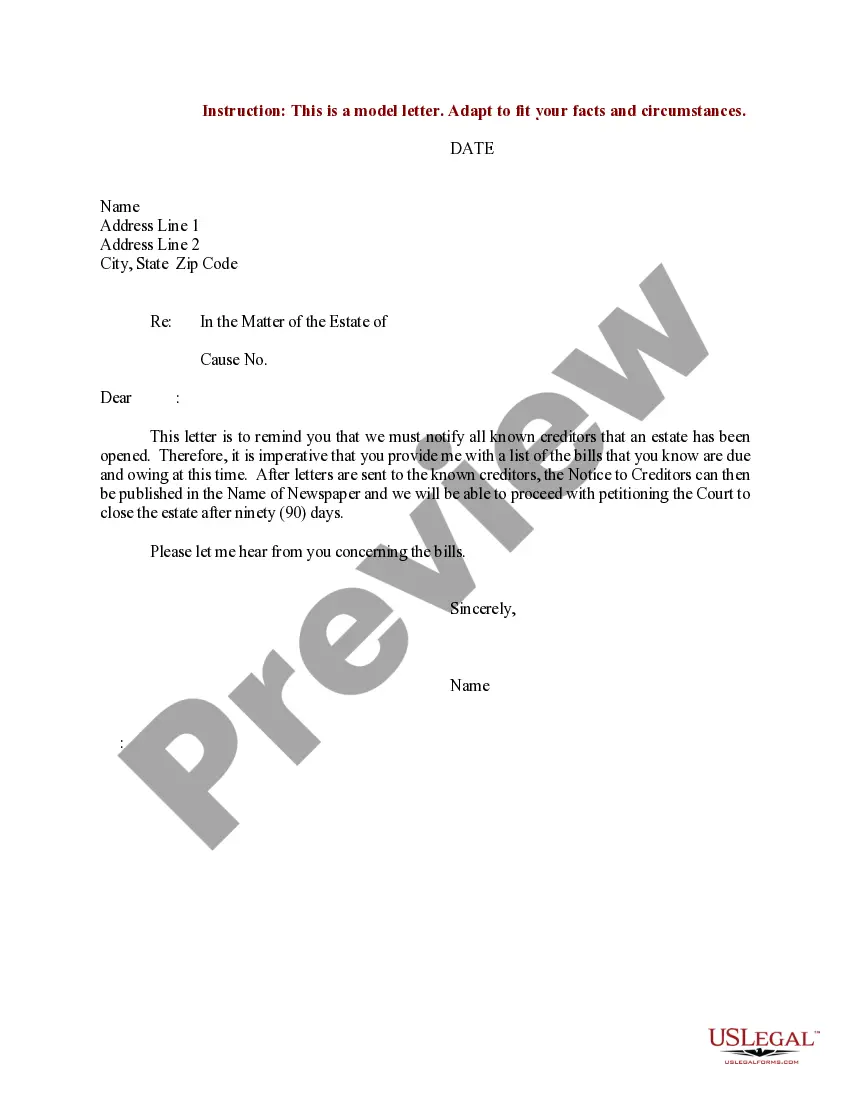
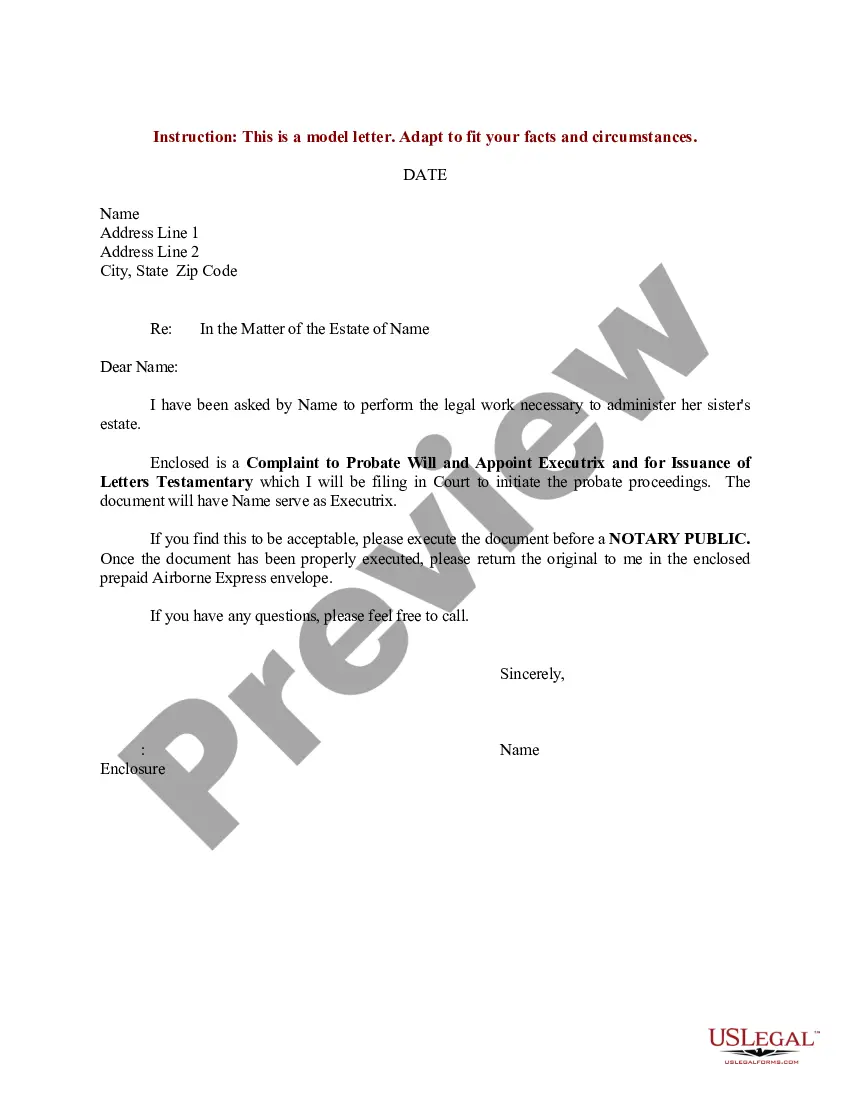
Get your form ready online
Our built-in tools help you complete, sign, share, and store your documents in one place.
Make edits, fill in missing information, and update formatting in US Legal Forms—just like you would in MS Word.
Download a copy, print it, send it by email, or mail it via USPS—whatever works best for your next step.
Sign and collect signatures with our SignNow integration. Send to multiple recipients, set reminders, and more. Go Premium to unlock E-Sign.
If this form requires notarization, complete it online through a secure video call—no need to meet a notary in person or wait for an appointment.
We protect your documents and personal data by following strict security and privacy standards.

Make edits, fill in missing information, and update formatting in US Legal Forms—just like you would in MS Word.

Download a copy, print it, send it by email, or mail it via USPS—whatever works best for your next step.

Sign and collect signatures with our SignNow integration. Send to multiple recipients, set reminders, and more. Go Premium to unlock E-Sign.

If this form requires notarization, complete it online through a secure video call—no need to meet a notary in person or wait for an appointment.

We protect your documents and personal data by following strict security and privacy standards.
Looking for another form?









Form popularity
FAQ
Starting a Debt Collection Case A debt collector starts a debt collection case by filing a complaint with the court. A copy of the complaint and a document called a summons must be served on the debtor by one of the methods described in Utah Rule of Civil Procedure 4.
Starting a Debt Collection Case A debt collector starts a debt collection case by filing a complaint with the court. A copy of the complaint and a document called a summons must be served on the debtor by one of the methods described in Utah Rule of Civil Procedure 4.
In Utah, for most debts, a creditor has six years to take legal action on that unpaid debt. After the statute of limitations expires, a creditor or debt collector can no longer sue you for the debt.
How to Write a Letter of Credit Prepare the letter of credit documents, including the credit application, bank instructions, and the credit agreement. Make sure all documents are signed, dated, and include all necessary information. Submit documents to the issuing bank. Confirm that the bank has accepted the documents.
Here are the mailing addresses for each credit bureau: Equifax. P.O. Box 7404256. Atlanta, GA 30374-0256. Experian. Dispute Department. P.O. Box 9701. Allen, TX 75013. TransUnion. Consumer Solutions. P.O. Box 2000. Chester, PA 19022-2000.
Select the address of the bureau you need to contact: Equifax: Equifax Information Services LLC, P.O. Box 740256, Atlanta, GA 30348. Experian: Experian, P.O. Box 4500, Allen, TX 75013. TransUnion: TransUnion LLC Consumer Dispute Center, P.O. Box 2000, PA 19016.
Send your letter by certified mail with “return receipt requested,” so you can document that the credit bureaus got it. Keep your original documents. Include copies of the documents that support your request and save copies for your files.
Your letter should clearly identify each item in your report you dispute, state the facts, explain why you dispute the information, and request that it be removed or corrected. You may want to enclose a copy of your credit report with the items in question circled.
Equifax: Equifax Information Services LLC, P.O. Box 740256, Atlanta, GA 30348. Experian: Experian, P.O. Box 4500, Allen, TX 75013. TransUnion: TransUnion LLC Consumer Dispute Center, P.O. Box 2000, PA 19016.
You can send disputes by mail to TransUnion Consumer Solutions, P.O. Box 2000, Chester, PA 19016-2000. TransUnion recommends including the following in your dispute letter: Your Social Security number and date of birth. Your current address.

