Credit Letter Example Without Notice Period In Michigan
Description


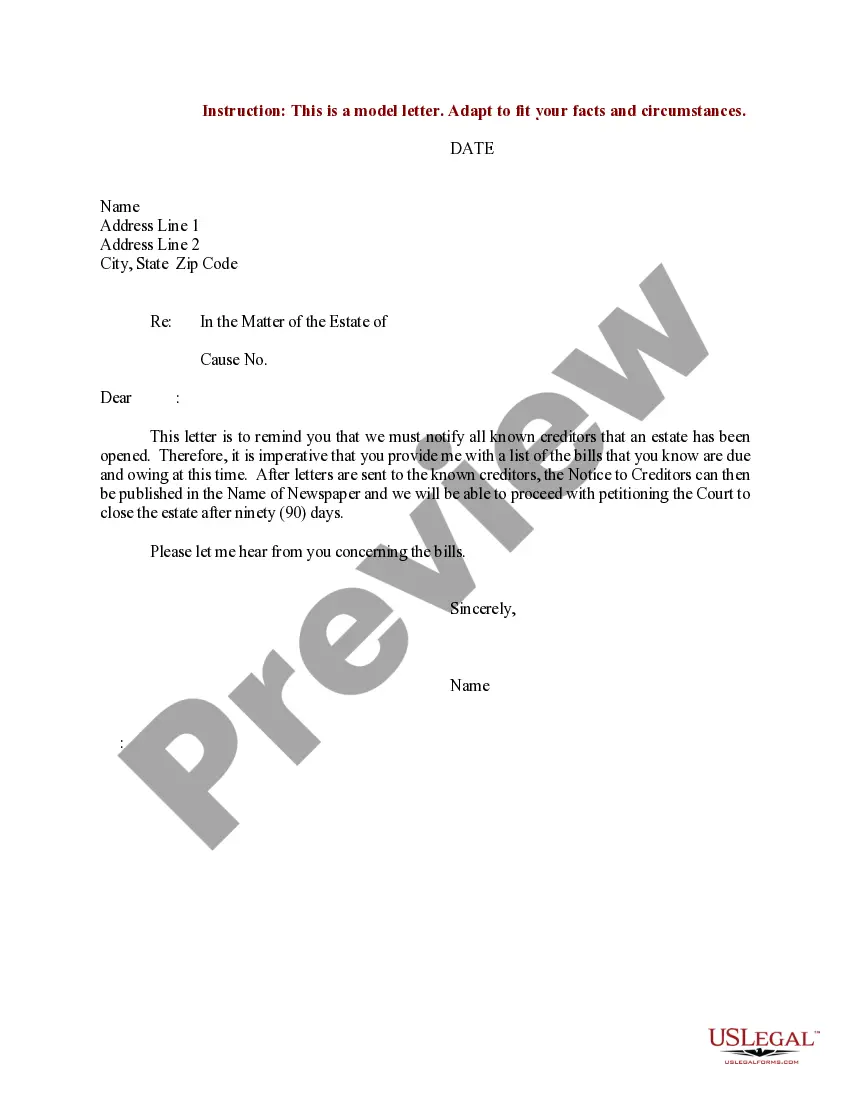
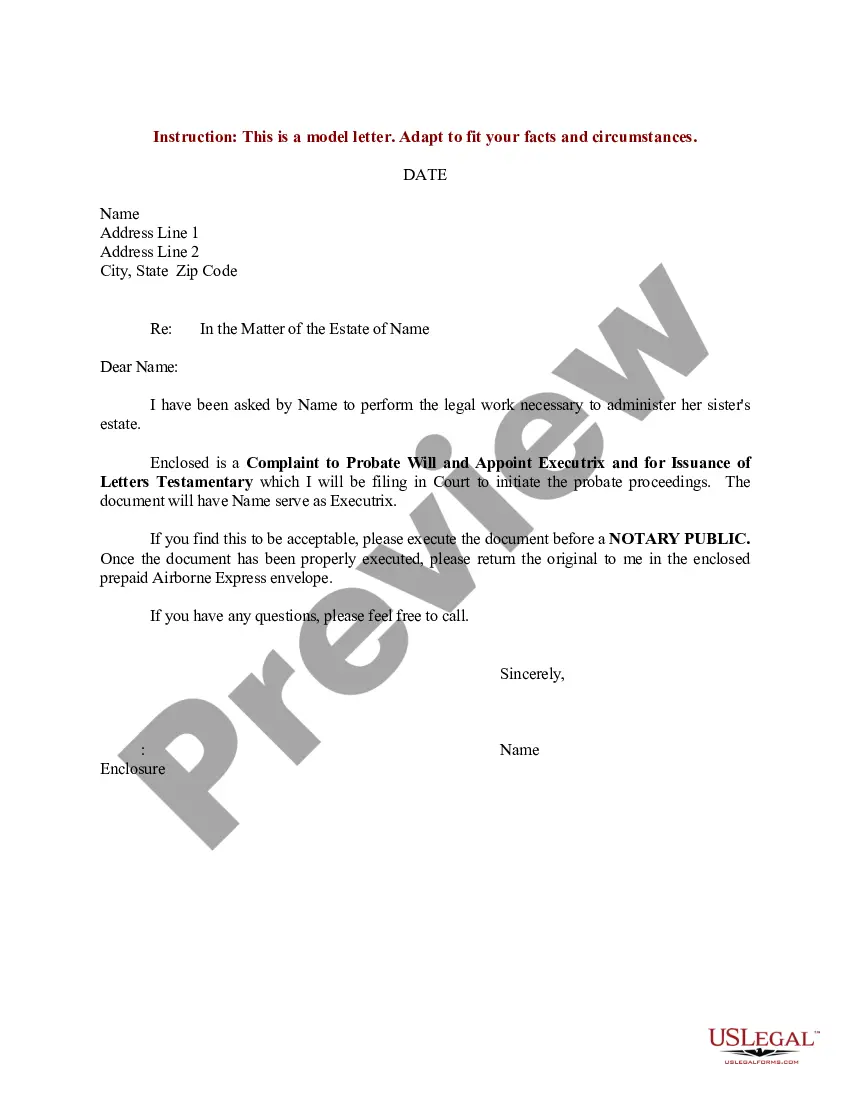
Get your form ready online
Our built-in tools help you complete, sign, share, and store your documents in one place.
Make edits, fill in missing information, and update formatting in US Legal Forms—just like you would in MS Word.
Download a copy, print it, send it by email, or mail it via USPS—whatever works best for your next step.
Sign and collect signatures with our SignNow integration. Send to multiple recipients, set reminders, and more. Go Premium to unlock E-Sign.
If this form requires notarization, complete it online through a secure video call—no need to meet a notary in person or wait for an appointment.
We protect your documents and personal data by following strict security and privacy standards.
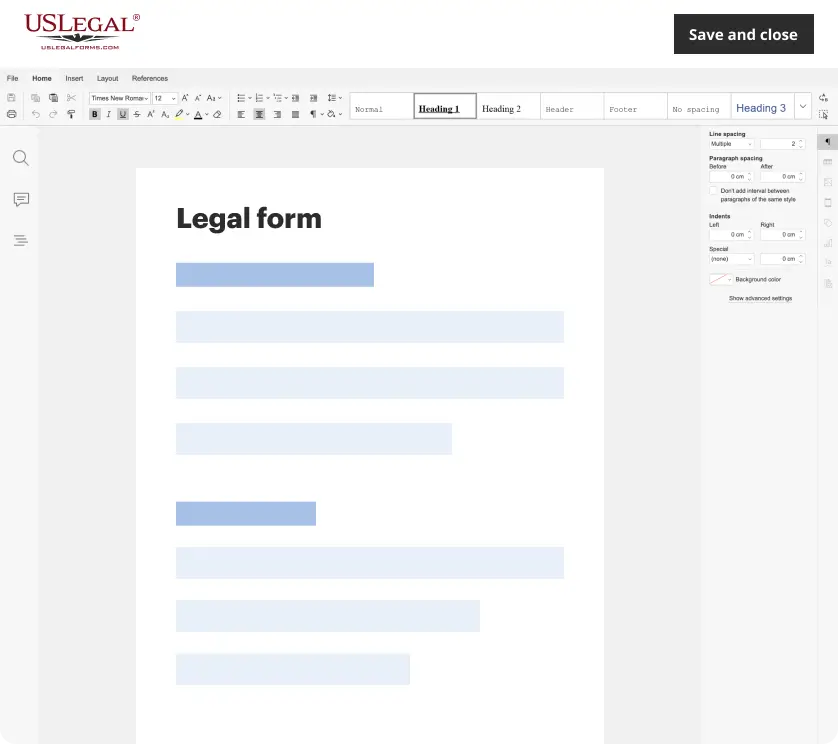
Make edits, fill in missing information, and update formatting in US Legal Forms—just like you would in MS Word.
Download a copy, print it, send it by email, or mail it via USPS—whatever works best for your next step.
Sign and collect signatures with our SignNow integration. Send to multiple recipients, set reminders, and more. Go Premium to unlock E-Sign.
If this form requires notarization, complete it online through a secure video call—no need to meet a notary in person or wait for an appointment.
We protect your documents and personal data by following strict security and privacy standards.
Looking for another form?




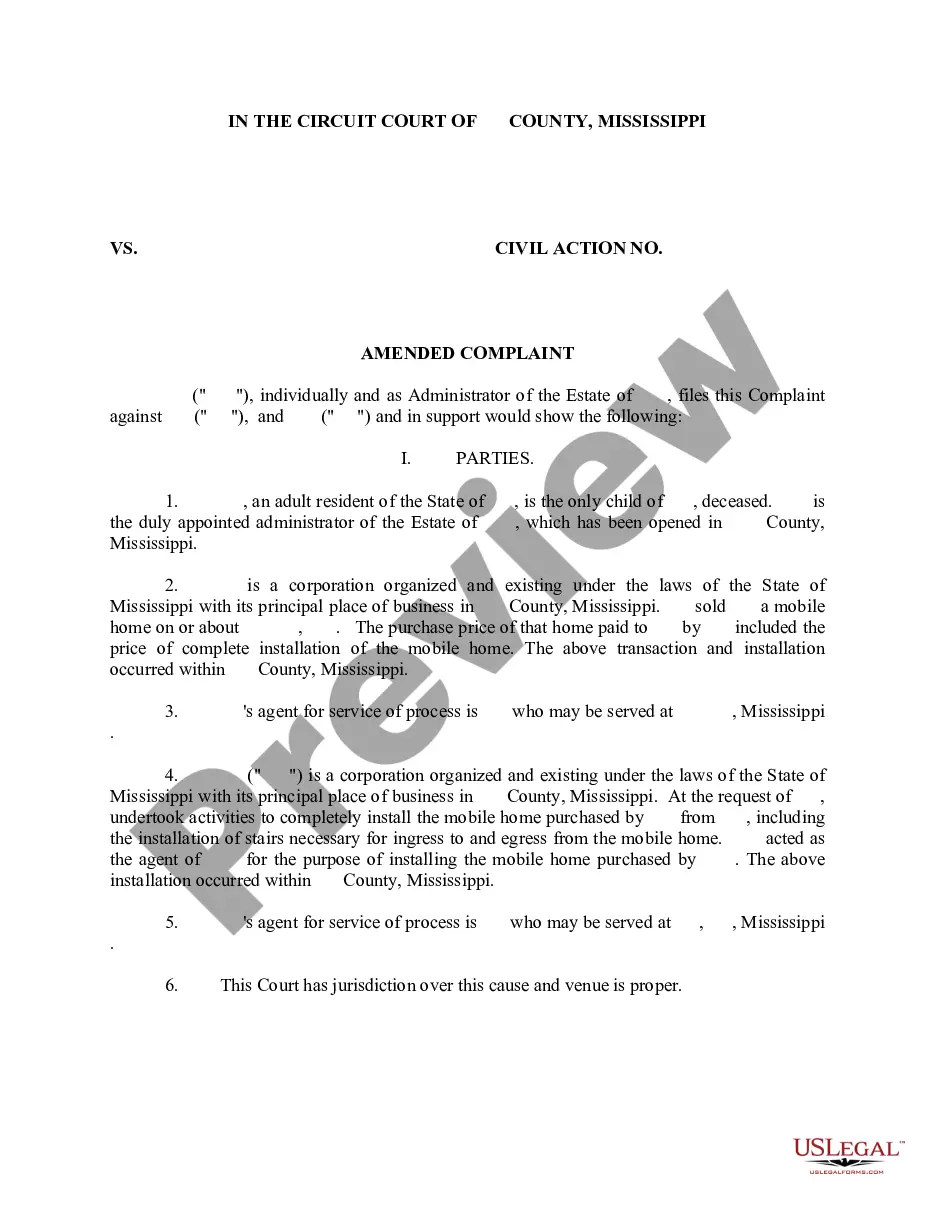



Form popularity
FAQ
This letter was sent because the Discovery and Tax Enforcement Division has selected your return for review and additional information is required to process your return. A list of the required information can be found in the body of the letter.
We will send a letter/notice if: You are due a larger or smaller refund. We have a question about your tax return.
The Michigan Department of Treasury withholds income tax refunds or credits for payment of certain debts, such as delinquent taxes, state agency debts, garnishments, probate or child support orders, overpayment of unemployment benefits and IRS levies on individual income tax refunds.
The Michigan Earned Income Tax Credit (EITC) was expanded from 6% to 24% effective tax year 2022. When this law took effect, 2022 tax returns were already filed. Therefore, in February 2024, Treasury mailed supplemental check payments to qualified filers who claimed the credit on their 2022 return.
The Michigan Earned Income Tax Credit (EITC) was expanded from 6% to 24% effective tax year 2022. When this law took effect, 2022 tax returns were already filed. Therefore, in February 2024, Treasury mailed supplemental check payments to qualified filers who claimed the credit on their 2022 return.
The Michigan Department of Treasury is responsible for collecting, disbursing, and investing all state monies. The Department advises the Governor on all tax and revenue policy, collects and administers over $20 billion a year in state taxes, and safeguards the credit of the state.
An irrevocable letter of credit cannot be canceled, nor in any way modified, except with the explicit agreement of all parties involved: the buyer, the seller, and the issuing bank. For example, the issuing bank does not have the authority by itself to change any of the terms of an ILOC once it is issued.
Common reasons a letter/notice may be sent include (but, not limited to): We adjusted your return. We need additional information. We received information from the Internal Revenue Service (IRS)
If you receive an IRS notice or letter We may send you a notice or letter if: You have a balance due. Your refund has changed. We have a question about your return.

