Sample Letter Credit Template With Lines In Harris
Description


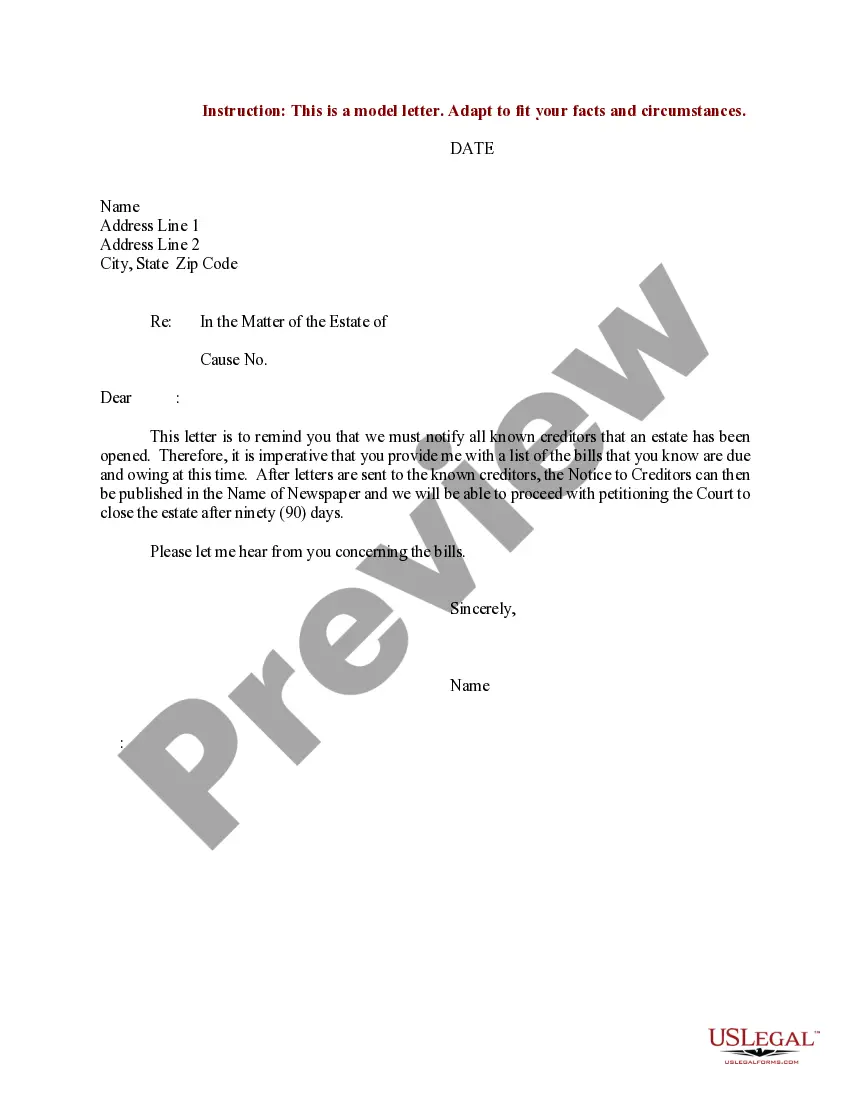
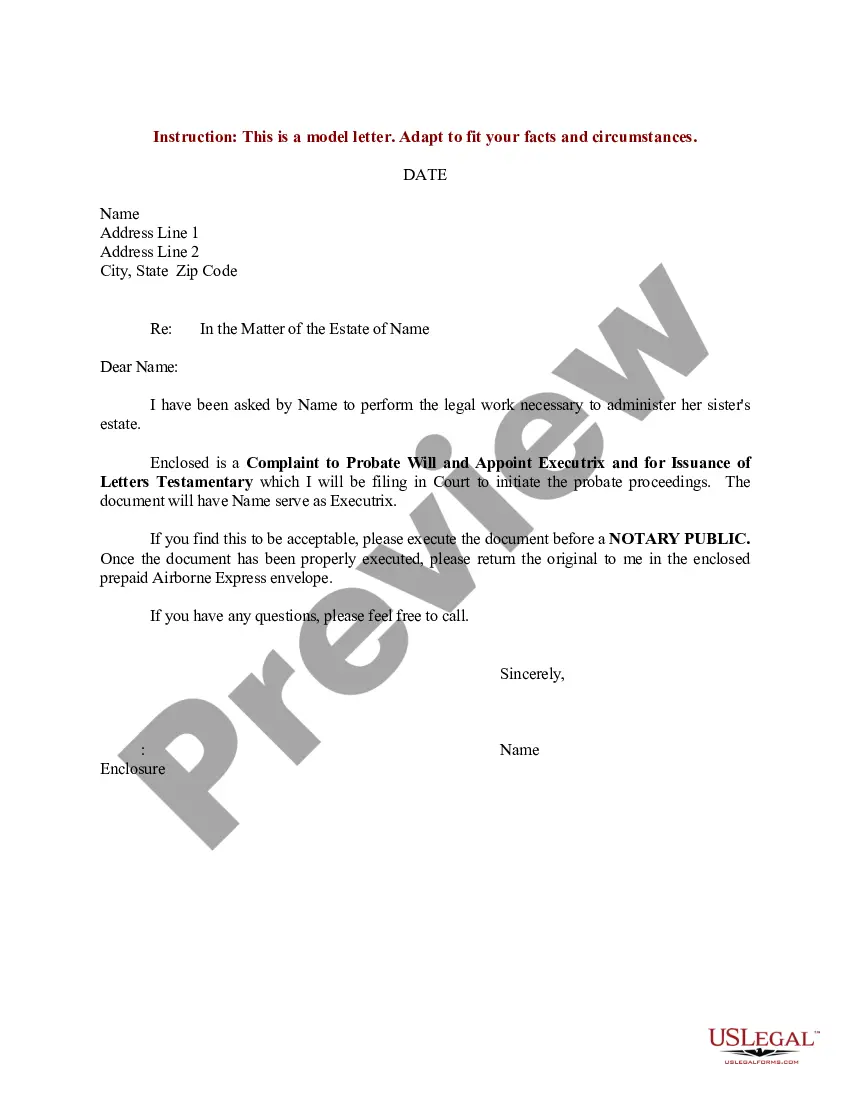
Get your form ready online
Our built-in tools help you complete, sign, share, and store your documents in one place.
Make edits, fill in missing information, and update formatting in US Legal Forms—just like you would in MS Word.
Download a copy, print it, send it by email, or mail it via USPS—whatever works best for your next step.
Sign and collect signatures with our SignNow integration. Send to multiple recipients, set reminders, and more. Go Premium to unlock E-Sign.
If this form requires notarization, complete it online through a secure video call—no need to meet a notary in person or wait for an appointment.
We protect your documents and personal data by following strict security and privacy standards.

Make edits, fill in missing information, and update formatting in US Legal Forms—just like you would in MS Word.

Download a copy, print it, send it by email, or mail it via USPS—whatever works best for your next step.

Sign and collect signatures with our SignNow integration. Send to multiple recipients, set reminders, and more. Go Premium to unlock E-Sign.

If this form requires notarization, complete it online through a secure video call—no need to meet a notary in person or wait for an appointment.

We protect your documents and personal data by following strict security and privacy standards.
Looking for another form?
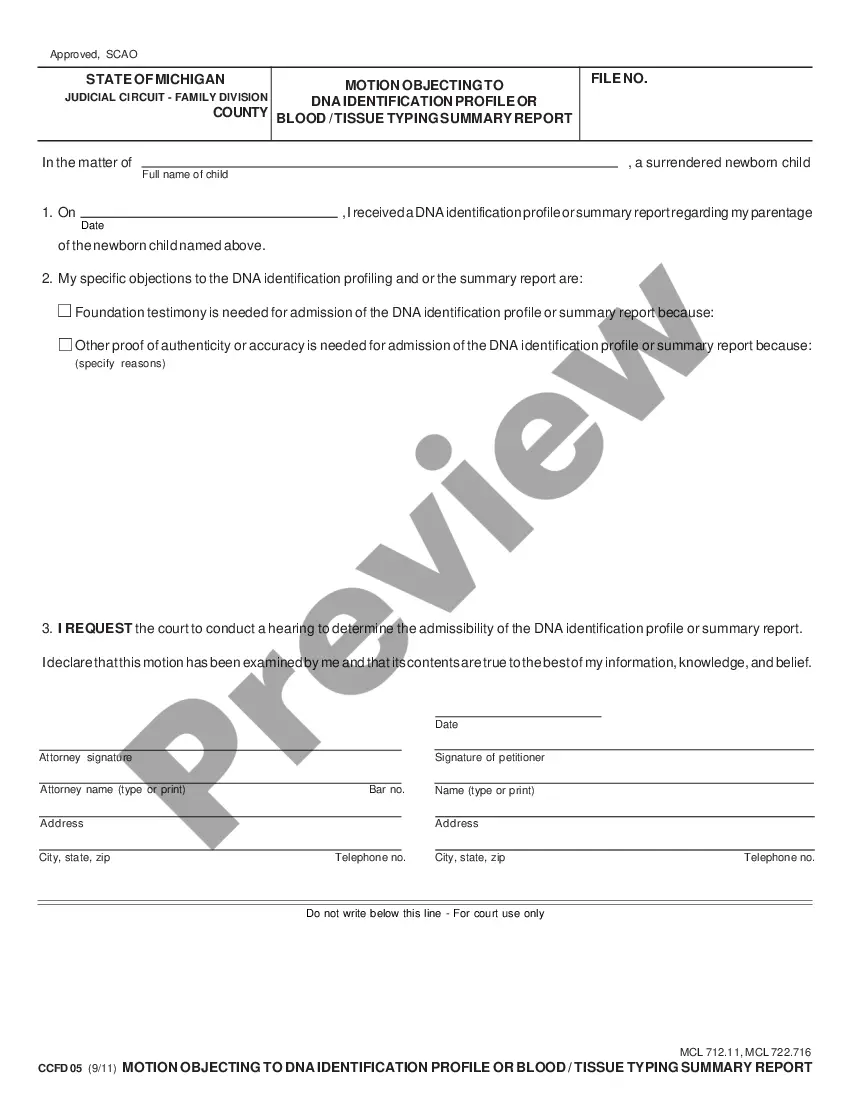

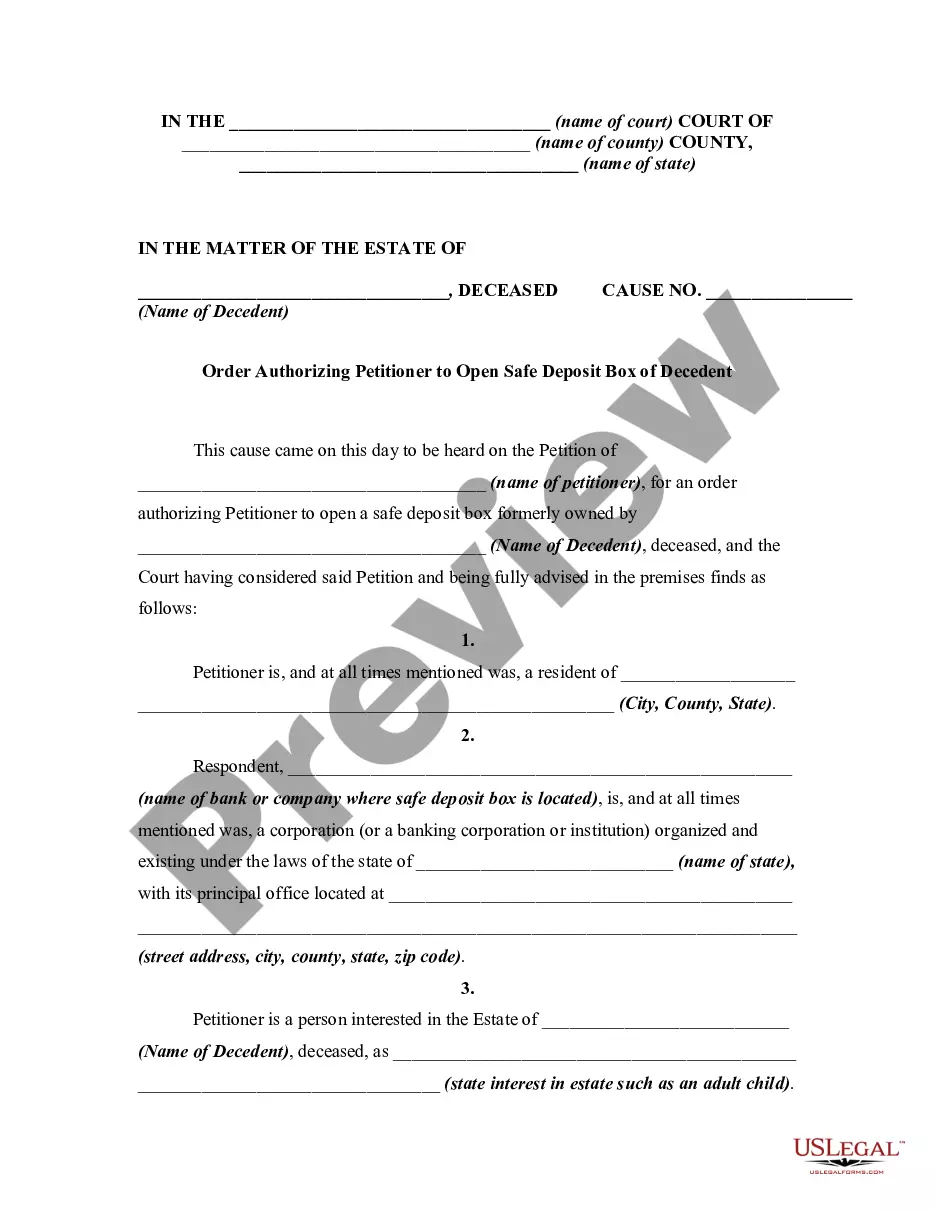





Form popularity
FAQ
A letter explaining bad credit should be honest and transparent. Acknowledge your financial situation, and explain any extenuating circumstances that may have contributed to it. Honesty is critical since any lies or omissions will inevitably come to light and could jeopardize your job prospects.
Your letter should identify each item you dispute, state the facts, explain why you dispute the information, and ask that the business that supplied the information take action to have it removed or corrected. You may want to enclose a copy of your report with the item(s) in question circled.
How does a Letter of Credit work? The Letter of Credit (LC) process starts with the buyer and seller in a trade agreeing upon the initial contract. The buyer then request their bank to issue an LC. The buyer's bank issues the LC to the seller's bank.
A 609 dispute letter is a formal request sent to credit bureaus to verify the accuracy of the information on your credit report. The name “609” comes from Section 609 of the Fair Credit Reporting Act (FCRA), which grants you the right to request this information.
Gather the Necessary Information Identify the issuing bank and the beneficiary. Ensure that the terms of the letter of credit are within the issuing bank's credit limits. Confirm the credit amount, currency, and expiration date. Identify the goods or services to be provided.
How to write a formal letter in block style Step 1: Write the contact information and date. Step 2: Write the salutation. Step 3: Write the body of the letter. Step 4: Write the complimentary close. Step 5: Mention enclosed materials. Step 1: Put the date at the top (optional) Step 2: Write the salutation.
A Letter of Credit (LC) is a financial instrument used in international trade to provide payment security. It guarantees that the seller will receive payment from the buyer, as long as the seller fulfils the agreed-upon terms and conditions.
After writing a general dispute letter or a 609 credit disputing letter, followed by a 611 credit disputing letter, consumers can send a 623 credit disputing letter. With a 623 credit disputing letter, consumers request the credit agency to provide evidence to validate that the debt is theirs.

