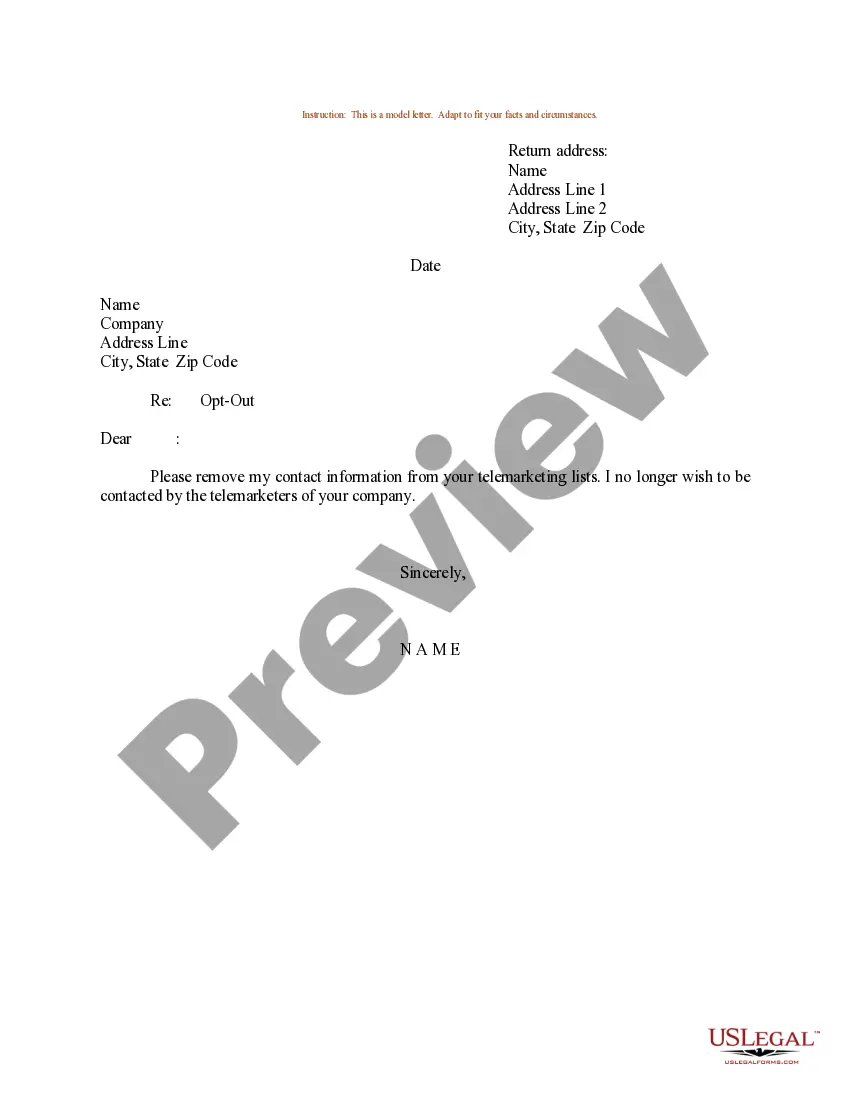
Sample Opt Out Letter For State Testing In Santa Clara
Description
Get your form ready online
Our built-in tools help you complete, sign, share, and store your documents in one place.
Make edits, fill in missing information, and update formatting in US Legal Forms—just like you would in MS Word.
Download a copy, print it, send it by email, or mail it via USPS—whatever works best for your next step.
Sign and collect signatures with our SignNow integration. Send to multiple recipients, set reminders, and more. Go Premium to unlock E-Sign.
If this form requires notarization, complete it online through a secure video call—no need to meet a notary in person or wait for an appointment.
We protect your documents and personal data by following strict security and privacy standards.

Make edits, fill in missing information, and update formatting in US Legal Forms—just like you would in MS Word.

Download a copy, print it, send it by email, or mail it via USPS—whatever works best for your next step.

Sign and collect signatures with our SignNow integration. Send to multiple recipients, set reminders, and more. Go Premium to unlock E-Sign.

If this form requires notarization, complete it online through a secure video call—no need to meet a notary in person or wait for an appointment.

We protect your documents and personal data by following strict security and privacy standards.
Looking for another form?







Form popularity
FAQ
School districts should appropriately document that the parent made a voluntary, informed decision to opt their child out. A school district must still take steps to provide opted-out EL students with access to its educational programs, monitor their progress, and offer EL services again if a student is struggling.
It is reasonable to ask to be notified and to have the option to opt your child out of any surveys, lessons, readings, classroom presentations, or pedagogical practices that you feel violate your child's human dignity or your parental rights. Requests should be made in writing.
It could be as basic as: “I want to let you know we do not want our child, name, to take part in the name the standardized exam this year. Please arrange for him or her to have a productive educational experience during the testing period.”Some states or districts have specific forms.
The Case for Opting Out If testing causes your child undue stress, or your child has an issue such as dyslexia that makes a timed test a living nightmare, then putting your child through testing feels like cold, hard punishment that they don't deserve. My feeling? Opt them out.
Opting out is exercising your parental right to have your child not participate in certain types of instruction. Opting out is a formal process that typically requires written notification or completion of an opt-out form distributed by your school.
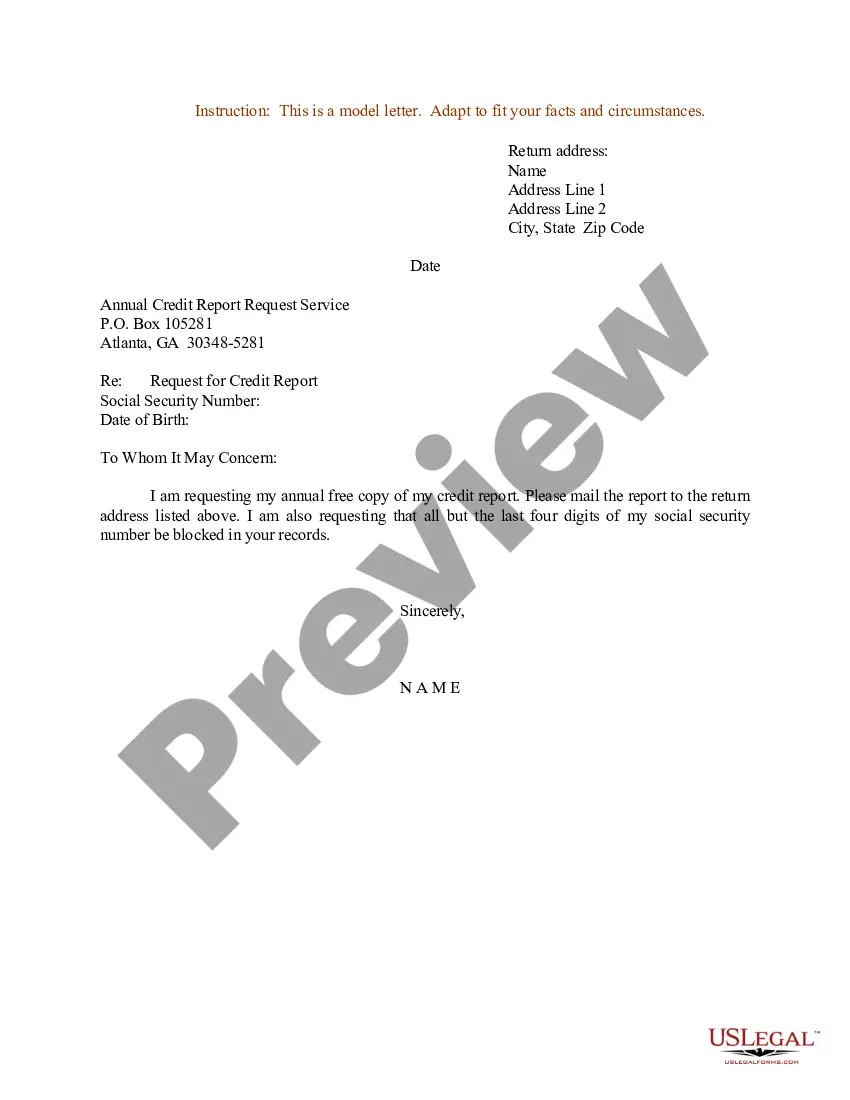
Yes. California Education Code section 60615 allows a parent or guardian to submit a written request to school officials to exclude his or her child from any or all parts of state-mandated assessments.
To protect your child: For many students, the Big Test can be very stressful. To improve education for all students: Opting out is an effective way to protest the overuse and misuse of standardized tests, which forces schools to focus on the demands of the tests instead of the needs of students.
Common Reasons for Opt-Outs Subscriber opt-outs are caused by a few factors, including receiving content too frequently, irrelevant content, poor timing, lack of personalization, technical issues, and spammy or overly promotional content.
But state law does not say every student must take those tests and it does not provide for any penalties to students who refuse, or their parents. Former Commissioner Mitchell Chester said publicly, “I haven't used the word 'illegal' about students opting out.” What will my child do while the tests are administered?