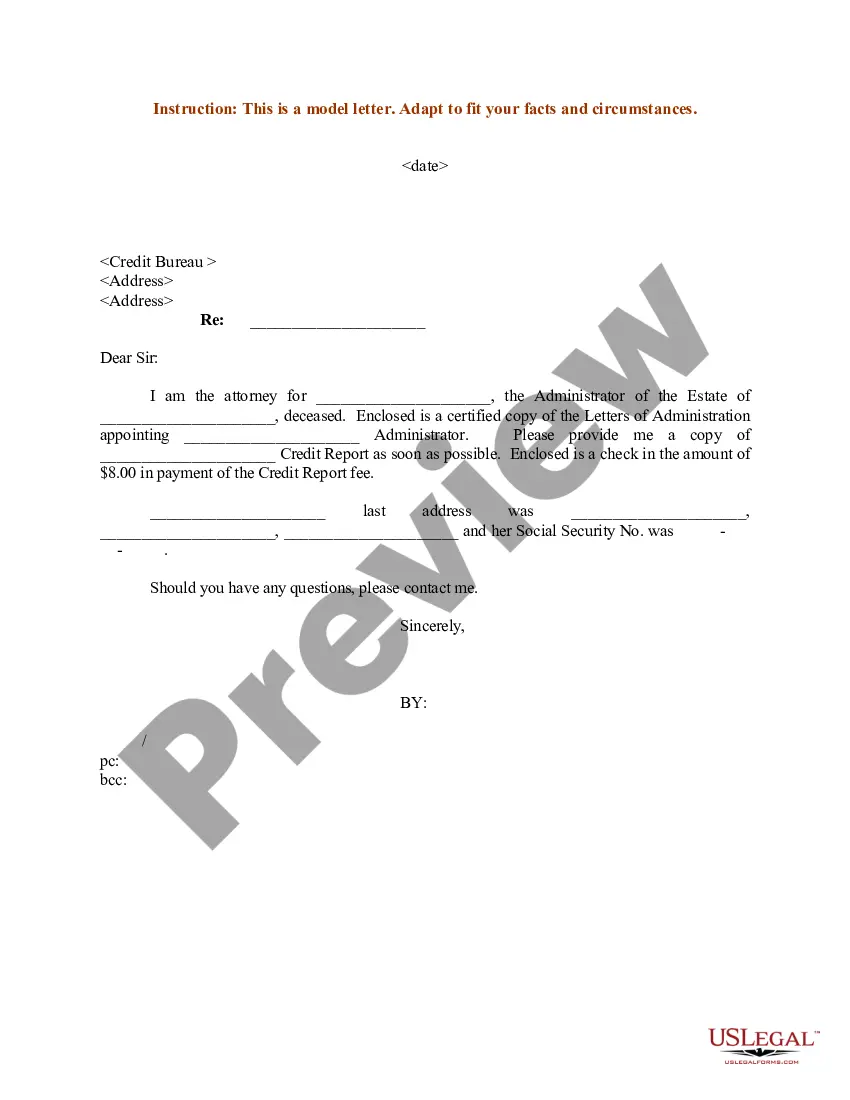
Letter Credit Attorney Without In Wake
Description


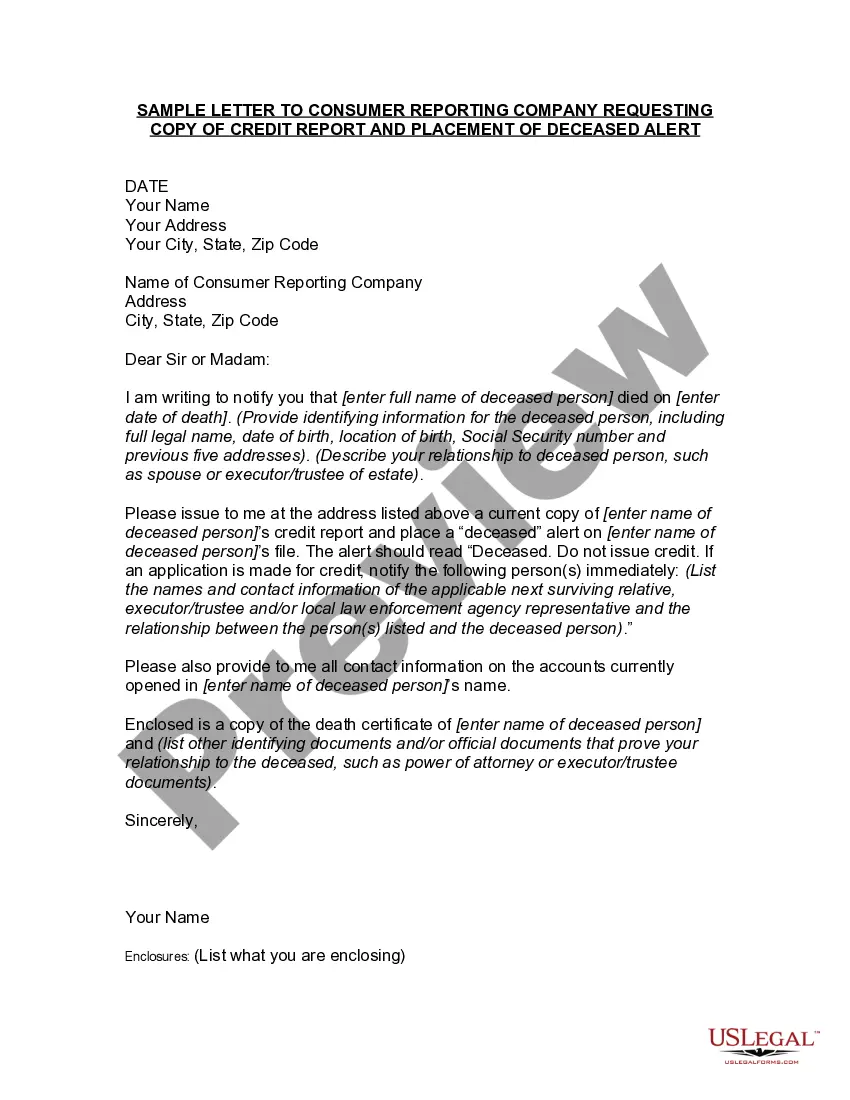
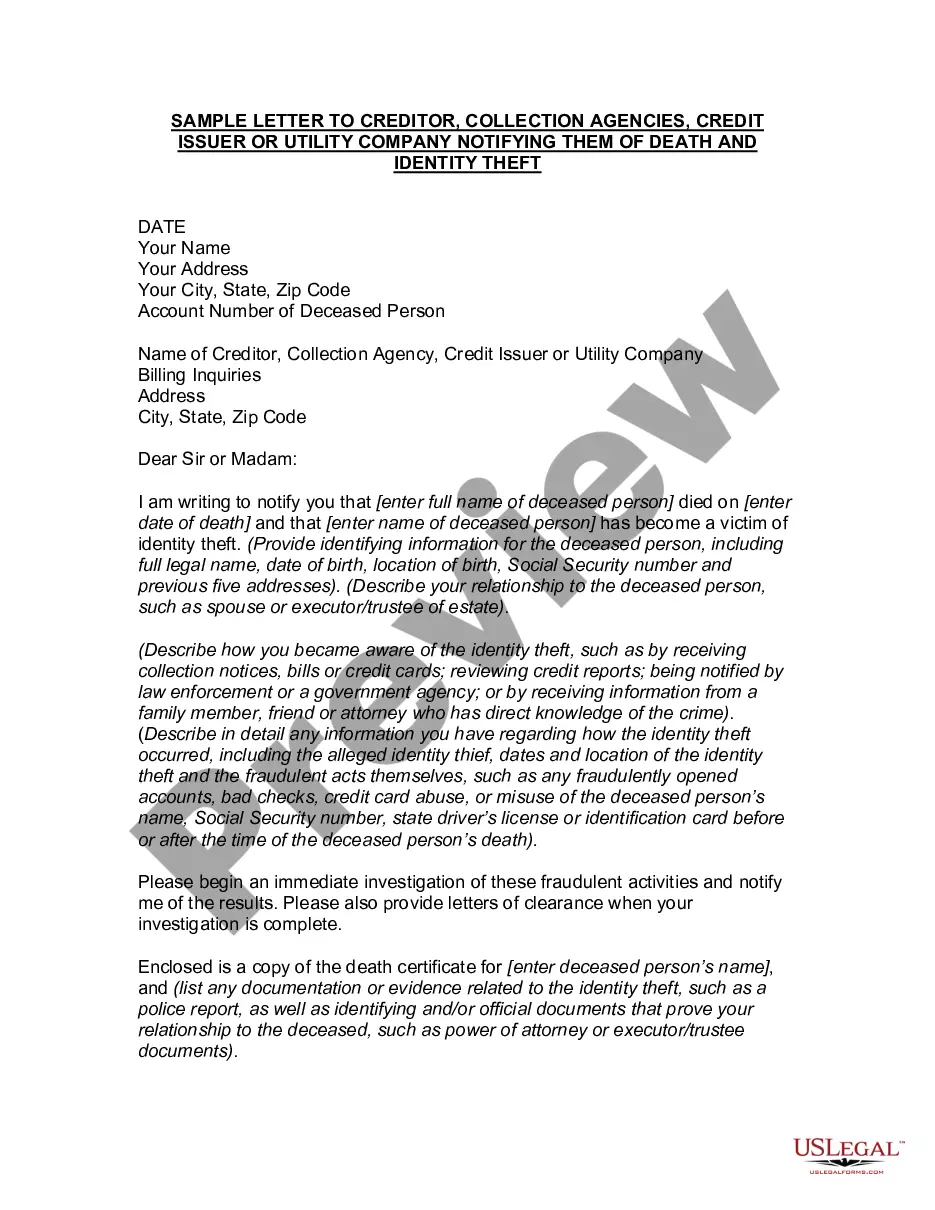
Get your form ready online
Our built-in tools help you complete, sign, share, and store your documents in one place.
Make edits, fill in missing information, and update formatting in US Legal Forms—just like you would in MS Word.
Download a copy, print it, send it by email, or mail it via USPS—whatever works best for your next step.
Sign and collect signatures with our SignNow integration. Send to multiple recipients, set reminders, and more. Go Premium to unlock E-Sign.
If this form requires notarization, complete it online through a secure video call—no need to meet a notary in person or wait for an appointment.
We protect your documents and personal data by following strict security and privacy standards.

Make edits, fill in missing information, and update formatting in US Legal Forms—just like you would in MS Word.

Download a copy, print it, send it by email, or mail it via USPS—whatever works best for your next step.

Sign and collect signatures with our SignNow integration. Send to multiple recipients, set reminders, and more. Go Premium to unlock E-Sign.

If this form requires notarization, complete it online through a secure video call—no need to meet a notary in person or wait for an appointment.

We protect your documents and personal data by following strict security and privacy standards.
Looking for another form?








Form popularity
FAQ
A skilled credit report dispute attorney has the legal background and experience to understand and navigate a variety of credit dispute challenges. They understand the details of the Fair Credit Reporting Act, including your rights under the law.
Your non-response to the demand letter from an attorney may be considered evidence of intentional wrongdoing or willful violation of the other party's rights. Moreover, penalty provisions and attorney's fees may substantially increase the amount you owe.
New York CLE Requirements At a Glance Total Credits: 24 credit hours every two years: At least 4 in Ethics. At least 1 credit of Diversity, Inclusion and Elimination of Bias. At least 1 credit of Cybersecurity, Privacy and Data Protection.
Many state laws require banks and credit unions to accept POAs except under certain circumstances: for example, if the bank or credit union believes the POA is forged, knows that the POA was revoked, or believes that the person who created the POA is being abused or exploited by the agent.
Not hearing from your lawyer can be worrisome, especially if you've made an effort to contact them. ing to the American Bar Association, a lawyer is required to keep a client informed in a prompt manner and adhere to reasonable requests.
Yes it is. If they believe you are up to date and there is nothing new to tell you about, it's fairly common to not hear from them for a period of time. It may be necessary to make a phone call requesting an update, and there's nothing wrong with that.
A demand letter is an attempt to reach a settlement out-of-court prior to the filing of a lawsuit, and there are no legal penalties for ignoring it, however, ignoring it could be legally considered an admission of guilt and may result in a summary judgement against you if the other party does file a lawsuit.
Yes it is. If they believe you are up to date and there is nothing new to tell you about, it's fairly common to not hear from them for a period of time. It may be necessary to make a phone call requesting an update, and there's nothing wrong with that.
We could go on and on with many examples of when your lawyer should get in touch. The basic answer is that we feel it's at least every three months and as often as daily while important things are happening on your case. You also have a responsibility to communicate with your lawyer.
The main reason your attorney won't talk with you -- is she or he is busy. If your attorney is a trial lawyer, they are not sitting in their office a lot. They are attending status conferences, taking depositions, meeting with prospects and clients. These people are super swamped.