Letter Credit Attorney Withdrawal In Travis
Description


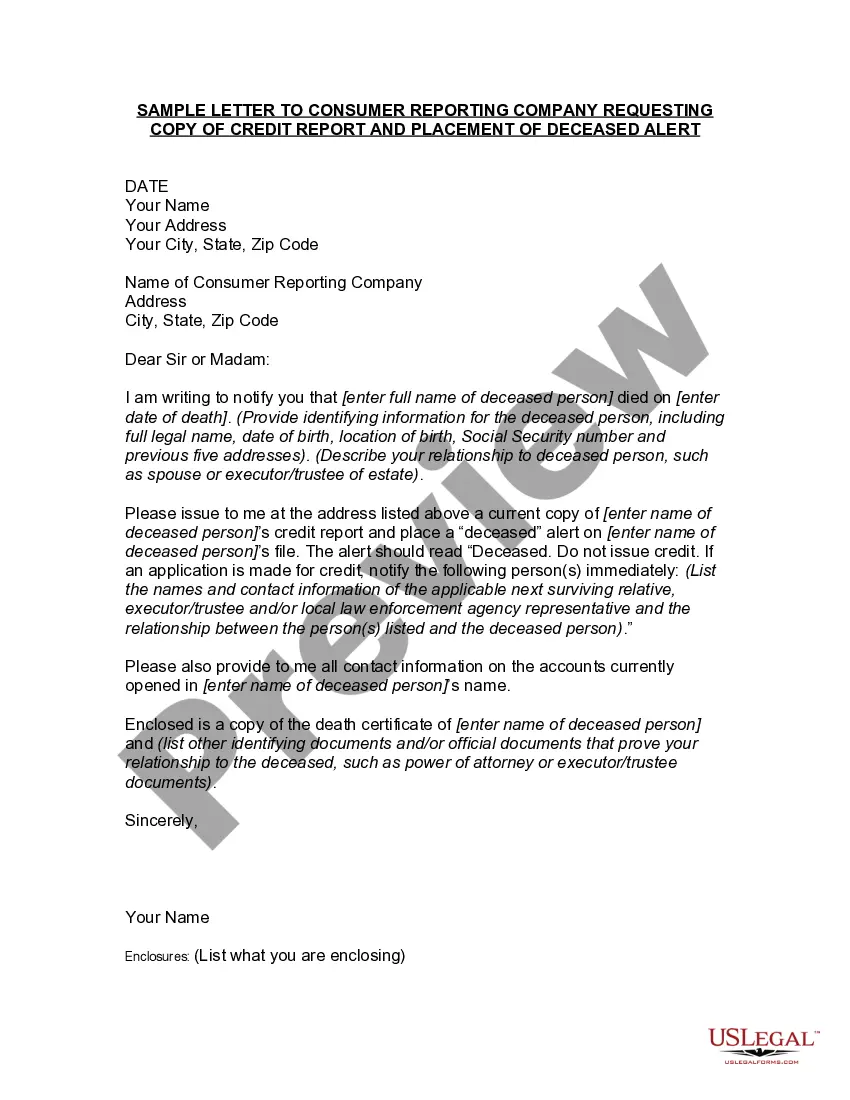
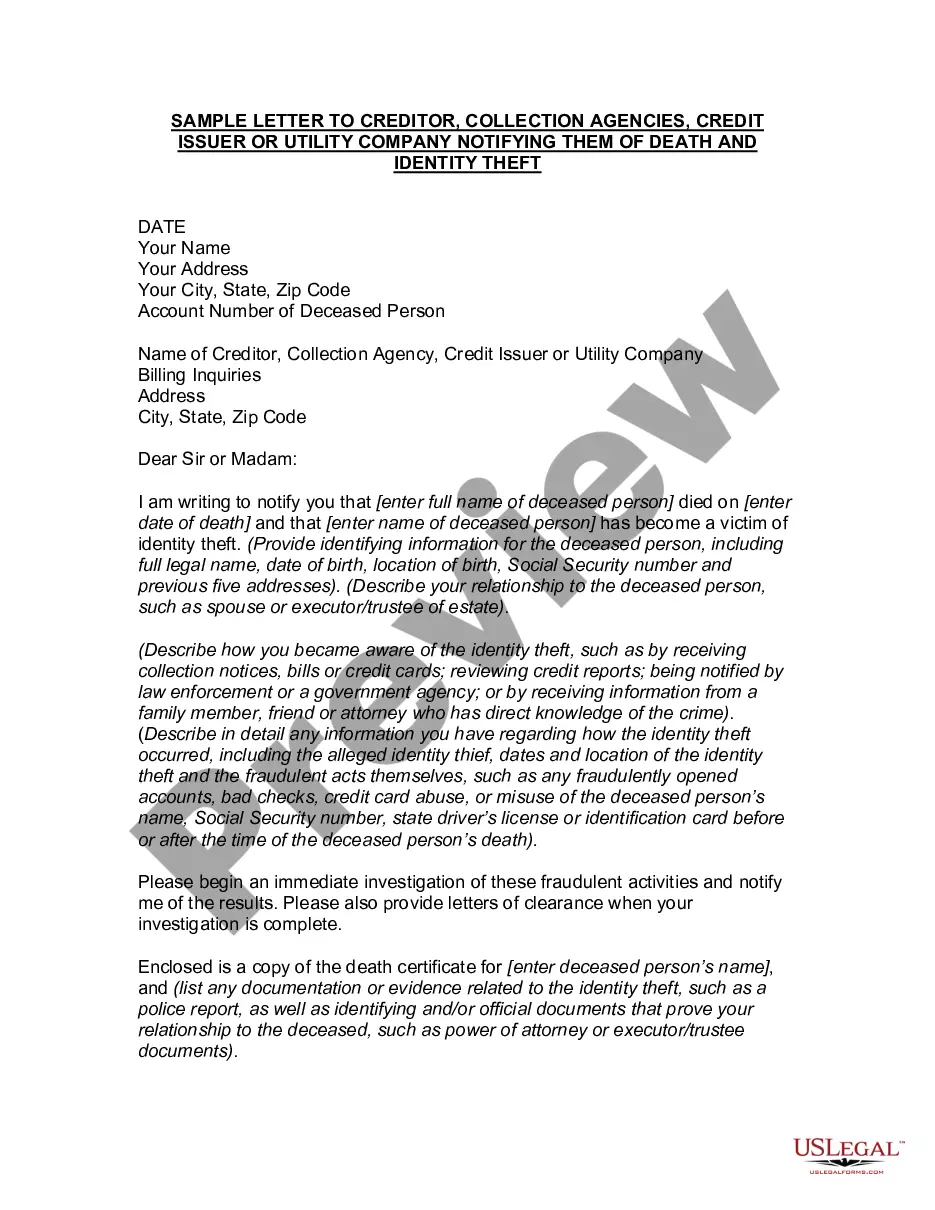
Get your form ready online
Our built-in tools help you complete, sign, share, and store your documents in one place.
Make edits, fill in missing information, and update formatting in US Legal Forms—just like you would in MS Word.
Download a copy, print it, send it by email, or mail it via USPS—whatever works best for your next step.
Sign and collect signatures with our SignNow integration. Send to multiple recipients, set reminders, and more. Go Premium to unlock E-Sign.
If this form requires notarization, complete it online through a secure video call—no need to meet a notary in person or wait for an appointment.
We protect your documents and personal data by following strict security and privacy standards.

Make edits, fill in missing information, and update formatting in US Legal Forms—just like you would in MS Word.

Download a copy, print it, send it by email, or mail it via USPS—whatever works best for your next step.

Sign and collect signatures with our SignNow integration. Send to multiple recipients, set reminders, and more. Go Premium to unlock E-Sign.

If this form requires notarization, complete it online through a secure video call—no need to meet a notary in person or wait for an appointment.

We protect your documents and personal data by following strict security and privacy standards.
Looking for another form?










Form popularity
FAQ
A form disengagement letter (also known as a withdrawal letter or a termination of engagement letter) sent by an attorney or law firm to a client when withdrawing from representation in a litigation matter. This Standard Document has integrated notes with important explanations and drafting tips.
A motion is an application to the court made by the prosecutor or defense attorney, requesting that the court make a decision on a certain issue before the trial begins. The motion can affect the trial, courtroom, defendants, evidence, or testimony. Only judges decide the outcome of motions.
Withdrawal of counsel refers to an attorney's decision to stop representing a client in a legal case. This can happen for various reasons, such as a conflict between the attorney and client over strategy or fees. In most cases, the attorney needs permission from the court to withdraw from the case.
Commonly, attorneys request the Court to allow his or her withdrawal from representation on the basis that the client has failed to abide by the obligations contained in the employment contract.
If the withdrawing attorney does not have co-counsel or replacement counsel, he or she must seek the court's approval to withdraw. The rule requires that a motion to withdraw be filed and served on the client and other parties of record.
Request made to a court asking for permission to retract or "withdraw" a step that a party or lawyer has taken in an existing lawsuit, such as resigning as attorney of record or removing a lawsuit from the court's docket.
All it means is that the specific attorney is withdrawing his/her appearance.

