Letter Credit Attorney With Candidate In Travis
Description


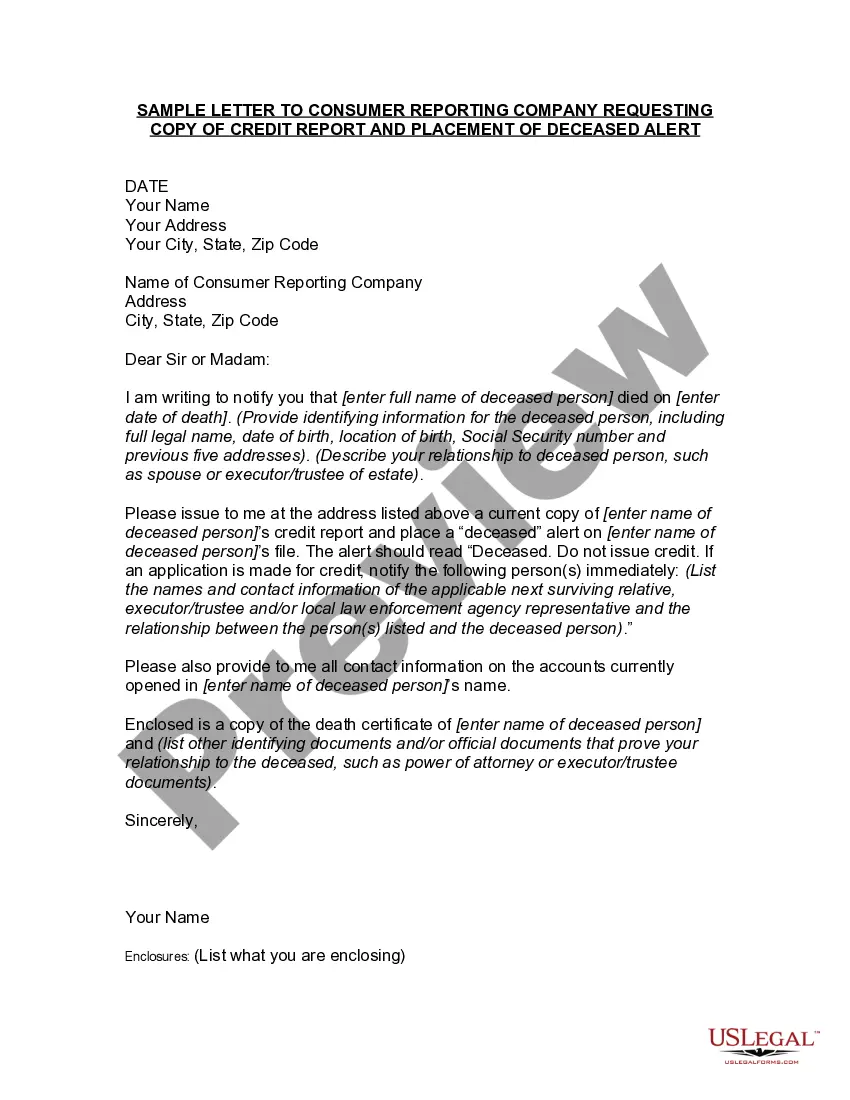
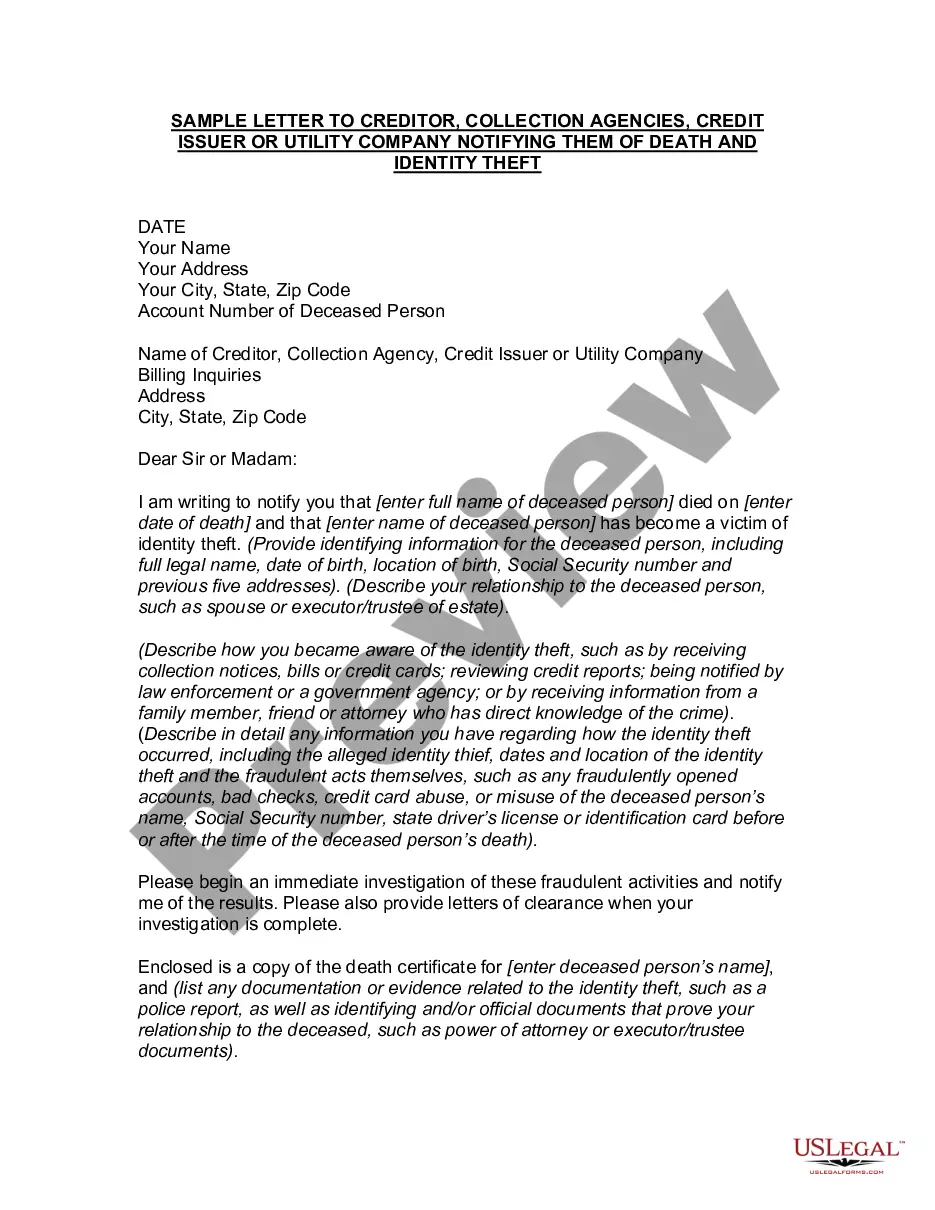
Get your form ready online
Our built-in tools help you complete, sign, share, and store your documents in one place.
Make edits, fill in missing information, and update formatting in US Legal Forms—just like you would in MS Word.
Download a copy, print it, send it by email, or mail it via USPS—whatever works best for your next step.
Sign and collect signatures with our SignNow integration. Send to multiple recipients, set reminders, and more. Go Premium to unlock E-Sign.
If this form requires notarization, complete it online through a secure video call—no need to meet a notary in person or wait for an appointment.
We protect your documents and personal data by following strict security and privacy standards.

Make edits, fill in missing information, and update formatting in US Legal Forms—just like you would in MS Word.

Download a copy, print it, send it by email, or mail it via USPS—whatever works best for your next step.

Sign and collect signatures with our SignNow integration. Send to multiple recipients, set reminders, and more. Go Premium to unlock E-Sign.

If this form requires notarization, complete it online through a secure video call—no need to meet a notary in person or wait for an appointment.

We protect your documents and personal data by following strict security and privacy standards.
Looking for another form?









Form popularity
FAQ
In New York, the Appellate Division of the State Supreme Court will review your character and fitness and determine whether the Department will admit you to the bar as an attorney. New York uses one application for Admission to the Bar which is available on the Admission to the Bar site of each Appellate Division.
The traditional route is to get an undergraduate degree, take the Law School Admission Test, obtain a Juris Doctor (JD) or Doctor of Jurisprudence degree from an American Bar Association approved law school, and pass the New York State Bar Exam.

