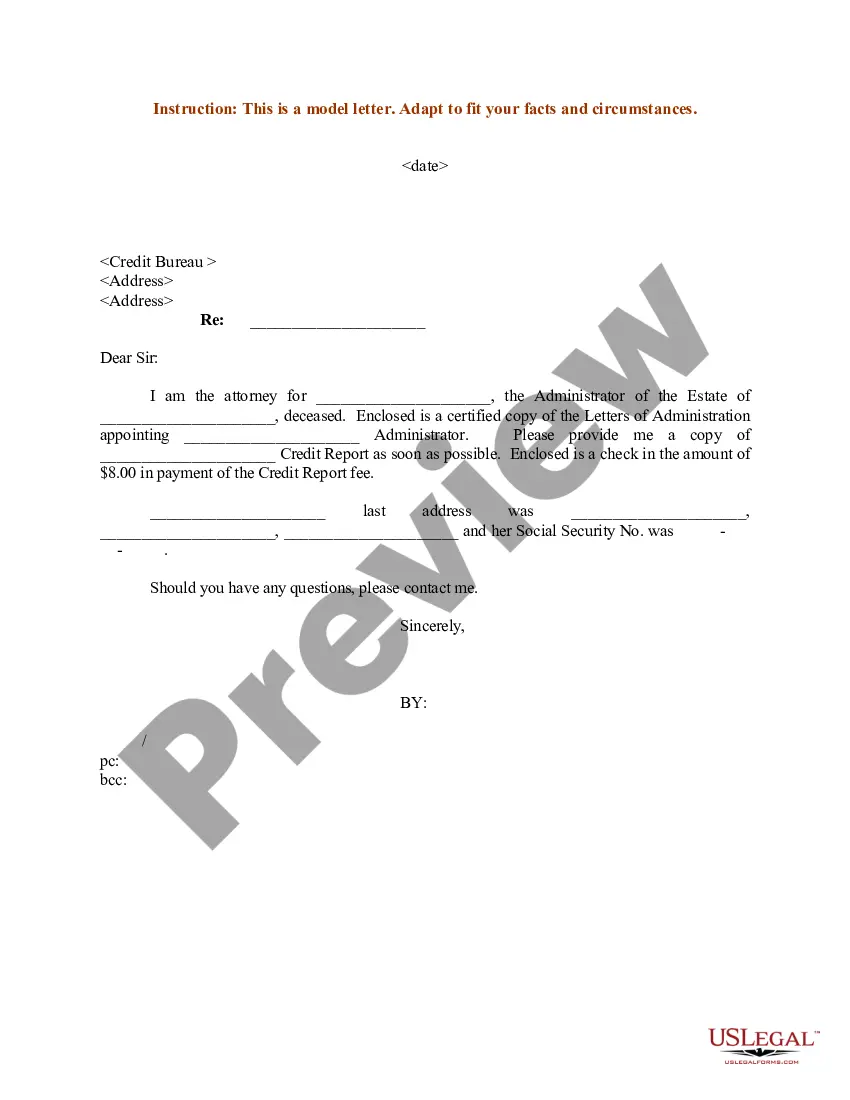
Letter Credit Attorney Withdrawing Representation In Collin
Description


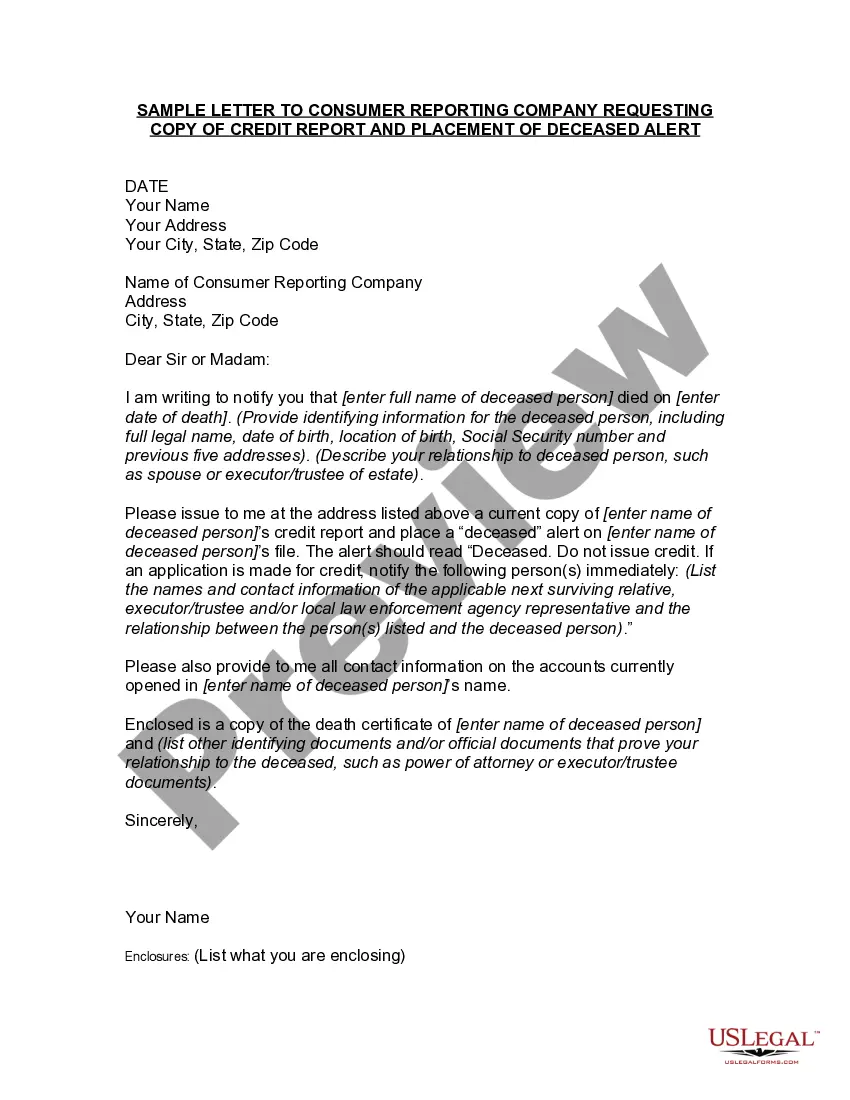
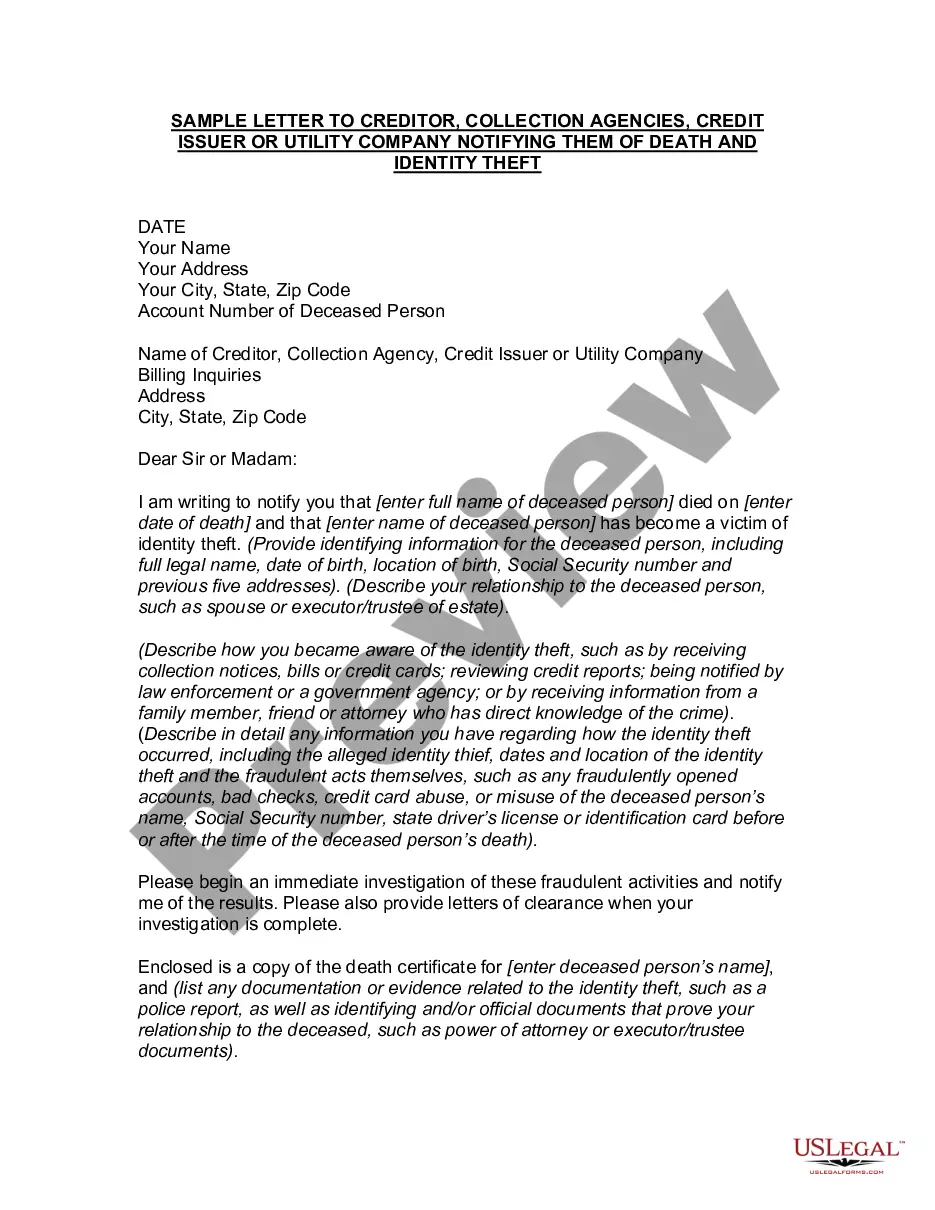
Get your form ready online
Our built-in tools help you complete, sign, share, and store your documents in one place.
Make edits, fill in missing information, and update formatting in US Legal Forms—just like you would in MS Word.
Download a copy, print it, send it by email, or mail it via USPS—whatever works best for your next step.
Sign and collect signatures with our SignNow integration. Send to multiple recipients, set reminders, and more. Go Premium to unlock E-Sign.
If this form requires notarization, complete it online through a secure video call—no need to meet a notary in person or wait for an appointment.
We protect your documents and personal data by following strict security and privacy standards.

Make edits, fill in missing information, and update formatting in US Legal Forms—just like you would in MS Word.

Download a copy, print it, send it by email, or mail it via USPS—whatever works best for your next step.

Sign and collect signatures with our SignNow integration. Send to multiple recipients, set reminders, and more. Go Premium to unlock E-Sign.

If this form requires notarization, complete it online through a secure video call—no need to meet a notary in person or wait for an appointment.

We protect your documents and personal data by following strict security and privacy standards.
Looking for another form?


Form popularity
FAQ
If you wish to fire your lawyer, you may do so at any time. You must give written notice to your lawyer and request that she notify the court immediately that she is off the record. Ask her for a copy of these documents and proof of filing, as it is so close in time to your settlement conference.
Even if the matter is not pending before a tribunal, the ethics rules of most states provide that a lawyer cannot withdraw until he or she has taken reasonable steps to avoid foreseeable prejudice to the rights of his client, such as giving notice to the client, allowing time for employment of other counsel, delivering ...
The proper thing to do is to let your attorney know that you no longer wish to have them represent you and have them file a notice or motion to withdraw (assuming they have already made an appearance in the case, either in court, by signing a pleading, or entering their appearance by submitting a form.
A disengagement letter is especially critical when a lawyer decides not to continue past a specific stage in a case. The lawyer should send a disengagement letter to establish that the relationship is no longer continuing, and to refer the client to another lawyer.
While the client can terminate the lawyer at any time, lawyers do not have the same freedom to withdraw services from the client, and in general can only withdraw services for a good reason and on sufficient notice.
The decision to decline a representation is best to communicate that declination in writing. "Non-engagement letters" should clearly inform the prospective client that the law firm will not represent the prospective client in that matter and that he or she should not rely on the lawyer for any advice or legal action.
In the course of representation of a client, an attorney may be required or permitted to withdraw from representation of the client in situations such as where a client demands that the lawyer engage in conduct that is illegal or violates applicable rules of professional conduct, the client discharges the lawyer, or ...
Mandatory Withdrawal A lawyer ordinarily must decline employment if the employment will cause the lawyer to engage in conduct that the lawyer knows is illegal or that violates the Texas Disciplinary Rules of Professional Conduct.
Give reasons for terminating the relationship, but keep emotion and name-calling out of the conversation. Follow-up with a phone call. You can start the process with an email, but you should follow-up with a phone call to talk your client through the process and answer any questions. Resist the urge to engage.