Corporate Resolution Form For Nonprofit In Virginia
Description



Get your form ready online
Our built-in tools help you complete, sign, share, and store your documents in one place.
Make edits, fill in missing information, and update formatting in US Legal Forms—just like you would in MS Word.
Download a copy, print it, send it by email, or mail it via USPS—whatever works best for your next step.
Sign and collect signatures with our SignNow integration. Send to multiple recipients, set reminders, and more. Go Premium to unlock E-Sign.
If this form requires notarization, complete it online through a secure video call—no need to meet a notary in person or wait for an appointment.
We protect your documents and personal data by following strict security and privacy standards.

Make edits, fill in missing information, and update formatting in US Legal Forms—just like you would in MS Word.

Download a copy, print it, send it by email, or mail it via USPS—whatever works best for your next step.

Sign and collect signatures with our SignNow integration. Send to multiple recipients, set reminders, and more. Go Premium to unlock E-Sign.

If this form requires notarization, complete it online through a secure video call—no need to meet a notary in person or wait for an appointment.

We protect your documents and personal data by following strict security and privacy standards.
Looking for another form?









Form popularity
FAQ
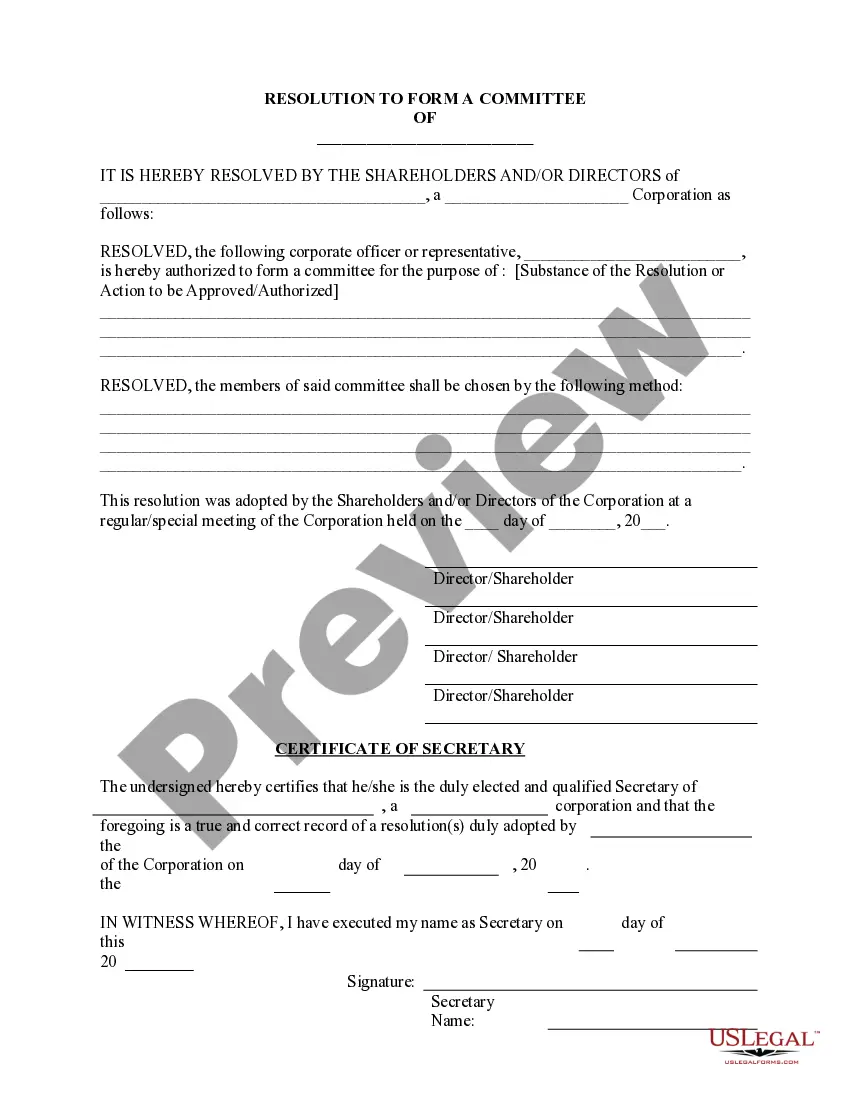
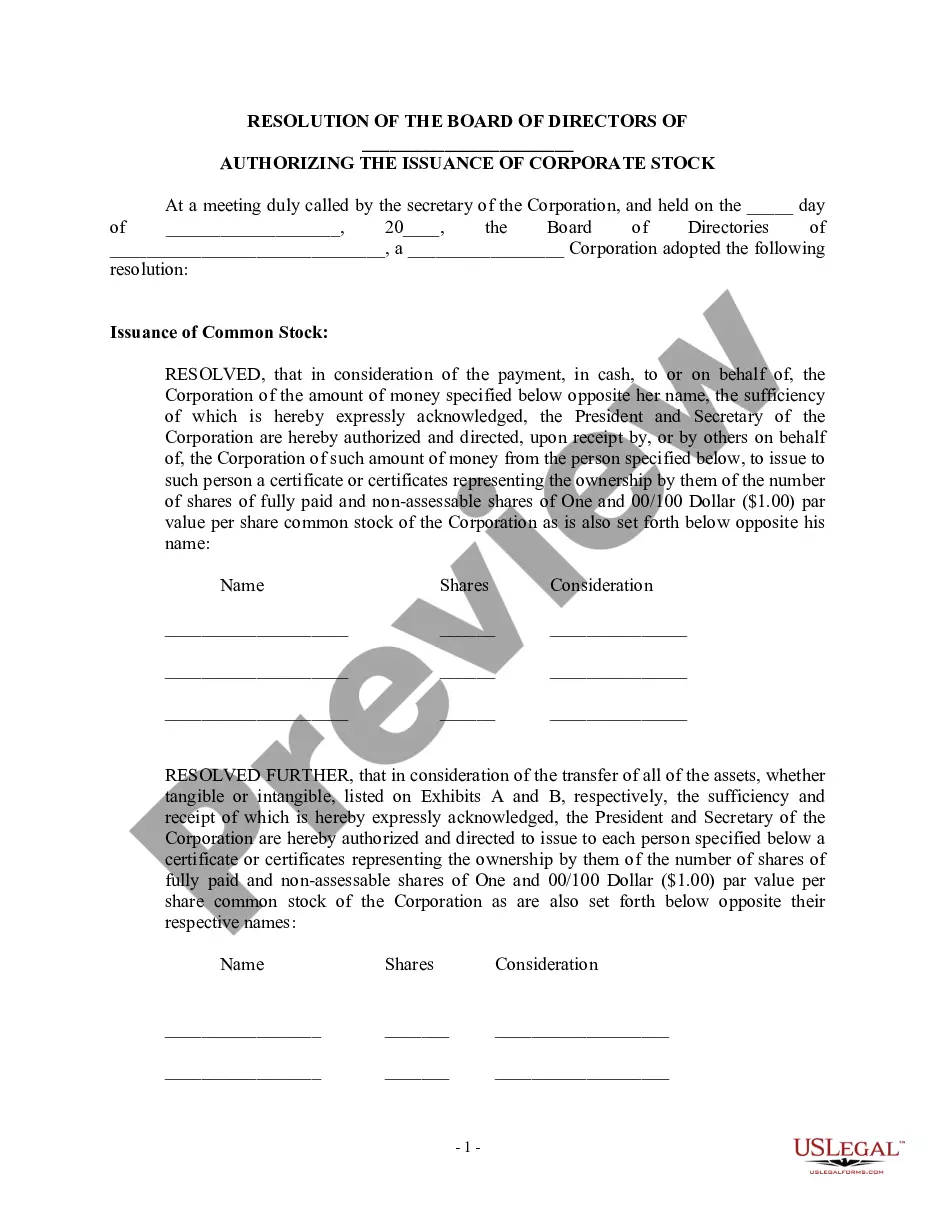
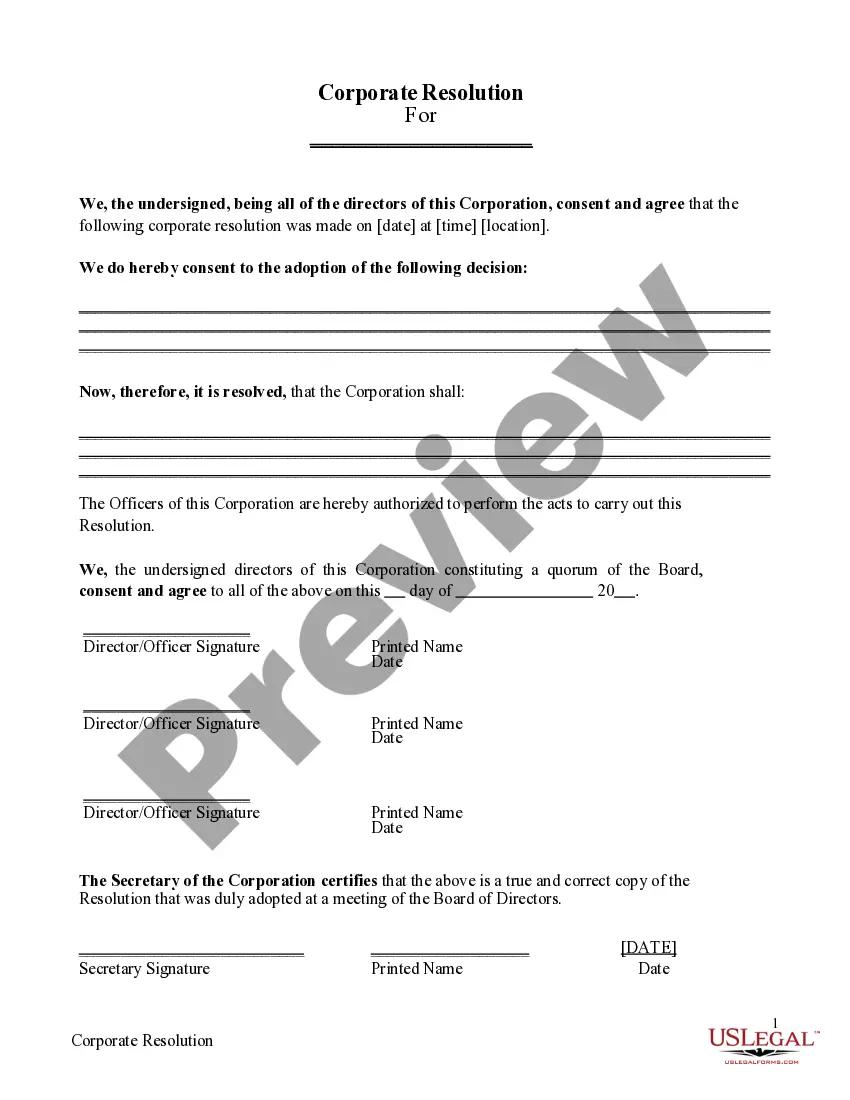
What should corporate resolutions include? Your corporation's name. Date, time and location of meeting. Statement of unanimous approval of resolution. Confirmation that the resolution was adopted at a regularly called meeting. Resolution. Statement authorizing officers to carry out the resolution.
Bylaws need not be posted publicly, but nonprofits file them with the IRS as part of their application for federal tax-exempt (e.g., 501c3) status, and are required to provide members of the public with a copy of that application upon request.
Bylaws are the rules used by the officers and directors to govern the organization. Virginia does not require a copy of the bylaws to be filed with the state. Regardless of filing requirement, their creation is a part of the formation process and is required by state law.
You will need at least one, but can have more than one. Directors make up the governing body of your nonprofit corporation and are stakeholders in your organization's purpose and success. You'll want to identify three, unrelated individuals to meet IRS requirements.
How to Start a Nonprofit in Virginia Name Your Organization. Recruit Incorporators and Initial Directors. Appoint a Registered Agent. Prepare and File Articles of Incorporation. File Initial Report. Obtain an Employer Identification Number (EIN) ... Store Nonprofit Records. Establish Initial Governing Documents and Policies.
Your nonprofit does not need a general business license from the state of Virginia. But you may need local licenses or permits depending on the location of your organization and the scope of your operations.
Federal tax law does not require specific language in the bylaws of most organizations. State law may require nonprofit corporations to have bylaws, however, and nonprofit organizations generally find it advisable to have internal operating rules.
See if your state authorities will assist In some states, the attorney general's office will take an interest if a nonprofit organization, such as a homeowner's or condominium association, did not follow proper procedures in carrying out its election, or is engaging in financial shenanigans, for example.
