Make A Resolution Or Take A Resolution In Queens
Description



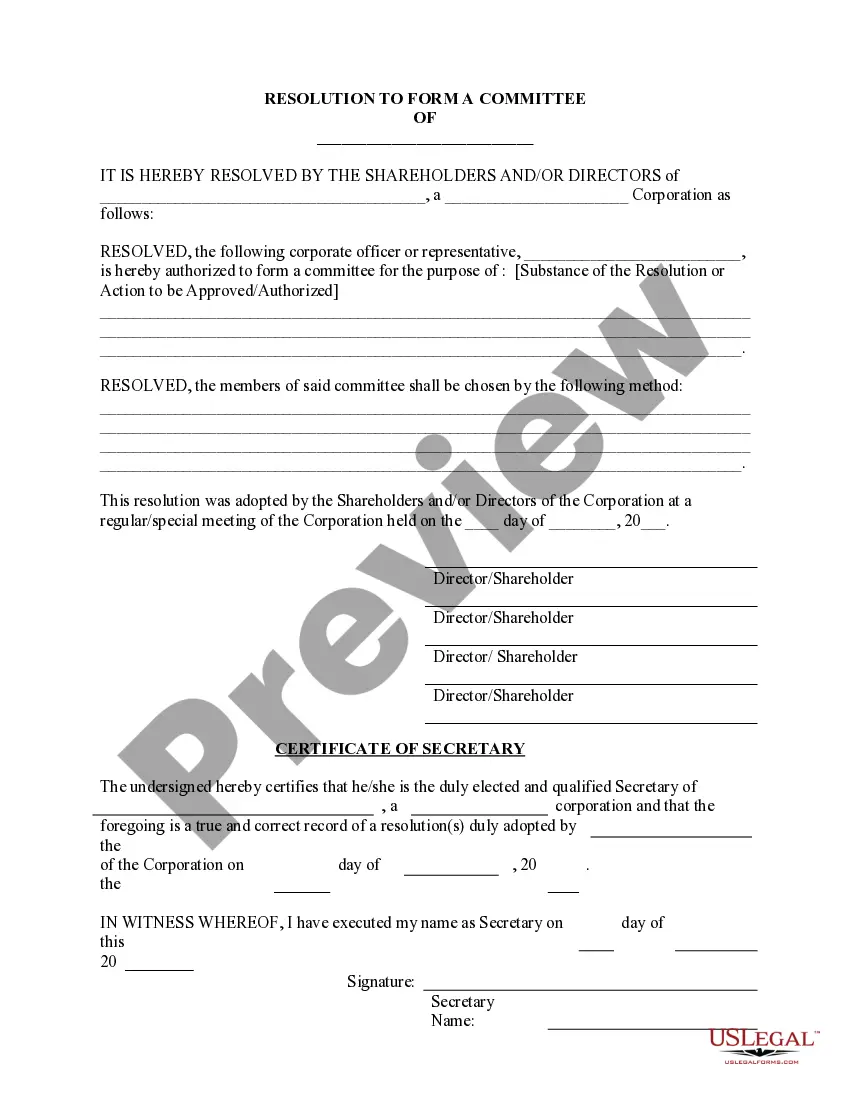
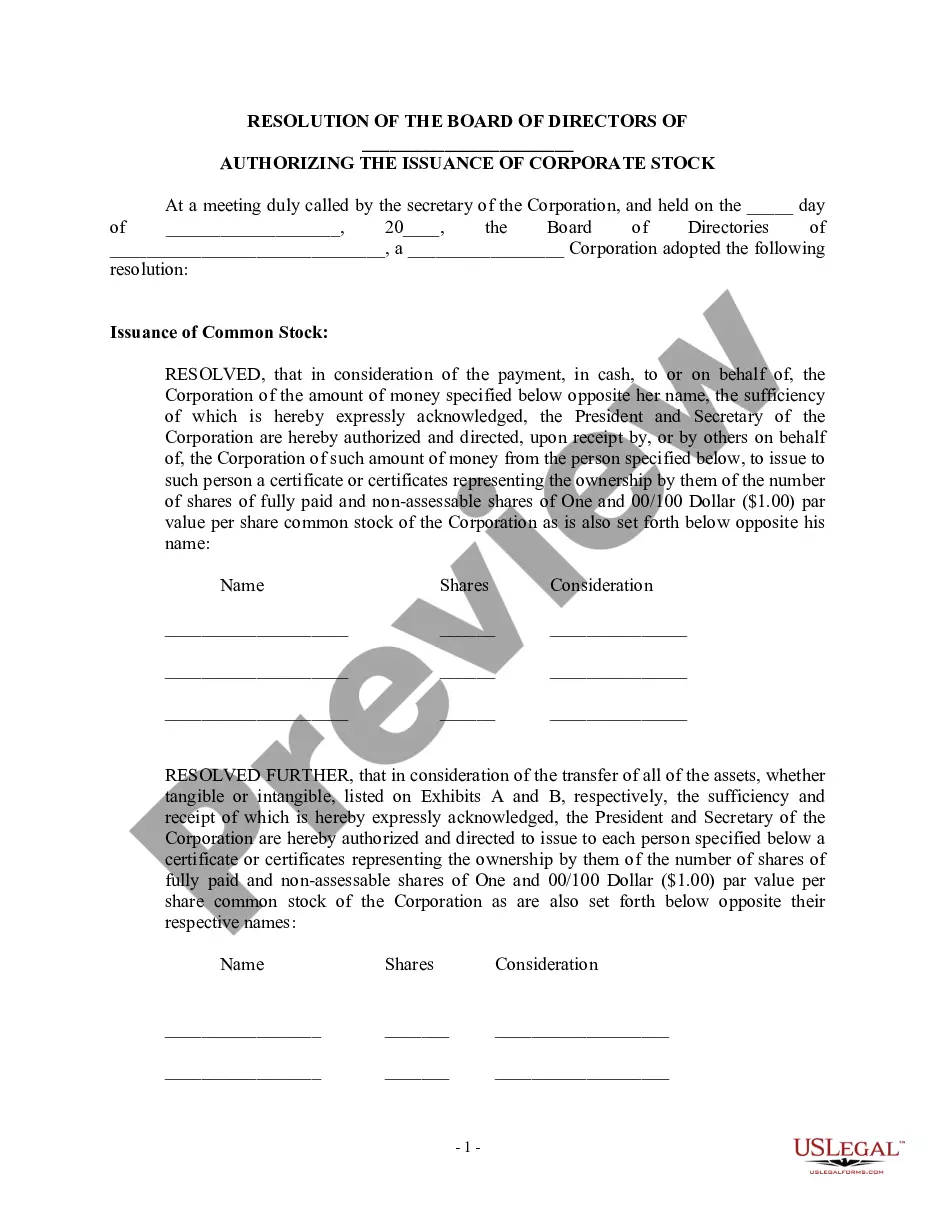
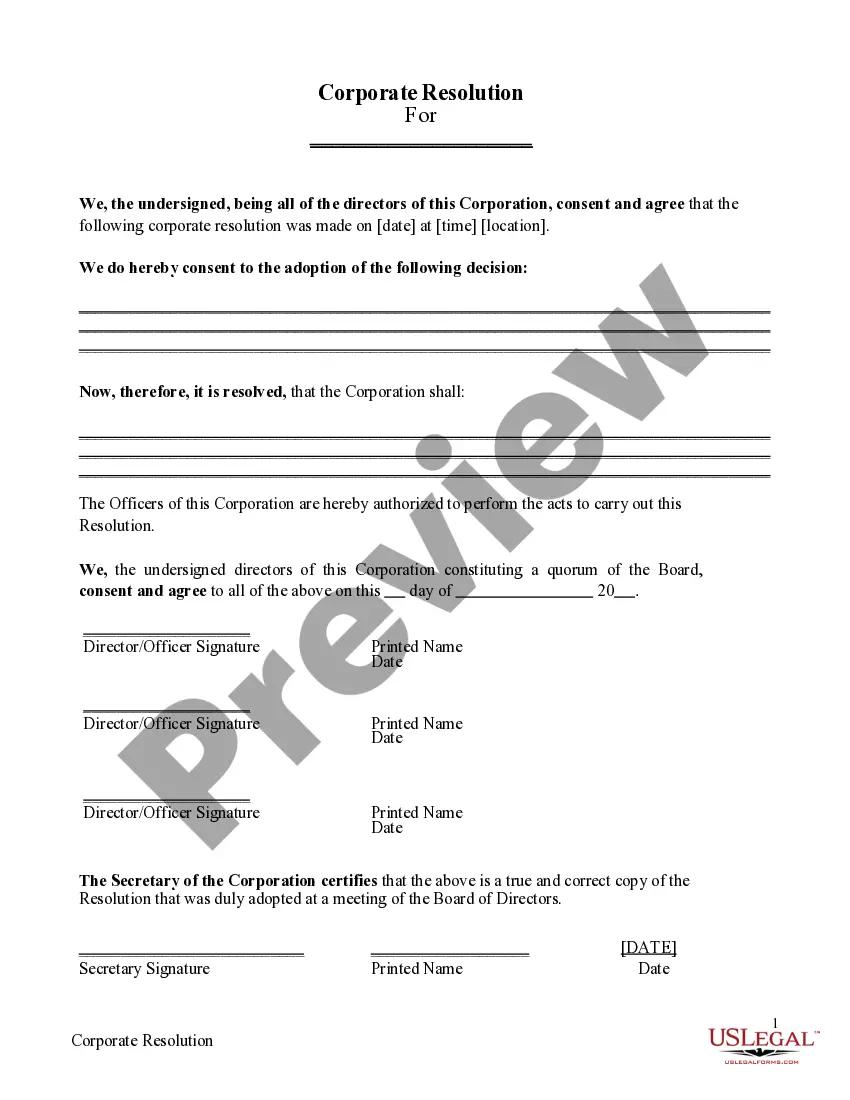
Get your form ready online
Our built-in tools help you complete, sign, share, and store your documents in one place.
Make edits, fill in missing information, and update formatting in US Legal Forms—just like you would in MS Word.
Download a copy, print it, send it by email, or mail it via USPS—whatever works best for your next step.
Sign and collect signatures with our SignNow integration. Send to multiple recipients, set reminders, and more. Go Premium to unlock E-Sign.
If this form requires notarization, complete it online through a secure video call—no need to meet a notary in person or wait for an appointment.
We protect your documents and personal data by following strict security and privacy standards.

Make edits, fill in missing information, and update formatting in US Legal Forms—just like you would in MS Word.

Download a copy, print it, send it by email, or mail it via USPS—whatever works best for your next step.

Sign and collect signatures with our SignNow integration. Send to multiple recipients, set reminders, and more. Go Premium to unlock E-Sign.

If this form requires notarization, complete it online through a secure video call—no need to meet a notary in person or wait for an appointment.

We protect your documents and personal data by following strict security and privacy standards.
Looking for another form?










Form popularity
FAQ
Be as specific as possible; unemotional; and factual. Avoid inflated superlatives. If issue is complex, the problem definition can be broken into multiple Whereas Clauses. Facts stated in the Problem Definition must include appropriate citations that substantiate what is asserted.
The title of the resolution must appropriately reflect the intent. Resolutions begin with "Whereas" statements, which provides the basic facts and reasons for the resolution, and conclude with "Resolved" statements which, identifies the specific proposal for the requestor's course of action.
7 steps for writing a resolution Put the date and resolution number at the top. Give the resolution a title that relates to the decision. Use formal language. Continue writing out each critical statement. Wrap up the heart of the resolution in the last statement.
When an Order of Reference is signed by a Justice, the parties are required to participate in mediation in ance with the Rules and Procedures of the ADR Program. Settlement, however, is, of course, purely voluntary.
The courts and others offer a variety of Alternative Dispute Resolution (ADR) processes to help people resolve disputes without a trial. ADR is usually less formal, less expensive, and less time-consuming than a trial.
Alternative dispute resolution (ADR) refers to the different ways people can resolve disputes without a trial. Common ADR processes include mediation, arbitration, and neutral evaluation. These processes are generally confidential, less formal, and less stressful than traditional court proceedings.
Alternative dispute resolution (ADR) means settling your dispute without asking a court to decide on your issue.
Alternative dispute resolution or ADR describes a range of processes where an impartial practitioner helps people resolve their disputes. The word 'alternative' is usually understood to mean that these processes are an alternative to having a decision made by a Judge or Magistrate in court.
