Make A Resolution Or Take A Resolution In Montgomery
Description



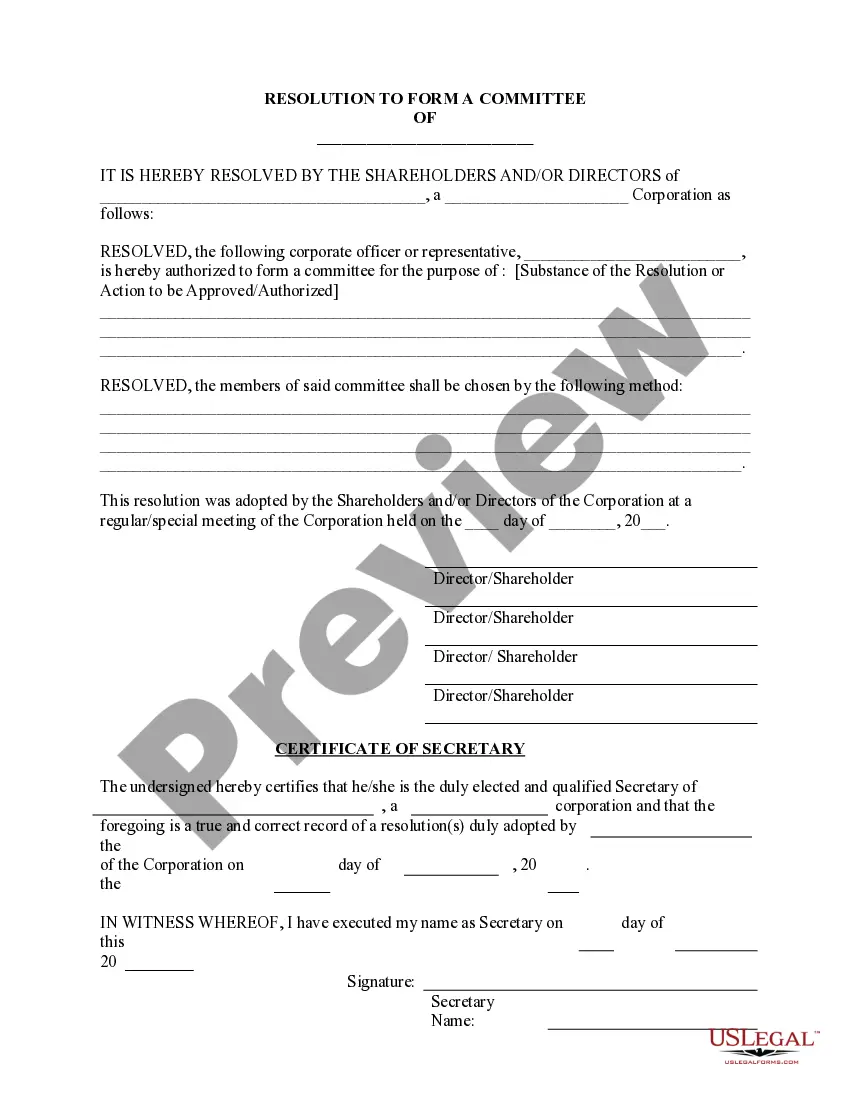

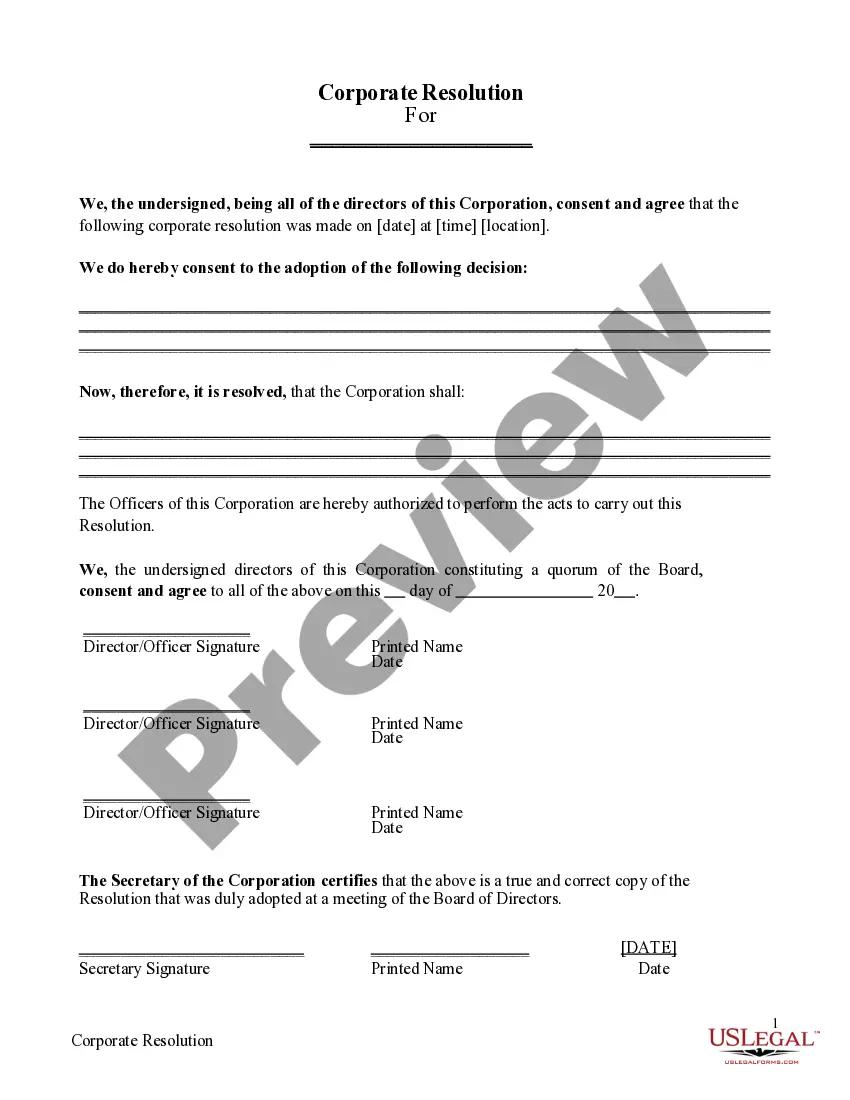
Get your form ready online
Our built-in tools help you complete, sign, share, and store your documents in one place.
Make edits, fill in missing information, and update formatting in US Legal Forms—just like you would in MS Word.
Download a copy, print it, send it by email, or mail it via USPS—whatever works best for your next step.
Sign and collect signatures with our SignNow integration. Send to multiple recipients, set reminders, and more. Go Premium to unlock E-Sign.
If this form requires notarization, complete it online through a secure video call—no need to meet a notary in person or wait for an appointment.
We protect your documents and personal data by following strict security and privacy standards.

Make edits, fill in missing information, and update formatting in US Legal Forms—just like you would in MS Word.

Download a copy, print it, send it by email, or mail it via USPS—whatever works best for your next step.

Sign and collect signatures with our SignNow integration. Send to multiple recipients, set reminders, and more. Go Premium to unlock E-Sign.

If this form requires notarization, complete it online through a secure video call—no need to meet a notary in person or wait for an appointment.

We protect your documents and personal data by following strict security and privacy standards.
Looking for another form?







Form popularity
FAQ
Here's a review of the three basic types of dispute resolution to consider: Mediation. The goal of mediation is for a neutral third party to help disputants come to a consensus on their own. Arbitration. In arbitration, a neutral third party serves as a judge who is responsible for resolving the dispute. Litigation.
I am writing to inform you that the school and I are in disagreement concerning (BRIEFLY state what the disagreement is about). We have been unsuccessful in resolving this dispute, and I am requesting mediation so that we may resolve our differences. I would like the mediation to be done as soon as possible.
Find out more about the mediation process and book your individual meeting with the mediator. It is then the mediator's job to approach your ex-partner and invite them to mediation. Mediators are trained to contact the other person and tell them more about mediation.
Get good results at your mediation by keeping these basic tenets in mind. Rule 1: The decision makers must participate. Rule 2: The important documents must be physically present. Rule 3: Be right, but only to a point. Rule 4: Build a deal. Rule 5: Treat the other party with respect. Rule 6: Be persuasive.
To officially request mediation services, the Request & Order for Family Mediation Center form will need to be filled out and filed with the court. If, however, you already have a court date schedule, you can make this request during your hearing (instead of filling out the form).
