Injunctive Relief For Breach In Suffolk
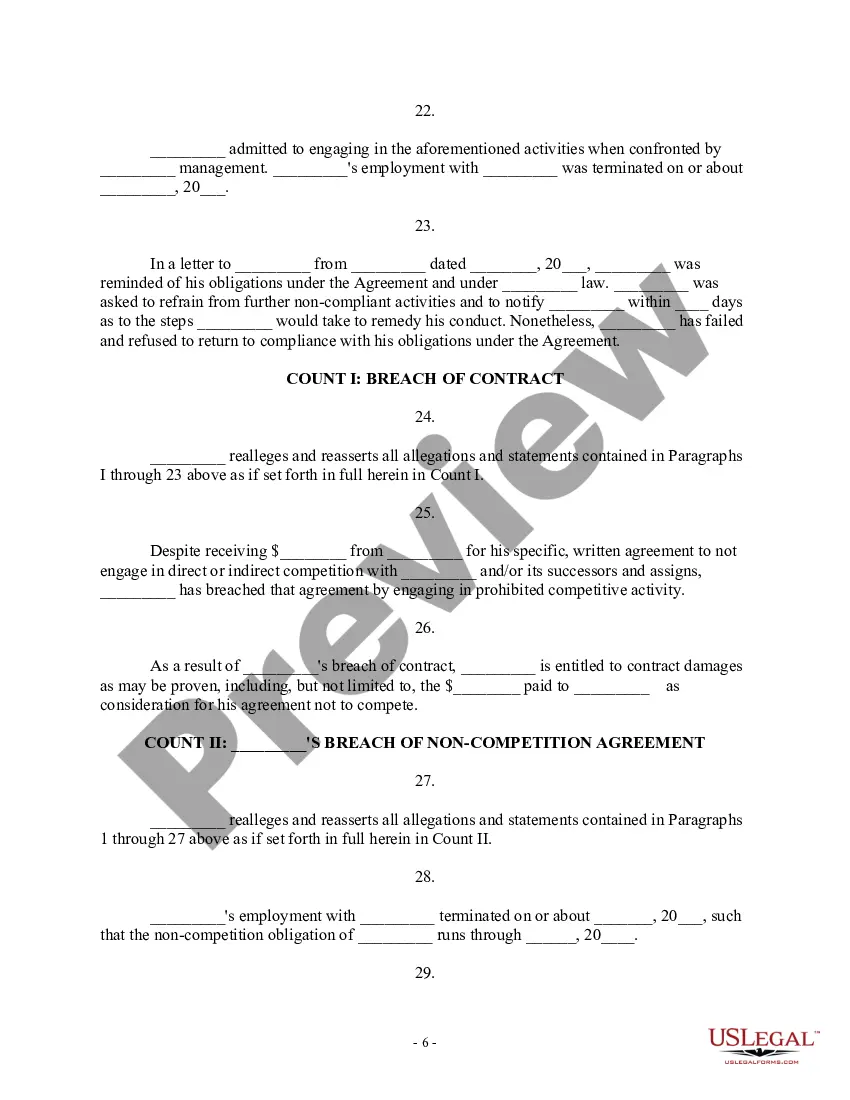
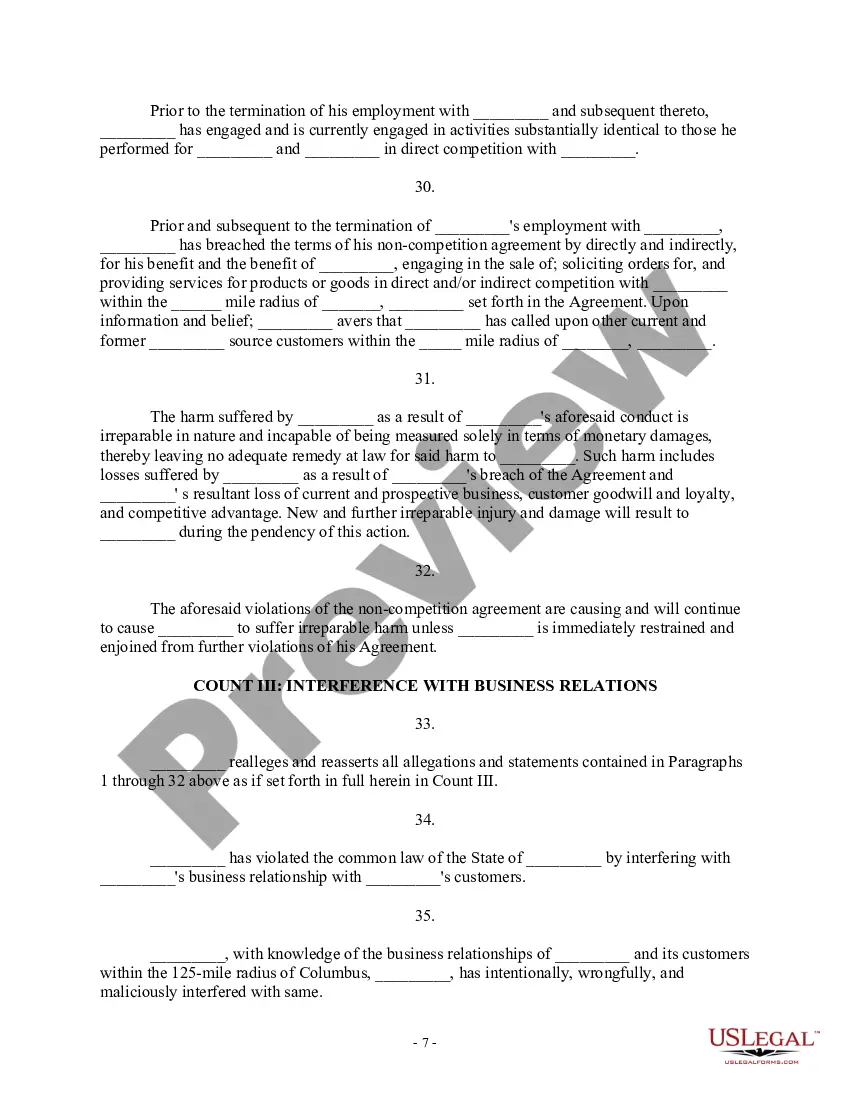
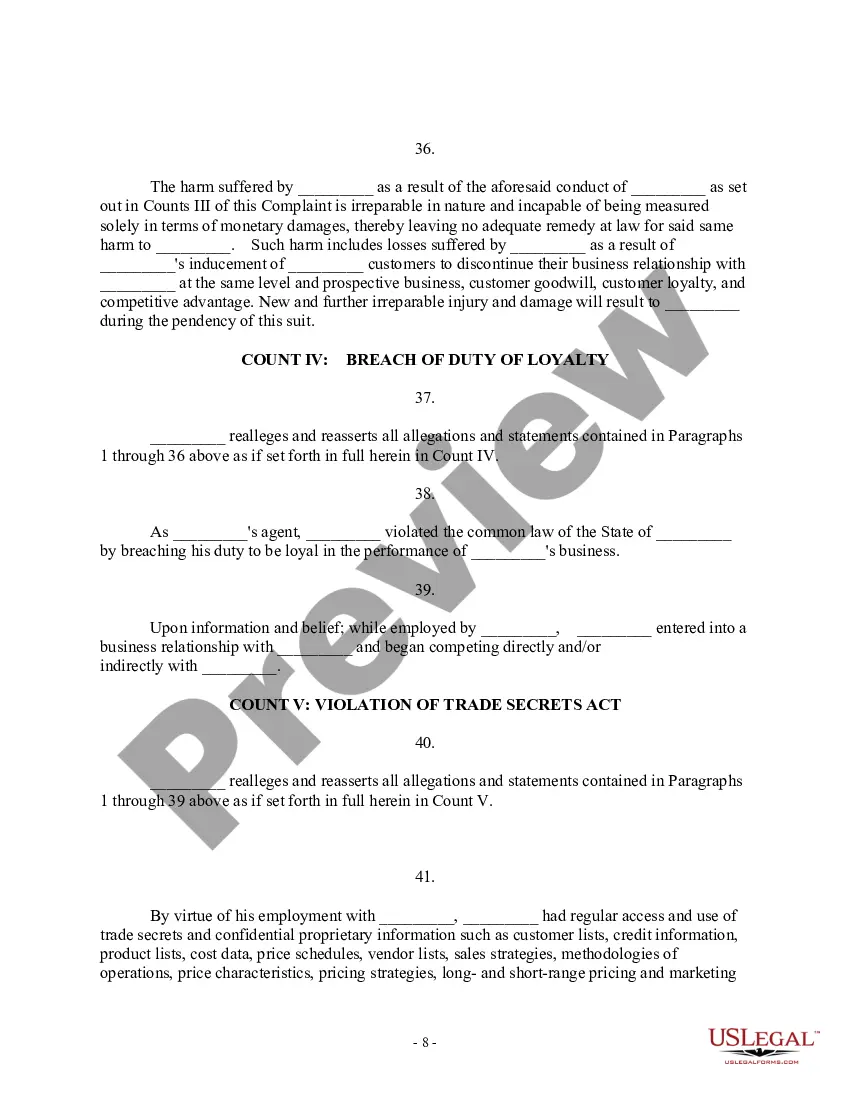
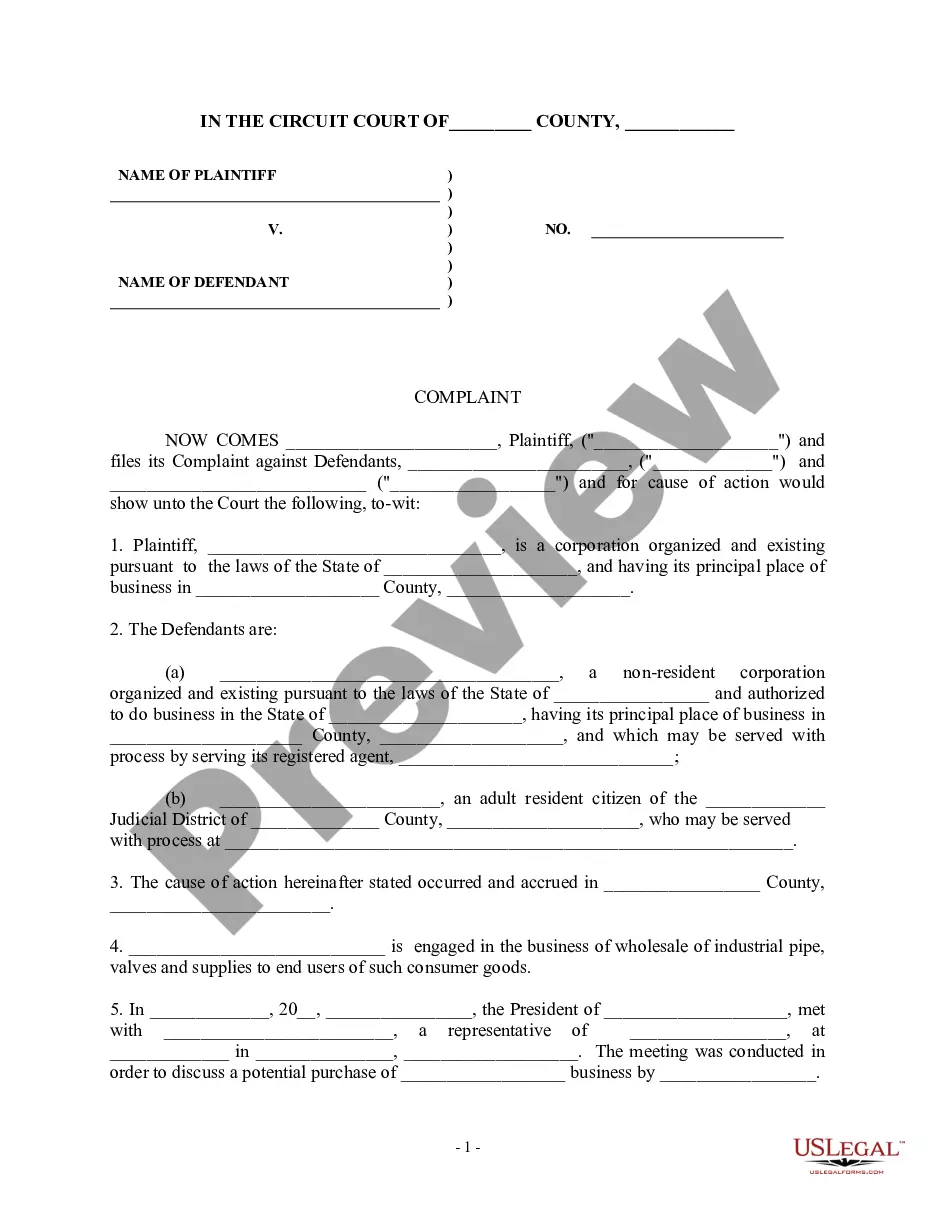
Description





Get your form ready online
Our built-in tools help you complete, sign, share, and store your documents in one place.
Make edits, fill in missing information, and update formatting in US Legal Forms—just like you would in MS Word.
Download a copy, print it, send it by email, or mail it via USPS—whatever works best for your next step.
Sign and collect signatures with our SignNow integration. Send to multiple recipients, set reminders, and more. Go Premium to unlock E-Sign.
If this form requires notarization, complete it online through a secure video call—no need to meet a notary in person or wait for an appointment.
We protect your documents and personal data by following strict security and privacy standards.

Make edits, fill in missing information, and update formatting in US Legal Forms—just like you would in MS Word.

Download a copy, print it, send it by email, or mail it via USPS—whatever works best for your next step.

Sign and collect signatures with our SignNow integration. Send to multiple recipients, set reminders, and more. Go Premium to unlock E-Sign.

If this form requires notarization, complete it online through a secure video call—no need to meet a notary in person or wait for an appointment.

We protect your documents and personal data by following strict security and privacy standards.
Looking for another form?

Form popularity
FAQ
Injunctions: Injunctions can be used to stop an ongoing breach of contract. Obtaining an injunction can be complex and requires a court order, with the court ordering a party to do or stop doing a particular action.
Injunctive relief usually takes one of three forms: temporary restraining order (TRO), preliminary injunction, and permanent injunction. As their modifying terms imply, each has a different level of the time commitment involved.
A prohibitory injunction is the most common form of injunction, and directs a party to refrain from acting in a certain manner. Examples of a prohibitory injunction are cease and desist orders such as an order stopping a bulldozer prior to the razing of an historic building.
An injunction or temporary restraining order is an order from the court prohibiting a party from performing or ordering a specified act, either temporarily or permanently.
A prohibitory injunction, meanwhile, is an injunction of the court that prohibits or prevents a party from doing something specific. For example, this could be to prevent a breach of contract, or to prevent a party from dissipating their assets.
The party seeking a preliminary injunctive relief must demonstrate: (1) irreparable injury in the absence of such an order; (2) that the threatened injury to the moving party outweighs the harm to the opposing party resulting from the order; (3) that the injunction is not adverse to public interest; and (4) that the ...
First, an injunction is a court order delivered in a civil trial or suit. This court order stops the defendant from pursuing a certain activity. This can include constructing a new building, pursuing a business venture, or making transactions that are harmful to the plaintiff.
The General Municipal Law requires that a Notice of Claim be served within 90 days after the claim arises. Section 50-e2 The claim will normally arise on the date of the accident (e.g., slip and fall) or the event (e.g., assault) that has given rise to the claim.
Injunctive Relief for Breach of Contract: A Guide to Understanding Your Legal Options. Posted on by Trembly Law. Injunctive relief for breach of contract is a legal remedy that restrains a party from doing certain acts or requires a party to act in a certain way.
A Notice of Intention to File a Claim is an optional document that a potential claimant may serve upon the defendant to extend the time period to serve and file a claim.
