Corporate Resolution Form For Buying A Car In Miami-Dade
Description



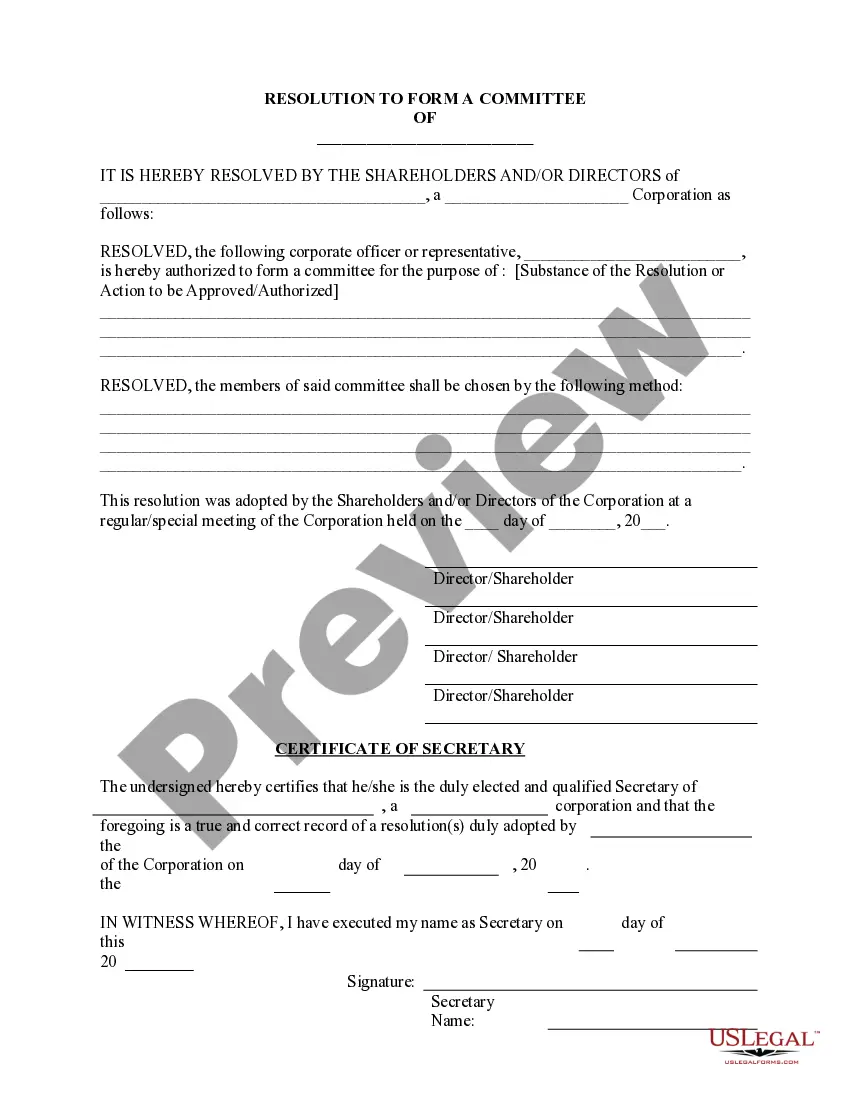
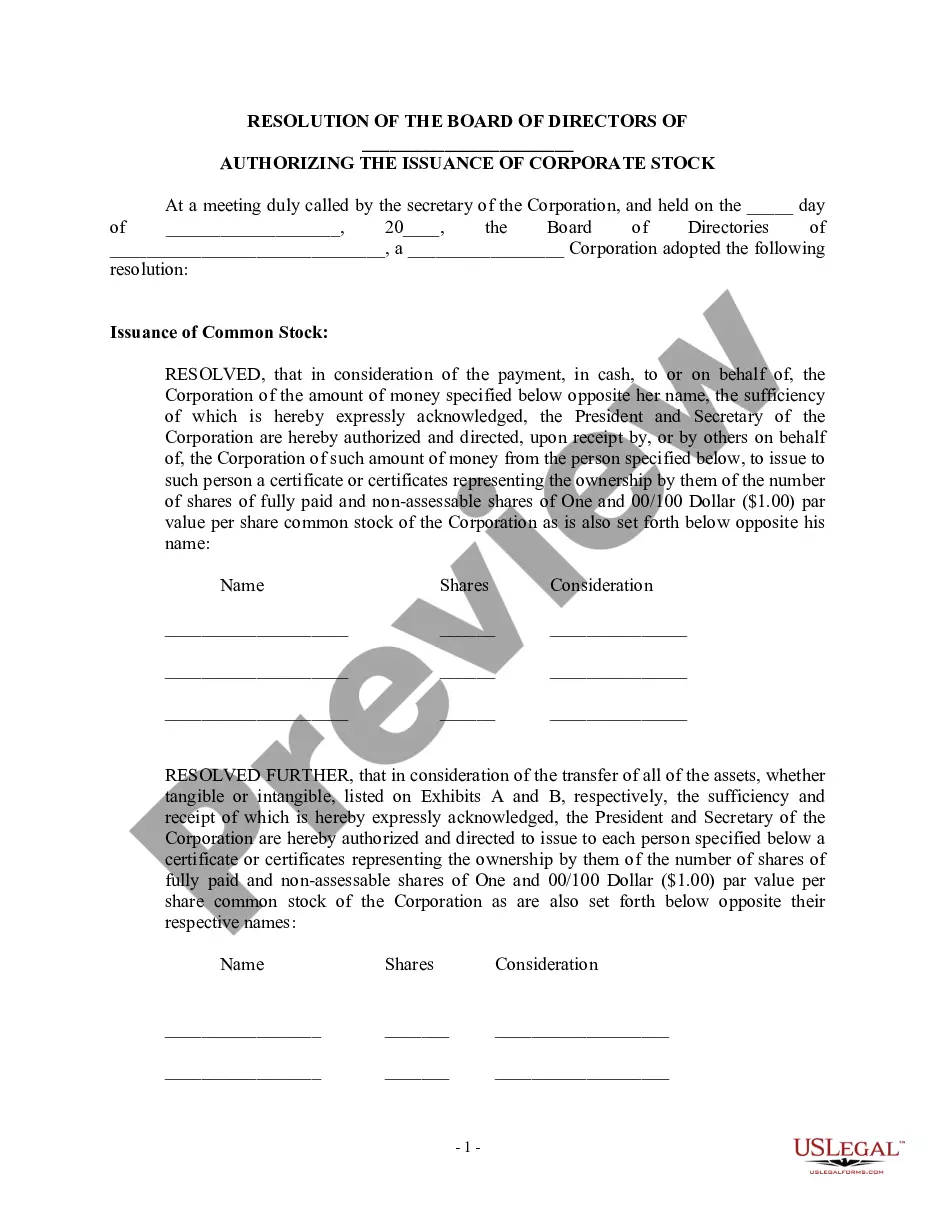
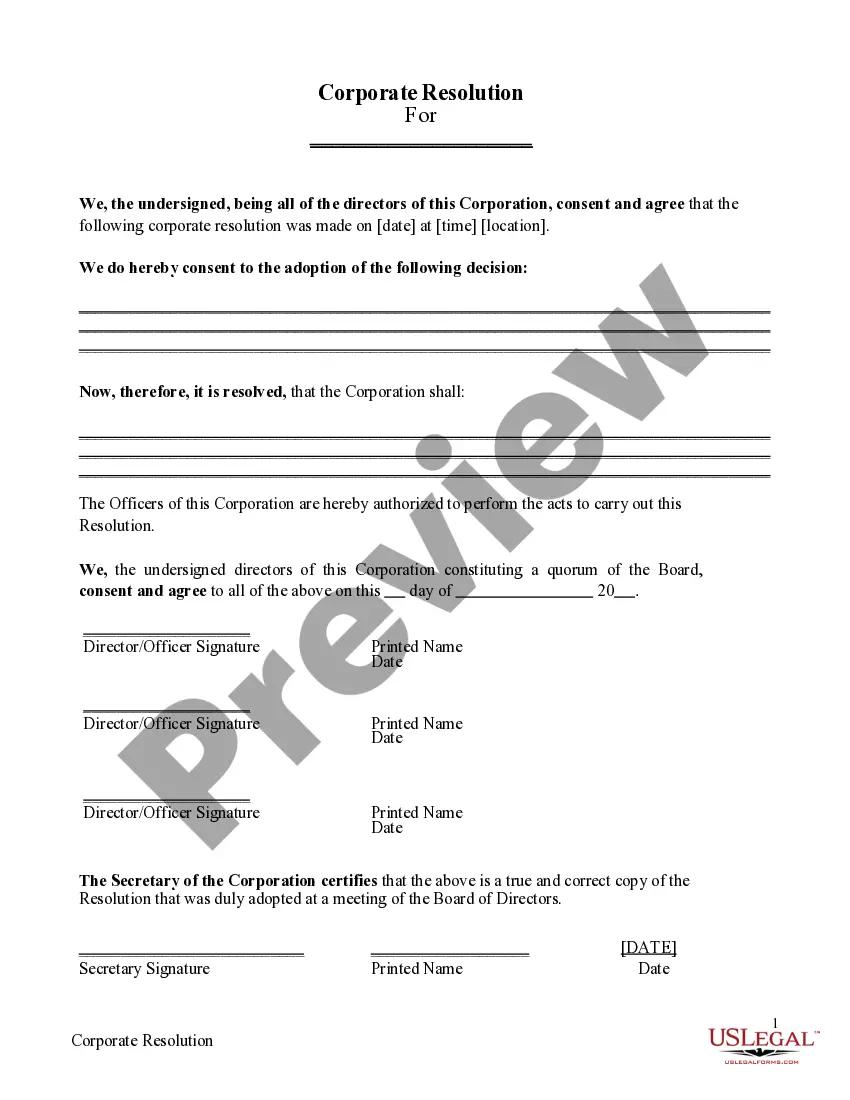
Get your form ready online
Our built-in tools help you complete, sign, share, and store your documents in one place.
Make edits, fill in missing information, and update formatting in US Legal Forms—just like you would in MS Word.
Download a copy, print it, send it by email, or mail it via USPS—whatever works best for your next step.
Sign and collect signatures with our SignNow integration. Send to multiple recipients, set reminders, and more. Go Premium to unlock E-Sign.
If this form requires notarization, complete it online through a secure video call—no need to meet a notary in person or wait for an appointment.
We protect your documents and personal data by following strict security and privacy standards.

Make edits, fill in missing information, and update formatting in US Legal Forms—just like you would in MS Word.

Download a copy, print it, send it by email, or mail it via USPS—whatever works best for your next step.

Sign and collect signatures with our SignNow integration. Send to multiple recipients, set reminders, and more. Go Premium to unlock E-Sign.

If this form requires notarization, complete it online through a secure video call—no need to meet a notary in person or wait for an appointment.

We protect your documents and personal data by following strict security and privacy standards.
Looking for another form?









Form popularity
FAQ
Does a corporate resolution need to be notarized? Corporate resolutions do not have to be notarized.
A corporate resolution outlines the decisions and actions made by a company's board of directors. A corporation might use a corporate resolution to establish itself as an independent legal entity, which is separate from the owners.
A corporate resolution is a formal declaration made by a board of directors that officially records specific decisions that are material to a business. These resolutions are passed by the board, officially recorded by a corporate secretary and filed among a company's official records.
Three forms of resolutions are available: ordinary resolution, special resolution and unanimous resolution. There is no concept of special resolution in board meetings and very few unanimous resolutions are also required. However, all three are covered in the case of general meetings.
Here are the steps a board of directors may follow when writing corporate resolutions to help you understand the process better: Hold a board meeting. Include introductory elements. Write a statement of consent. List the resolutions. Conclude with a statement of resolution. Proofread the document.
A corporate resolution formally documents specific decisions or actions taken by a company's board of directors or shareholders. It typically addresses key issues like authorizing contracts, appointing officers, or approving major business transactions.
Common forms of proof include a board resolution, corporate bylaws, or a signed authorization letter from a company officer.
A letter of authority is a legal document that authorises a third party to act on behalf of your company. The person completing the letter of authority must be listed as an officeholder for your company on the Australian Securities & Investments Commission (ASIC) Company Register.
7 steps for writing a resolution Put the date and resolution number at the top. Give the resolution a title that relates to the decision. Use formal language. Continue writing out each critical statement. Wrap up the heart of the resolution in the last statement.
