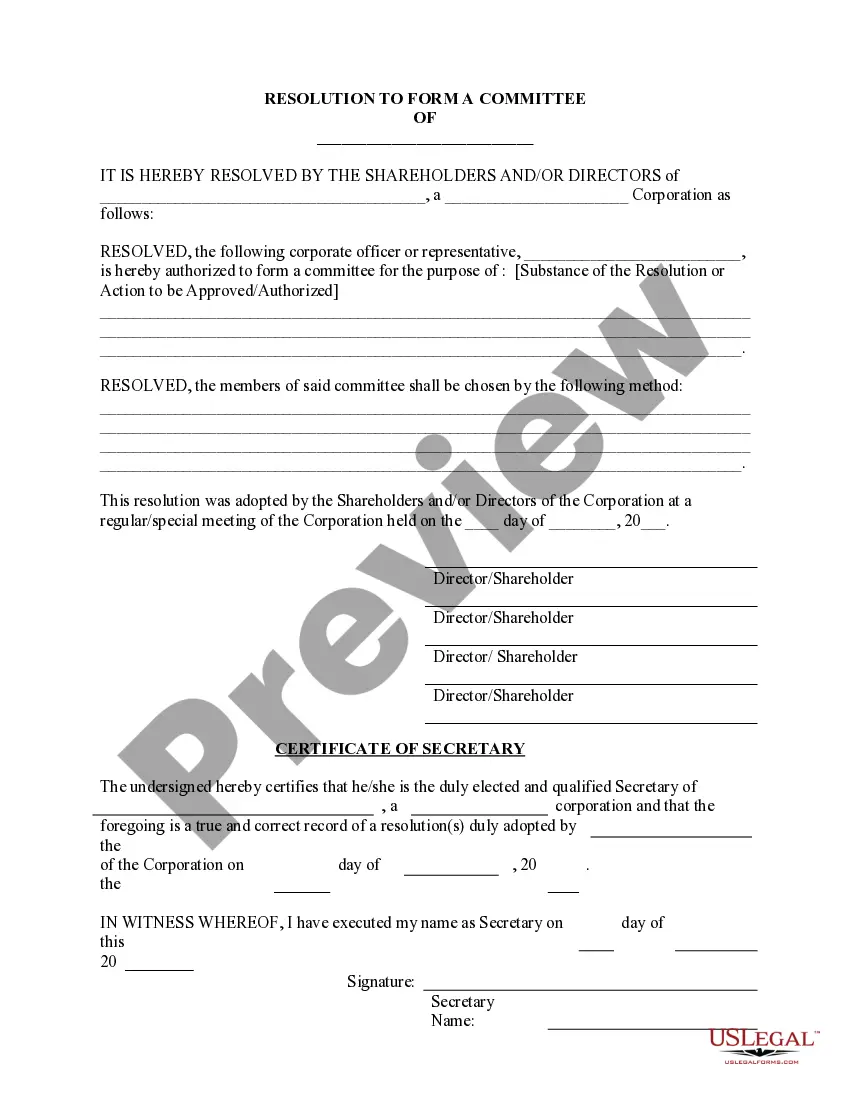
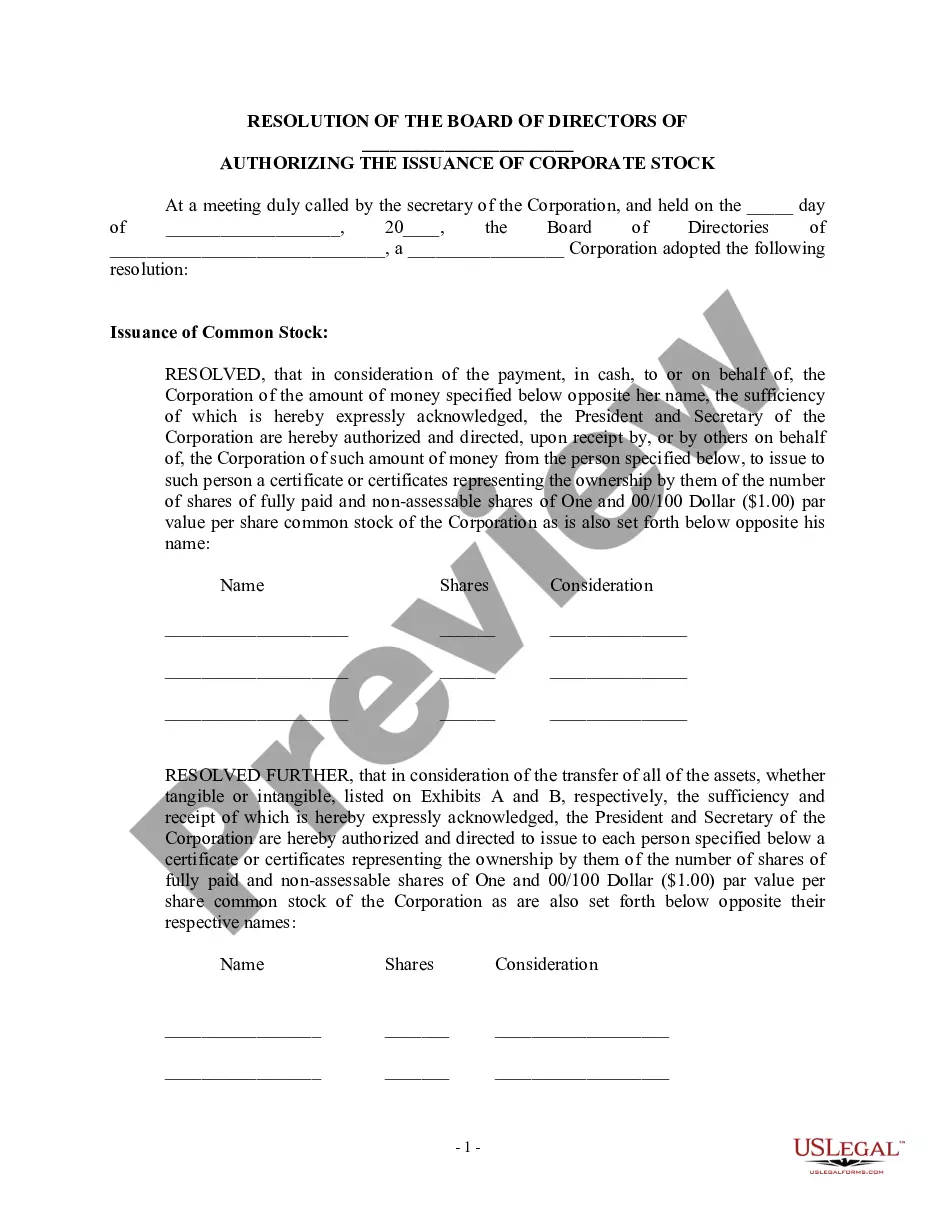
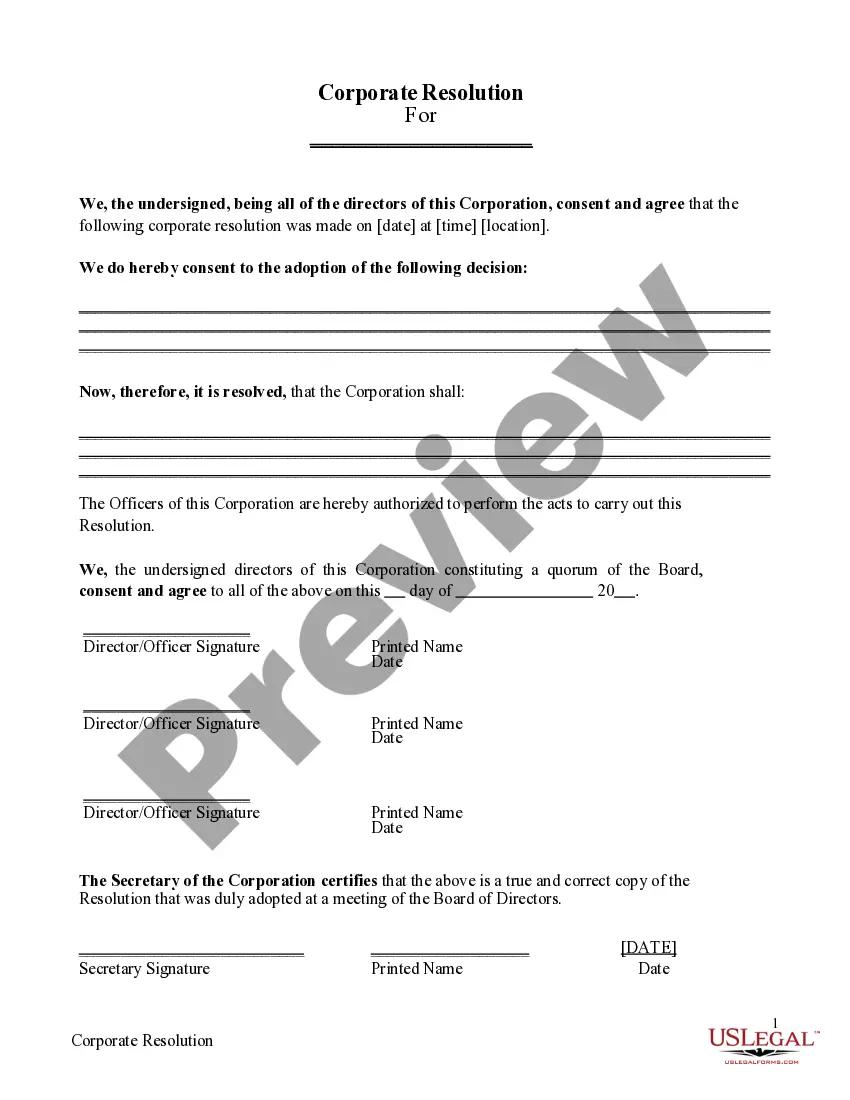
Resolution Format For Trust In Maryland
Description



Get your form ready online
Our built-in tools help you complete, sign, share, and store your documents in one place.
Make edits, fill in missing information, and update formatting in US Legal Forms—just like you would in MS Word.
Download a copy, print it, send it by email, or mail it via USPS—whatever works best for your next step.
Sign and collect signatures with our SignNow integration. Send to multiple recipients, set reminders, and more. Go Premium to unlock E-Sign.
If this form requires notarization, complete it online through a secure video call—no need to meet a notary in person or wait for an appointment.
We protect your documents and personal data by following strict security and privacy standards.

Make edits, fill in missing information, and update formatting in US Legal Forms—just like you would in MS Word.

Download a copy, print it, send it by email, or mail it via USPS—whatever works best for your next step.

Sign and collect signatures with our SignNow integration. Send to multiple recipients, set reminders, and more. Go Premium to unlock E-Sign.

If this form requires notarization, complete it online through a secure video call—no need to meet a notary in person or wait for an appointment.

We protect your documents and personal data by following strict security and privacy standards.
Looking for another form?







Form popularity
FAQ
Technically, trusts do not need to be in writing, but execution of a trust is almost impossible unless it is in writing. In the declaration, the grantor transfers legal ownership of the property to be placed in trust to the trustee and names the beneficiary. The grantor must be legally competent to make the trust.
Maryland follows the general American rule that a trust may be terminated when all beneficiaries consent to the termination and when termination is not contrary to the settlor's intention.
To transfer your home to a trust, you must sign a deed that names the trustee as the property's new owner. The trustee would then assume the “title” as the legal owner of the property.
The Timeline for Challenging a California Trust Once a beneficiary or heir receives this notice, they have only 120 days to contest the trust. If they wait more than 120 days, their challenge will be dismissed without consideration, and they will be forever barred from attempting another contest.
