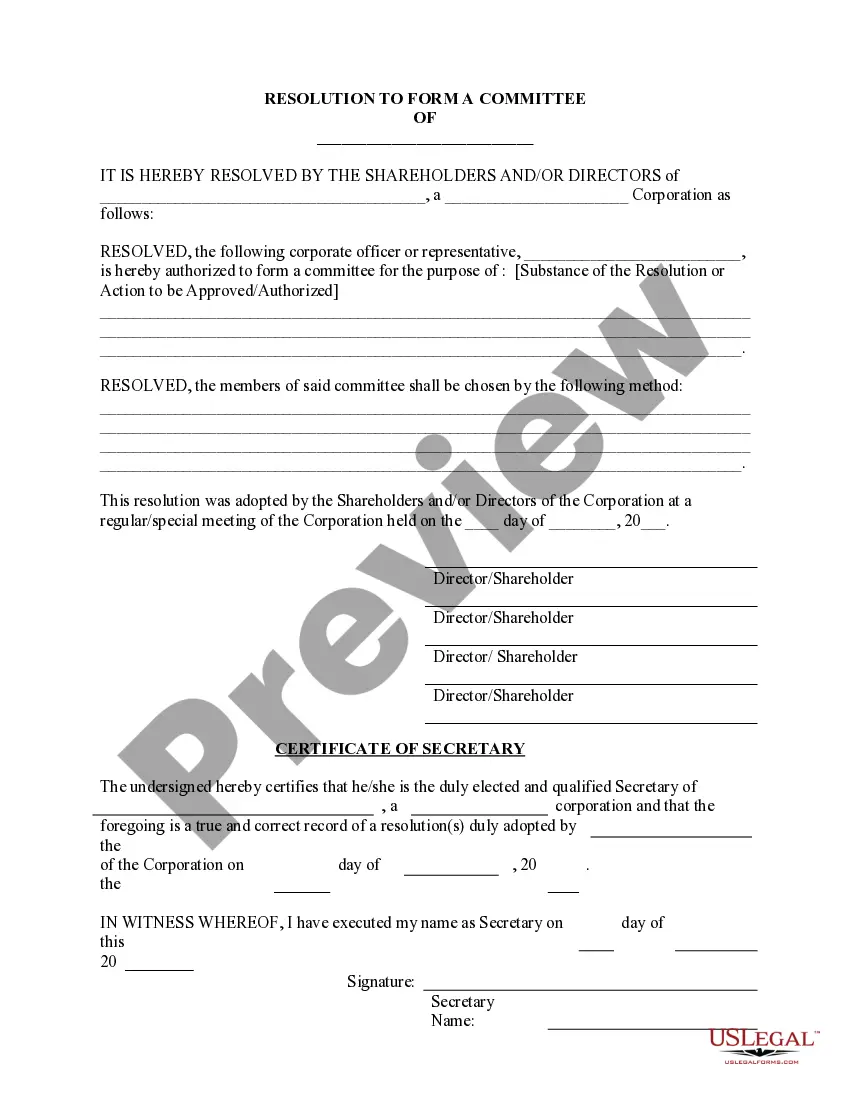
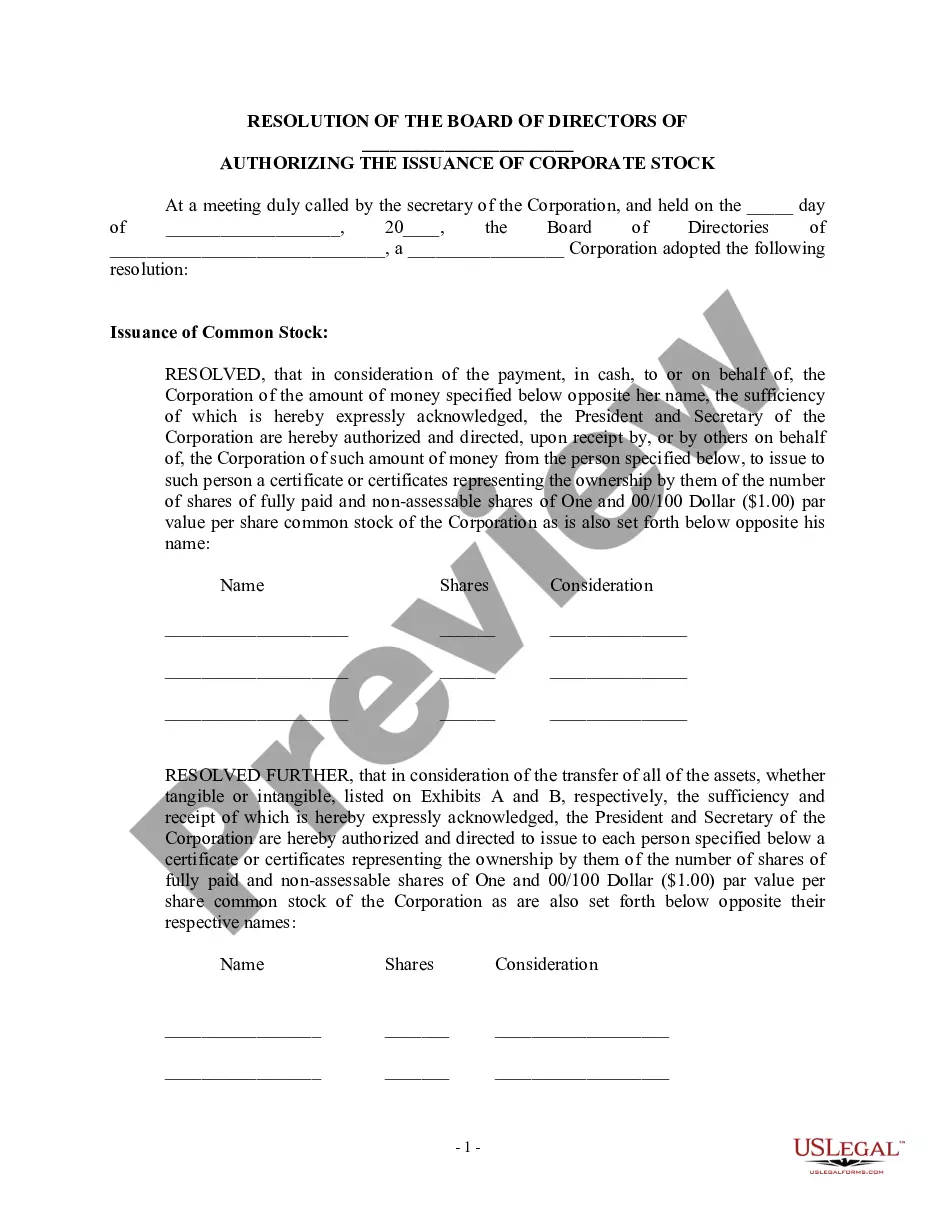
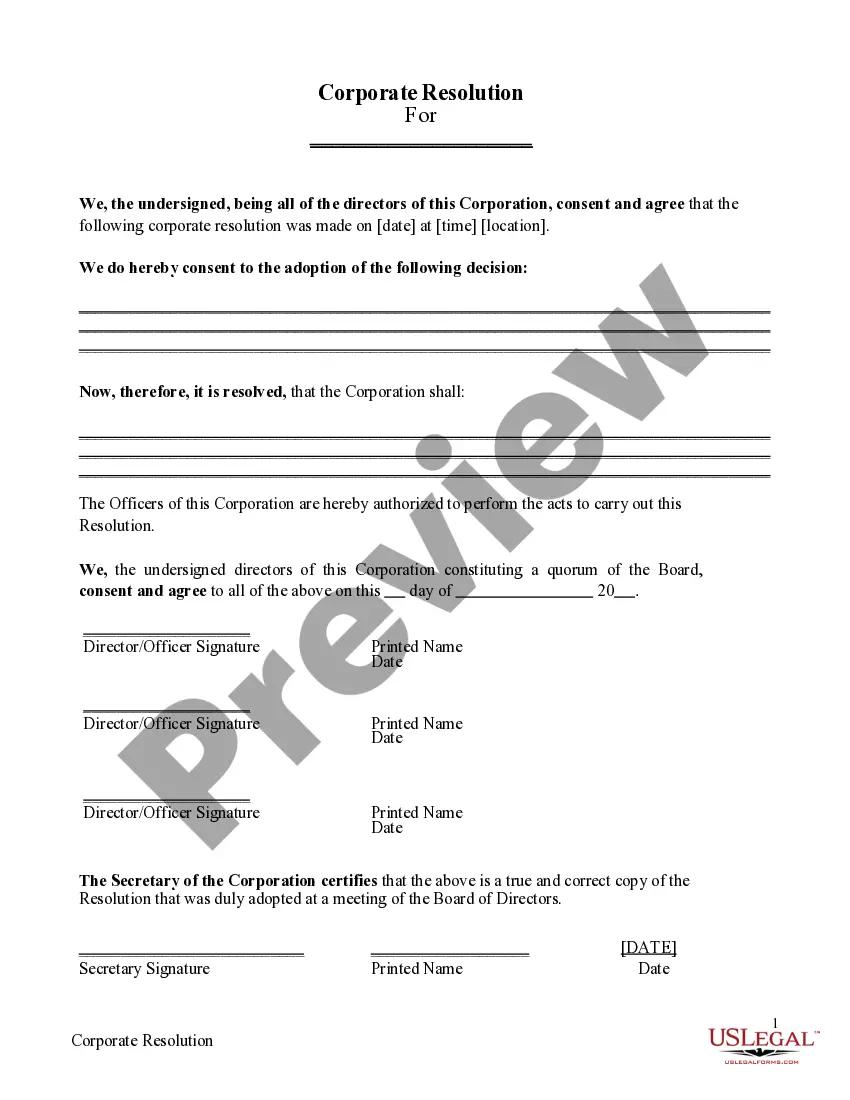
Resolution Format For Trust In Alameda
Description



Get your form ready online
Our built-in tools help you complete, sign, share, and store your documents in one place.
Make edits, fill in missing information, and update formatting in US Legal Forms—just like you would in MS Word.
Download a copy, print it, send it by email, or mail it via USPS—whatever works best for your next step.
Sign and collect signatures with our SignNow integration. Send to multiple recipients, set reminders, and more. Go Premium to unlock E-Sign.
If this form requires notarization, complete it online through a secure video call—no need to meet a notary in person or wait for an appointment.
We protect your documents and personal data by following strict security and privacy standards.

Make edits, fill in missing information, and update formatting in US Legal Forms—just like you would in MS Word.

Download a copy, print it, send it by email, or mail it via USPS—whatever works best for your next step.

Sign and collect signatures with our SignNow integration. Send to multiple recipients, set reminders, and more. Go Premium to unlock E-Sign.

If this form requires notarization, complete it online through a secure video call—no need to meet a notary in person or wait for an appointment.

We protect your documents and personal data by following strict security and privacy standards.
Looking for another form?






Form popularity
FAQ
How to create a living trust in California Take stock of your assets. Choose a trustee. Choose your beneficiaries. Draw up your Declaration of Trust. Consider signing your trust document in front of a notary public. Transfer your property to the trust.
The Sunshine Ordinance is codified in the Alameda Municipal Code and serves as the City's "public policy concerning participation in the deliberations of the City's legislative bodies and to clarify and supplement the Ralph M. Brown Act and the California Public Records Act."
In California, living trusts are not required to be recorded, nor is it recommended.
After you die, only your beneficiaries and those who would legally inherit from you if you did not have a will or trust have a right to know what the trust contains. You do not have any legal requirement to file your trust with the County or the Court.
To terminate an active trust, a party with standing must petition the court and provide evidence that persuades a judge to issue an order dissolving the trust or all beneficiaries of the trust must agree to its termination.
Alameda County For commercial properties, noise level standards are a maximum of 80 dBA and 75 dBA for daytime and nighttime, respectively. The provisions of the Alameda County Noise Element limit noise sources associated with construction between 7 a.m. and 7 p.m. on weekdays and between 8 a.m. and 5 p.m. on weekends.
Trusts are not filed or registered with the Court. You may wish to contact the County Recorder or the attorney who prepared the trust to obtain copies.
Trusts are not filed or registered with the Court. You may wish to contact the County Recorder or the attorney who prepared the trust to obtain copies.
The law says that if all beneficiaries consent, they can petition the Court to change or end the trust. The Court will consider: if the trust must continue in order to carry out the purpose of the trust. if the reason for changing or ending the trust outweighs the interest in carrying out the purpose of the trust.
